
Filter
6066
Text search:
diagnosis
Featured
640
1402
Language
5523
265
205
137
94
76
68
43
38
11
11
10
10
9
9
7
7
7
6
5
5
5
4
4
4
4
4
4
4
4
4
4
4
3
3
3
3
3
3
3
2
2
2
2
2
2
2
2
1
1
1
1
1
1
1
1
1
1
1
1
1
1
1
Document type
3122
965
963
338
195
184
129
47
39
27
21
19
9
3
1
Countries
357
288
158
149
136
117
109
108
107
106
106
97
96
96
79
79
68
65
62
60
58
58
48
44
43
41
41
39
38
38
37
36
36
35
33
31
30
29
28
27
22
22
21
21
19
19
19
18
16
16
15
14
14
13
13
13
13
10
10
9
9
9
8
8
7
7
7
7
6
6
6
5
5
5
5
5
5
5
5
4
4
4
4
4
4
4
4
3
3
3
3
3
3
3
3
3
3
3
3
2
2
2
2
2
2
2
2
2
2
2
2
2
2
2
2
2
2
2
1
1
1
1
1
1
1
1
1
1
1
1
1
1
1
1
1
1
1
1
1
1
1
1
1
1
1
1
1
1
1
1
Authors & Publishers
886
306
204
142
137
120
91
84
82
79
52
50
49
46
42
40
37
33
32
29
28
25
25
24
23
23
23
22
22
21
21
20
20
20
20
19
18
17
17
17
16
16
16
16
15
15
15
14
13
13
13
13
12
12
12
12
12
11
11
11
11
11
11
11
10
10
10
10
10
10
10
10
10
10
10
10
10
10
9
9
9
9
9
9
9
8
8
8
8
8
8
8
8
8
8
8
8
8
8
7
7
7
7
7
7
7
7
7
7
7
7
7
7
7
7
7
7
6
6
6
6
6
6
6
6
6
6
6
6
6
6
6
6
6
6
6
6
6
6
6
6
6
6
6
6
6
5
5
5
5
5
5
5
5
5
5
5
5
5
5
5
5
5
5
5
5
5
5
5
5
5
5
5
5
5
5
5
5
5
5
5
5
5
5
5
5
4
4
4
4
4
4
4
4
4
4
4
4
4
4
4
4
4
4
4
4
4
4
4
4
4
4
4
4
4
4
4
4
4
4
4
4
4
4
4
4
4
4
4
4
4
4
4
4
4
4
4
4
4
4
4
4
3
3
3
3
3
3
3
3
3
3
3
3
3
3
3
3
3
3
3
3
3
3
3
3
3
3
3
3
3
3
3
3
3
3
3
3
3
3
3
3
3
3
3
3
3
3
3
3
3
3
3
3
3
3
3
3
3
3
3
3
3
3
3
3
3
3
3
3
3
3
3
3
3
3
3
3
3
3
3
3
3
3
3
3
3
3
3
3
3
3
3
3
3
3
3
3
3
3
3
3
3
3
3
3
3
3
3
3
3
3
3
3
3
3
3
3
3
2
2
2
2
2
2
2
2
2
2
2
2
2
2
2
2
2
2
2
2
2
2
2
2
2
2
2
2
2
2
2
2
2
2
2
2
2
2
2
2
2
2
2
2
2
2
2
2
2
2
2
2
2
2
2
2
2
2
2
2
2
2
2
2
2
2
2
2
2
2
2
2
2
2
2
2
2
2
2
2
2
2
2
2
2
2
2
2
2
2
2
2
2
2
2
2
2
2
2
2
2
2
2
2
2
2
2
2
2
2
2
2
2
2
2
2
2
2
2
2
2
2
2
2
2
2
2
2
2
2
2
2
2
2
2
2
2
2
2
2
2
2
2
2
2
2
2
2
2
2
2
2
2
2
2
2
2
2
2
2
2
2
2
2
2
2
2
2
2
2
2
2
2
2
2
2
2
2
2
2
2
2
2
2
2
2
2
2
2
2
2
2
2
2
2
2
2
2
2
2
2
2
2
2
2
2
2
2
2
2
2
2
2
2
2
2
2
2
2
2
2
2
2
2
2
2
2
2
2
2
2
2
2
2
2
2
2
2
2
2
2
2
2
2
2
2
2
2
2
2
2
2
2
2
2
2
2
2
2
2
2
2
2
2
2
2
2
2
2
2
2
2
2
2
2
2
2
2
2
2
2
2
2
2
2
2
2
2
2
2
2
2
2
2
2
2
2
2
2
2
2
2
2
2
2
2
2
2
2
2
2
2
2
2
2
2
2
2
2
2
2
2
2
2
2
2
2
2
2
2
2
2
2
2
2
2
2
2
2
2
2
2
2
2
2
2
2
2
2
2
2
2
2
2
2
2
2
2
2
2
2
2
2
2
2
2
2
2
2
2
2
2
2
2
2
2
2
2
2
2
2
2
2
1
1
1
1
1
1
1
1
1
1
1
1
1
1
1
1
1
1
1
1
1
1
1
1
1
1
1
1
1
1
1
1
1
1
1
1
1
1
1
1
1
1
1
1
1
1
1
1
1
1
1
1
1
1
1
1
1
1
1
1
1
1
1
1
1
1
1
1
1
1
1
1
1
1
1
1
1
1
1
1
1
1
1
1
1
1
1
1
1
1
1
1
1
1
1
1
1
1
1
1
1
1
1
1
1
1
1
1
1
1
1
1
1
1
1
1
1
1
1
1
1
1
1
1
1
1
1
1
1
1
1
1
1
1
1
1
1
1
1
1
1
1
1
1
1
1
1
1
1
1
1
1
1
1
1
1
1
1
1
1
1
1
1
1
1
1
1
1
1
1
1
1
1
1
1
1
1
1
1
1
1
1
1
1
1
1
1
1
1
1
1
1
1
1
1
1
1
1
1
1
1
1
1
1
1
1
1
1
1
1
1
1
1
1
1
1
1
1
1
1
1
1
1
1
1
1
1
1
1
1
1
1
1
1
1
1
1
1
1
1
1
1
1
1
1
1
1
1
1
1
1
1
1
1
1
1
1
1
1
1
1
1
1
1
1
1
1
1
1
1
1
1
1
1
1
1
1
1
1
1
1
1
1
1
1
1
1
1
1
1
1
1
1
1
1
1
1
1
1
1
1
1
1
1
1
1
1
1
1
1
1
1
1
1
1
1
1
1
1
1
1
1
1
1
1
1
1
1
1
1
1
1
1
1
1
1
1
1
1
1
1
1
1
1
1
1
1
1
1
1
1
1
1
1
1
1
1
1
1
1
1
1
1
1
1
1
1
1
1
1
1
1
1
1
1
1
1
1
1
1
1
1
1
1
1
1
1
1
1
1
1
1
1
1
1
1
1
1
1
1
1
1
1
1
1
1
1
1
1
1
1
1
1
1
1
1
1
1
1
1
1
1
1
1
1
1
1
1
1
1
1
1
1
1
1
1
1
1
1
1
1
1
1
1
1
1
1
1
1
1
1
1
1
1
1
1
1
1
1
1
1
1
1
1
1
1
1
1
1
1
1
1
1
1
1
1
1
1
1
1
1
1
1
1
1
1
1
1
1
1
1
1
1
1
1
1
1
1
1
1
1
1
1
1
1
1
1
1
1
1
1
1
1
1
1
1
1
1
1
1
1
1
1
1
1
1
1
1
1
1
1
1
1
1
1
1
1
1
1
1
1
1
1
1
1
1
1
1
1
1
1
1
1
1
1
1
1
1
1
1
1
1
1
1
1
1
1
1
1
1
1
1
1
1
1
1
1
1
1
1
1
1
1
1
1
1
1
1
1
1
1
1
1
1
1
1
1
1
1
1
1
1
1
1
1
1
1
1
1
1
1
1
1
1
1
1
1
1
1
1
1
1
1
1
1
1
1
1
1
1
1
1
1
1
1
1
1
1
1
1
1
1
1
1
1
1
1
1
1
1
1
1
1
1
1
1
1
1
1
1
1
1
1
1
1
1
1
1
1
1
1
1
1
1
1
1
1
1
1
1
1
1
1
1
1
1
1
1
1
1
1
1
1
1
1
1
1
1
1
1
1
1
1
1
1
1
1
1
1
1
1
1
1
1
1
1
1
1
1
1
1
1
1
1
1
1
1
1
1
1
1
1
1
1
1
1
1
1
1
1
1
1
1
1
1
1
1
1
1
1
1
1
1
1
1
1
1
1
1
1
1
1
1
1
1
1
1
1
1
1
1
1
1
1
1
1
1
1
1
1
1
1
1
1
1
1
1
1
1
1
1
1
1
1
1
1
1
1
1
1
1
1
1
1
1
1
1
1
1
1
1
1
1
1
1
1
1
1
1
1
1
1
1
1
1
1
1
1
1
1
1
1
1
1
1
1
1
1
1
1
1
1
1
1
1
1
1
1
1
1
1
1
1
1
1
1
1
1
1
1
1
1
1
1
1
1
1
1
1
1
1
1
1
1
1
1
1
1
1
1
1
1
1
1
1
1
1
1
1
1
1
1
1
1
1
1
1
1
1
1
1
1
1
1
1
1
1
1
1
1
1
1
1
1
1
1
1
1
1
1
1
1
1
1
1
1
1
1
1
1
1
1
1
1
1
1
1
1
1
1
1
1
1
1
1
1
1
1
1
1
1
1
1
1
1
1
1
1
1
1
1
1
1
1
1
1
1
1
1
1
1
1
1
1
1
1
1
1
1
1
1
1
1
1
1
1
1
1
1
1
1
1
1
1
1
1
1
1
1
1
1
1
1
1
1
1
1
1
1
1
1
1
1
1
1
1
1
1
1
1
1
1
1
1
1
1
1
1
1
1
1
1
1
1
1
1
1
1
1
1
1
1
1
1
1
1
1
1
1
1
1
1
1
1
1
1
1
1
1
1
1
1
1
1
1
1
1
1
1
1
1
1
1
1
1
1
1
1
1
1
1
1
1
1
1
1
1
1
1
1
1
1
1
1
1
1
1
1
1
1
1
1
1
1
1
1
1
1
1
1
1
1
1
1
1
1
1
1
1
1
1
1
1
1
1
1
1
1
1
1
1
1
1
1
1
1
1
1
1
1
1
1
1
1
1
1
1
1
1
1
1
1
1
1
1
1
1
1
1
1
1
1
1
1
1
1
1
1
1
1
1
1
1
1
1
1
1
1
1
1
1
1
1
1
1
1
1
1
1
1
1
1
1
1
1
1
1
1
1
1
1
1
1
1
1
1
1
1
1
1
1
1
1
1
1
1
1
1
1
1
1
1
1
1
1
1
1
1
1
1
1
1
1
1
1
1
1
1
1
1
1
1
1
1
1
1
1
1
1
1
1
1
1
1
1
1
1
1
1
1
1
1
1
1
1
1
1
1
1
1
1
1
1
1
1
1
1
1
1
1
1
1
1
1
1
1
1
1
1
1
1
1
1
1
1
1
1
1
1
1
1
1
1
1
1
1
1
1
1
1
1
1
1
1
1
1
1
1
1
1
1
1
1
1
1
1
1
1
1
1
1
1
1
1
1
1
1
1
1
1
1
1
1
1
1
1
1
1
1
1
1
1
1
1
1
1
1
1
1
1
1
1
1
1
1
1
1
1
1
1
1
1
1
1
1
1
1
1
1
1
1
1
1
1
1
1
1
1
1
1
1
1
1
1
1
1
1
1
1
1
1
1
1
1
1
1
1
1
1
1
1
1
1
1
1
1
1
1
1
1
1
1
1
1
1
1
1
1
1
1
1
1
1
1
1
1
1
1
1
1
1
1
1
1
1
1
1
1
1
1
1
1
1
1
1
1
1
1
1
1
1
1
1
1
1
1
1
1
1
1
1
1
1
1
1
1
1
1
1
1
1
1
1
1
1
1
1
1
1
1
1
1
1
1
1
1
1
1
1
1
1
1
1
1
1
1
1
1
1
1
1
1
1
1
1
1
1
1
1
1
1
1
1
1
1
1
1
1
1
1
1
1
1
1
1
1
1
1
1
1
1
1
1
1
1
1
1
1
1
1
1
1
1
1
1
1
1
1
1
1
1
1
1
1
1
1
1
1
1
1
1
1
1
1
1
1
1
1
1
1
1
1
1
1
1
1
1
1
1
1
1
1
1
1
1
1
1
1
1
1
1
1
1
1
1
1
1
1
1
1
1
1
1
1
1
1
1
1
1
1
1
1
1
1
1
1
1
1
1
1
1
1
1
1
1
1
1
1
1
1
1
1
1
1
1
1
1
1
1
1
1
1
1
1
1
1
1
1
1
1
1
1
1
1
1
1
1
1
1
1
1
1
1
1
1
1
1
1
1
1
1
1
1
1
1
1
1
1
1
1
1
1
1
1
1
1
1
1
1
1
1
1
1
1
1
1
1
1
1
1
1
1
1
1
1
1
1
1
1
1
1
1
1
1
1
1
1
1
1
1
1
1
1
1
1
1
1
1
1
1
1
1
1
1
1
1
1
1
1
1
1
1
1
1
1
1
1
1
1
1
1
1
1
1
1
1
1
1
1
1
1
1
1
1
1
1
1
1
1
1
1
1
1
1
1
1
1
1
1
1
1
1
1
1
1
1
1
1
1
1
1
1
1
1
1
1
1
1
1
1
1
1
1
1
1
1
1
1
1
1
1
1
1
1
1
1
1
1
1
1
1
1
1
1
1
1
1
1
1
1
1
1
1
1
1
1
1
1
1
1
1
1
1
1
1
1
1
1
1
1
1
1
1
1
1
1
1
1
1
1
1
1
1
1
1
1
1
1
1
1
1
1
1
1
1
1
1
1
1
1
1
1
1
1
1
1
1
1
1
1
1
1
1
1
1
1
1
1
1
1
1
1
1
1
1
1
1
1
1
1
1
1
1
1
1
1
1
1
1
1
1
1
1
1
1
1
1
1
1
1
1
1
1
1
1
1
1
1
1
1
1
1
1
1
1
1
1
1
1
1
1
1
1
1
1
1
1
1
1
1
1
1
1
1
1
1
1
1
1
1
1
1
1
1
1
1
1
1
1
1
1
1
1
1
1
1
1
1
1
1
1
1
1
1
1
1
1
1
1
1
1
1
1
1
1
1
1
1
1
1
1
1
1
1
1
1
1
1
1
1
1
1
1
1
1
1
1
1
1
1
1
1
1
1
1
1
1
1
1
1
1
1
1
1
1
1
1
1
1
1
1
1
1
1
1
1
1
1
1
1
1
1
1
1
1
1
1
1
1
1
1
1
1
1
1
1
1
1
1
1
1
1
1
1
1
1
1
1
1
1
1
1
1
1
1
1
1
1
1
1
1
1
1
1
1
1
1
1
1
1
1
1
1
1
1
1
1
1
1
1
1
1
1
1
1
1
1
1
1
1
1
1
1
1
1
1
1
1
1
1
1
1
1
1
1
1
1
1
1
1
1
1
1
1
1
1
1
1
1
1
1
1
1
1
1
1
1
1
1
1
1
1
1
1
1
1
1
1
1
1
1
1
1
1
1
1
1
1
1
1
1
1
1
1
1
1
1
1
1
1
1
1
1
1
1
1
1
1
1
1
1
1
1
1
1
1
1
1
1
1
1
1
1
1
1
1
1
1
1
1
1
1
1
1
1
1
1
1
1
1
1
1
1
1
1
1
1
1
1
1
1
1
1
1
1
1
1
1
1
1
1
1
1
1
1
1
1
1
1
1
1
1
1
1
1
1
1
1
1
1
1
1
1
1
1
1
1
1
1
1
1
1
1
1
1
1
1
1
1
1
1
1
1
1
1
1
1
1
1
1
1
1
1
1
1
1
1
1
1
1
1
1
1
1
1
1
1
1
1
1
1
1
1
1
1
1
1
1
1
1
1
1
1
1
1
1
1
1
1
1
1
1
1
1
1
1
1
1
1
1
1
1
1
1
1
1
1
1
1
1
1
1
1
1
1
1
1
1
1
1
1
1
1
1
1
1
1
1
1
1
1
1
1
1
1
1
1
1
1
1
1
1
1
1
1
1
1
1
1
1
1
1
1
1
1
1
1
1
1
1
1
1
1
1
1
1
1
1
1
1
1
1
1
1
1
1
1
1
1
1
1
1
1
1
1
1
1
1
1
1
1
1
1
1
1
1
1
1
1
1
1
1
1
1
1
1
1
1
1
1
1
1
1
1
1
1
1
1
1
1
1
1
1
1
1
1
1
1
1
1
1
1
1
1
1
1
1
1
1
1
1
1
1
1
1
1
1
1
1
1
1
1
1
1
1
1
1
1
1
1
1
1
1
1
1
1
1
1
1
1
1
1
1
1
1
1
1
1
1
1
1
1
1
1
1
1
1
1
1
1
1
1
1
1
1
1
1
1
1
1
1
1
1
1
1
1
1
1
1
1
1
1
1
1
1
1
1
1
1
1
1
1
1
1
1
1
1
1
1
1
1
1
1
1
1
1
1
1
1
1
1
1
1
1
1
1
1
1
1
1
1
1
1
1
1
1
1
1
1
1
1
1
1
1
1
1
1
1
1
1
1
1
1
1
1
1
1
1
1
1
1
1
1
1
1
1
1
1
1
1
1
1
1
1
1
1
1
1
1
1
1
1
1
1
1
1
1
1
1
1
1
1
1
1
1
1
1
1
1
1
1
1
1
1
1
1
1
1
1
1
1
1
1
1
1
1
1
1
1
1
1
1
1
1
1
1
1
1
1
1
1
1
1
1
1
1
1
1
1
1
1
1
1
1
1
1
1
1
1
1
1
1
1
1
1
1
1
1
1
1
1
1
1
1
1
1
1
1
1
1
1
1
1
1
1
1
1
1
1
1
1
1
1
1
1
1
1
1
1
1
1
1
1
1
1
1
1
1
1
1
1
1
1
1
1
1
1
1
1
1
1
1
1
1
1
1
1
1
1
1
1
1
1
1
1
1
1
1
1
1
1
1
1
1
1
1
1
1
1
1
1
1
1
1
1
1
1
1
1
1
1
1
1
1
1
1
1
1
1
1
1
1
1
1
1
1
1
1
1
1
1
1
1
1
1
1
1
1
1
1
1
1
1
1
1
1
1
1
1
1
1
1
1
1
1
1
1
1
1
1
1
1
1
1
1
1
1
1
1
1
1
1
1
1
1
1
1
1
1
1
1
1
1
1
1
1
1
1
1
1
1
1
1
1
1
1
1
1
1
1
1
1
1
1
1
1
1
1
1
1
1
1
1
1
1
1
1
1
1
1
1
1
1
1
1
1
1
1
1
1
1
1
1
1
1
1
1
1
1
1
1
1
1
1
1
1
1
1
1
1
1
1
1
1
1
1
1
1
1
1
1
1
1
1
1
1
1
1
1
1
1
1
1
1
1
1
1
1
1
1
1
1
1
1
1
1
1
1
1
1
1
1
1
1
1
1
1
1
1
1
1
1
1
1
1
1
1
1
1
1
1
1
1
1
1
1
1
1
1
1
1
1
1
1
1
1
1
1
1
1
1
1
1
1
1
1
1
1
1
1
1
1
1
1
1
1
1
1
1
1
1
1
1
1
1
1
1
1
1
1
1
1
1
1
1
1
1
1
1
1
1
1
1
1
1
1
1
1
1
1
1
1
1
1
1
1
1
1
1
1
1
1
1
1
1
1
1
1
1
1
1
1
1
1
1
1
1
1
1
1
1
1
1
1
1
1
1
1
1
1
1
1
1
1
1
1
1
1
1
1
1
1
1
1
1
1
1
1
1
1
1
1
1
1
1
1
1
1
1
1
1
1
1
1
1
1
1
1
1
1
1
1
1
1
1
1
1
1
1
1
1
1
1
1
1
1
1
1
1
1
1
1
1
1
1
1
1
1
1
1
1
1
1
1
1
1
1
1
1
1
1
1
1
1
1
1
1
1
1
1
1
1
1
1
1
1
1
1
1
1
1
1
1
1
1
1
1
1
1
1
1
1
1
1
1
1
1
1
1
1
1
1
1
1
1
1
1
1
1
1
1
1
1
1
1
1
1
1
1
1
1
1
1
1
1
1
1
1
1
1
1
1
1
1
1
1
1
1
1
1
1
1
1
1
1
1
1
1
1
1
1
1
1
1
1
1
1
1
1
1
1
1
1
1
1
1
1
1
1
1
1
1
1
1
1
1
1
1
1
1
1
1
1
1
1
1
1
1
1
1
1
1
1
1
1
1
1
1
1
1
1
1
1
1
1
1
1
1
1
1
1
1
1
1
1
1
1
1
1
1
1
1
1
1
1
1
1
1
1
1
1
1
1
1
1
1
1
1
1
1
1
1
1
1
1
1
1
1
1
1
1
1
1
1
1
1
1
1
1
1
1
1
1
1
1
1
1
1
1
1
1
1
1
1
1
1
1
1
1
1
1
1
1
1
1
1
1
1
1
1
1
1
1
1
1
1
1
1
1
1
1
1
1
1
1
1
1
1
1
1
1
1
1
1
1
1
1
1
1
1
1
1
1
1
1
1
1
1
1
1
1
1
1
1
1
1
1
1
1
1
1
1
1
1
1
1
1
1
1
1
1
1
1
1
1
1
1
1
1
1
1
1
1
1
1
1
1
1
1
1
1
1
1
1
1
1
1
1
1
1
1
1
1
1
1
1
1
1
1
1
1
1
1
1
1
1
1
1
1
1
1
1
1
1
1
1
1
1
1
1
1
1
1
1
1
1
1
1
1
1
1
1
1
1
1
1
1
1
1
1
1
1
1
1
1
1
1
1
1
1
1
1
1
1
1
1
1
1
1
1
1
1
1
1
1
1
1
1
1
1
1
1
1
1
1
1
1
1
1
1
1
1
1
1
1
1
1
1
1
1
1
1
1
1
1
1
1
1
1
1
1
1
1
1
1
1
1
1
1
1
1
1
1
1
1
1
1
1
1
1
1
1
1
1
1
1
1
1
1
1
1
1
1
1
1
1
1
1
1
1
1
1
1
1
1
1
1
1
1
1
1
1
1
1
1
1
1
1
1
1
1
1
1
1
1
1
1
1
1
1
1
1
1
1
1
1
1
1
1
1
1
1
1
1
1
1
1
1
1
1
1
1
1
1
1
1
1
1
1
1
1
1
1
1
1
1
1
1
1
1
1
1
1
1
1
1
1
1
1
1
1
1
1
1
1
1
1
1
1
1
1
1
1
1
1
1
1
1
1
1
1
1
1
1
1
1
1
1
1
1
1
1
1
1
1
1
1
1
1
1
1
1
1
1
1
1
1
1
1
1
1
1
1
1
1
1
1
1
1
1
1
1
1
1
1
1
1
1
1
1
1
1
1
1
1
1
1
1
1
1
1
1
1
1
1
1
1
1
1
1
1
1
1
1
1
1
1
1
1
1
1
1
1
1
1
1
1
1
1
1
1
1
1
1
1
1
1
1
1
1
1
1
1
1
1
1
1
1
1
1
1
1
1
1
1
1
1
1
1
1
1
1
1
1
1
1
1
1
1
1
1
1
1
1
1
1
1
1
1
1
1
1
1
1
1
1
1
1
1
1
1
1
1
1
1
1
1
1
1
1
1
1
1
1
1
1
1
1
1
1
1
1
1
1
1
1
1
1
1
1
1
1
1
1
1
1
1
1
1
1
1
1
1
1
1
1
1
1
1
1
1
1
1
1
1
1
1
1
1
1
1
1
1
1
1
1
1
1
1
1
1
1
1
1
1
1
1
1
1
1
1
1
1
1
1
1
1
1
1
1
1
1
1
1
1
1
1
1
1
1
1
1
1
1
1
1
1
1
1
1
1
1
1
1
1
1
1
1
1
1
1
1
1
1
1
1
1
Publication Years
1908
3560
558
38
2
Category
2280
634
380
226
157
134
108
Toolboxes
612
592
437
384
270
247
172
168
166
156
133
90
87
84
79
73
70
68
52
35
34
32
28
28
12
1
1
There is paucity of data on the burden and specific drivers operative in the pathogenesis of chronic obstructive pulmonary disease (COPD) in the African setting and populations. Lack of awareness and inadequate knowledge on the aetio-pathogenesis of the disease together with inadequate capacity for
...
COPD care contributes to preventive and management challenges. Thus, the majority of patients with COPD are misdiagnosed, misclassified and mismanaged or undertreated. With the struggling improvement in the quality of healthcare in Africa, studies conducted over the last 10 years indicates the rising trends in both the risk factors and the burden of COPD. The role of new risk factors such as indoor pollution, infections with human immunodeficiency virus (HIV) and pulmonary tuberculosis (TB), in the pathogenesis of COPD in Africa is increasingly being recognized. This literature review attempts to collect and synthesize information that could be useful in improving COPD care and informing the governments to take appropriate actions for prevention, diagnosis and management of COPD in Africa.
more

The article investigates the global burden and risk factors of chronic obstructive pulmonary disease (COPD). It emphasizes that COPD is a leading cause of morbidity and mortality worldwide, with significant health and economic impacts. The study identifies smoking as the primary risk factor, but als
...
o highlights other contributors such as occupational exposure, air pollution, and respiratory infections. The authors discuss variations in COPD prevalence and mortality rates across different regions, influenced by socioeconomic and environmental factors. The article calls for comprehensive public health strategies to reduce exposure to risk factors and improve early diagnosis and management to curb the global impact of COPD.
more
Chronic obstructive pulmonary disease in sub-Saharan Africa
Awokola, B.I.; Amusa, G.A.; Jewell, C.P.; et al.
International Journal of Tuberculosis and Lung Disease
(2022)
CC2
The article provides a systematic review and meta-analysis of the prevalence and risk factors of chronic obstructive pulmonary disease (COPD) in sub-Saharan Africa (SSA). It highlights that COPD is a significant cause of morbidity and mortality in the region, with prevalence rates ranging from 1.7%
...
to 24.8% and an average pooled prevalence of 8%. The analysis points out that smoking, exposure to biomass smoke, and age are key risk factors. The study emphasizes the need for improved diagnosis and awareness, as COPD often remains underdiagnosed and undertreated in SSA. The authors call for coordinated efforts from clinicians, researchers, and policymakers to address these issues and reduce exposure to preventable risk factors.
more
The article investigates the diagnostic capabilities and prevalence of chronic obstructive pulmonary disease (COPD) in primary care settings in northern Brazil. It highlights that COPD is often underdiagnosed and undertreated in resource-limited regions. The study involved 34 general practitioners a
...
nd used spirometry to evaluate their diagnostic accuracy compared to clinical assessments. Findings revealed significant discrepancies between GP diagnoses and spirometry results, with many false positives and negatives. The study underscores the need for better training and the use of spirometry to improve COPD diagnosis and case-finding in primary care, emphasizing the importance of targeted strategies to enhance healthcare outcomes in developing countries.
more
The article examines the epidemiology of chronic obstructive pulmonary disease (COPD) in the Middle East, North Africa, and Turkey. It provides an overview of COPD prevalence, associated risk factors, and challenges in diagnosis and treatment across
...
these regions. The study highlights smoking and environmental exposures, such as dust and pollution, as significant contributors to COPD. It also points out the gaps in awareness, healthcare infrastructure, and the availability of diagnostic tools, which hinder effective management of the disease. The authors emphasize the need for comprehensive public health strategies, education, and improved access to healthcare to address the COPD burden in these areas.
more
An Estimate of the Prevalence of COPD in Africa: A Systematic Analysis
Adeloye, D.; Basquil, C.; Papana, A.; et al.
COPD: Journal of Chronic Obstructive Pulmonary Disease
(2014)
CC2
The article provides a systematic analysis estimating the prevalence of Chronic Obstructive Pulmonary Disease (COPD) across Africa. It highlights the significant health burden COPD imposes on the continent, emphasizing varying prevalence rates influenced by factors such as tobacco smoking, exposure
...
to biomass fuel, and occupational hazards. The analysis reveals substantial gaps in data and disparities in COPD diagnosis and management across different African countries. The authors call for more comprehensive data collection, increased awareness, and better healthcare infrastructure to effectively address and manage COPD in Africa.
more

Our aim is to review current asthma epidemiology, achievements from the last 10 years, and persistent challenges of asthma man- agement and control in low-middle income countries (LMICs). Despite global efforts, asthma continues to be an important public health problem worldwide, particularly in poo
...
rly resourced settings. Several epidemiological studies in the last decades have shown significant variability in the prevalence of asthma globally, but generally a marked increase in LMICs resulting in significant mor- bidity and mortality. Poverty, air pollution, climate change, exposure to indoor allergens, urbanization and diet are some of the factors that contribute to inadequate control and poor outcomes in developing countries. Although asthma guidelines have been developed to raise awareness and improve asthma diagnosis and treatment, problems with underdiagnosis and undertreatment are still common. In addition, important social, financial, cultural and healthcare barriers are common obstacles in LMICs in achieving control. Given the high burden of asthma in these countries, adaptation and implementation of national asthma guidelines tailored to local needs should be a public health priority. Governmental commitment, education, better health system infrastructure, access to care and effective asthma medications are the cornerstone of achieving success.
more

The article from the European Respiratory Journal discusses the natural history of chronic obstructive pulmonary disease (COPD), emphasizing its increasing global impact on morbidity and mortality. It highlights that while cigarette smoking is a primary risk factor, other influences such as environm
...
ental exposures and genetics also play significant roles. The article notes that lung function, measured by FEV1 (forced expiratory volume in one second), is a critical indicator of both diagnosis and prognosis. It further explores the impact of exacerbations, comorbidities, and systemic inflammation on disease progression and outcomes. The need for comprehensive patient management, which considers various comorbid conditions and inflammatory factors, is emphasized to improve clinical outcomes and reduce healthcare costs.
more
The article discusses chronic obstructive pulmonary disease (COPD) as a common but under-recognized occupational disease. While smoking is the main cause, occupational exposure to vapors, gases, dusts, and fumes (VGDF) significantly contributes to the development and progression of COPD. Epidemiolog
...
ical studies indicate that up to 14% of COPD cases are attributable to occupational factors. The article highlights the need for better physician training in obtaining occupational exposure histories and emphasizes early diagnosis to prevent disease progression. Additionally, it stresses the importance of collaboration among general practitioners, respiratory specialists, and occupational health professionals to reduce the health and socio-economic impact of COPD.
more

Lung health in Africa: challenges and opportunities in the context of COVID-19
Ozho, O.B.; Mbatchou Ngahane, B.H.; Zar, H.J.; et al.
American Journal of Physiology - Lung Cellular and Molecular Physiology
(2021)
CC2
The article discusses the challenges and opportunities for lung health in Africa in the context of the COVID-19 pandemic. It highlights the strain on healthcare systems, the increase in chronic respiratory diseases like asthma and COPD, and the limited resources for managing these conditions. The pa
...
ndemic has exacerbated issues like delayed diagnosis and treatment, while also impacting child lung health and increasing risks for those with tuberculosis. It emphasizes the importance of leveraging global partnerships and strategies to improve healthcare infrastructure and response in Africa.
more
The document titled "Early Warning Signs of COPD" from the American Lung Association outlines what COPD is, its risk factors, and the importance of recognizing early symptoms such as persistent cough, breathlessness, and frequent chest infections. It emphasizes the need for early consultation with a
...
healthcare provider and diagnostic testing like spirometry to confirm COPD. Early diagnosis and treatment can help slow disease progression and improve quality of life.
more

Providing quality, stigma-free services is essential to equitable health care for all and achieving global HIV goals and broader Sustainable Development Goals related to health. Every person has the right to the highest attainable standard of physical and mental health. Countries have a legal obliga
...
tion to develop and implement legislation and policies that guarantee universal access to quality health services and address the root causes of health disparities, including poverty, stigma and discrimination.
The health sector is uniquely placed to lead in addressing inequity, assuring safe personcentred care for everyone and improving social determinants of health by overcoming taboos and discriminatory or stigmatizing behaviours associated with HIV, viral hepatitis and sexually transmitted infections (STIs). Improving health care quality and reducing stigma work together to enhance health outcomes for people living with HIV. Together, they make health care services more accessible, trustworthy and supportive. This encourages early diagnosis, consistent treatment and improved mental well-being. Thus, people living with HIV are more likely to engage with and benefit from health care services, leading to improved overall health.
more
BACKGROUND. Asthma is a heterogeneous condition characterised by chronic inflammation and variable expiratory airflow limitation, as well as airway reversibility. The burden of asthma in children is increasing in low- and middle-income countries and remains under-recognised and poorly managed.
OBJE
...
CTIVES. To quantify the burden of asthma in the South African (SA) population and identify the risk factors associated with disease severity in the local context.
METHODS. The SA Childhood Asthma Working Group (SACAWG) convened in January 2017 with task groups, each headed by a section leader, constituting the editorial committee on assessment of asthma epidemiology, diagnosis, control, treatments, novel treatments and self-management plans. The epidemiology task group reviewed the available scientific literature and assigned evidence according to the Grades of Recommendation Assessment, Development and Evaluation (GRADE) system.
CONCLUSIONS. Asthma in children remains a common condition, which has shown an increasing prevalence in urban and rural populations of SA. Of concern is that almost half of children in urban communities experience severe asthma symptoms, and many asthmatics lack a formal diagnosis and thus access to treatment. Exposure to tobacco smoke and living in highly polluted areas increase the severity of wheezing in young children.
more

In 2007, the Sixtieth World Health Assembly adopted resolution WHA60.13 on control of leishmaniasis, urging Member States, among other actions: to strengthen prevention, active detection and treatment of cases of both cutaneous and visceral leishmaniasis in order to decrease the disease burden; and
...
to strengthen the capacity of peripheral health centres to deliver primary and secondary care, so that they provide appropriate affordable diagnosis and treatment and act as sentinel surveillance sites.
more
Demographic and epidemiological transitions are changing the age structure of the population and the most common diseases. Non-communicable respiratory diseases are an increasing problem at both ends of the age range in low-income and middle-income countries. In children, who represent a large propo
...
rtion of the total population, the increasing problem of asthma is a strain on health services. Improved survival of the older population is increasing the proportion of morbidity and mortality attributable to chronic lung diseases. Health services in low-resource countries are poorly adapted to treating chronic diseases. Designed to respond episodically to acute disease, almost all historical investment has focused on infectious diseases. Crucial to the successful management of chronic diseases is an infrastructure designed to support pro-active management, providing not only an accurate diagnosis, but also a secure supply of cost effective drugs at an affordable price. The absence of such an infrastructure in many countries and the market failure that makes drugs generally more expensive in low-resource regions means that many people with chronic non-communicable lung diseases are not given effective treatment. This has damaging economic consequences. The common causes of poor lung health in lowincome countries are not the same as those in richer countries, and there is a need to study why they are so common and how best to manage them.
more

As we approach World Asthma Day on the May 2, 2023, we reflect on the theme “ Asthma Care for All”. Prevalence of Asthma is increasing amongst children, adolescents and adults. Under-diagnosis, underutilization of inhaled corticosteroids, inacce
...
ssibility of treatment, and unaffordability of medicines are amongst the challenges that low-middle income countries are faced with. This commentary seeks to highlight the challenges, the resources available and to suggest recommendations that can be implemented to improve asthma care for all and reduce burden of asthma in Africa.
more

Asthma is the most common non-communicable disease in children and remains one of the most common throughout the life course. The great majority of the burden of this disease is seen in low-income and middle-income countries (LMICs), which have disproportionately high asthma-related mortality relati
...
ve to asthma prevalence. This is particularly true for many countries in sub-Saharan Africa. Although inhaled asthma treatments (particularly those containing inhaled corticosteroids) markedly reduce asthma morbidity and mortality, a substantial proportion of the children, adolescents, and adults with asthma in LMICs do not get to benefit from these, due to poor availability and affordability. In this review, we consider the reality faced by clinicians managing asthma in the primary and secondary care in sub-Saharan Africa and suggest how we might go about making diagnosis and treatment decisions in a range of resource-constrained scenarios. We also provide recommendations for research and policy, to help bridge the gap between current practice in sub-Saharan Africa and Global Initiative for Asthma (GINA) recommended diagnostic processes and treatment for children, adolescents, and adults with asthma.
more
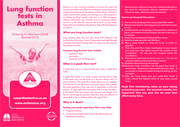
Asthma is a very commom condition. It cannot be cured, but can controlled with effective medication, good technique, and good monitoring by the patients are having no or few symptoms, no attacks needingg hospital visits and no or little emergency reliever medication use. Another way of assessing ast
...
hma control is to do tests that measure the function of your lungs. These tests are sometimes also done to help with the diagnosis of asthma.
more

Mpox can spread in humans through close contact, usually skin-to-skin contact, including sexual contact, with an infected person or animal, as well as with materials contaminated with the virus such as clothing, beddings and towels, and respiratory droplets in prolonged face to face contact. People
...
remain infectious from the onset of symptoms until all the lesions have scabbed and healed. The virus may spread from infected animals through handling infected meat or through bites or scratches. Diagnosis is confirmed by polymerase chain reaction (PCR) testing of material from a lesion for the virus’s DNA.
more
HIV testing programmes need to ensure that all clients who test for HIV are provided with correct diagnoses. The accuracy of HIV testing is critical to prevent misdiagnosis, as the consequences of giving an incorrect test result can be serious for clients, HIV testing services, HIV programmes and pu
...
blic health.
With the evolution of global HIV epidemiology, HIV testing approaches must also evolve to maintain accuracy and efficiency in population-level diagnosis. Reports suggest that misdiagnosis of HIV status may occur when suboptimal testing algorithms and out-of-date testing strategies are used. As a result of changing epidemiology and declining HIV positivity in testing, WHO recommends all countries use a standard three-test strategy to ensure a PPV of at least 99%, minimizing false-positive misdiagnosis. The WHO-recommended HIV testing strategy, along with quality assurance measures such as retesting to verify a positive diagnosis prior to initiation of HIV treatment, is cost-effective as it prevents misdiagnosis and unnecessary initiation of costly lifelong treatment.
This implementation guide provides practical advice on switching to a three-test strategy and instituting other measures that can help national HIV programmes deliver high-quality, accurate HIV testing services and ensure that misdiagnosis is minimized.
more
