Filter
1277
Text search:
art
outcome
Featured
130
398
Language
Document type
874
142
134
56
29
24
12
2
2
1
1
Countries / Regions
67
50
42
41
39
33
32
30
28
27
27
24
23
22
18
17
16
16
16
14
12
12
11
11
10
9
9
9
8
8
7
7
7
6
6
5
5
4
4
4
4
4
3
3
3
3
2
2
2
2
2
2
2
2
2
2
2
2
2
2
2
2
2
2
2
1
1
1
1
1
1
1
1
1
1
1
1
1
1
1
1
1
1
1
1
Authors & Publishers
Publication Years
Category
560
122
59
56
52
27
6
Toolboxes
171
165
100
41
35
26
23
22
20
19
19
13
11
11
11
10
7
6
6
5
4
3
2
1
1

Antimicrobial resistance (AMR) is a major public health challenge, which is recognized as high priority area by the Government of India. The increasing consumption of antibiotics is one of the key drivers of antimicrobial resistance seen in bugs of public health importance. Irrational prescription o
...

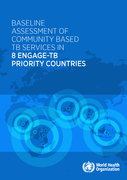
This document contains a series of desk reviews for the eight ENGAGE-TB priority countries supported by the Global Fund (DRC, Kenya, Indonesia, Mozambique, Myanmar, Nigeria, Pakistan and Tanzania). The document provides a situation assessment and gap analysis about the state of community based TB ac
...
Positionen, Lernziele und methodische Empfehlungen.
Mit diesem Dokument soll die Diskussion um mögliche Konzepte zur Erweiterung der medizinischen Ausbildung um das disziplinübergreifende Fachgebiet Global Health anzuregen, bestehende fachliche Ressourcen unter diesem Dach zu vereinen und von stu
...

Q5: For people with dementia, which cognitive/psychosocial interventions (such as cognitive stimulation, cognitive rehabilitation, reality orientation, reminiscence therapy) when compared to placebo/comparator produce benefits/harm in the specified outcomes?
Q3: For behavioural and psychological symptoms in people with dementia, do following drugs, when compared to placebo/comparator, produce benefits/harm in the specified outcomes?

Q9. In adults and children with convulsive epilepsy in remission, when should treatment be discontinued?

Q8. Should Anti-Epileptic Drug (AED) treatment be started after first unprovoked seizure in non-specialist health settings?

Q1: Are brief psychosocial interventions for people using cannabis or psychostimulants effective in reducing drug use, dependence and harm from drug use?

SCOPING QUESTION:Which psychosocial interventions are effective in the treatment of psychostimulant dependence for adults and young people?

The adoption and the entry into force of the Convention on the Rights of Persons with Disabilities and its Optional Protocol challenge such attitudes and mark a profound shift in existing approaches towards disability.
EMCDDA Insights - 11
Accessed: 14.03.2019
Research Article
PLOS Medicine | https://doi.org/10.1371/journal.pmed.1002625 July 31, 2018 / 1-19

World Drug Report 2018
-2-
World Drug Report 2018
-4-
Introduction
Chapter A.5