
Filter
2128
Text search:
Cleaning
Featured
306
550
Language
Document type
948
470
235
179
84
76
66
29
23
7
4
3
1
1
Countries
121
84
83
71
59
55
51
50
44
38
37
34
32
31
31
29
27
24
23
20
20
19
18
17
17
16
14
13
12
11
10
10
10
10
10
9
9
9
9
9
8
8
8
8
7
7
7
7
7
6
6
6
6
6
5
5
5
5
5
4
4
4
4
3
3
3
3
3
3
3
3
3
2
2
2
2
2
2
2
2
2
2
2
2
2
2
1
1
1
1
1
1
1
1
1
1
1
1
1
1
1
1
1
1
1
1
1
1
1
1
1
1
1
1
Authors & Publishers
Publication Years
Category
780
251
148
91
91
60
41
Toolboxes
409
159
87
81
80
65
61
57
54
52
52
50
50
45
42
42
24
24
20
17
17
9
8
4
2
2
1

Part of the MSF "Guideline for cholera control"
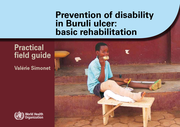
The guide contains valuable tools for wound care and the rehabilitation of people affected by Buruli ulcer. It is also helpful for peripheral health centres in areas where Buruli ulcer is endemic and to people and their families affected by the disease


A Global Inventory of Alternative Medical Waste Treatment Technologies
An infection control programme puts together various practices which when used appropriately restrict the spread of infection

Best Practices in health care waste management
recommended
Examples from four Philippine Hospitals
Improve identification, verification, communication and coordination.


Food Security And Nutrition In Emergency
recommended
Chapter 9: Public health guide for emergencies

Assessing Mental Health and Psychosocial Needs and Resources Toolkit For Humanitarian Settings
recommended
Available in different languages: English, French, Arabic, Russian
Education material for teachers of midwifery
Midwifery education modules - second edition
Education material for teachers of midwifery
Midwifery education modules - second edition
The manufacturing process is one of the key steps where quality control is required to ensure quality of medicinal products, including herbal medicines. Good manufacturing practices (GMP) is one of the most important tools for this measure.


Dengue is a mosquito-borne viral disease that has rapidly spread to all regions of WHO in recent years. Dengue virus is transmitted by female mosquitoes mainly of the species Aedes aegypti and, to a lesser extent, Ae. albopictus. These mosquitoes are also vectors of chikungunya, yellow fever and Zik
...

communicable Disease Toolkit
