
Filter
6886
Filtered Results: 6886
Text search:
community-based
provision
Featured
Recommendations
595
New Publications
1923
Language
Document type
No document type
3970
Studies & Reports
1125
Guidelines
820
Manuals
371
Strategic & Response Plan
321
Fact sheets
90
Training Material
87
Situation Updates
71
Infographics
12
Resource Platforms
10
Brochures
7
App
1
Online Courses
1
Countries / Regions
India
287
Global
268
Kenya
246
South Africa
156
Ethiopia
156
Uganda
154
Sierra Leone
149
Nepal
147
Myanmar / Burma
141
Nigeria
136
Liberia
132
Western and Central Europe
129
Malawi
122
Bangladesh
122
Syria
110
Zambia
110
Tanzania
106
Rwanda
98
Africa
91
Ghana
88
Latin America and the Carribbean
84
Ukraine
81
Namibia
80
Philippines
68
Congo, Democratic Republic of
67
South Sudan
57
Haiti
52
Senegal
50
Zimbabwe
50
South–East Asia Region
50
Cambodia
48
Lesotho
47
Eastern Europe
46
Indonesia
45
Guinea
43
Mozambique
41
Burkina Faso
35
West and Central Africa
35
East and Southern Africa
35
Yemen
35
Asia
34
Venezuela
29
Botswana
28
Pakistan
27
Cameroon
24
Afghanistan
24
Jordan
24
Eastern Europe and Central Asia
23
Middle East and North Africa
21
Colombia
20
Lebanon
20
Central African Republic
20
Brazil
19
Sudan
19
Eswatini/ Swaziland
17
Germany
16
Russia
16
Thailand
15
Western Pacific Region
15
Somalia
15
Tajikistan
14
Mali
13
Iraq
13
China
12
Albania
12
Vietnam
12
Moldova
12
Benin
11
Sri Lanka
11
Laos
10
Peru
10
Georgia
10
Madagascar
10
Turkey
8
Côte d’Ivoire / Ivory Coast
8
Togo
7
Chile
7
Niger
7
USA
7
Palestine
7
North Macedonia
6
Timor Leste/ East Timor
6
Mexico
6
Kyrgyzstan
6
Argentina
6
Kazakhstan
5
Iran
5
Hungary
5
Paraguay
5
North America
5
Southern Africa
5
Bolivia
5
Greece
5
Poland
5
Chad
5
Ecuador
5
Gambia
4
Burundi
4
Turkmenistan
4
Papua New Guinea
4
Egypt
4
Libya
4
El Salvador
3
Serbia
3
Croatia
3
Jamaica
3
United Kingdom
3
Spain
3
Belarus
3
Romania
3
Honduras
3
Angola
3
Bhutan
3
Fiji
2
Singapore
2
Malaysia
2
Morocco
2
Mauritania
2
Armenia
2
Guinea-Bissau
2
Lithuania
2
Saudi Arabia
2
Japan
2
Mauritius
2
Tunisia
2
Portugal
2
North Korea
1
Canada
1
Estonia
1
Uzbekistan
1
Vanuatu
1
Mongolia
1
Bulgaria
1
Dominican Republic
1
Ireland
1
Gabon
1
Belgium
1
Maldives
1
Norway
1
Algeria
1
Azerbaijan
1
Israel
1
Bosnia and Herzegovina
1
Latvia
1
Guyana
1
Djibouti
1
Slovakia
1
Guatemala
1
Authors & Publishers
Publication Years
Category
Countries
2851
Key Resources
473
Clinical Guidelines
379
Women & Child Health
357
Public Health
356
Capacity Building
140
Pharmacy & Technologies
36
Toolboxes
HIV
557
COVID-19
545
Mental Health
487
Disability
343
TB
291
Conflict
269
Planetary Health
211
Caregiver
205
Ebola & Marburg
178
Refugee
153
NTDs
142
Natural Hazards
121
AMR
112
Rapid Response
109
Global Health Education
96
Pharmacy
88
NCDs
84
Health Financing Toolbox
73
2.0 Rapid Response
61
Malaria
54
Cholera
41
Social Ethics
38
Polio
33
Specific Hazards
29
Zika
20
Typhoon
5
South Sudan
1

It provides insight into WHO’s work that aims to improve the health of the people of the United Republic of Tanzania in collaboration with key stakeholders.
A comprehensive summary of mental health research, providing a unique handbook of key facts and figures, covering all key areas of mental health

This Module, Count me in! Inclusive WASH in Ethiopia, was prepared by Ethiopian authors with support from The Open University UK. It was first published in June 2018. The contributors of original material are:Girma Aboma, Manager, GAA Economic Development ConsultBethel Shiferaw, SPCC Disability Incl...
29 September 2021

The European Resuscitation Council Guidelines for Resuscitation provide specific instructions for how resuscitation should be practiced and take into account ease of teaching and learning, as well as the science. They were developed by Europeans and have been specifically written with European pract...

In In recent years, China has increased its international engagement in health. Nonetheless, the lack
of data on contributions has limited efforts to examine contributions from China. Existing estimates that track
development assistance for health (DAH) from China have relied primarily on one data...

Strengthening rehabilitation in health emergency preparedness, response, and resilience: policy brief outlines the evidence for rehabilitation in emergencies and the need for greater preparedness of rehabilitation services. It shows how existing guidelines support the integration of rehabilitation i...
Children without access to safe water are more likely to die in infancy -- and throughout childhood -- from diseases caused by
water-borne bacteria, to which their small bodies are more vulnerable.
The backsliding of immunization coverage during the COVID-19 pandemic, combined with delayed catch-up efforts has resulted in a large and growing immunity gap. There is an urgent need to close this gap, and enable millions of missed children to be vaccinated. The Essential Immunization Recovery Plan...

Monitoring Framework

The WHO Disability-Inclusive Health Services Training Package is a companion to the “WHO Disability-Inclusive Health Services Toolkit: A resource for health facilities in the Western Pacific Region” published by WHO in 2020. This package offers a range of additional training materials including ...

This working draft develops guidance on conducting effective evaluations of conflict prevention and peacebuilding work. The current working draft will be used for a one year application phase through 2008. It is the result of an ongoing collaborative project by the OECD DAC Networks on Development E...

Modern healthcare has given rise to extremely complex and multifaceted ethical dilemmas. All too often physicians are unprepared to manage these competently. This publication is specifically structured to reinforce and strengthen the ethical mindset and prac...

This report challenges policy-makers and political leaders to tackle fossil fuel production and consumption as a health control issue, in the same way that smoking has been reduced and regulated. Fossil fuel combustion is a major source of toxic air pollution that kills 7 million people every year, ...
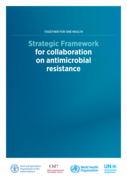
Together for One Health. Building on the momentum of increased collaboration, the WHO, FAO, OIE and UNEP have developed a Strategic Framework for collaboration on antimicrobial resistance (AMR). This Framework reflects the joint work of the four organizations to advance a One Health response to AMR ...

