
Filter
3278
Text search:
sustainable
food
Featured
268
943
Language
3203
82
63
44
39
28
26
19
6
5
5
4
4
4
3
3
3
3
3
3
3
3
3
2
2
2
2
2
2
2
2
2
2
2
2
2
2
2
1
1
1
1
1
1
1
1
1
1
1
1
1
1
1
1
1
1
1
1
Document type
1541
847
342
232
176
49
48
18
12
6
4
2
1
Countries
209
99
98
85
74
73
71
66
64
60
60
53
53
51
50
48
45
43
40
39
39
37
37
31
27
26
26
24
24
23
21
20
20
19
19
19
18
17
17
14
13
13
13
13
13
13
12
12
11
11
11
11
10
9
9
8
8
8
7
7
6
6
6
6
6
5
5
5
5
4
4
4
4
4
4
4
4
3
3
3
3
3
3
3
3
3
3
3
2
2
2
2
2
2
2
2
2
2
2
2
2
2
1
1
1
1
1
1
1
1
1
1
1
1
1
1
1
1
1
1
1
1
1
1
1
1
1
1
1
1
1
Authors & Publishers
375
108
108
85
85
79
45
44
34
32
26
23
20
20
19
18
18
18
16
15
14
13
13
13
13
13
13
13
12
12
12
12
11
11
10
10
9
9
9
9
8
8
8
8
8
8
8
8
8
7
7
7
7
7
7
7
7
7
7
7
7
7
6
6
6
6
6
6
6
6
6
6
6
6
6
5
5
5
5
5
5
5
5
5
5
5
5
5
5
5
5
5
5
5
5
5
5
5
5
5
5
5
5
5
5
4
4
4
4
4
4
4
4
4
4
4
4
4
4
4
4
4
4
4
4
4
4
4
4
4
4
4
4
4
4
4
4
4
4
4
4
4
4
4
4
4
3
3
3
3
3
3
3
3
3
3
3
3
3
3
3
3
3
3
3
3
3
3
3
3
3
3
3
3
3
3
3
3
3
3
3
3
3
3
3
3
3
3
3
3
3
3
3
3
3
3
3
3
3
3
3
3
3
3
3
3
3
3
3
3
3
3
3
2
2
2
2
2
2
2
2
2
2
2
2
2
2
2
2
2
2
2
2
2
2
2
2
2
2
2
2
2
2
2
2
2
2
2
2
2
2
2
2
2
2
2
2
2
2
2
2
2
2
2
2
2
2
2
2
2
2
2
2
2
2
2
2
2
2
2
2
2
2
2
2
2
2
2
2
2
2
2
2
2
2
2
2
2
2
2
2
2
2
2
2
2
2
2
2
2
2
2
2
2
2
2
2
2
2
2
2
2
2
2
2
2
2
2
2
2
2
2
2
2
2
2
2
2
2
2
2
2
2
2
2
2
2
2
2
2
2
2
2
2
2
2
2
2
2
2
2
2
2
2
2
2
2
2
2
2
2
2
2
2
2
2
2
2
2
2
2
2
2
2
2
2
2
2
2
2
2
2
2
2
2
2
2
2
2
2
2
2
2
2
2
2
2
1
1
1
1
1
1
1
1
1
1
1
1
1
1
1
1
1
1
1
1
1
1
1
1
1
1
1
1
1
1
1
1
1
1
1
1
1
1
1
1
1
1
1
1
1
1
1
1
1
1
1
1
1
1
1
1
1
1
1
1
1
1
1
1
1
1
1
1
1
1
1
1
1
1
1
1
1
1
1
1
1
1
1
1
1
1
1
1
1
1
1
1
1
1
1
1
1
1
1
1
1
1
1
1
1
1
1
1
1
1
1
1
1
1
1
1
1
1
1
1
1
1
1
1
1
1
1
1
1
1
1
1
1
1
1
1
1
1
1
1
1
1
1
1
1
1
1
1
1
1
1
1
1
1
1
1
1
1
1
1
1
1
1
1
1
1
1
1
1
1
1
1
1
1
1
1
1
1
1
1
1
1
1
1
1
1
1
1
1
1
1
1
1
1
1
1
1
1
1
1
1
1
1
1
1
1
1
1
1
1
1
1
1
1
1
1
1
1
1
1
1
1
1
1
1
1
1
1
1
1
1
1
1
1
1
1
1
1
1
1
1
1
1
1
1
1
1
1
1
1
1
1
1
1
1
1
1
1
1
1
1
1
1
1
1
1
1
1
1
1
1
1
1
1
1
1
1
1
1
1
1
1
1
1
1
1
1
1
1
1
1
1
1
1
1
1
1
1
1
1
1
1
1
1
1
1
1
1
1
1
1
1
1
1
1
1
1
1
1
1
1
1
1
1
1
1
1
1
1
1
1
1
1
1
1
1
1
1
1
1
1
1
1
1
1
1
1
1
1
1
1
1
1
1
1
1
1
1
1
1
1
1
1
1
1
1
1
1
1
1
1
1
1
1
1
1
1
1
1
1
1
1
1
1
1
1
1
1
1
1
1
1
1
1
1
1
1
1
1
1
1
1
1
1
1
1
1
1
1
1
1
1
1
1
1
1
1
1
1
1
1
1
1
1
1
1
1
1
1
1
1
1
1
1
1
1
1
1
1
1
1
1
1
1
1
1
1
1
1
1
1
1
1
1
1
1
1
1
1
1
1
1
1
1
1
1
1
1
1
1
1
1
1
1
1
1
1
1
1
1
1
1
1
1
1
1
1
1
1
1
1
1
1
1
1
1
1
1
1
1
1
1
1
1
1
1
1
1
1
1
1
1
1
1
1
1
1
1
1
1
1
1
1
1
1
1
1
1
1
1
1
1
1
1
1
1
1
1
1
1
1
1
1
1
1
1
1
1
1
1
1
1
1
1
1
1
1
1
1
1
1
1
1
1
1
1
1
1
1
1
1
1
1
1
1
1
1
1
1
1
1
1
1
1
1
1
1
1
1
1
1
1
1
1
1
1
1
1
1
1
1
1
1
1
1
1
1
1
1
1
1
1
1
1
1
1
1
1
1
1
1
1
1
1
1
1
1
1
1
1
1
1
1
1
1
1
1
1
1
1
1
1
1
1
1
1
1
1
1
1
1
1
1
1
1
1
1
1
1
1
1
1
1
1
1
1
1
1
1
1
1
1
1
1
1
1
1
1
1
1
1
1
1
1
1
1
1
1
1
1
1
1
1
1
1
1
1
1
1
1
1
1
1
1
1
1
1
1
1
1
1
1
1
1
1
1
1
1
1
1
1
1
1
1
1
1
1
1
1
1
1
1
1
1
1
1
1
1
1
1
1
1
1
1
1
1
1
1
1
1
1
1
1
1
1
1
1
1
1
1
1
1
1
1
1
1
1
1
1
1
1
1
1
1
1
1
1
1
1
1
1
1
1
1
1
1
1
1
1
1
1
1
1
1
1
1
1
1
1
1
1
1
1
1
1
1
1
1
1
1
1
1
1
1
1
1
1
1
1
1
1
1
1
1
1
1
1
1
1
1
1
1
1
1
1
1
1
1
1
1
1
1
1
1
1
1
1
1
1
1
1
1
1
1
1
1
1
1
1
1
1
1
1
1
1
1
1
1
1
1
1
1
1
1
1
1
1
1
1
1
1
1
1
1
1
1
1
1
1
1
1
1
1
1
1
1
1
1
1
1
1
1
1
1
1
1
1
1
1
1
1
1
1
1
1
1
1
1
1
1
1
1
1
1
1
1
1
1
1
1
1
1
1
1
1
1
1
1
1
1
1
1
1
1
1
1
1
1
1
1
1
1
1
1
1
1
1
1
1
1
1
1
1
1
1
1
1
1
1
1
1
1
1
1
1
1
1
1
1
1
1
1
1
1
1
1
1
1
1
1
1
1
1
1
1
1
1
1
1
1
1
1
1
1
1
1
1
1
1
1
1
1
1
1
1
1
1
1
1
1
1
1
1
1
1
1
1
1
1
1
1
1
1
1
1
1
1
1
1
1
1
1
1
1
1
1
1
1
1
1
1
1
1
1
1
1
1
1
1
1
1
1
1
1
1
1
1
1
1
1
1
1
1
1
1
1
1
1
1
1
1
1
1
1
1
1
1
1
1
1
1
1
1
1
1
1
1
1
1
1
1
1
1
1
1
1
1
1
1
1
1
1
1
1
1
1
1
1
1
1
1
1
1
1
1
1
1
1
1
1
1
1
1
1
1
1
1
1
1
1
1
1
1
1
1
1
1
1
1
1
1
1
1
1
1
1
1
1
1
1
1
1
1
1
1
1
1
1
1
1
1
1
1
1
1
1
1
1
1
1
1
1
1
1
1
1
1
1
1
1
1
1
1
1
1
1
1
1
1
1
1
1
1
1
1
1
1
1
1
1
1
1
1
1
1
1
1
1
1
1
1
1
1
1
1
1
1
1
1
1
1
1
1
1
1
1
1
1
1
1
1
1
1
1
1
1
1
1
1
1
1
1
1
1
1
1
1
1
1
1
1
1
1
1
1
1
1
1
1
1
1
1
1
1
1
1
1
1
1
1
1
1
1
1
1
1
1
1
1
1
1
1
1
1
1
1
1
1
1
1
1
1
1
1
1
1
1
1
1
1
1
1
1
1
1
1
1
1
1
1
1
1
1
1
1
1
1
1
1
1
1
1
1
1
1
1
1
1
1
1
1
1
1
1
1
1
1
1
1
1
1
1
1
1
1
1
1
1
1
1
1
1
1
1
1
1
1
1
1
1
1
1
1
1
1
1
1
1
1
1
1
1
1
1
1
1
1
1
1
1
1
1
1
1
1
1
1
1
1
1
1
1
1
1
1
1
1
1
1
1
1
1
1
1
1
1
1
1
1
1
1
1
1
1
1
1
1
1
1
1
1
1
1
1
1
1
1
1
1
1
1
1
1
1
1
1
1
1
1
1
1
1
1
1
1
1
1
1
1
1
1
1
1
1
1
1
1
1
1
1
1
1
1
1
1
1
1
1
1
1
1
1
1
1
1
1
1
1
1
1
1
1
1
1
1
1
1
1
1
1
1
1
1
1
1
1
1
1
1
1
1
1
1
1
1
1
1
1
1
1
1
1
1
1
1
1
1
1
1
1
1
1
1
1
1
1
1
1
1
1
1
1
1
1
1
1
1
1
1
1
1
1
1
1
1
1
1
1
1
1
1
1
1
1
1
1
1
1
1
1
1
1
1
1
1
1
1
1
1
1
1
1
1
1
1
1
1
1
1
1
1
1
1
1
1
1
1
1
1
1
1
1
1
1
1
1
1
1
1
1
1
1
1
1
1
1
1
1
1
1
1
1
1
1
1
1
1
1
1
1
1
1
1
1
1
1
1
1
1
1
1
1
1
1
1
1
1
1
1
1
1
1
1
1
1
1
1
1
1
1
1
1
1
1
1
1
1
1
1
1
1
1
1
1
1
1
1
1
1
1
1
1
1
1
1
1
1
1
1
1
1
1
1
1
1
1
1
1
1
1
1
1
1
1
1
1
1
1
1
1
1
1
1
1
1
1
1
1
1
1
1
1
1
1
1
1
1
1
1
1
1
1
1
1
1
1
1
1
1
1
1
1
1
1
1
1
1
1
1
1
1
1
1
1
1
1
1
1
1
1
1
1
1
1
1
1
1
1
1
1
1
1
1
1
1
1
1
1
1
1
1
1
1
1
1
1
1
1
1
1
1
1
1
1
1
1
1
1
1
1
1
1
1
1
1
1
1
1
1
1
1
1
1
1
1
1
1
1
1
1
1
1
1
1
1
1
1
1
1
1
1
1
1
1
1
1
1
1
1
1
1
1
1
1
1
1
1
1
1
1
1
1
1
1
1
1
1
1
1
1
1
1
1
1
1
1
1
1
1
1
1
1
1
1
1
1
1
1
1
1
1
1
1
1
1
1
1
1
1
1
1
1
1
1
1
1
1
1
1
1
1
1
1
1
1
1
1
1
1
1
1
1
1
1
1
1
1
1
1
1
1
1
1
1
1
1
1
1
1
1
1
1
1
1
1
1
1
1
1
1
1
1
1
1
1
1
1
1
1
1
1
1
1
1
1
1
1
1
1
1
1
1
1
1
1
1
1
1
1
1
1
1
1
1
1
1
1
1
1
1
1
1
1
1
1
1
1
1
1
1
1
1
1
1
1
1
1
1
1
1
1
1
1
1
1
1
1
1
1
1
1
1
1
1
1
1
1
1
1
1
1
1
1
1
1
1
1
1
1
1
1
1
1
1
1
1
1
1
1
1
1
1
1
1
1
1
1
1
1
1
1
1
1
1
1
1
1
1
1
1
1
1
1
1
1
1
1
1
1
1
1
1
1
1
1
1
1
1
1
1
1
1
1
1
1
1
1
1
1
1
1
1
1
1
1
1
1
1
1
1
1
1
1
1
1
1
1
1
1
1
1
1
1
1
1
1
1
1
1
1
1
1
1
1
1
1
1
1
1
1
1
1
1
1
1
1
1
1
1
1
1
1
1
1
1
1
1
1
1
1
1
1
1
1
1
1
1
1
1
1
1
1
1
1
1
1
1
1
1
1
1
1
1
1
1
1
1
1
1
1
1
1
1
1
1
1
1
1
1
1
1
1
1
1
1
1
1
1
1
1
1
1
1
1
1
1
1
1
1
1
1
1
1
1
1
1
1
Publication Years
1
1144
1866
255
11
1
Category
1289
340
206
160
126
55
10
Toolboxes
379
209
160
153
152
134
128
83
81
75
71
66
65
64
62
61
56
40
38
25
20
13
8
7
6
3
1

This UNHCR guidance note provides comprehensive recommendations for the prevention and control of malaria in refugee settings worldwide. Aligned with the WHO Global Technical Strategy for Malaria, it outlines strategies to ensure access to effective prevention, diagnosis and treatment, implement
...
sustainable transmission reduction measures and strengthen surveillance systems. The document is intended as a practical resource for humanitarian actors, public health officials and partners involved in planning and implementing malaria programmes in refugee operations, with the aim of reducing malaria-related morbidity and mortality among vulnerable populations.
more

Tuberculosis (TB) remains a significant global health challenge, with an estimated annual death rate of approximately one per 100,000 people in countries with low TB prevalence. Rapid reductions in TB cases and deaths worldwide depend on research breakthroughs, including the development of new vac
...
cines. There has recently been an increase in political commitment, as evidenced by two UN high-level meetings on TB in 2018 and 2023. The 2023 political declaration reaffirmed the goals set out in the UN Sustainable Development Goals and the WHO's End TB Strategy, and established new targets for the period 2023–2027
more

This publication provides an overview of evidence and guidance on the growing challenge of workplace heat stress in the context of climate change. It highlights the health and productivity risks faced by billions of workers, especially in manual labor sectors. The report details the physiological, s
...
ocioeconomic, and mental health impacts of heat stress and outlines evidence-based strategies for prevention and mitigation. It emphasizes the need for occupational heat action programmes, stakeholder collaboration, and tailored interventions to protect vulnerable workers, reduce productivity losses, and support sustainable development in a warming world.
more

Non-Communicable Diseases (NCDs) have emerged as conditions of great public health concern in Kenya accounting for 39% of deaths annually. The Ministry of Health through the Department of Non-Communicable Diseases has adopted the vision of achieving a nation free from preventable burden of NCDs. Fur
...
ther, the mission of this strategy is to halt and reverse the rising burden of NCDs through effective multisectoral collaboration and partnerships by ensuring Kenyans receive the highest attainable standard of NCD continuum of care that is accessible, affordable, quality, equitable and sustainable thus alleviating suffering, disease and death for their well-being and socio-economic development.
The scope of NCDs covered by this strategy include; cardiovascular diseases, cancer, diabetes, chronic respiratory diseases, mental health conditions, violence and injuries, hemoglobinopathies, haemophilia and other bleeding disorders, auto immune diseases, chronic renal diseases, epilepsy and other neurological disorders, chronic skin conditions and oral diseases and conditions. It equally addresses seven risk factors; tobacco use, harmful use of alcohol, unhealthy diets and toxins, physical inactivity, indoor air pollution, environmental pollutants and toxins and stress.
more

Public health challenges over the past decade have highlighted the importance of approaching health through a holistic lens of human, animal, and environmental sectors, recognizing the need for a collaborative response against shared threats. Zoonotic diseases, transmitted between humans and animals
...
through their shared environment, are at the forefront of the threats requiring collaborations that span human health, natural ecosystems, and food systems.
more

The document “Strengthening the global architecture for health emergency prevention, preparedness, response and resilience” presents a report by the Director-General of the World Health Organization (WHO) to the World Health Assembly on global efforts to improve preparedness and response to heal
...
th emergencies. It reviews the implementation of the Health Emergency Prevention, Preparedness, Response and Resilience (HEPR) framework and highlights lessons learned from recent crises such as COVID-19. The report describes international initiatives to strengthen global health governance, surveillance systems, laboratory networks, community protection measures, healthcare capacity and access to medical countermeasures like vaccines and diagnostics. It also discusses coordination of emergency responses, support for countries facing outbreaks or humanitarian crises, and the importance of international cooperation. In addition, the report emphasizes the need for sustainable and coordinated financing to strengthen global health security and ensure that countries can better prevent, detect and respond to future health threats.
more

This edition provides detailed guidance on essential components such as infrastructure, human resources, equipment, logistics, governance, and monitoring and evaluation (M&E). These elements are crucial for the successful establishment and sustainable
...
operation of NPHIs, which are envisioned as Centres of Excellence for public health in Africa.
more

Guidelines for drinking-water quality: Fourth edition incorporating the first and second addenda
recommended
Guidance has been updated on a number of chemicals: asbestos, bentazone, chromium, iodine, manganese, microcystins, nickel, silver, tetrachloroethene and trichloroethene. Guidance has also been added for chemicals not previously assessed in the Guidelines: anatoxin-a and analogues, cylindrospermopsi
...
ns and saxitoxins. The new guidance on organotins has replaced the prior guidance focused on dialkyltins. With these updates, the guideline values for tetrachloroethene and trichloroethene have been revised while new guideline values for cylindrospermopsins, manganese, microcystins, and saxitoxins have been established .
Updated information on cyanobacteria has been included, introducing an alert level framework for early-warning and to guide short-term management responses. Guidance has also been updated in the sections on adequacy of water supply, climate change, emergencies, food production and processing, and radiological aspects, particularly on managing radionuclides when exceeding WHO screening values and guidance levels.
more
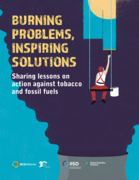
This report challenges policy-makers and political leaders to tackle fossil fuel production and consumption as a health control issue, in the same way that smoking has been reduced and regulated. Fossil fuel combustion is a major source of toxic air pollution that kills 7 million people every year,
...
almost the same as the number of deaths caused by tobacco smoking.
In 2018, the World Health Organization (WHO) recognised air pollution as a major health risk factor. There is widespread public discussion about the effects of fossil fuel combustion and emissions on climate change… but what about the effect on our health? Climate change poses a threat not only to the health of the planet, but also to humans.
The case studies evaluated in this report offer examples of mechanisms that can be used to restrict the production and consumption of unhealthy commodities, so that the health, air pollution and climate communities can learn from one another, using shared approaches and language. These case studies show that the connection with health is a strong argument to support sustainable change.
more

Atlas of African Health Statistics 2022: Health situation analysis of the WHO African Region
Since 2019, we have been implementing Phase 2 of the regional Transformation Agenda, which informs and aligns with the global WHO Transformation, to ensure WHO is accountable, driven by re- sults and provid
...
ing value for money in the pursuit of better health. Our global priority in this period is to contribute to delivering on the triple billion targets of expanding universal health coverage, protecting people from emergencies, and promoting health and well-being for people across the Region.
This year’s Atlas of African Health Statistics is being produced in the context of the COVID-19 pandemic that we have been expe- riencing for over two years. The ongoing coronavirus pandemic, together with other health emergencies in the WHO African Re- gion, is yet again testing the strength and resilience of our health systems. Indeed, the impact of COVID-19 is visible in the disruption of services. The report also presents the latest data for more than 50 health-related indicators of the Sustainable Development Goals and WHO’s “triple billion” targets and provides comprehensive country-level statistics using the results chain of the AFRO frame- work of actions for strengthening health systems to achieve UHC and the health-related SDGs.
more

This report includes six case studies from 12 individuals with lived experience of diverse health conditions. These case studies explore the topics of power dynamics and power reorientation towards individuals with lived experience; informed decision-making and health literacy; community engagement
...
across broader health networks and health systems; lived experience as evidence and expertise; exclusion and the importance of involving groups that are marginalized; and advocacy and human rights.
It is the first publication in the WHO Intention to action series, which aims to enhance the limited evidence base on the impact of meaningful engagement and address the lack of standardized approaches on how to operationalise meaningful engagement. The Intention to action series aims to do this by providing a platform from which individuals with lived experience, and organizational and institutional champions, can share solutions, challenges and promising practices related to this cross-cutting agenda. The Intention to action series also aims to provide powerful narratives,inspiration and evidence towards the Fourth United Nations High Level Meeting on NCDs in 2025 and achieving the 2030 United Nations Sustainable Development Goals (SDGs).
more

This report includes analysis from informal regional consultations in the African Region, the Caribbean and North America, Latin America, South-East Asia Region, European Region, Eastern Mediterranean Region, alongside three forums in the Western Pacific Region. It analyses the overarching similarit
...
ies, regional nuances and priorities raised across the six WHO regions for the meaningful engagement of individuals with lived experience.
It is the second publication in the WHO Intention to action series, which aims to enhance the limited evidence base on the impact of meaningful engagement and address the lack of standardized approaches on how to operationalise meaningful engagement. The Intention to action series aims to do this by providing a platform from which individuals with lived experience, and organizational and institutional champions, can share solutions, challenges and promising practices related to this cross-cutting agenda. The Intention to action series also aims to provide powerful narratives, inspiration and evidence towards the Fourth United Nations High Level Meeting on NCDs in 2025 and achieving the 2030 United Nations Sustainable Development Goals (SDGs).
more

This report includes analysis from informal regional consultations in the African Region, the Caribbean and North America, Latin America, South-East Asia Region, European Region, Eastern Mediterranean Region, alongside three forums in the Western Pacific Region. It analyses the overarching similarit
...
ies, regional nuances and priorities raised across the six WHO regions for the meaningful engagement of individuals with lived experience.
It is the second publication in the WHO Intention to action series, which aims to enhance the limited evidence base on the impact of meaningful engagement and address the lack of standardized approaches on how to operationalise meaningful engagement. The Intention to action series aims to do this by providing a platform from which individuals with lived experience, and organizational and institutional champions, can share solutions, challenges and promising practices related to this cross-cutting agenda. The Intention to action series also aims to provide powerful narratives, inspiration and evidence towards the Fourth United Nations High Level Meeting on NCDs in 2025 and achieving the 2030 United Nations Sustainable Development Goals (SDGs).
more

Lessons learned from recent public health events such as the COVID-19 pandemic, Ebola virus disease, Zika virus disease outbreaks, and other public health threats, including earthquakes and floods, have highlighted the need for countries to continuously develop, strengthen, and maintain capacities r
...
equired under the International Health Regulations (2005) (IHR (2005)).
Developing capacities for health security in a country requires the engagement of public and private entities across a broad range of sectors, including human and animal health, agriculture, environment, finance, security, emergency management, education, and transportation. The World Health Organization (WHO) is mandated through various resolutions, decisions, and reports of the World Health Assembly, and through the IHR (2005), to provide technical guidance and support to its Member States in developing, strengthening, and maintaining their health systems, including capacities required under the IHR (2005).
For countries to better prevent, prepare for, detect, notify, respond to, and recover from public health emergencies, they must build and maintain IHR core capacities and support the strengthening of health emergency prevention, preparedness, response, and resilience (HEPR) capacities. National Action Plans for Health Security (NAPHS), as capacity development plans, provide the tasks and resources needed to ensure adequate capacities are in place to prevent, detect, respond to, and recover from public health events in a sustainable manner. Investing in the resilience of these capacities within national health systems at national and local levels not only improves national health security but also helps safeguard economic, social, and political developments.
more
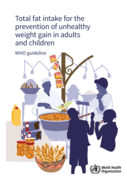
This guideline provides updated, evidence-informed guidance on the percentage of total fat in the diet to reduce the risk of unhealthy weight gain.
This guideline is intended for a wide audience involved in the development, design and implementation of policies and programmes in nutrition and pub
...
lic health. This guideline includes a recommended level of total fat intake which can be used by policy-makers and programme managers to address various aspects of dietary fat in their populations through a range of policy actions and public health interventions.
The guidance in this guideline replaces previous WHO guidance on total fat intake, including that from the 1989 WHO Study Group on Diet, Nutrition and the Prevention of Chronic Diseases and the 2002 Joint WHO/FAO Expert Consultation on Diet, Nutrition and the Prevention of Chronic Diseases. The guidance in this guideline should be considered in the context of that from other WHO guidelines on healthy diets.
more

WHO’s Country Cooperation Strategy (CCS) defines the Organization’s medium-term vision for working in and with a particular country. The CCS, developed in the context of global and national health priorities, examines the overall health situation in a country, including the state of the health s
...
ector, socioeconomic status and the major health determinants.
This CCS sets out WHO’s strategic framework for collaboration with the Syrian Arab Republic, from June 2022 until June 2025, in light of the 12 years of crisis that have had a devastating impact on the health sector and infrastructure of basic services. It carefully considers the current and projected issues during its transition from continued humanitarian assistance to recovery, resilience and development. The consolidation of health policies and strategies and health system strengthening, based on the strengthening of primary health care (PHC), aims to contribute to the achievement of national and global development and health goals and the targets of the SDGs.
more

Non-Communicable Diseases (NCDs), including mental disorders, currently pose one of the biggest threats to health and development globally, particularly in low and middle income countries2. It is predicted that unless proven interventions are rapidly implemented in countries, in the short to medium
...
term, health care costs will increase exponentially and severe negative consequences will ensue not only to individuals and families but to whole societies and economies. NCDs are already a major burden in South Africa, but without added rigorous and timely action the health and development consequences may well become catastrophic. Immediate and additional, high quality, evidence based and focussed interventions are needed to promote health, prevent disease and provide more effective and equitable care and treatment for people living with NCDs at all levels of the health system. The problem is further compounded by the rising global prevalence of multi-morbidity (defined as the coexistence of two or more chronic diseases in one individual).
more

We can't stop at almost. 2025 Goalkeeper Report
recommended
2025 is the first year of this century where child deaths will increase.
But we can stop this reversal before it becomes a trend, even in a time of tight budgets.
With proven solutions and next-generation innovations that do more with less, we can save millions of children's lives, protect the pro
...
gress we've fought so hard for, and wipe out diseases that have plagued humanity for generations.
You can download different languages : English, German, French, Spanish, Russian, Chinese
more

Noncommunicable diseases (NCDs) – chief among them, cardiovascular diseases (heart disease and stroke), cancer, diabetes and chronic respiratory diseases – along with mental health, cause nearly three quarters of deaths in the world. Their drivers are social, environmental, commercial and geneti
...
c, and their presence is global. Every year 17 million people under the age of 70 die of NCDs, and 86% of them live in low- and middle-income countries (LMICs).
more

World Health Organization. (2022). Toolkit for developing a multisectoral action plan for noncommunicable diseases: module 4: developing an implementation plan.
