
Filter
550
Text search:
planetary
Featured
18
14
Language
Document type
332
52
26
26
20
20
17
14
14
11
8
6
2
Countries
58
9
7
5
4
4
3
3
3
2
2
2
2
2
2
2
1
1
1
1
1
1
1
1
1
1
1
1
1
1
1
1
1
1
1
1
1
1
Authors & Publishers
Publication Years
Category
44
32
17
4
2
2
Toolboxes
457
35
22
10
9
6
5
5
3
2
2
2
2
2
1
1
1
This Summary for Policymakers (SPM) presents key findings of the Working Group I (WGI) contribution to the IPCC’s Sixth Assessment Report (AR6) on the physical science basis of climate change. The report builds upon the 2013 Working Group I contribution to the IPCC’s Fifth Assessment Report (AR5
...
Unhealthy diets and excess body weight are leading risk factors for death and disability in the WHO European Region. Addressing malnutrition in all its forms is essential to ensure health and well-being for all and, consequently, sustainable development. It requires coherent and innovative actions c
...

Accessed on 29.11.2021
Website
Insights from international food system experts, edited by Zoe Craig
Food and Climate
Food and Culture
Food and Environment
Food and Health
Food and Healthcare
Accessed on 29.11.2021
Arabic Analysis on World about Agriculture, Climate Change and Environment, Drought, Flood and more; published on 09 Dec 2021 by FAO
Expertise on #24 – Climate & Biodiversity - Expertise France
Informe especial del IPCC sobre el cambio climático, la
desertificación, la degradación de las tierras, la gestión
sostenible de las tierras, la seguridad alimentaria y los flujos de
gases de efecto invernadero en los ecosistemas terrestres
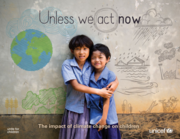
Today’s children, and their children, are the ones who will live with the consequences of climate change.
Accessed on 06.03.2022
Air pollution is the biggest environmental health risk in Europe
Air pollution is hard to escape, no matter where you live. It can seriously affect your health and the environment. Even though air quality in Europe has improved over recent decades, the levels of air pollutan
...
Research Report
Lancet Planet Health 2021; 5: e654–58
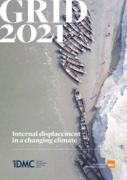
New displacements by conflict and disasters in 2020
The Lancet Volume June 2020, vol.4 : e217-218

Lancet Planet Health 2021; 5: e415–25

Lancet Planet Health 2021; 5: e542–52

Antimicrobial resistance (AMR) has emerged as a major public health concern, around which the international leadership has come together to form strategic partnerships and action plans. The main driving force behind the emergence of AMR is selection pressure created due to consumption of antibiotics
...
BACKGROUND: Growing political attention to antimicrobial resistance (AMR) offers a rare opportunity for achieving meaningful action. Many governments have developed national AMR action plans, but most have not yet implemented policy interventions to reduce antimicrobial overuse. A systematic evidenc
...
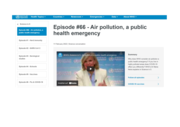
Why does WHO consider air pollution a public health emergency? If you live in highly polluted areas does COVID-19 affect you differently? WHO’s Dr Maria Neira explains in Science in 5.
