
Filter
3203
Text search:
models
of
care
Featured
265
739
Language
3126
78
75
46
33
30
21
18
5
5
5
4
4
4
3
3
3
3
3
3
3
2
2
2
2
2
2
2
2
2
2
2
2
2
2
2
2
1
1
1
1
1
1
1
1
1
1
1
1
1
Document type
1643
680
395
188
148
67
50
18
6
3
2
1
1
Countries
183
122
97
94
78
63
56
52
51
48
47
46
46
45
42
41
36
36
34
32
28
25
23
22
22
22
21
20
19
18
16
16
14
14
14
12
12
12
11
11
11
11
11
10
10
10
9
9
9
8
8
7
7
7
7
7
7
6
6
6
5
5
5
4
4
4
4
4
3
3
3
3
3
3
3
2
2
2
2
2
2
2
2
2
2
2
2
2
2
2
2
2
1
1
1
1
1
1
1
1
1
1
1
1
1
1
1
1
1
1
1
1
1
1
1
1
1
1
1
1
Authors & Publishers
455
135
128
92
84
51
49
44
44
32
27
19
19
18
18
18
16
16
16
15
15
14
13
13
12
12
11
11
11
10
10
9
9
9
8
8
8
8
8
8
8
8
8
8
8
8
8
8
7
7
7
7
7
7
7
7
7
6
6
6
6
6
6
6
6
6
5
5
5
5
5
5
5
5
5
5
5
5
5
5
5
5
5
4
4
4
4
4
4
4
4
4
4
4
4
4
4
4
4
4
4
4
4
4
4
4
4
4
4
4
4
4
4
4
4
4
4
4
3
3
3
3
3
3
3
3
3
3
3
3
3
3
3
3
3
3
3
3
3
3
3
3
3
3
3
3
3
3
3
3
3
3
3
3
3
3
3
3
3
3
3
3
3
3
3
3
3
3
3
3
3
3
3
2
2
2
2
2
2
2
2
2
2
2
2
2
2
2
2
2
2
2
2
2
2
2
2
2
2
2
2
2
2
2
2
2
2
2
2
2
2
2
2
2
2
2
2
2
2
2
2
2
2
2
2
2
2
2
2
2
2
2
2
2
2
2
2
2
2
2
2
2
2
2
2
2
2
2
2
2
2
2
2
2
2
2
2
2
2
2
2
2
2
2
2
2
2
2
2
2
2
2
2
2
2
2
2
2
2
2
2
2
2
2
2
2
2
2
2
2
2
2
2
2
2
2
2
2
2
2
2
2
2
2
2
2
2
2
2
2
2
2
2
2
2
2
2
2
2
2
2
2
2
2
2
2
2
2
2
2
2
2
2
2
2
2
2
2
2
2
2
2
2
2
2
2
2
2
2
2
1
1
1
1
1
1
1
1
1
1
1
1
1
1
1
1
1
1
1
1
1
1
1
1
1
1
1
1
1
1
1
1
1
1
1
1
1
1
1
1
1
1
1
1
1
1
1
1
1
1
1
1
1
1
1
1
1
1
1
1
1
1
1
1
1
1
1
1
1
1
1
1
1
1
1
1
1
1
1
1
1
1
1
1
1
1
1
1
1
1
1
1
1
1
1
1
1
1
1
1
1
1
1
1
1
1
1
1
1
1
1
1
1
1
1
1
1
1
1
1
1
1
1
1
1
1
1
1
1
1
1
1
1
1
1
1
1
1
1
1
1
1
1
1
1
1
1
1
1
1
1
1
1
1
1
1
1
1
1
1
1
1
1
1
1
1
1
1
1
1
1
1
1
1
1
1
1
1
1
1
1
1
1
1
1
1
1
1
1
1
1
1
1
1
1
1
1
1
1
1
1
1
1
1
1
1
1
1
1
1
1
1
1
1
1
1
1
1
1
1
1
1
1
1
1
1
1
1
1
1
1
1
1
1
1
1
1
1
1
1
1
1
1
1
1
1
1
1
1
1
1
1
1
1
1
1
1
1
1
1
1
1
1
1
1
1
1
1
1
1
1
1
1
1
1
1
1
1
1
1
1
1
1
1
1
1
1
1
1
1
1
1
1
1
1
1
1
1
1
1
1
1
1
1
1
1
1
1
1
1
1
1
1
1
1
1
1
1
1
1
1
1
1
1
1
1
1
1
1
1
1
1
1
1
1
1
1
1
1
1
1
1
1
1
1
1
1
1
1
1
1
1
1
1
1
1
1
1
1
1
1
1
1
1
1
1
1
1
1
1
1
1
1
1
1
1
1
1
1
1
1
1
1
1
1
1
1
1
1
1
1
1
1
1
1
1
1
1
1
1
1
1
1
1
1
1
1
1
1
1
1
1
1
1
1
1
1
1
1
1
1
1
1
1
1
1
1
1
1
1
1
1
1
1
1
1
1
1
1
1
1
1
1
1
1
1
1
1
1
1
1
1
1
1
1
1
1
1
1
1
1
1
1
1
1
1
1
1
1
1
1
1
1
1
1
1
1
1
1
1
1
1
1
1
1
1
1
1
1
1
1
1
1
1
1
1
1
1
1
1
1
1
1
1
1
1
1
1
1
1
1
1
1
1
1
1
1
1
1
1
1
1
1
1
1
1
1
1
1
1
1
1
1
1
1
1
1
1
1
1
1
1
1
1
1
1
1
1
1
1
1
1
1
1
1
1
1
1
1
1
1
1
1
1
1
1
1
1
1
1
1
1
1
1
1
1
1
1
1
1
1
1
1
1
1
1
1
1
1
1
1
1
1
1
1
1
1
1
1
1
1
1
1
1
1
1
1
1
1
1
1
1
1
1
1
1
1
1
1
1
1
1
1
1
1
1
1
1
1
1
1
1
1
1
1
1
1
1
1
1
1
1
1
1
1
1
1
1
1
1
1
1
1
1
1
1
1
1
1
1
1
1
1
1
1
1
1
1
1
1
1
1
1
1
1
1
1
1
1
1
1
1
1
1
1
1
1
1
1
1
1
1
1
1
1
1
1
1
1
1
1
1
1
1
1
1
1
1
1
1
1
1
1
1
1
1
1
1
1
1
1
1
1
1
1
1
1
1
1
1
1
1
1
1
1
1
1
1
1
1
1
1
1
1
1
1
1
1
1
1
1
1
1
1
1
1
1
1
1
1
1
1
1
1
1
1
1
1
1
1
1
1
1
1
1
1
1
1
1
1
1
1
1
1
1
1
1
1
1
1
1
1
1
1
1
1
1
1
1
1
1
1
1
1
1
1
1
1
1
1
1
1
1
1
1
1
1
1
1
1
1
1
1
1
1
1
1
1
1
1
1
1
1
1
1
1
1
1
1
1
1
1
1
1
1
1
1
1
1
1
1
1
1
1
1
1
1
1
1
1
1
1
1
1
1
1
1
1
1
1
1
1
1
1
1
1
1
1
1
1
1
1
1
1
1
1
1
1
1
1
1
1
1
1
1
1
1
1
1
1
1
1
1
1
1
1
1
1
1
1
1
1
1
1
1
1
1
1
1
1
1
1
1
1
1
1
1
1
1
1
1
1
1
1
1
1
1
1
1
1
1
1
1
1
1
1
1
1
1
1
1
1
1
1
1
1
1
1
1
1
1
1
1
1
1
1
1
1
1
1
1
1
1
1
1
1
1
1
1
1
1
1
1
1
1
1
1
1
1
1
1
1
1
1
1
1
1
1
1
1
1
1
1
1
1
1
1
1
1
1
1
1
1
1
1
1
1
1
1
1
1
1
1
1
1
1
1
1
1
1
1
1
1
1
1
1
1
1
1
1
1
1
1
1
1
1
1
1
1
1
1
1
1
1
1
1
1
1
1
1
1
1
1
1
1
1
1
1
1
1
1
1
1
1
1
1
1
1
1
1
1
1
1
1
1
1
1
1
1
1
1
1
1
1
1
1
1
1
1
1
1
1
1
1
1
1
1
1
1
1
1
1
1
1
1
1
1
1
1
1
1
1
1
1
1
1
1
1
1
1
1
1
1
1
1
1
1
1
1
1
1
1
1
1
1
1
1
1
1
1
1
1
1
1
1
1
1
1
1
1
1
1
1
1
1
1
1
1
1
1
1
1
1
1
1
1
1
1
1
1
1
1
1
1
1
1
1
1
1
1
1
1
1
1
1
1
1
1
1
1
1
1
1
1
1
1
1
1
1
1
1
1
1
1
1
1
1
1
1
1
1
1
1
1
1
1
1
1
1
1
1
1
1
1
1
1
1
1
1
1
1
1
1
1
1
1
1
1
1
1
1
1
1
1
1
1
1
1
1
1
1
1
1
1
1
1
1
1
1
1
1
1
1
1
1
1
1
1
1
1
1
1
1
1
1
1
1
1
1
1
1
1
1
1
1
1
1
1
1
1
1
1
1
1
1
1
1
1
1
1
1
1
1
1
1
1
1
1
1
1
1
1
1
1
1
1
1
1
1
1
1
1
1
1
1
1
1
1
1
1
1
1
1
1
1
1
1
1
1
1
1
1
1
1
1
1
1
1
1
1
1
1
1
1
1
1
1
1
1
1
1
1
1
1
1
1
1
1
1
1
1
1
1
1
1
1
1
1
1
1
1
1
1
1
1
1
1
1
1
1
1
1
1
1
1
1
1
1
1
1
1
1
1
1
1
1
1
1
1
1
1
1
1
1
1
1
1
1
1
1
1
1
1
1
1
1
1
1
1
1
1
1
1
1
1
1
1
1
1
1
1
1
1
1
1
1
1
1
1
1
1
1
1
1
1
1
1
1
1
1
1
1
1
1
1
1
1
1
1
1
1
1
1
1
1
1
1
1
1
1
1
1
1
1
1
1
1
1
1
1
1
1
1
1
1
1
1
1
1
1
1
1
1
1
1
1
1
1
1
1
1
1
1
1
1
1
1
1
1
1
1
1
1
1
1
1
1
1
1
1
1
1
1
1
1
1
1
1
1
1
1
1
1
1
1
1
1
1
1
1
1
1
1
1
1
1
1
1
1
1
1
1
1
1
1
1
1
1
1
1
1
1
1
1
1
1
1
1
1
1
1
1
1
1
1
1
1
1
1
1
1
1
1
1
1
1
1
1
1
1
1
1
1
1
1
1
1
1
1
1
1
1
1
1
1
1
1
1
1
1
1
1
1
1
1
1
1
1
1
1
1
1
1
1
1
1
1
1
1
1
1
1
1
1
1
1
1
1
1
1
1
1
1
1
1
1
1
1
1
1
1
1
1
1
1
1
1
1
1
1
1
1
1
1
1
1
1
1
1
1
1
1
1
1
1
1
1
1
1
1
1
1
1
1
1
1
1
1
1
1
1
1
1
1
1
1
1
1
1
1
1
1
1
1
1
1
1
1
1
1
1
1
1
1
1
1
1
1
1
1
1
1
1
1
1
1
1
1
1
1
1
1
1
1
1
1
1
1
1
1
1
1
1
1
1
1
1
1
1
1
1
1
1
1
1
1
1
1
1
1
1
1
1
1
1
1
1
1
1
1
1
1
1
1
1
1
1
1
1
1
1
1
1
1
1
1
1
1
1
1
1
1
1
1
1
1
1
1
1
1
1
1
1
1
1
1
1
1
1
1
1
1
1
1
1
1
1
1
1
1
1
1
1
1
1
1
1
1
1
1
1
1
1
1
1
1
1
1
1
1
1
1
1
1
1
1
1
1
1
1
1
1
1
1
1
1
1
1
1
1
1
1
1
1
1
1
1
1
1
1
1
1
1
1
1
1
1
1
1
1
1
1
1
1
1
1
1
1
1
1
1
1
1
1
1
1
1
1
1
1
1
1
1
1
1
1
1
1
1
1
1
1
1
1
1
1
1
1
1
1
1
1
1
1
1
1
1
1
1
1
1
1
1
1
1
1
1
1
1
1
1
1
1
1
1
1
1
1
1
1
1
1
1
1
1
1
1
1
1
1
1
1
1
1
1
1
1
1
1
1
1
1
1
1
1
1
1
1
1
1
1
1
1
1
1
1
1
1
1
1
1
1
1
1
1
1
1
1
1
1
1
1
1
1
1
1
1
1
1
1
1
1
1
1
1
1
1
1
1
1
1
1
1
1
1
1
1
1
1
1
1
1
1
1
1
1
1
1
1
1
1
1
1
1
1
1
1
1
1
1
1
1
1
1
1
1
1
1
1
1
1
1
1
1
1
1
1
1
1
1
1
1
1
1
1
1
1
1
1
1
1
1
1
1
1
1
1
1
1
1
1
1
1
1
1
1
1
1
1
1
1
1
1
1
1
1
1
1
1
1
1
1
1
1
1
1
1
1
1
1
1
1
1
1
1
1
1
1
1
1
1
1
1
1
1
1
1
1
1
1
1
1
1
1
1
1
1
1
1
1
1
1
1
1
1
1
1
1
1
1
1
1
1
1
1
1
1
1
1
1
1
1
1
1
1
1
1
1
1
1
1
1
1
1
1
1
1
1
1
1
1
1
1
1
1
1
1
1
1
1
1
1
1
1
1
1
1
1
1
1
1
1
1
1
1
1
1
1
1
1
1
1
1
1
1
1
1
1
1
1
1
1
1
1
1
1
1
1
1
1
1
1
1
1
1
1
1
1
1
1
1
1
1
1
1
1
1
1
1
1
1
1
1
1
1
1
1
1
1
1
1
1
1
1
1
1
1
1
1
1
1
1
1
1
1
1
1
1
1
1
1
1
1
1
1
1
1
1
1
1
1
1
1
1
1
1
1
1
1
1
1
1
1
1
1
1
1
1
1
1
1
1
1
1
1
1
1
1
1
1
1
1
1
1
1
1
1
1
1
1
1
1
1
1
1
1
1
1
1
1
1
1
1
1
1
1
1
1
1
1
1
1
1
1
1
1
1
1
1
1
1
1
1
1
1
1
1
1
1
1
1
1
1
1
1
1
1
1
1
1
1
1
1
1
1
1
1
1
1
1
1
1
1
1
1
1
1
1
1
1
1
1
1
1
1
1
1
1
1
1
1
1
1
1
1
1
1
1
1
1
1
1
1
1
1
1
1
1
1
1
1
1
1
1
1
1
1
1
1
1
1
1
1
1
1
1
1
1
1
1
1
1
1
1
1
1
1
1
1
1
1
1
1
1
1
1
1
1
1
1
1
1
1
1
1
1
1
1
1
1
1
1
1
1
1
1
1
1
1
1
1
1
1
1
1
1
1
1
1
1
1
1
1
1
1
1
1
1
1
1
1
1
1
1
1
1
1
1
1
1
1
1
1
1
1
1
1
1
1
1
1
1
1
1
1
1
1
1
1
1
1
1
1
1
1
1
1
1
1
1
1
1
1
1
1
1
1
1
1
1
1
Publication Years
1013
1925
252
12
1
Category
1016
230
222
183
177
73
24
Toolboxes
359
204
195
191
178
141
139
87
86
75
74
71
63
54
51
51
41
40
32
31
26
17
17
16
9
1
n light of the potential risk posed by SARS-CoV-2 variants, in January 2021 WHO organized an ad hoc consultation to discuss the development of an R&D agenda in response to existing and emerging SARS
...
-CoV-2 variants.
The key objectives were to identify the critical research questions related to variants and agree on a research approach to address them. Six breakout groups covered a range of specific issues related to COVID-19 variants: Epidemiology and mathematical modelling; evolutionary biology; animal models; assays and diagnostics; clinical management and therapeutics; and vaccines.
This report is a summary of presentations and panel discussions.
more
Childhood cancer is curable for the vast majority of children when essential diagnostic, therapeutic and supportive care services are accessible. However, profound inequalities in outcomes exist wit
...
hin and between countries with as few as 20% or 30% of children living in low- and middle-income countries surviving.
The Global Initiative for Childhood Cancer Overview document presents the CureAll approach to support governments, partners and communities achieve the best possible cancer care for all children. This approach, summarized as four pillars of action supported by three enablers, will improve the care for children with cancer around the world.
more
Guidelines on hepatitis B and C testing
recommended
Testing and diagnosis of hepatitis B (HBV) and C (HCV) infection is the gateway for access to both prevention and treatment services, and is a crucial component of an effective response to the hepat
...
itis epidemic. Early identification of persons with chronic HBV or HCV infection enables them to receive the necessary care and treatment to prevent or delay progression of liver disease. Testing also provides an opportunity to link people to interventions to reduce transmission, through counselling on risk behaviours and provision of prevention commodities (such as sterile needles and syringes) and hepatitis B vaccination.
more
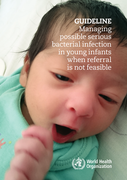
Managing possible serious bacterial infection in young infants when referral is not feasible
recommended
It provides guidance on care for use in resource-limited settings or in settings where families with sick young infants do not accept or cannot access referral care, but can be managed in outpatient
...
settings by an appropriately trained health worker. The guideline seeks to provide programmatic guidance on the role of CHWs and home visits in identifying signs of serious infections in neonates and young infants.
more

This progress report reflects achievements made during the first year of implementation (through December 2016), as countries have taken actions in line with new or existing national strategies. The most recent data on country progress in 2016 are b
...
ased on country-reported data and country-developed models using Spectrum software that were reported to UNAIDS in 2017.
more

Areas for action include: increasing prioritisation and awareness of dementia; reducing the risk of dementia; diagnosis, treatment and care; suppor
...
t for dementia carers; strengthening information systems for dementia; and research and innovation.
more
This study complements the growing amount of research on the psychosocial impact of war on chil-dren in Sierra Leone by examining local perceptions of
...
child mental health, formal and informal care systems, help-seeking behaviour and stigma
Yoder et al. Int J Ment Health Syst (2016) 10:48 DOI 10.1186/s13033-016-0080-8
more

About one fourth of the world’s population is estimated to have been infected with the tuberculosis (TB) bacilli, and about 5–10% of those infected develop TB disease in their lifetime. The risk
...
for TB disease after infection depends on several factors, the most important being the person’s immunological status. TB preventive treatment (TPT) given to people at highest risk of progressing from TB infection to disease remains a critical element to achieve the global targets of the End TB Strategy, as reiterated by the second UN High Level Meeting on TB in 2023. Delivering TPT effectively and safely necessitates a programmatic approach to implement a comprehensive package of interventions along a cascade of care: identifying individuals at highest risk, screening for TB and ruling out TB disease, testing for TB infection, and choosing the preventive treatment option that is best suited to an individual, managing adverse events, supporting medication adherence and monitoring programmatic performance
more

This policy brief presents a summary of current evidence on vulnerability to TB and proposes interventions for equitable, person-centred, and human rights-based TB prevention and care. It aligns wit
...
h WHO policies and guidance on TB prevention and screening, management of TB and comorbidities, access to health care, universal health coverage, determinants of TB, TB-associated impairment and disability, social protection, as well as ethics, equity and human rights.
more

WHO guideline on HIV service delivery
recommended
Updated guidance on the integration of diabetes, hypertension and mental health services, and interventions to support adherence to antiretroviral therapy. The guideline offers practical implementation guidance for countries and key stakeholders as
...
well as outlining key research gaps. As life expectancy for people living with HIV continues to increase, managing noncommunicable diseases, mental health, and adherence to antiretroviral therapy is essential to sustaining treatment success, quality of life, and engagement in care. A life course approach addresses these needs from childhood through older age. Service integration supports more person-centred, coordinated care across the life course.
more

Consolidated guidelines on person-centred HIV strategic information: strengthening routine data for impact
recommended
These guidelines focus on the collection and use of person-centred data across the HIV cascade – from prevention, testing and treatment to longer-term health care – building upon 2017 and 2020 s
...
trategic information guidelines. The updated guidelines present a standard minimum dataset, priority indicators and recommendations to strengthen data use across HIV prevention, testing and treatment, and linkages to services for sexually transmitted infections, viral hepatitis, tuberculosis and cervical cancer. The guidelines also cover the use of routinely collected data for HIV surveillance (including measurement of HIV prevalence and incidence) and emphasize the use of data from different sources to gain a better picture of epidemiologic trends.
more
At least half of the world’s population does not have full coverage of essential health services. Health expenses push more than 100 million people into extreme poverty each and every year, forcin
...
g them into terrible choices that no one should ever have to make: Buy medicine or food? Education or health care? These stark statistics make the case for universal health coverage compelling.
more

Int. J. Environ. Res. Public Health 2018, 15(12), 2626; https://doi.org/10.3390/ijerph15122626
Climate change is increasing risks to human health and to the health systems that seek to protect the safety and well-being of populations. Health autho
...
rities require information about current associations between health outcomes and weather or climate, vulnerable populations, projections of future risks and adaptation opportunities in order to reduce exposures, empower individuals to take needed protective actions and build climate-resilient health systems. An increasing number of health authorities from local to national levels seek this information by conducting climate change and health vulnerability and adaptation assessments. While assessments can provide valuable information to plan for climate change impacts, the results of many studies are not helping to build the global evidence-base of knowledge in this area. They are also often not integrated into adaptation decision making, sometimes because the health sector is not involved in climate change policy making processes at the national level. Significant barriers related to data accessibility, a limited number of climate and health models, uncertainty in climate projections, and a lack of funding and expertise, particularly in developing countries, challenge health authority efforts to conduct rigorous assessments and apply the findings. This paper examines the evolution of climate change and health vulnerability and adaptation assessments, including guidance developed for such projects, the number of assessments that have been conducted globally and implementation of the findings to support health adaptation action. Greater capacity building that facilitates assessments from local to national scales will support collaborative efforts to protect health from current climate hazards and future climate change. Health sector officials will benefit from additional resources and partnership opportunities to ensure that evidence about climate change impacts on health is effectively translated into needed actions to build health resilience.
more
This module has been developed to provide training and guidance to improve the quality of care and human rights conditions in inpatient, outpatient and community based mental health and related serv
...
ices, following the conduct of a comprehensive assessment using the WHO QualityRights assessment toolkit.
more
The European Mental Health Action Plan 2013–2020
recommended
Mental disorders are one of the top public health challenges in the WHO European Region, affecting about 25% of the population every year. In all countries, mental health problems are much more prev
...
alent among the people who are most deprived. The WHO European Region therefore faces diverse challenges affecting both the mental well-being of the population and the provision and quality of care for people with mental health problems.
The European Mental Health Action Plan focuses on seven interlinked objectives and proposes effective action to strengthen mental health and well-being. Investing in mental health is essential for the sustainability of health and socioeconomic policies in the European Region. The Action Plan corresponds to the four priority areas of the European policy framework for health and wellbeing, Health 2020, and will contribute directly to its implementation.
more
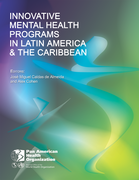
Innovative Mental Health Programs in Latin America & The Carribbean
Caldas de Almeida, José Miguel (ed.) & Cohen, Alex (ed.).
Pan American Health Organization
(2008)
C_WHO
In the last quarter century, several projects emerged to reform mental health services in Latin American and Caribbean countries. Some did not survive the difficulties that inevitably arise in processes of change, and ended up disappearing before th
...
e intended changes could be introduced. Others, however, as shown in this publication, were able to overcome difficulties and meet intended objectives, effectively transforming the structure and quality of services. All these projects, including the many that did not survive, were part of one of the richest experiences in the transformation of mental health care worldwide - the experience of mental health reform in Latin America and the Caribbean
more

Access to NCD medicines: emergent issues during the COVID-19 pandemic and key structural factors
recommended
The coronavirus disease (COVID-19) pandemic exacerbated pre-existing inequalities in the treatment and care of noncommunicable diseases (NCDs). This report examines the effect
...
of the COVID-19 pandemic on access to NCD medicines, and the policies and strategies implemented by countries and health systems to anticipate and mitigate stresses across NCD medicine supply chains. The full range of upstream and downstream impacts are investigated, including: manufacturing; procurement, importation and last mile delivery; patient-level effects through affordability and availability; and the effects on NCD medicine availability by category of disease. The report culminates in recommended actions and interventions for key stakeholders in the NCD pharmaceutical supply chain, including governments, regulatory authorities, manufacturers and the private sector; as well as directions for future research for improving access and supply chain access resilience.
more

The African Regional Convening of the Global Initiative to Support Parents (GISP) stimulated the interest or engagement of almost 1500 individuals from 742 unique organizations in the fields
...
of health, education, social welfare, women’s affairs, early childhood, water and sanitation, mental health, violence prevention, innovative finance, climate, and many others. The convening united representatives across governments, civil society organizations, programme implementers, philanthropies, multilateral organizations, bilateral funders, private companies, universities, schools and day care centres, and hospitals around the common cause of supporting parents and caregivers.
more

The coronavirus disease (COVID-19) pandemic exacerbated pre-existing inequalities in the treatment and care of noncommunicable diseases (NCDs). This report examines the effect
...
of the COVID-19 pandemic on access to NCD medicines, and the policies and strategies implemented by countries and health systems to anticipate and mitigate stresses across NCD medicine supply chains. The full range of upstream and downstream impacts are investigated, including: manufacturing; procurement, importation and last mile delivery; patient-level effects through affordability and availability; and the effects on NCD medicine availability by category of disease. The report culminates in recommended actions and interventions for key stakeholders in the NCD pharmaceutical supply chain, including governments, regulatory authorities, manufacturers and the private sector; as well as directions for future research for improving access and supply chain access resilience.
more

he UNFPA “Programmatic guidelines: Cash and Voucher Assistance in Sexual and Reproductive Health programming in Emergencies” explains how CVA can be effectively integrated into humanitarian responses to help women, girls, and other vulnerable groups access lifesaving and comprehensive SRH servic
...
es. Rooted in UNFPA’s mandate, this document provides practical direction for designing, implementing, and monitoring CVA within SRH programming.
The guidance highlights the barriers that hinder access to SRH care, such as affordability, availability, acceptability, and appropriateness, and illustrates how CVA can address financial obstacles by covering transport, user fees, or other indirect costs, while reinforcing health system strengthening efforts. CVA is presented as a complementary tool that supports both emergency and long-term SRH goals. Within humanitarian emergencies, it can contribute directly to achieving MISP objectives, including:
Enabling survivors of sexual violence to access clinical and psychosocial care;
Supporting the continuation of HIV and STI treatment, including coverage of transport;
Facilitating safe deliveries and emergency obstetric and newborn care; and
Removing financial barriers to voluntary family planning and contraceptive access, while ensuring informed choice and avoiding coercion.
Beyond the MISP, CVA also supports the transition to comprehensive SRH services in protracted emergencies and recovery phases. Examples include using cash or vouchers to encourage antenatal and postnatal care, ensure menstrual hygiene, sustain cancer prevention and treatment, fund obstetric fistula repair, and promote SRH education among adolescents.
more
