
Filter
2918
Text search:
disability
research
Featured
273
655
Language
2784
98
82
62
40
29
21
16
7
5
4
4
4
4
3
3
3
3
3
3
3
3
2
2
2
2
2
2
2
2
2
2
2
2
2
2
2
2
2
1
1
1
1
1
1
1
1
1
1
1
1
1
1
1
Document type
1660
549
305
178
121
47
36
11
6
2
2
1
Countries
157
136
79
60
58
57
55
50
49
48
43
43
43
36
33
33
32
30
30
29
28
26
24
24
23
21
20
19
18
17
16
15
13
12
11
11
11
10
10
10
9
8
7
7
7
7
7
6
6
6
5
5
5
5
5
5
5
5
5
5
5
4
4
4
4
4
3
3
3
3
3
3
3
3
3
3
2
2
2
2
2
2
2
2
2
2
2
2
2
2
2
1
1
1
1
1
1
1
1
1
1
1
1
1
1
1
1
1
1
1
1
1
1
1
1
1
1
1
1
1
1
Authors & Publishers
380
134
100
93
83
54
53
51
46
31
28
22
21
20
20
19
18
17
16
16
13
13
12
12
11
11
11
10
10
10
9
9
9
9
9
8
8
8
8
8
8
7
7
7
7
7
7
6
6
6
6
6
6
6
6
6
6
6
6
6
6
6
5
5
5
5
5
5
5
5
5
5
5
5
5
5
5
5
5
4
4
4
4
4
4
4
4
4
4
4
4
4
4
4
4
4
4
4
4
4
4
4
4
4
4
4
4
4
4
4
4
4
3
3
3
3
3
3
3
3
3
3
3
3
3
3
3
3
3
3
3
3
3
3
3
3
3
3
3
3
3
3
3
3
3
3
3
3
3
3
3
3
3
3
3
3
3
3
3
3
3
3
3
3
3
3
3
3
3
3
3
3
3
3
3
3
3
2
2
2
2
2
2
2
2
2
2
2
2
2
2
2
2
2
2
2
2
2
2
2
2
2
2
2
2
2
2
2
2
2
2
2
2
2
2
2
2
2
2
2
2
2
2
2
2
2
2
2
2
2
2
2
2
2
2
2
2
2
2
2
2
2
2
2
2
2
2
2
2
2
2
2
2
2
2
2
2
2
2
2
2
2
2
2
2
2
2
2
2
2
2
2
2
2
2
2
2
2
2
2
2
2
2
2
2
2
2
2
2
2
2
2
2
2
2
2
2
2
2
2
2
2
2
2
2
2
2
2
2
2
2
2
2
2
2
2
2
2
2
2
2
2
2
2
2
2
2
2
2
2
2
2
2
2
1
1
1
1
1
1
1
1
1
1
1
1
1
1
1
1
1
1
1
1
1
1
1
1
1
1
1
1
1
1
1
1
1
1
1
1
1
1
1
1
1
1
1
1
1
1
1
1
1
1
1
1
1
1
1
1
1
1
1
1
1
1
1
1
1
1
1
1
1
1
1
1
1
1
1
1
1
1
1
1
1
1
1
1
1
1
1
1
1
1
1
1
1
1
1
1
1
1
1
1
1
1
1
1
1
1
1
1
1
1
1
1
1
1
1
1
1
1
1
1
1
1
1
1
1
1
1
1
1
1
1
1
1
1
1
1
1
1
1
1
1
1
1
1
1
1
1
1
1
1
1
1
1
1
1
1
1
1
1
1
1
1
1
1
1
1
1
1
1
1
1
1
1
1
1
1
1
1
1
1
1
1
1
1
1
1
1
1
1
1
1
1
1
1
1
1
1
1
1
1
1
1
1
1
1
1
1
1
1
1
1
1
1
1
1
1
1
1
1
1
1
1
1
1
1
1
1
1
1
1
1
1
1
1
1
1
1
1
1
1
1
1
1
1
1
1
1
1
1
1
1
1
1
1
1
1
1
1
1
1
1
1
1
1
1
1
1
1
1
1
1
1
1
1
1
1
1
1
1
1
1
1
1
1
1
1
1
1
1
1
1
1
1
1
1
1
1
1
1
1
1
1
1
1
1
1
1
1
1
1
1
1
1
1
1
1
1
1
1
1
1
1
1
1
1
1
1
1
1
1
1
1
1
1
1
1
1
1
1
1
1
1
1
1
1
1
1
1
1
1
1
1
1
1
1
1
1
1
1
1
1
1
1
1
1
1
1
1
1
1
1
1
1
1
1
1
1
1
1
1
1
1
1
1
1
1
1
1
1
1
1
1
1
1
1
1
1
1
1
1
1
1
1
1
1
1
1
1
1
1
1
1
1
1
1
1
1
1
1
1
1
1
1
1
1
1
1
1
1
1
1
1
1
1
1
1
1
1
1
1
1
1
1
1
1
1
1
1
1
1
1
1
1
1
1
1
1
1
1
1
1
1
1
1
1
1
1
1
1
1
1
1
1
1
1
1
1
1
1
1
1
1
1
1
1
1
1
1
1
1
1
1
1
1
1
1
1
1
1
1
1
1
1
1
1
1
1
1
1
1
1
1
1
1
1
1
1
1
1
1
1
1
1
1
1
1
1
1
1
1
1
1
1
1
1
1
1
1
1
1
1
1
1
1
1
1
1
1
1
1
1
1
1
1
1
1
1
1
1
1
1
1
1
1
1
1
1
1
1
1
1
1
1
1
1
1
1
1
1
1
1
1
1
1
1
1
1
1
1
1
1
1
1
1
1
1
1
1
1
1
1
1
1
1
1
1
1
1
1
1
1
1
1
1
1
1
1
1
1
1
1
1
1
1
1
1
1
1
1
1
1
1
1
1
1
1
1
1
1
1
1
1
1
1
1
1
1
1
1
1
1
1
1
1
1
1
1
1
1
1
1
1
1
1
1
1
1
1
1
1
1
1
1
1
1
1
1
1
1
1
1
1
1
1
1
1
1
1
1
1
1
1
1
1
1
1
1
1
1
1
1
1
1
1
1
1
1
1
1
1
1
1
1
1
1
1
1
1
1
1
1
1
1
1
1
1
1
1
1
1
1
1
1
1
1
1
1
1
1
1
1
1
1
1
1
1
1
1
1
1
1
1
1
1
1
1
1
1
1
1
1
1
1
1
1
1
1
1
1
1
1
1
1
1
1
1
1
1
1
1
1
1
1
1
1
1
1
1
1
1
1
1
1
1
1
1
1
1
1
1
1
1
1
1
1
1
1
1
1
1
1
1
1
1
1
1
1
1
1
1
1
1
1
1
1
1
1
1
1
1
1
1
1
1
1
1
1
1
1
1
1
1
1
1
1
1
1
1
1
1
1
1
1
1
1
1
1
1
1
1
1
1
1
1
1
1
1
1
1
1
1
1
1
1
1
1
1
1
1
1
1
1
1
1
1
1
1
1
1
1
1
1
1
1
1
1
1
1
1
1
1
1
1
1
1
1
1
1
1
1
1
1
1
1
1
1
1
1
1
1
1
1
1
1
1
1
1
1
1
1
1
1
1
1
1
1
1
1
1
1
1
1
1
1
1
1
1
1
1
1
1
1
1
1
1
1
1
1
1
1
1
1
1
1
1
1
1
1
1
1
1
1
1
1
1
1
1
1
1
1
1
1
1
1
1
1
1
1
1
1
1
1
1
1
1
1
1
1
1
1
1
1
1
1
1
1
1
1
1
1
1
1
1
1
1
1
1
1
1
1
1
1
1
1
1
1
1
1
1
1
1
1
1
1
1
1
1
1
1
1
1
1
1
1
1
1
1
1
1
1
1
1
1
1
1
1
1
1
1
1
1
1
1
1
1
1
1
1
1
1
1
1
1
1
1
1
1
1
1
1
1
1
1
1
1
1
1
1
1
1
1
1
1
1
1
1
1
1
1
1
1
1
1
1
1
1
1
1
1
1
1
1
1
1
1
1
1
1
1
1
1
1
1
1
1
1
1
1
1
1
1
1
1
1
1
1
1
1
1
1
1
1
1
1
1
1
1
1
1
1
1
1
1
1
1
1
1
1
1
1
1
1
1
1
1
1
1
1
1
1
1
1
1
1
1
1
1
1
1
1
1
1
1
1
1
1
1
1
1
1
1
1
1
1
1
1
1
1
1
1
1
1
1
1
1
1
1
1
1
1
1
1
1
1
1
1
1
1
1
1
1
1
1
1
1
1
1
1
1
1
1
1
1
1
1
1
1
1
1
1
1
1
1
1
1
1
1
1
1
1
1
1
1
1
1
1
1
1
1
1
1
1
1
1
1
1
1
1
1
1
1
1
1
1
1
1
1
1
1
1
1
1
1
1
1
1
1
1
1
1
1
1
1
1
1
1
1
1
1
1
1
1
1
1
1
1
1
1
1
1
1
1
1
1
1
1
1
1
1
1
1
1
1
1
1
1
1
1
1
1
1
1
1
1
1
1
1
1
1
1
1
1
1
1
1
1
1
1
1
1
1
1
1
1
1
1
1
1
1
1
1
1
1
1
1
1
1
1
1
1
1
1
1
1
1
1
1
1
1
1
1
1
1
1
1
1
1
1
1
1
1
1
1
1
1
1
1
1
1
1
1
1
1
1
1
1
1
1
1
1
1
1
1
1
1
1
1
1
1
1
1
1
1
1
1
1
1
1
1
1
1
1
1
1
1
1
1
1
1
1
1
1
1
1
1
1
1
1
1
1
1
1
1
1
1
1
1
1
1
1
1
1
1
1
1
1
1
1
1
1
1
1
1
1
1
1
1
1
1
1
1
1
1
1
1
1
1
1
1
1
1
1
1
1
1
1
1
1
1
1
1
1
1
1
1
1
1
1
1
1
1
1
1
1
1
1
1
1
1
1
1
1
1
1
1
1
1
1
1
1
1
1
1
1
1
1
1
1
1
1
1
1
1
1
1
1
1
1
1
1
1
1
1
1
1
1
1
1
1
1
1
1
1
1
1
1
1
1
1
1
1
1
1
1
1
1
1
1
1
1
1
1
1
1
1
1
1
1
1
1
1
1
1
1
1
1
1
1
1
1
1
1
1
1
1
1
1
1
1
1
1
1
1
1
1
1
1
1
1
1
1
1
1
1
1
1
1
1
1
1
1
1
1
1
1
1
1
1
1
1
1
1
1
1
1
1
1
1
1
1
1
1
1
1
1
1
1
1
1
1
1
1
1
1
1
1
1
1
1
1
1
1
1
1
1
1
1
1
1
1
1
1
1
1
1
1
1
1
1
1
1
1
1
1
1
1
1
1
1
1
1
1
1
1
1
1
1
1
1
1
1
1
1
1
1
1
1
1
1
1
1
1
1
1
1
1
1
1
1
1
1
1
1
1
1
1
1
1
1
1
1
1
1
1
1
1
1
1
1
1
1
1
1
1
1
1
1
1
1
1
1
1
1
1
1
1
1
1
1
1
1
1
1
1
1
1
1
1
1
1
1
1
1
1
1
1
1
1
1
1
1
1
1
1
1
1
1
1
1
1
1
1
1
1
1
1
1
1
1
1
1
1
1
1
1
1
1
1
1
1
1
1
1
1
1
1
1
1
1
1
1
1
1
1
1
1
1
1
1
1
1
1
1
1
1
1
1
1
1
1
1
1
1
1
1
1
1
1
1
1
1
1
1
1
1
1
1
1
1
1
1
1
1
1
1
1
1
1
1
1
1
1
1
1
1
1
1
1
1
1
1
1
1
1
1
1
1
1
1
1
1
1
1
1
1
1
1
1
1
1
1
1
1
1
1
1
1
1
1
1
1
1
1
1
1
1
1
1
1
1
1
1
1
1
1
1
1
1
1
1
1
1
1
1
1
1
1
1
1
1
1
1
1
1
1
1
1
1
1
1
1
1
1
1
1
1
1
1
1
1
1
1
1
1
1
1
1
1
1
1
1
1
1
1
1
1
1
1
1
1
1
1
1
1
1
1
1
1
1
1
1
1
1
1
1
1
1
1
1
1
1
1
1
1
1
1
1
1
1
1
1
1
1
1
1
1
1
1
1
1
1
1
1
1
1
1
1
1
1
1
1
1
1
1
1
1
1
1
1
1
1
1
1
1
1
1
1
1
1
1
1
1
1
1
1
1
1
1
1
1
1
1
1
1
1
1
1
1
1
1
1
1
1
1
1
1
1
1
1
1
1
1
1
1
1
1
1
1
1
1
1
1
1
1
1
1
1
1
1
1
1
1
1
1
1
1
1
1
1
1
1
1
1
1
1
1
1
1
1
1
1
1
1
1
1
1
1
1
1
1
1
1
1
1
1
1
1
1
1
1
1
1
1
1
1
1
1
1
1
1
1
1
1
1
1
1
1
1
1
1
1
1
1
1
1
1
1
1
1
1
1
1
1
1
1
1
1
1
1
1
1
1
1
1
1
1
1
1
1
1
1
1
1
1
1
1
1
1
1
1
1
1
1
1
1
1
1
1
1
1
1
1
1
1
1
1
1
1
1
1
1
1
1
1
1
1
1
1
1
1
1
1
1
1
1
1
1
1
Publication Years
813
1827
265
13
Category
976
228
211
190
155
41
11
2
Toolboxes
479
432
171
143
100
86
85
74
67
59
56
47
37
32
26
25
21
19
16
14
14
10
8
2
1
The chapter Dementia in Latin America and the Caribbean: Prevalence, Incidence, Impact, and Trends over Time, is part of the publication series titled “Decade of Healthy Aging: situation and challenges”. This document aims to provide an outline of the current situation in Latin America and the C
...
aribbean in respect of the prevalence and incidence of dementia and its impact on the health status of older people. As dementia is a significant global health problem which also has social and economic impacts this document highlights the importance of monitoring dementia in the region. The document evidences that dementia is one of the main contributors to dependence and disability in older people in Latin America and the Caribbean and, although its prevalence and incidence increase exponentially with age, it is not part of normal aging. Alzheimer’s disease is the most common dementia, and there is no cure for this condition, but with timely diagnosis is possible to ameliorate symptoms. It is important to assess what are the needs of people leaving with dementia and their families and to integrate dementia risk reduction strategies in pre-existing strategies for other non-communicable diseases. As shown in the report, despite the huge burden dementia is still underdiagnosed, and it is fundamental to better monitor its prevalence, incidence and the different societal impact that dementia can have. For that, it is crucial to promote the use of harmonized methodologies to address this information in a broader number of studies and countries in the region. This can contribute to the generation of direct actions to decrease dementia risk and lead to healthier lives for people with dementia and their families.
more
The burden of diabetes is enormous, positioning it as one of the main challenges facing public health today. Currently, it is estimated that 62 million people are living with diabetes in the Region of the Americas and projections show its prevalence will continue rising over the following years. The
...
Region shows the highest number of years of healthy life lost (through either disability or premature death) due to diabetes worldwide. The high costs associated with its treatment produce a heavy economic burden. Its complications can seriously affect the quality of life of people living with diabetes, their families, and society and overload health systems. This report shows the latest internationally comparable data on diabetes and its main risk factors by year, country, and sex.
more
Climate-induced water insecurity poses one of the biggest threats to humanity and will lead to more hunger, disease and displacement
Oxfam water engineers are having to drill deeper, more expensive and harder-to-maintain water boreholes used by some of the poorest communities around the world, mo
...
re often now only to find dry, depleted or polluted reservoirs.
Today, during World Water Week, Oxfam publishes the first of its series of reports, “Water Dilemmas”, about the growing water crisis, in large part driven by global heating from greenhouse gas emissions. The report describes how climate change will impact water security in different regions, leading to more hunger, disease and displacement.
Carlos Calderon, Humanitarian Advocacy and Partnerships Lead for Oxfam Aotearoa said, “This new Oxfam research is focused on the global Water, Sanitation and Hygiene (WaSH) situation, but it paints a picture that illustrates the complexity of elements that, combined, will continue to increasingly affect women, girls, boys and men in the decades to come. Changing weather, poverty, inequality, gender-based violence, political instability and conflicts are impacting the availability and quality of adequate water systems. All governments, particularly those from rich countries, should responsively take action at a global scale. The clock is ticking. Our children will judge us for our actions today, or for the lack of them.”
more
Financing Global Health 2014 is the sixth edition of this annually produced report on global health financing. As in previous years, this report captures trends in development assistance for health (DAH) and government health expenditure (GHE). Health financing is one of IHME’s core
...
research areas, and the aim of the series is to provide much-needed information to global health stakeholders. Updated GHE and DAH estimates allow decision-makers to pinpoint funding gaps and investment opportunities vital to improving population health. This year, IHME made a number of improvements to the data collection and methods implemented to produce Financing Global Health estimates. Both government health expenditure and development assistance for health estimates were updated and enhanced in 2013.
more

The burden of diabetes is enormous, positioning it as one of the main challenges facing public health today. Currently, it is estimated that 62 million people are living with diabetes in the Region of the Americas and projections show its prevalence will continue rising over the following years. The
...
Region shows the highest number of years of healthy life lost (through either disability or premature death) due to diabetes worldwide. The high costs associated with its treatment produce a heavy economic burden. Its complications can seriously affect the quality of life of people living with diabetes, their families, and society and overload health systems. This report shows the latest internationally comparable data on diabetes and its main risk factors by year, country, and sex. It also includes a summary of the countries health systems’ response to diabetes, including national plans, targets, surveillance, guidelines, and access to essential drugs and technologies, and synthesizes information about diabetes-related complications and the close relationship between diabetes and other pathologies, such as cardiovascular diseases, tuberculosis, and COVID-19. The data presented here reveal that, despite advances in national responses, diabetes continues to expand, and our response remains insufficient. This report aims to draw attention to the urgent need to strengthen efforts to prevent, diagnose, and control diabetes in the Region of the Americas.
more
The article discusses the significant impact of chronic obstructive pulmonary disease (COPD) as a global health issue, with cigarette smoking as the main risk factor. However, in developing countries, the causes of COPD are often multifactorial, involving environmental tobacco smoke, biomass fuel sm
...
oke, dust, fumes, childhood illnesses, and tuberculosis (TB). Up to half of COPD patients in these regions are non-smokers. The article emphasizes that while smoking is crucial, other risk factors contribute significantly to COPD, particularly in low- and middle-income countries. It highlights the need for targeted research and public health strategies to address these diverse contributors to COPD, especially in Africa.
more
Asthma is the most common chronic disease in children, imposing a consistent burden on health system. In recent years, prevalence of asthma symptoms became globally increased in children and adolescents, particularly in Low-Middle Income Countries (LMICs). Host (genetics, atopy) and environmental fa
...
ctors (microbial exposure, exposure to passive smoking and air pollution), seemed to contribute to this trend. The increased prevalence observed in metropolitan areas with respect to rural ones and, overall, in industrialized countries, highlighted the role of air pollution in asthma inception. Asthma accounts for 1.1% of the overall global estimate of “Disability-adjusted life years” (DALYs)/100,000 for all causes. Mortality in children is low and it decreased across Europe over recent years. Children from LMICs particularly suffer a disproportionately higher burden in terms of morbidity and mortality. Global asthma-related costs are high and are usually are classified into direct, indirect and intangible costs. Direct costs account for 50–80% of the total costs. Asthma is one of the main causes of hospitalization which are particularly common in children aged < 5 years with a prevalence that has been increased during the last two decades, mostly in LMICs. Indirect costs are usually higher than in older patients, including both school and work-related losses. Intangible costs are unquantifiable, since they are related to impairment of quality of life, limitation of physical activities and study performance. The implementation of strategies aimed at early detect asthma thus providing access to the proper treatment has been shown to effectively reduce the burden of the disease.
more

Antimicrobials are medicines, including antibiotics, antivirals, antifungals, and antiparasitics, that are used to prevent and treat infections in humans, animals, and plants. Antimicrobial Resistance (AMR) arises when bacteria, viruses, fungi, and parasites no longer respond to these medicines, ren
...
dering them ineffective and making infections more difficult to treat. This resistance increases the risk of disease spread, severe illness, disability, and death. Although AMR is a natural phenomenon driven by genetic
changes in pathogens, it is significantly accelerated by human activities such as the misuse and overuse of antimicrobials in healthcare, agriculture, and animal husbandry.
more

The guidelines are primarily intended for health-care professionals working in first- or second-level health-care facilities, including emergency, inpatient and outpatient services. They are also directed at policy-makers, health-care planners and programme managers, academic institutions, non-gover
...
nmental and civil society organizations to inform capacity-building, teaching and research agendas.
Web annex A provides the quantitative evidence reports, Web annex B summarizes the qualitative and economic evidence and Web annex C presents the Evidence-to-Decision frameworks.
more
WHO guidelines on meningitis diagnosis, treatment and care. Web Annex C. Evidence-to-Decision frameworks
recommended
The guidelines are primarily intended for health-care professionals working in first- or second-level health-care facilities, including emergency, inpatient and outpatient services. They are also directed at policy-makers, health-care planners and programme managers, academic institutions, non-gover
...
nmental and civil society organizations to inform capacity-building, teaching and research agendas.
Web annex A provides the quantitative evidence reports, Web annex B summarizes the qualitative and economic evidence and Web annex C presents the Evidence-to-Decision frameworks.
more

This policy brief presents a summary of current evidence on vulnerability to TB and proposes interventions for equitable, person-centred, and human rights-based TB prevention and care. It aligns with WHO policies and guidance on TB prevention and screening, management of TB and comorbidities, access
...
to health care, universal health coverage, determinants of TB, TB-associated impairment and disability, social protection, as well as ethics, equity and human rights.
more

Access to safe, effective and quality-assured health products and technologies is crucial for achieving universal health coverage and primary health care goals. The continued growth of the aging population; increasing burden of noncommunicable diseases; growing burden of mental health issues; climat
...
e change; shifting patterns of vector borne diseases, fungal disease and waterborne diseases; antimicrobial resistance; and new infectious hazards create an ongoing need for equitable access to safe, effective and quality-assured health products and technologies, and renewed investments in research and development for innovative health products and technologies.
The coronavirus pandemic exposed the inequalities in access to health products, highlighting the need for longer-term strategies to strengthen access to health products and technologies outside of and in emergency situations. While technological and scientific advances present an opportunity to increase access to health products and technologies, the risk of increasing inequality due to higher prices for new health products and technologies; the persisting problem of substandard and falsified medical products; a lack of skilled workforce in many low- and middle-income countries; and a lack of data for decisionmaking and for measuring progress present significant challenges.
more

Noncommunicable diseases (NCDs) (e.g., cardiovascular diseases, cancers, diabetes, and chronic respiratory diseases) and mental health conditions (e.g., Alzheimer’s disease and related dementias, depression, anxiety, autism spectrum disorders) are the world’s leading cause of preventable illness
...
, disability, and death. This report examines the dangers posed by current and rising rates of noncommunicable diseases and mental health conditions (NMHs) in South America, beyond their health risks, by demonstrating their considerable negative impact on economic growth. An analytical model was developed that projects the macroeconomic effects of NMHs over the period 2020–2050 in ten South American countries: Argentina, Bolivia (Plurinational State of), Brazil, Chile, Colombia, Ecuador, Paraguay, Peru, Uruguay, and Venezuela. The results showed that the macroeconomic impact of NMHs in South America indicates significant economic shortfalls resulting from NMHs. Overall, the total GDP loss due to NMHs in South America amounts to USD 7.3 trillion (2022 international USD) over the period 2020–2050
more

In the absence of a such a measure, and building on the success of developing the APCA African
Palliative Outcome Scale (POS) for adults, the African Palliative Care Association has developed the
APCA African Children’s POS. The tool has been validated across diseases, countries, settings and
...
languages and used in both quality improvement and research studies. Moreover, feedback on the
tool from doctors and nurses who have used it has been very supportive, with providers perceiving
it as an easy-to-use instrument that helps them undertake holistic assessments that in part entail
discussing difficult issues.
This booklet is a practical guide intended to help users employ the APCA African POS correctly.
Following a discussion of the origins and background to the APCA African PPOS, the guide discusses
the measurement of outcomes, the development of the tool and its use (including the analysis of
collected data), before finishing with illustrative examples of the use of the questionnaire.
more

International Journal of Integrated Care, 2025; 25(2): 5, 1–12. DOI: https://doi.org/10.5334/ijic.8920. Community-based intervention support plays a crucial role in enhancing
the lives of orphans and vulnerable children in Africa. Community-based intervention
support needs to be integrated into
...
a wider social service system. Further research
focusing on the cost of community-based intervention support and successful
programs for mainstreaming community-based intervention into a wider social
system is needed.
more

This guidance addresses one type of generative AI, large multi-modal models (LMMs), which can accept one or more type of data input and generate diverse outputs that are not limited to the type of data fed into the algorithm. It has been predicted that LMMs will have wide use and application in heal
...
th care, scientific research, public health and drug development. LMMs are also known as “general-purpose foundation models”, although it is not yet proven whether LMMs can accomplish a wide range of tasks and purposes.
more

One of the main aims of the WHO Global Initiative for Childhood Cancer and the CureAll Americas framework is to strengthen centers of excellence and promote the training of the health workforce, especially pediatric oncology nurses, specialized in nursing care for children and adolescents with cance
...
r and their families. These health personnel provide compassionate, non traumatic, complex, continuous, ethical, conscious patient- and family-centered care in order to meet the physical, emotional, psychosocial, and cultural needs of the people involved. This publication is aimed at health administration teams, hospital management teams, and professional pediatric oncology nursing groups. Its objective is to identify, systematize, and consolidate available evidence on the scope of pediatric oncology nursing practice in Latin America and the Caribbean based on core competencies, in order to incorporate them into clinical practice, teaching, and research. The preparation process included a systematic review aimed at finding the best evidence on this subject. Patient- and family centered care and the conceptual model of competencies for teenagers and young adults with cancer, developed by the Teenage Cancer Trust with the support of the Royal College of Nursing, were the theoretical foundations supporting the systematization of recommendations.
more
AN ANALYSIS OF UNICEF MICS 3 SURVEY DATA FROM BANGLADESH, LAO PDR, MONGOLIA AND THAILAND
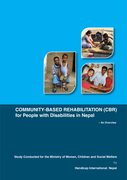
This study examines over 20 years of CBR implementation in Nepal. It includes an overview of CBR interventions, provides analysis of approaches and activities in terms of impact and sustainability and makes recommendations for future developments in CBR. This resource is useful for people interested
...
in CBR in Nepal
more

Challenging disadvantage in Zambia: People with psychosocial and intellectual disabilities in the criminal justice system
The PAN, the Mental Health Users Network Zambia (MHUNZA), the Prisons Care and Counselling Association (PRISCCA), et al.
Open Society Initiative for Southern Africa (OSISA)
(2015)
C1
