
Filter
2177
Text search:
barriers
to
inclusion
Featured
179
541
Language
2128
56
44
30
25
16
15
5
4
4
4
3
3
3
3
3
3
2
2
2
2
2
2
2
2
2
2
2
1
1
1
1
1
1
1
1
1
1
1
1
1
1
Document type
1173
426
249
127
116
33
32
10
5
2
1
1
Countries
125
58
57
56
52
50
43
40
40
38
37
36
31
29
25
24
23
22
22
22
20
20
20
18
17
16
15
13
13
12
12
11
11
11
11
10
9
9
9
8
8
8
7
7
7
7
7
7
6
6
6
5
5
5
5
5
5
4
4
4
4
4
4
3
3
3
3
3
3
3
3
2
2
2
2
2
2
2
2
2
2
2
2
2
2
2
2
2
1
1
1
1
1
1
1
1
1
1
1
1
1
1
1
1
1
1
1
1
1
1
1
1
Authors & Publishers
312
73
64
64
54
50
34
34
29
26
21
20
17
16
15
13
11
11
10
9
9
9
9
9
9
8
8
7
7
7
7
7
7
7
7
6
6
6
6
6
6
6
6
5
5
5
5
5
5
5
5
5
5
5
5
4
4
4
4
4
4
4
4
4
4
4
4
4
4
4
4
4
4
4
4
4
4
4
4
4
3
3
3
3
3
3
3
3
3
3
3
3
3
3
3
3
3
3
3
3
3
3
3
3
3
3
3
3
3
3
3
3
3
3
3
3
3
3
3
3
3
2
2
2
2
2
2
2
2
2
2
2
2
2
2
2
2
2
2
2
2
2
2
2
2
2
2
2
2
2
2
2
2
2
2
2
2
2
2
2
2
2
2
2
2
2
2
2
2
2
2
2
2
2
2
2
2
2
2
2
2
2
2
2
2
2
2
2
2
2
2
2
2
2
2
2
2
2
2
2
2
2
2
2
2
2
2
2
2
2
2
2
2
2
2
2
2
2
2
2
2
2
2
2
2
2
2
2
2
2
2
2
2
2
2
2
2
2
2
2
2
2
2
2
2
2
2
2
2
2
2
2
2
1
1
1
1
1
1
1
1
1
1
1
1
1
1
1
1
1
1
1
1
1
1
1
1
1
1
1
1
1
1
1
1
1
1
1
1
1
1
1
1
1
1
1
1
1
1
1
1
1
1
1
1
1
1
1
1
1
1
1
1
1
1
1
1
1
1
1
1
1
1
1
1
1
1
1
1
1
1
1
1
1
1
1
1
1
1
1
1
1
1
1
1
1
1
1
1
1
1
1
1
1
1
1
1
1
1
1
1
1
1
1
1
1
1
1
1
1
1
1
1
1
1
1
1
1
1
1
1
1
1
1
1
1
1
1
1
1
1
1
1
1
1
1
1
1
1
1
1
1
1
1
1
1
1
1
1
1
1
1
1
1
1
1
1
1
1
1
1
1
1
1
1
1
1
1
1
1
1
1
1
1
1
1
1
1
1
1
1
1
1
1
1
1
1
1
1
1
1
1
1
1
1
1
1
1
1
1
1
1
1
1
1
1
1
1
1
1
1
1
1
1
1
1
1
1
1
1
1
1
1
1
1
1
1
1
1
1
1
1
1
1
1
1
1
1
1
1
1
1
1
1
1
1
1
1
1
1
1
1
1
1
1
1
1
1
1
1
1
1
1
1
1
1
1
1
1
1
1
1
1
1
1
1
1
1
1
1
1
1
1
1
1
1
1
1
1
1
1
1
1
1
1
1
1
1
1
1
1
1
1
1
1
1
1
1
1
1
1
1
1
1
1
1
1
1
1
1
1
1
1
1
1
1
1
1
1
1
1
1
1
1
1
1
1
1
1
1
1
1
1
1
1
1
1
1
1
1
1
1
1
1
1
1
1
1
1
1
1
1
1
1
1
1
1
1
1
1
1
1
1
1
1
1
1
1
1
1
1
1
1
1
1
1
1
1
1
1
1
1
1
1
1
1
1
1
1
1
1
1
1
1
1
1
1
1
1
1
1
1
1
1
1
1
1
1
1
1
1
1
1
1
1
1
1
1
1
1
1
1
1
1
1
1
1
1
1
1
1
1
1
1
1
1
1
1
1
1
1
1
1
1
1
1
1
1
1
1
1
1
1
1
1
1
1
1
1
1
1
1
1
1
1
1
1
1
1
1
1
1
1
1
1
1
1
1
1
1
1
1
1
1
1
1
1
1
1
1
1
1
1
1
1
1
1
1
1
1
1
1
1
1
1
1
1
1
1
1
1
1
1
1
1
1
1
1
1
1
1
1
1
1
1
1
1
1
1
1
1
1
1
1
1
1
1
1
1
1
1
1
1
1
1
1
1
1
1
1
1
1
1
1
1
1
1
1
1
1
1
1
1
1
1
1
1
1
1
1
1
1
1
1
1
1
1
1
1
1
1
1
1
1
1
1
1
1
1
1
1
1
1
1
1
1
1
1
1
1
1
1
1
1
1
1
1
1
1
1
1
1
1
1
1
1
1
1
1
1
1
1
1
1
1
1
1
1
1
1
1
1
1
1
1
1
1
1
1
1
1
1
1
1
1
1
1
1
1
1
1
1
1
1
1
1
1
1
1
1
1
1
1
1
1
1
1
1
1
1
1
1
1
1
1
1
1
1
1
1
1
1
1
1
1
1
1
1
1
1
1
1
1
1
1
1
1
1
1
1
1
1
1
1
1
1
1
1
1
1
1
1
1
1
1
1
1
1
1
1
1
1
1
1
1
1
1
1
1
1
1
1
1
1
1
1
1
1
1
1
1
1
1
1
1
1
1
1
1
1
1
1
1
1
1
1
1
1
1
1
1
1
1
1
1
1
1
1
1
1
1
1
1
1
1
1
1
1
1
1
1
1
1
1
1
1
1
1
1
1
1
1
1
1
1
1
1
1
1
1
1
1
1
1
1
1
1
1
1
1
1
1
1
1
1
1
1
1
1
1
1
1
1
1
1
1
1
1
1
1
1
1
1
1
1
1
1
1
1
1
1
1
1
1
1
1
1
1
1
1
1
1
1
1
1
1
1
1
1
1
1
1
1
1
1
1
1
1
1
1
1
1
1
1
1
1
1
1
1
1
1
1
1
1
1
1
1
1
1
1
1
1
1
1
1
1
1
1
1
1
1
1
1
1
1
1
1
1
1
1
1
1
1
1
1
1
1
1
1
1
1
1
1
1
1
1
1
1
1
1
1
1
1
1
1
1
1
1
1
1
1
1
1
1
1
1
1
1
1
1
1
1
1
1
1
1
1
1
1
1
1
1
1
1
1
1
1
1
1
1
1
1
1
1
1
1
1
1
1
1
1
1
1
1
1
1
1
1
1
1
1
1
1
1
1
1
1
1
1
1
1
1
1
1
1
1
1
1
1
1
1
1
1
1
1
1
1
1
1
1
1
1
1
1
1
1
1
1
1
1
1
1
1
1
1
1
1
1
1
1
1
1
1
1
1
1
1
1
1
1
1
1
1
1
1
1
1
1
1
1
1
1
1
1
1
1
1
1
1
1
1
1
1
1
1
1
1
1
1
1
1
1
1
1
1
1
1
1
1
1
1
1
1
1
1
1
1
1
1
1
1
1
1
1
1
1
1
1
1
1
1
1
1
1
1
1
1
1
1
1
1
1
1
1
1
1
1
1
1
1
1
1
1
1
1
1
1
1
1
1
1
1
1
1
1
1
1
1
1
1
1
1
1
1
1
1
1
1
1
1
1
1
1
1
1
1
1
1
1
1
1
1
1
1
1
1
1
1
1
1
1
1
1
1
1
1
1
1
1
1
1
1
1
1
1
1
1
1
1
1
1
1
1
1
1
1
1
1
1
1
1
1
1
1
1
1
1
1
1
1
1
1
1
1
1
1
1
1
1
1
1
1
1
1
1
1
1
1
1
1
1
1
1
1
1
1
1
1
1
1
1
1
1
1
1
1
1
1
1
1
1
1
1
1
1
1
1
1
1
1
1
1
1
1
1
1
1
1
1
1
1
1
1
1
1
1
1
1
1
1
1
1
1
1
1
1
1
1
1
1
1
1
1
1
1
1
1
1
1
1
1
1
1
1
1
1
1
1
1
1
1
1
1
1
1
1
1
1
1
1
1
1
1
1
1
1
1
1
1
1
1
1
1
1
1
1
1
1
1
1
1
1
1
1
1
1
1
1
1
1
1
1
1
1
1
1
1
1
1
1
1
1
1
1
1
1
1
1
1
1
1
1
1
1
1
1
1
1
1
1
1
1
1
1
1
1
1
1
1
1
1
1
1
1
1
1
1
1
1
1
1
1
1
1
1
1
1
1
1
1
1
1
1
1
1
1
1
1
1
1
1
1
1
1
1
1
1
1
1
1
1
1
1
1
1
1
1
1
1
1
1
1
1
1
1
1
1
1
1
1
1
1
1
1
1
1
1
1
1
1
1
1
1
1
1
1
1
1
1
1
1
1
1
1
1
1
1
1
1
1
1
1
1
1
1
1
1
1
1
1
1
1
1
1
1
1
1
1
1
1
1
1
1
1
1
1
1
1
1
1
1
1
1
1
1
1
1
1
1
1
1
1
1
1
1
1
1
1
1
1
1
1
1
1
1
1
1
1
1
1
1
1
1
1
1
1
1
1
1
1
1
1
1
1
1
1
1
1
1
1
1
1
1
1
1
1
1
1
1
1
1
1
1
1
1
1
1
1
1
1
1
1
1
1
1
1
1
1
1
1
1
1
1
1
1
1
1
1
1
1
1
1
1
1
1
1
1
1
1
1
1
1
1
1
1
1
1
1
1
1
1
1
1
1
1
1
1
1
1
1
1
1
1
1
1
1
1
1
1
1
1
1
1
1
1
1
1
1
1
1
1
1
1
1
Publication Years
722
1318
134
2
1
Category
741
151
147
139
121
24
9
Toolboxes
384
208
156
103
88
77
74
67
54
49
48
45
37
31
22
21
21
18
18
16
9
5
3
3
2

Disability Inclusion | Published by Child Development & Rights and Sustainable Health on behalf of World Vision International.

Consultancy to conduct desk review on impact of national policies and programs on disability rights and develop an action plan to make existing policies and programs and legislation disability frien
...
dly
more
Aligned to the Lancet Migration Global Statement to include migrants and refugees incountries’response to COVID-19, this update focuses on Mexico
...
’s challenges and opportunities to build an inclusive response that is based on a contextualized adaptation of there commendations published by the Lancet Migration. A critical component for this analysis is the recognition of migration as a social determinant of health, which acts as a major risk factor for populations subjected to violence, trauma and forced exile while in the face of a global pandemic.
more

According to WHO, around 22% of adults in conflict settings have mental health conditions.
This is almost triple to non-conflict settings. There is no generally accepted estimate for children but i
...
t is clear that children who are refugees, IDPs or who live in conflict settings have high levels of mental health issues.
more
A Meand to enhancing HIV prevention in key populations. This document has been developed out of the increasing need to set up standards and procedures to
...
prevent and respond to violence against key populations.
more
Access to controlled medicines. 3rd edition

To identify and to assess factors enhancing or hindering the delivery of breast and cervical cancer screening services in Malawi with regard to acc
...
essibility, uptake, acceptability and effectiveness.
Systematic review of published scientific evidence. A search of six bibliographic databases and grey literature was executed to identify relevant studies conducted in Malawi in the English language, with no time or study design restrictions. Data extraction was conducted in Excel and evidence synthesis followed a thematic analysis approach to identify and compare emerging themes.
more
Consultancy to take forward the International Health Partnership
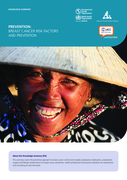
This summary covers the preventive approach to breast cancer control and includes prophylactic medications, prophylactic surgery and lifestyle modifications for breast cancer prevention. Health professional training and individual risk assessments a
...
nd counseling are also discussed.
more
In recent years, high prices of pharmaceutical products have posed challenges in high- and low-income countries alike. In many instances, high prices of pharmaceutical products have led to significant financial hardship for individuals and negativel
...
y impacted on healthcare systems’ ability to provide population-wide access to essential medicines.
Pharmaceutical pricing policies need to be carefully planned, carried out, and regularly checked and revised according to changing conditions. Strong, well-thought-out policies can guide well-informed and balanced decisions to achieve affordable access to essential health products.
This guideline replaces the 2015 WHO guideline on country pharmaceutical pricing policies, revised to reflect the growing body of literature since the last evidence review in 2010. This update also recognizes country experiences in managing the prices of pharmaceutical products.
more

The objectives of this guidance document are to:
1. Strengthen the capacity of country teams to effectively scale up and manage programmes to ... address severe acute malnutrition
2. Extend the geographic reach of quality treatment for SAM to all vulnerable communities in need
3. Maximize access to appropriate and quality treatment for SAM among all eligible children in the community at all times
4. Aid the formulation and implementation of national policies and strategies that support objectives 1 to 3
5. Aid the creation of an enabling environment that supports objectives 1 to 3 through advocacy, documentation of successful practices, support for operational research, mobilization of resources and collaboration with partners more
1. Strengthen the capacity of country teams to effectively scale up and manage programmes to ... address severe acute malnutrition
2. Extend the geographic reach of quality treatment for SAM to all vulnerable communities in need
3. Maximize access to appropriate and quality treatment for SAM among all eligible children in the community at all times
4. Aid the formulation and implementation of national policies and strategies that support objectives 1 to 3
5. Aid the creation of an enabling environment that supports objectives 1 to 3 through advocacy, documentation of successful practices, support for operational research, mobilization of resources and collaboration with partners more

COP24 special report: health and climate change
recommended
Exposure to air pollution causes 7 million deaths worldwide every year and costs an estimated US$ 5.11 trillion in welfare losses globally. In the 15 countries that emit the most greenhouse gas emissions, the health impacts of air pollution are esti
...
mated to cost more than 4% of their GDP. Actions to meet the Paris goals would cost around 1% of global GDP. The report provides recommendations for governments on how to maximize the health benefits of tackling climate change and avoid the worst health impacts of this global challenge.
It describes how countries around the world are now taking action to protect lives from the impacts of climate change – but that the scale of support remains woefully inadequate, particularly for the small island developing states, and least developed countries. Only approximately 0.5% of multilateral climate funds dispersed for climate change adaptation have been allocated to health projects
more
People experiencing social disadvantage and marginalization are known to be disproportionately impacted by ill-health. In the context of the COVID-19 pandemic, persons with disabilities may have increased risk for exposure, complications, and death
Aligned to the Lancet Migration Global Statementto include migrants and refugees incountries’response toCOVID-192, this brief focuses onGreece’s challenges and opportunities to build an inclusiv
...
e response. Asylum seekers and refugees in Greece are currently placed by the Greek governments in Reception and Identification Centres(RICs), apartments, hotels and camps across the Greek islands and the mainland, along with a proportion who are homeless. Currently there are six RICson the Greek islands: Vial on Chios island; Pyli on Kos island; Lepida on Leros island; Moria on Lesvos island; and Vathy on Samos, as well asan unofficial camp on Rhodes. Inaddition there are 18 camps in the northern mainland of Greece; 13 camps in the southern mainland of Greece and one in the southern peninsula (Peloponnese).
more
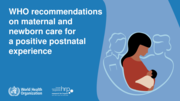
WHO recommendations on maternal and newborn care for a positive postnatal experience. Presentation
recommended
This guideline aims to improve the quality of essential, routine postnatal care for women and newborns with the ultimate goal of improving maternal and newborn health and well-being. It recognizes a “positive postnatal experience” as a significa
...
nt end point for all women giving birth and their newborns, laying the platform for improved short- and long-term health and well-being. A positive postnatal experience is defined as one in which women, newborns, partners, parents, caregivers and families receive information, reassurance and support in a consistent manner from motivated health workers; where a resourced and flexible health system recognizes the needs of women and babies, and respects their cultural context.
This is a consolidated guideline of new and existing recommendations on routine postnatal care for women and newborns receiving facility- or community-based postnatal care in any resource setting.
more

Access to health workers who are fit for purpose, motivated and protected is a fundamental force of health service delivery and the achievement of universal health coverage and the health and health-related Sustainable Development Goals. Data and kn
...
owledge of the distribution, skill mix and future development needs of the health workforce can mean the difference between enabling or impeding health systems performance, inclusive economic growth and global health security preparedness and response
more
This note provides information and practical guidance to support gender-based violence (GBV) practitioners to integrate attention to disability int
...
o GBV prevention, risk mitigation and response efforts during the COVID-19 pandemic. This document complements other resources relating to GBV and COVID-19 and assumes that the user is already familiar with common GBV prevention, risk mitigation and response approaches.
more
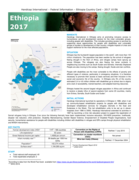
MANDATEHandicap International in Ethiopia aims at promotinginclusive access to humanitarian aid and development sectors for the most vulnerable groups, including people with disabilities. This includes providing access
...
to services by supporting equal opportunities for people with disabilities and vulnerable groups to access todevelopment of their country; mitigate impacts of crisis and support resilience for the most affected populations
more
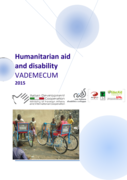
VADEMECUM | This Vademecum is intended to provide a benchmark for aid workers—whether working in the field or at a strategic level—in particular concerning the formulation and implementation of programmes of prevention or response
...
to humanitarian crises. It is not solely a theoretical document because, in addition to guiding principles, it also provides concrete examples of how to ensure protection of the rights of people with disabilities, including in terms of humanitarian aid. This Vademecum has been drafted in adherence to the UN Convention on the Rights of Persons with Disabilities, which has been in force since 2006 and which reaffirms the importance of protecting the safety of people with disabilities in dangerous situations.
more

Links to the Humanitarian Charter and international law
