
Filter
888
Text search:
National
Human
Rights
Commission
Featured
Recommendations
62
New Publications
226
Language
Document type
No document type
521
Studies & Reports
193
Guidelines
72
Strategic & Response Plan
40
Manuals
33
Fact sheets
11
Training Material
9
Situation Updates
5
Resource Platforms
4
Countries / Regions
Global
39
Western and Central Europe
35
India
26
Syria
23
Nepal
22
Sierra Leone
21
Malawi
21
Kenya
20
Latin America and the Carribbean
19
South Africa
17
Myanmar / Burma
17
Africa
17
Uganda
15
Ghana
14
Zambia
13
Nigeria
12
South Sudan
12
Liberia
11
Congo, Democratic Republic of
11
Venezuela
11
Ukraine
10
Ethiopia
8
Bangladesh
8
Lesotho
8
Asia
7
Philippines
6
Afghanistan
6
Rwanda
6
Indonesia
6
Eastern Europe
6
Guinea
5
Lebanon
5
Tanzania
5
Namibia
5
Pakistan
4
Cambodia
4
Middle East and North Africa
4
South–East Asia Region
4
Eastern Europe and Central Asia
4
Zimbabwe
3
Germany
3
Thailand
3
Mozambique
3
Sudan
3
Central African Republic
3
Brazil
3
Yemen
3
West and Central Africa
3
Senegal
2
Côte d’Ivoire / Ivory Coast
2
Cameroon
2
Niger
2
Chad
2
Benin
2
Eswatini/ Swaziland
2
North Macedonia
2
Colombia
2
Greece
2
Sri Lanka
2
East and Southern Africa
2
Bhutan
2
Albania
2
Tajikistan
2
Estonia
2
Moldova
2
Iran
2
Georgia
2
Burkina Faso
1
Mali
1
Morocco
1
Haiti
1
Somalia
1
Gambia
1
Mauritania
1
Papua New Guinea
1
Argentina
1
Peru
1
Hungary
1
Croatia
1
Burundi
1
Bolivia
1
Angola
1
Mexico
1
Western Pacific Region
1
Other region
1
Southern Africa
1
Laos
1
Russia
1
Lithuania
1
Uzbekistan
1
Kyrgyzstan
1
Kazakhstan
1
Jamaica
1
Denmark
1
Norway
1
Portugal
1
Authors & Publishers
Publication Years
Category
Countries
292
Key Resources
72
Public Health
50
Women & Child Health
45
Clinical Guidelines
28
Capacity Building
7
Pharmacy & Technologies
7
Toolboxes
Disability
92
HIV
75
Mental Health
70
COVID-19
55
Conflict
46
Planetary Health
43
Refugee
37
TB
28
Global Health Education
27
AMR
17
Ebola & Marburg
16
Caregiver
16
Health Financing Toolbox
16
Natural Hazards
11
NTDs
11
Rapid Response
9
NCDs
8
Pharmacy
7
2.0 Rapid Response
7
Polio
5
Specific Hazards
5
Social Ethics
4
Malaria
3
Typhoon
1
An Easy-Reference Guidebook for Healthcare Providers In Developed and Developing Countries

The military offensive by the Russian Federation in Ukraine which began February 2022 has triggered one of the world’s fastest-growing displacement and humanitarian crisis, with geopolitical and economic ripples felt across the globe. The ongoing war has caused large-scale disruptions to the deliv
...
This is one of seven Medical Peace Work cases.
Internally displaced persons (IDPs), refugees, migrants and returnees constitute a sizeable population in the WHO Eastern Mediterranean Region. There were 12 million refugees (half are Palestinians) and 13 million IDPs in the Region as of 2018. These populations are often vul
...

India | The ‘Standard Operating Procedures for Care, Protection and Rehabilitation of Children in Street Situations’, is a unique endeavour to streamline the processes and interventions regarding Children in Street Situations, based on the prevailing legal and policy framework.
Briefing Paper

Technical Brief

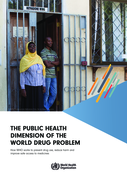
How WHO works to prevent drug use, reduce harm and improve safe access to medicines
Available in English, French and Spanish

March – June 2020
This update: 3 April 2020

In the framework of the United Nations Sustainable Development Goals Issue-based Coalition on Health and Well-being for All at All Ages in Europe and Central Asia

The approach is in line with two of the five objectives outlined in the Every Newborn Action Plan (ENAP): Strategic Objective 2 – Improve the quality of maternal and newborn care; and Strategic Objective 5 – Count every newborn through measurement, programme-tracking and accountability to genera
...

The Call to Action on Protection from GBV in Emergencies, formally launched in 2013 by the United Kingdom and Sweden, aims to fundamentally transform the way GBV is addressed in humanitarian operations via the collective action of numerous partners, each bringing our various strengths and capacities
...

The power relations around global decisions which shape population health can be changed through new alliances and information flows. The Democratising Global Health Governance Initiative, of which WHO Watch is a project, is designed to contribute to improved population health (and health equity) th
...
