
Filter
5174
Text search:
rights
of
workers
Featured
598
1238
Language
5000
159
122
82
75
47
38
15
11
8
8
7
6
6
6
6
5
5
5
5
4
4
4
4
4
3
3
3
3
3
3
3
3
3
3
3
3
3
3
3
3
3
3
2
2
2
2
2
2
2
1
1
1
1
1
1
1
1
1
1
1
1
1
Document type
2511
864
818
370
249
129
128
52
15
13
12
4
1
1
Countries
260
139
130
108
107
99
89
89
89
89
88
88
87
84
76
71
64
62
55
53
52
48
43
41
41
40
39
35
34
33
33
32
29
28
28
27
27
26
22
22
22
21
20
20
20
19
19
17
16
16
14
14
13
12
11
11
11
11
10
10
10
9
8
8
8
8
8
7
7
7
6
6
6
6
6
6
5
5
5
4
4
4
4
4
4
4
4
3
3
3
3
3
3
3
3
3
2
2
2
2
2
2
2
2
2
2
2
2
2
2
2
2
2
2
2
2
2
2
1
1
1
1
1
1
1
1
1
1
1
1
1
1
1
1
1
1
1
1
1
1
1
1
Authors & Publishers
1034
273
188
150
135
114
109
82
61
55
52
40
37
35
32
31
29
26
25
22
19
19
19
19
18
18
17
16
16
16
16
15
15
14
14
13
13
13
13
12
12
12
12
12
12
12
11
11
11
11
11
11
11
11
11
11
11
10
10
10
10
10
10
10
9
9
9
9
9
9
9
9
9
9
9
8
8
8
8
8
8
8
8
8
8
8
8
7
7
7
7
7
7
7
7
7
7
6
6
6
6
6
6
6
6
6
6
6
6
6
6
6
6
6
5
5
5
5
5
5
5
5
5
5
5
5
5
5
5
5
5
5
5
5
5
5
5
5
5
5
5
5
5
5
5
5
5
5
5
5
5
4
4
4
4
4
4
4
4
4
4
4
4
4
4
4
4
4
4
4
4
4
4
4
4
4
4
4
4
4
4
4
4
4
4
4
4
4
4
4
4
4
4
4
4
4
4
4
4
4
4
4
4
4
4
3
3
3
3
3
3
3
3
3
3
3
3
3
3
3
3
3
3
3
3
3
3
3
3
3
3
3
3
3
3
3
3
3
3
3
3
3
3
3
3
3
3
3
3
3
3
3
3
3
3
3
3
3
3
3
3
3
3
3
3
3
3
3
3
3
3
3
3
3
3
3
3
3
3
3
3
3
3
3
3
3
3
3
3
2
2
2
2
2
2
2
2
2
2
2
2
2
2
2
2
2
2
2
2
2
2
2
2
2
2
2
2
2
2
2
2
2
2
2
2
2
2
2
2
2
2
2
2
2
2
2
2
2
2
2
2
2
2
2
2
2
2
2
2
2
2
2
2
2
2
2
2
2
2
2
2
2
2
2
2
2
2
2
2
2
2
2
2
2
2
2
2
2
2
2
2
2
2
2
2
2
2
2
2
2
2
2
2
2
2
2
2
2
2
2
2
2
2
2
2
2
2
2
2
2
2
2
2
2
2
2
2
2
2
2
2
2
2
2
2
2
2
2
2
2
2
2
2
2
2
2
2
2
2
2
2
2
2
2
2
2
2
2
2
2
2
2
2
2
2
2
2
2
2
2
2
2
2
2
2
2
2
2
2
2
2
2
2
2
2
2
2
2
2
2
2
2
2
2
2
2
2
2
2
2
2
2
2
2
2
2
2
2
2
2
2
2
2
2
2
2
2
2
2
2
2
2
2
2
2
2
2
2
2
2
2
2
2
2
2
2
2
1
1
1
1
1
1
1
1
1
1
1
1
1
1
1
1
1
1
1
1
1
1
1
1
1
1
1
1
1
1
1
1
1
1
1
1
1
1
1
1
1
1
1
1
1
1
1
1
1
1
1
1
1
1
1
1
1
1
1
1
1
1
1
1
1
1
1
1
1
1
1
1
1
1
1
1
1
1
1
1
1
1
1
1
1
1
1
1
1
1
1
1
1
1
1
1
1
1
1
1
1
1
1
1
1
1
1
1
1
1
1
1
1
1
1
1
1
1
1
1
1
1
1
1
1
1
1
1
1
1
1
1
1
1
1
1
1
1
1
1
1
1
1
1
1
1
1
1
1
1
1
1
1
1
1
1
1
1
1
1
1
1
1
1
1
1
1
1
1
1
1
1
1
1
1
1
1
1
1
1
1
1
1
1
1
1
1
1
1
1
1
1
1
1
1
1
1
1
1
1
1
1
1
1
1
1
1
1
1
1
1
1
1
1
1
1
1
1
1
1
1
1
1
1
1
1
1
1
1
1
1
1
1
1
1
1
1
1
1
1
1
1
1
1
1
1
1
1
1
1
1
1
1
1
1
1
1
1
1
1
1
1
1
1
1
1
1
1
1
1
1
1
1
1
1
1
1
1
1
1
1
1
1
1
1
1
1
1
1
1
1
1
1
1
1
1
1
1
1
1
1
1
1
1
1
1
1
1
1
1
1
1
1
1
1
1
1
1
1
1
1
1
1
1
1
1
1
1
1
1
1
1
1
1
1
1
1
1
1
1
1
1
1
1
1
1
1
1
1
1
1
1
1
1
1
1
1
1
1
1
1
1
1
1
1
1
1
1
1
1
1
1
1
1
1
1
1
1
1
1
1
1
1
1
1
1
1
1
1
1
1
1
1
1
1
1
1
1
1
1
1
1
1
1
1
1
1
1
1
1
1
1
1
1
1
1
1
1
1
1
1
1
1
1
1
1
1
1
1
1
1
1
1
1
1
1
1
1
1
1
1
1
1
1
1
1
1
1
1
1
1
1
1
1
1
1
1
1
1
1
1
1
1
1
1
1
1
1
1
1
1
1
1
1
1
1
1
1
1
1
1
1
1
1
1
1
1
1
1
1
1
1
1
1
1
1
1
1
1
1
1
1
1
1
1
1
1
1
1
1
1
1
1
1
1
1
1
1
1
1
1
1
1
1
1
1
1
1
1
1
1
1
1
1
1
1
1
1
1
1
1
1
1
1
1
1
1
1
1
1
1
1
1
1
1
1
1
1
1
1
1
1
1
1
1
1
1
1
1
1
1
1
1
1
1
1
1
1
1
1
1
1
1
1
1
1
1
1
1
1
1
1
1
1
1
1
1
1
1
1
1
1
1
1
1
1
1
1
1
1
1
1
1
1
1
1
1
1
1
1
1
1
1
1
1
1
1
1
1
1
1
1
1
1
1
1
1
1
1
1
1
1
1
1
1
1
1
1
1
1
1
1
1
1
1
1
1
1
1
1
1
1
1
1
1
1
1
1
1
1
1
1
1
1
1
1
1
1
1
1
1
1
1
1
1
1
1
1
1
1
1
1
1
1
1
1
1
1
1
1
1
1
1
1
1
1
1
1
1
1
1
1
1
1
1
1
1
1
1
1
1
1
1
1
1
1
1
1
1
1
1
1
1
1
1
1
1
1
1
1
1
1
1
1
1
1
1
1
1
1
1
1
1
1
1
1
1
1
1
1
1
1
1
1
1
1
1
1
1
1
1
1
1
1
1
1
1
1
1
1
1
1
1
1
1
1
1
1
1
1
1
1
1
1
1
1
1
1
1
1
1
1
1
1
1
1
1
1
1
1
1
1
1
1
1
1
1
1
1
1
1
1
1
1
1
1
1
1
1
1
1
1
1
1
1
1
1
1
1
1
1
1
1
1
1
1
1
1
1
1
1
1
1
1
1
1
1
1
1
1
1
1
1
1
1
1
1
1
1
1
1
1
1
1
1
1
1
1
1
1
1
1
1
1
1
1
1
1
1
1
1
1
1
1
1
1
1
1
1
1
1
1
1
1
1
1
1
1
1
1
1
1
1
1
1
1
1
1
1
1
1
1
1
1
1
1
1
1
1
1
1
1
1
1
1
1
1
1
1
1
1
1
1
1
1
1
1
1
1
1
1
1
1
1
1
1
1
1
1
1
1
1
1
1
1
1
1
1
1
1
1
1
1
1
1
1
1
1
1
1
1
1
1
1
1
1
1
1
1
1
1
1
1
1
1
1
1
1
1
1
1
1
1
1
1
1
1
1
1
1
1
1
1
1
1
1
1
1
1
1
1
1
1
1
1
1
1
1
1
1
1
1
1
1
1
1
1
1
1
1
1
1
1
1
1
1
1
1
1
1
1
1
1
1
1
1
1
1
1
1
1
1
1
1
1
1
1
1
1
1
1
1
1
1
1
1
1
1
1
1
1
1
1
1
1
1
1
1
1
1
1
1
1
1
1
1
1
1
1
1
1
1
1
1
1
1
1
1
1
1
1
1
1
1
1
1
1
1
1
1
1
1
1
1
1
1
1
1
1
1
1
1
1
1
1
1
1
1
1
1
1
1
1
1
1
1
1
1
1
1
1
1
1
1
1
1
1
1
1
1
1
1
1
1
1
1
1
1
1
1
1
1
1
1
1
1
1
1
1
1
1
1
1
1
1
1
1
1
1
1
1
1
1
1
1
1
1
1
1
1
1
1
1
1
1
1
1
1
1
1
1
1
1
1
1
1
1
1
1
1
1
1
1
1
1
1
1
1
1
1
1
1
1
1
1
1
1
1
1
1
1
1
1
1
1
1
1
1
1
1
1
1
1
1
1
1
1
1
1
1
1
1
1
1
1
1
1
1
1
1
1
1
1
1
1
1
1
1
1
1
1
1
1
1
1
1
1
1
1
1
1
1
1
1
1
1
1
1
1
1
1
1
1
1
1
1
1
1
1
1
1
1
1
1
1
1
1
1
1
1
1
1
1
1
1
1
1
1
1
1
1
1
1
1
1
1
1
1
1
1
1
1
1
1
1
1
1
1
1
1
1
1
1
1
1
1
1
1
1
1
1
1
1
1
1
1
1
1
1
1
1
1
1
1
1
1
1
1
1
1
1
1
1
1
1
1
1
1
1
1
1
1
1
1
1
1
1
1
1
1
1
1
1
1
1
1
1
1
1
1
1
1
1
1
1
1
1
1
1
1
1
1
1
1
1
1
1
1
1
1
1
1
1
1
1
1
1
1
1
1
1
1
1
1
1
1
1
1
1
1
1
1
1
1
1
1
1
1
1
1
1
1
1
1
1
1
1
1
1
1
1
1
1
1
1
1
1
1
1
1
1
1
1
1
1
1
1
1
1
1
1
1
1
1
1
1
1
1
1
1
1
1
1
1
1
1
1
1
1
1
1
1
1
1
1
1
1
1
1
1
1
1
1
1
1
1
1
1
1
1
1
1
1
1
1
1
1
1
1
1
1
1
1
1
1
1
1
1
1
1
1
1
1
1
1
1
1
1
1
1
1
1
1
1
1
1
1
1
1
1
1
1
1
1
1
1
1
1
1
1
1
1
1
1
1
1
1
1
1
1
1
1
1
1
1
1
1
1
1
1
1
1
1
1
1
1
1
1
1
1
1
1
1
1
1
1
1
1
1
1
1
1
1
1
1
1
1
1
1
1
1
1
1
1
1
1
1
1
1
1
1
1
1
1
1
1
1
1
1
1
1
1
1
1
1
1
1
1
1
1
1
1
1
1
1
1
1
1
1
1
1
1
1
1
1
1
1
1
1
1
1
1
1
1
1
1
1
1
1
1
1
1
1
1
1
1
1
1
1
1
1
1
1
1
1
1
1
1
1
1
1
1
1
1
1
1
1
1
1
1
1
1
1
1
1
1
1
1
1
1
1
1
1
1
1
1
1
1
1
1
1
1
1
1
1
1
1
1
1
1
1
1
1
1
1
1
1
1
1
1
1
1
1
1
1
1
1
1
1
1
1
1
1
1
1
1
1
1
1
1
1
1
1
1
1
1
1
1
1
1
1
1
1
1
1
1
1
1
1
1
1
1
1
1
1
1
1
1
1
1
1
1
1
1
1
1
1
1
1
1
1
1
1
1
1
1
1
1
1
1
1
1
1
1
1
1
1
1
1
1
1
1
1
1
1
1
1
1
1
1
1
1
1
1
1
1
1
1
1
1
1
1
1
1
1
1
1
1
1
1
1
1
1
1
1
1
1
1
1
1
1
1
1
1
1
1
1
1
1
1
1
1
1
1
1
1
1
1
1
1
1
1
1
1
1
1
1
1
1
1
1
1
1
1
1
1
1
1
1
1
1
1
1
1
1
1
1
1
1
1
1
1
1
1
1
1
1
1
1
1
1
1
1
1
1
1
1
1
1
1
1
1
1
1
1
1
1
1
1
1
1
1
1
1
1
1
1
1
1
1
1
1
1
1
1
1
1
1
1
1
1
1
1
1
1
1
1
1
1
1
1
1
1
1
1
1
1
1
1
1
1
1
1
1
1
1
1
1
1
1
1
1
1
1
1
1
1
1
1
1
1
1
1
1
1
1
1
1
1
1
1
1
1
1
1
1
1
1
1
1
1
1
1
1
1
1
1
1
1
1
1
1
1
1
1
1
1
1
1
1
1
1
1
1
1
1
1
1
1
1
1
1
1
1
1
1
1
1
1
1
1
1
1
1
1
1
1
1
1
1
1
1
1
1
1
1
1
1
1
1
1
1
1
1
1
1
1
1
1
1
1
1
1
1
1
1
1
1
1
1
1
1
1
1
1
1
1
1
1
1
1
1
1
1
1
1
1
1
1
1
1
1
1
1
1
1
1
1
1
1
1
1
1
1
1
1
1
1
1
1
1
1
1
1
1
1
1
1
1
1
1
1
1
1
1
1
1
1
1
1
1
1
1
1
1
1
1
1
1
1
1
1
1
1
1
1
1
1
1
1
1
1
1
1
1
1
1
1
1
1
1
1
1
1
1
1
1
1
1
1
1
1
1
1
1
1
1
1
1
1
1
1
1
1
1
1
1
1
1
1
1
1
1
1
1
1
1
1
1
1
1
1
1
1
1
1
1
1
1
1
1
1
1
1
1
1
1
1
1
1
1
1
1
1
1
1
1
1
1
1
1
1
1
1
1
1
1
1
1
1
1
1
1
1
1
1
1
1
1
1
1
1
1
1
1
1
1
1
1
1
1
1
1
1
1
1
1
1
1
1
1
1
1
1
1
1
1
1
1
1
1
1
1
1
1
1
1
1
1
1
1
1
1
1
1
1
1
1
1
1
1
1
1
1
1
1
1
1
1
1
1
1
1
1
1
1
1
1
1
1
1
1
1
1
1
1
1
1
1
1
1
1
1
1
1
1
1
1
1
1
1
1
1
1
1
1
1
1
1
1
1
1
1
1
1
1
1
1
1
1
1
1
1
1
1
1
1
1
1
1
1
1
1
1
1
1
1
1
1
1
1
1
1
1
1
1
1
1
1
1
1
1
1
1
1
1
1
1
1
1
1
1
1
1
1
1
1
1
1
1
1
1
1
1
1
1
1
1
1
1
1
1
1
1
1
1
1
1
1
1
1
1
1
1
1
1
1
1
1
1
1
1
1
1
1
1
1
1
1
1
1
1
1
1
1
1
1
1
1
1
1
1
1
1
1
1
1
1
1
1
1
1
1
1
1
1
1
1
1
1
1
1
1
1
1
1
1
1
1
1
1
1
1
1
1
1
1
1
1
1
1
1
1
1
1
1
1
1
1
1
1
1
1
1
1
1
1
1
1
1
1
1
1
1
1
1
1
1
1
1
1
1
1
1
1
1
1
1
1
1
1
1
1
1
1
1
1
1
1
1
1
1
1
1
1
1
1
1
1
1
1
1
1
1
1
1
1
1
1
1
1
1
1
1
1
1
1
1
1
1
1
1
1
1
1
1
1
1
1
1
1
1
1
1
1
1
1
1
1
1
1
1
1
1
1
1
1
1
1
1
1
1
1
1
1
1
1
1
1
1
1
1
1
1
1
1
1
1
1
1
1
1
1
1
1
1
1
1
1
1
1
1
1
1
1
1
1
1
1
1
1
1
1
1
1
1
1
1
1
1
1
1
1
1
1
1
1
1
1
1
1
1
1
1
1
1
1
1
1
1
1
1
1
1
1
1
1
1
1
1
1
1
1
1
1
1
1
1
1
1
1
1
1
1
1
1
Publication Years
1
1842
2828
471
30
1
1
Category
1683
414
400
398
301
137
51
3
Toolboxes
584
449
287
244
235
225
197
150
150
144
122
103
96
80
79
69
68
67
60
54
47
31
25
24
23
2
1

Ebola disease and Marburg disease outbreaks continue to occur in Africa, with increased frequency. In addition to resulting in high mortality and morbidity, the outbreaks generate fear and mistrust about the response activities within the communities affected.
Infection prevention and control (IP
...
C) is a key pillar in the outbreak response; adherence to IPC practices can prevent and control transmission of infections to health and care workers, patients and their family members.
During the 2014-2016 West African Ebola disease outbreak, there was an urgent need for rapid IPC guidance to help support ministries of health, health-care providers and non-governmental organizations (NGOs). In response, WHO produced several documents related to the outbreak based on expert opinion, including IPC-specific documents and documents on clinical management that also referenced key IPC principles and practices. Since that time, many practices in the field have become institutionalized.
more
First Global Patient Safety Challenge Clean Care is Safer Care
The WHO Guidelines on Hand Hygiene in Health Care provide health-care workers (HCWs), hospital administrators and health authorities with a thorough review
...
of evidence on hand hygiene in health care and specific recommendations to improve practices and reduce transmission of pathogenic microorganisms to patients and HCWs. The present Guidelines are intended to be implemented in any situation in which health care is delivered either to a patient or to a specific group in a population. Therefore, this concept applies to all settings where health care is permanently or occasionally performed, such as home care by birth attendants.
more

22nd edition
Each of the 20 chapters deals with aspects of the UHC journey, dedicated towards an equitable and inclusive national health system that leaves no-one behind. While some authors describ
...
e the fundamental changes and practical considerations required to reconfigure the country's health system, others have reflected on specific programmatic areas and have made recommendations from a National Health Insurance (NHI)/UHC lens.
In addition, we are pleased to announce that this year's edition includes two innovations. First is the provision of concise summaries of the chapters in the form of 'chapters at a glance'. These are positioned together at the start of the publication for ease of reference and to give a quick overview. The second innovation is the introduction of our Healthcare Workers' Writing Programme (HCWWP), which provides support to first-time authors wanting to publish in the Review.
more
Over 18 months into the pandemic, WHO continues to conductglobal surveillance of COVID-19as part of activities on preparedness, readiness and response activities. The need for global surveillance
...
of COVID-19 is greater than ever, asthe implementation of vaccination campaigns and the appearance of variants are prone to impact the course of the epidemic, as transmission patterns evolve. Timely and complete surveillance data are key to monitoring these changes.
Features include stratification by age and sex, trends over time, case fatality ratios by age, testing, hospitalization, and data on health workers –all visible at country and regional levels. The dashboard provides the ability for users to conduct further analyses by country and selected time period.
more
Palliative Care Toolkits and Training Manual
recommended
This toolkit has been written to empower health workers in resource-poor settings to integrate palliative care into the work they are doing by grafting the missing elements of care onto what is alre
...
ady in place. The WHPCA, Hospice UK and Palliative Care Works have led this updating of the Palliative Care Toolkit published in 2008 to reflect new knowledge and practice
The Manual is available in various languages: English, Swahili, Bengali, French, Georgian, Portuguese, Spanish, Vietnamese, Russian,
more
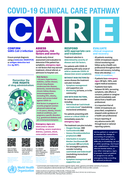
The COVID-19 CARE pathway is a living tool to support health care workers visualize the current clinical and therapeutic recommendations to be considered in the care planning for patients with COVID-19.
The COVID-19 CARE pathway is aligned with t
...
he eighth version of the WHO Therapeutics and COVID-19: living guideline published on the 14 January 2022 and the third version of the WHO COVID-19 Clinical management: living guidance published on the 23 November 2021.
more

Surveillance, case investigation and contact tracing for monkeypox: interim guidance 24 June 2022
recommended
The overall goal of surveillance, case investigation and contact tracing in this context is to stop human-to-human transmission to control the outbreak. The key objectives of surveillance and case i
...
nvestigation are to rapidly identify cases and clusters in order to provide optimal clinical care; to isolate cases to prevent further transmission; to identify, manage and follow up contacts to recognize early signs of infection; to protect frontline health workers; to identify risk groups; and to tailor effective control and prevention measures.
more
WHOs Special Initiative for Mental Health has supported the availability of mental health services for more than 40 million more people. Learn about WHOs Special Initiative for Mental Health, which seeks to increase access to quality and affordable
...
care for mental health conditions in 12 countries for 100 million more people. The initiative is advancing policies, advocacy and human rights, and scaling-up quality interventions and services for people with mental, neurological and substance use conditions.
more
Trustworthy, evidence-based health guidelines form the basis of national policies affecting both patients and health-care workers. Emphasizing the link between robust evidence and people’s trust i
...
n their health systems, Dr Hans Henri P. Kluge, WHO Regional Director for Europe said at the launch event, “Trust and transformation are key words for us, especially when we talk about improving and strengthening our health systems. Transformation should first and foremost serve the interests of patients and health-care workers”.
While it is not always easy to demonstrate the immediate effect of guidelines on people’s health, there is no viable alternative to utilizing guidelines based on the best available evidence.
Yet, developing robust guidelines remains a challenge for most countries. “Guidelines need to be both simple to use and timely, they need to address people’s real needs, especially at the local level, and should ultimately reflect the resources available,” said Dr Natasha Azzopardi-Muscat, Director, Country Health Policies and Systems, WHO/Europe. “This means that any successful guideline needs to be adjusted and adapted to local contexts and realities.”
more

Census data shows that Myanmar can harness a double dividend – both youth and gender. This year’s annual report provides many facets of the journey to gender equality. It tells a story of wideni
...
ng horizons for women and girls who are capable in their own right. It is also a story of women fulfilling their reproductive rights, and of couples having access to family planning choices.
more

The meningitis road map has been designated as a flagship global strategy of the WHO’s Thirteenth General Programme of Work, 2019–2023 and is an essential component in achieving universal health
...
coverage.
The road map will reinforce and combine with wider initiatives, such as those aimed at strengthening primary health care and health systems, increasing immunization coverage, improving global health security, fighting antimicrobial resistance and advocating for the rights of persons with disabilities. It will complement other global control strategies, such as those addressing sepsis, pneumonia, tuberculosis and HIV. Implementation will be a challenge for all countries across the world, but especially in resource-poor settings where the burden of meningitis is greatest. The targets for the visionary and strategic goals will be adapted to regional and local contexts.
more

In 2006, the Special Session of African Union Health Ministers adopted the Maputo Plan of Action for implementing the Continental Policy Framework on sexual and reproductive health and
...
rights (SRHR), which expired at the end of 2015. The goal was for all stakeholders and partners to join forces and re-double efforts, so that together, the effective implementation of the Continental Policy framework including universal access to sexual and reproductive health by 2015 in all countries in Africa can be achieved. The Revised Maputo Plan of Action (MPoA) 2016 – 2030 was subsequently endorsed by the African Union Heads of State at the 27th AU Summit in July 2016 in Kigali, Rwanda. The plan reinforces the call for universal access to comprehensive sexual and reproductive health services in Africa and lays foundation to the Sustainable Development Goals, particularly Goal 3 and 5, as well as the African Union Agenda 2063.
more

This Making It Work multi-stakeholder initiative documents good practice for inclusive employment of people with disabilities, in order to promote effective implementation Article 27 of the Conventi
...
on on the Rights of Persons with Disabilities in seven West African countries. “The objective was to make recommendations for public and private employers, microfinance institutions, governments and their partners in order that they become agents of change and commit themselves to inclusive policies promoting access to decent jobs for people with disabilities in West Africa” - See more at: http://www.asksource.info/node/70240#sthash.yBjlgAds.dpuf
more
The guidebook can be used by any care giver who comes in contact with children on a daily basis and who have the primary or secondary responsibility of taking care of the children. Parents, teachers
...
, anganwadi workers, child care institutions, hospitals can use this guide-book to help a child who is in need of care and protection. This guidebook can also be used by those who meet a child by accident who is in need of protection immediately. They can follow the steps mentioned in the guidebook that can be followed to help the child in need
more
Refugees1 with disabilities have specific needs and face particular forms of discrimination. As highlighted in the Executive Committee Conclusion No. 110 (LXI)–2010, it is important for UNHCR to ensure that the
...
rights of persons with disabilities who are of concern to the Office are met without discrimination. This places an onus on offices to develop a thorough
understanding of the circumstances of persons with disabilities under their care. This note provides staff with guidance on a range of issues to consider in meeting these responsibilities.
more
The guidebook can be used by any care giver who comes in contact with children on a daily basis and who have the primary or secondary responsibility of taking care of the children. Parents, teachers
...
, anganwadi workers, child care institutions, hospitals can use this guidebook to help a child who is in need of care and protection. This guidebook can also be used by those who meet a child by accident who is in need of protection immediately. They can follow the steps mentioned in the guidebook that can be followed to help the child in need. Paragraph about the child protection systems with an objective of creating a safe and safe environment of children, the state has established systems at center and district level which one can go to for providing protection of children. These systems contains various bodies, units, schemes and law which create a safety net for children.
more
This module has been developed to provide training and guidance to improve the quality of care and human rights conditions in inpatient, outpatient and community based mental health and related serv
...
ices, following the conduct of a comprehensive assessment using the WHO QualityRights assessment toolkit.
more
Data on the essential building blocks of mental health systems, including mental health
governance, financing, service delivery, human resources and information, are reported. For
mental health planning, it is important to know not only the level
...
of resources in these six areas,
but also how those resources are being organized and utilized. Thus, data on efficiency, access,
equity, linkages with other sectors and respect for human rights are reported as well.
more
The chain-free initiative evolved in response to an urgent need to: provide technical and financial support for hospital reform, improve domestic conditions for people with mental illness, develop community care programmes, raise mental health literacy in the community and among health
...
workers, and ensure that basic rights are monitored and guaranteed
Accessed April 9,2019
more
The education sector forms an important part of the child protection response in refugee settings, and UNHCR’s Education Strategy (2012-16) reflects a focus on refugee education as a core component of
...
UNHCR’s protection mandate. The right to education for all children also forms part of the United Nations Convention on the Rights of the Child. UNHCR’s Education Strategy promotes the importance of schools as safe learning environments, emphasises improving access to quality education for refugee children and maximises the protective benefits of participation in school. It advocates for the integration of refugee children into national education systems.
more
