
Filter
2363
Text search:
reference
manual
Featured
304
639
Language
2177
88
84
54
35
31
14
11
5
4
2
2
2
2
2
2
1
1
1
1
1
1
1
1
1
1
1
1
1
Document type
1262
460
243
216
87
58
14
10
5
4
2
2
Countries
145
81
61
57
49
49
48
44
42
41
39
37
36
33
32
32
32
27
25
21
20
17
15
15
15
14
13
10
10
10
9
8
8
8
7
7
7
7
7
6
6
6
6
6
6
6
6
6
5
5
5
5
5
5
4
4
4
4
4
3
3
3
3
3
3
3
3
3
3
3
3
2
2
2
2
2
2
2
2
2
2
2
1
1
1
1
1
1
1
1
1
1
1
1
1
1
1
1
1
1
1
1
1
1
1
1
1
1
1
1
1
1
1
1
1
1
1
1
1
1
1
Authors & Publishers
375
118
66
58
58
57
48
39
29
22
18
18
16
16
16
15
14
14
14
14
11
11
11
11
11
10
10
10
10
9
9
9
8
8
8
8
8
8
8
7
7
7
7
7
7
7
7
7
6
6
6
6
6
6
6
6
6
6
6
6
6
6
6
6
5
5
5
5
5
5
5
5
5
5
5
5
5
5
5
5
5
4
4
4
4
4
4
4
4
4
4
4
4
4
4
4
4
4
4
4
4
4
4
4
4
4
3
3
3
3
3
3
3
3
3
3
3
3
3
3
3
3
3
3
3
3
3
3
3
3
3
3
3
3
3
3
3
3
3
3
3
3
3
3
3
3
3
3
3
3
3
2
2
2
2
2
2
2
2
2
2
2
2
2
2
2
2
2
2
2
2
2
2
2
2
2
2
2
2
2
2
2
2
2
2
2
2
2
2
2
2
2
2
2
2
2
2
2
2
2
2
2
2
2
2
2
2
2
2
2
2
2
2
2
2
2
2
2
2
2
2
2
2
2
2
2
2
2
2
2
2
2
2
2
2
2
2
2
2
2
2
2
2
2
2
2
2
2
2
2
2
2
2
2
2
2
2
2
2
2
2
2
2
2
2
2
2
2
2
2
2
2
2
2
2
2
2
2
2
2
2
2
2
2
1
1
1
1
1
1
1
1
1
1
1
1
1
1
1
1
1
1
1
1
1
1
1
1
1
1
1
1
1
1
1
1
1
1
1
1
1
1
1
1
1
1
1
1
1
1
1
1
1
1
1
1
1
1
1
1
1
1
1
1
1
1
1
1
1
1
1
1
1
1
1
1
1
1
1
1
1
1
1
1
1
1
1
1
1
1
1
1
1
1
1
1
1
1
1
1
1
1
1
1
1
1
1
1
1
1
1
1
1
1
1
1
1
1
1
1
1
1
1
1
1
1
1
1
1
1
1
1
1
1
1
1
1
1
1
1
1
1
1
1
1
1
1
1
1
1
1
1
1
1
1
1
1
1
1
1
1
1
1
1
1
1
1
1
1
1
1
1
1
1
1
1
1
1
1
1
1
1
1
1
1
1
1
1
1
1
1
1
1
1
1
1
1
1
1
1
1
1
1
1
1
1
1
1
1
1
1
1
1
1
1
1
1
1
1
1
1
1
1
1
1
1
1
1
1
1
1
1
1
1
1
1
1
1
1
1
1
1
1
1
1
1
1
1
1
1
1
1
1
1
1
1
1
1
1
1
1
1
1
1
1
1
1
1
1
1
1
1
1
1
1
1
1
1
1
1
1
1
1
1
1
1
1
1
1
1
1
1
1
1
1
1
1
1
1
1
1
1
1
1
1
1
1
1
1
1
1
1
1
1
1
1
1
1
1
1
1
1
1
1
1
1
1
1
1
1
1
1
1
1
1
1
1
1
1
1
1
1
1
1
1
1
1
1
1
1
1
1
1
1
1
1
1
1
1
1
1
1
1
1
1
1
1
1
1
1
1
1
1
1
1
1
1
1
1
1
1
1
1
1
1
1
1
1
1
1
1
1
1
1
1
1
1
1
1
1
1
1
1
1
1
1
1
1
1
1
1
1
1
1
1
1
1
1
1
1
1
1
1
1
1
1
1
1
1
1
1
1
1
1
1
1
1
1
1
1
1
1
1
1
1
1
1
1
1
1
1
1
1
1
1
1
1
1
1
1
1
1
1
1
1
1
1
1
1
1
1
1
1
1
1
1
1
1
1
1
1
1
1
1
1
1
1
1
1
1
1
1
1
1
1
1
1
1
1
1
1
1
1
1
1
1
1
1
1
1
1
1
1
1
1
1
1
1
1
1
1
1
1
1
1
1
1
1
1
1
1
1
1
1
1
1
1
1
1
1
1
1
1
1
1
1
1
1
1
1
1
1
1
1
1
1
1
1
1
1
1
1
1
1
1
1
1
1
1
1
1
1
1
1
1
1
1
1
1
1
1
1
1
1
1
1
1
1
1
1
1
1
1
1
1
1
1
1
1
1
1
1
1
1
1
1
1
1
1
1
1
1
1
1
1
1
1
1
1
1
1
1
1
1
1
1
1
1
1
1
1
1
1
1
1
1
1
1
1
1
1
1
1
1
1
1
1
1
1
1
1
1
1
1
1
1
1
1
1
1
1
1
1
1
1
1
1
1
1
1
1
1
1
1
1
1
1
1
1
1
1
1
1
1
1
1
1
1
1
1
1
1
1
1
1
1
1
1
1
1
1
1
1
1
1
1
1
1
1
1
1
1
1
1
1
1
1
1
1
1
1
1
1
1
1
1
1
1
1
1
1
1
1
1
1
1
1
1
1
1
1
1
1
1
1
1
1
1
1
1
1
1
1
1
1
1
1
1
1
1
1
1
1
1
1
1
1
1
1
1
1
1
1
1
1
1
1
1
1
1
1
1
1
1
1
1
1
1
1
1
1
1
1
1
1
1
1
1
1
1
1
1
1
1
1
1
1
1
1
1
1
1
1
1
1
1
1
1
1
1
1
1
1
1
1
1
1
1
1
1
1
1
1
1
1
1
1
1
1
1
1
1
1
1
1
1
1
1
1
1
1
1
1
1
1
1
1
1
1
1
1
1
1
1
1
1
1
1
1
1
1
1
1
1
1
1
1
1
1
1
1
1
1
1
1
1
1
1
1
1
1
1
1
1
1
1
1
1
1
1
1
1
1
1
1
1
1
1
1
1
1
1
1
1
1
1
1
1
1
1
1
1
1
1
1
1
1
1
1
1
1
1
1
1
1
1
1
1
1
1
1
1
1
1
1
1
1
1
1
1
1
1
1
1
1
1
1
1
1
1
1
1
1
1
1
1
1
1
1
1
1
1
1
1
1
1
1
1
1
1
1
1
1
1
1
1
1
1
1
1
1
1
1
1
1
1
1
1
1
1
1
1
1
1
1
1
1
1
1
1
1
1
1
1
1
1
1
1
1
1
1
1
1
1
1
1
1
1
1
1
1
1
1
1
1
1
1
1
1
1
1
1
1
1
1
1
1
1
1
1
1
1
1
1
1
1
1
1
1
1
1
1
1
1
1
1
1
1
1
1
1
1
1
1
1
1
1
1
1
1
1
1
1
1
1
1
1
1
1
1
1
1
1
1
1
1
1
1
1
1
1
1
1
1
1
1
1
1
1
1
1
1
1
1
1
1
1
1
1
1
1
1
1
1
1
1
1
1
1
1
1
1
1
1
1
1
1
1
1
1
1
1
1
1
1
1
1
1
1
1
1
1
1
1
1
1
1
1
1
1
1
1
1
1
1
1
1
1
1
1
1
1
1
1
1
1
1
1
1
1
1
1
1
1
1
1
1
1
1
1
1
1
1
1
1
1
1
1
1
1
1
1
1
1
1
1
1
1
1
1
1
1
1
1
1
1
1
1
1
1
1
1
1
1
1
1
1
1
1
1
1
1
1
1
1
1
1
1
1
1
1
1
1
1
1
1
1
1
1
1
1
1
1
1
1
1
1
1
1
1
1
1
1
1
1
1
1
1
1
1
1
1
1
1
1
1
1
1
1
1
1
1
1
1
1
1
1
1
1
1
1
1
1
1
1
1
1
1
1
1
1
1
1
1
1
1
1
1
1
1
1
1
1
1
1
1
1
1
1
1
1
1
1
1
1
1
1
1
1
1
1
1
1
1
1
1
1
1
1
1
1
1
1
1
1
1
1
1
1
1
1
1
1
1
1
1
1
1
1
1
1
1
1
1
1
1
1
1
1
1
1
1
1
1
1
1
1
1
1
1
1
1
1
1
1
1
1
1
1
1
1
1
1
1
1
1
1
1
1
1
1
1
1
1
1
1
1
1
1
1
1
1
1
1
1
1
1
1
1
1
1
1
1
1
1
1
1
1
1
1
1
1
1
1
1
1
1
1
1
1
1
1
1
1
1
1
1
1
1
1
1
1
1
1
1
1
1
1
1
1
1
1
1
1
1
1
1
1
1
1
1
1
1
1
1
1
1
1
1
1
1
1
1
1
1
1
1
1
1
1
1
1
1
Publication Years
1
585
1423
326
28
Category
856
245
209
191
132
132
60
Toolboxes
160
153
121
117
96
90
84
80
78
58
50
49
48
45
41
40
30
24
20
17
15
14
6
6
5
2

A System of Health Accounts 2011: Revised edition
Organisation for Economic Co-operation and Development (OECD), Eurostat and World Health Organization (WHO)
OECD Publishing, Paris
(2017)
CC
A System of Health Accounts 2011: Revised Edition provides an updated and systematic description of the financial flows related to the consumption of health care goods and services. As demands for information increase and more countries implement and institutionalise health accounts according to the
...
system, the data produced are expected to be more comparable, more detailed and more policy relevant. It builds on the original OECD Manual, published in 2000, and the Guide to Producing National Health Accounts to create a single global framework for producing health expenditure accounts that can help track resource flows from sources to uses. It is the result of a collaborative effort between the OECD, WHO and the European Commission, and sets out in more detail the boundaries, the definitions and the concepts – responding to health care systems around the globe – from the simplest to the more complicated.
more

The key actions, activities, and approaches in this document are organized within each of the 5Cs (see Table 1 in the PDF) and those of the Strategic preparedness and response plan (SPRP) pillars as follows:
National action plan key activities, prioritized for the current context and the current
...
understanding of the threat of SARS-CoV-2
A. Transition from emergency response to longer term COVID-19 disease management.
B. Integrate activities into routine systems.
C. Strengthen global health security.
Special considerations for fragile, conflict-affected and vulnerable (including humanitarian) settings
WHO global and regional support to Member States to implement their national action plans
Key guidance documents for reference
This is a living document that will be updated to incorporate new technical guidance in response to the evolving epidemiological situation. National plans should be implemented in accordance with the principles of inclusiveness, respect for human rights, and equity.
more
The annual Joint Meeting of the Food and Agriculture Organization of the United Nations (FAO) Panel of Experts on Pesticide Residues in Food and the Environment and the World Health Organization (WHO) Core Assessment Group on Pesticide Residues (JMPR) was held in Rome, Italy, from 13 to 22 September
...
. The FAO panel of experts had met in preparatory sessions from 8 to 12 September. The Meeting was held in pursuance of recommendations made by previous Meetings and accepted by the governing bodies of FAO and WHO that studies should be undertaken jointly by experts to evaluate possible hazards to humans arising from the occurrence of pesticide residues in foods. During the meeting the FAO Panel of Experts was responsible for reviewing pesticide use patterns (use of good agricultural practices), data on the chemistry and composition of the pesticides and methods of analysis for pesticide residues and for estimating the maximum residue levels that might occur as a result of the use of the pesticides according to good agricultural use practices. The WHO Core Assessment Group was responsible for reviewing toxicological and related data and for estimating, where possible and appropriate, acceptable daily intakes (ADIs) and acute reference doses (ARfDs) of the pesticides for humans. This report contains information on ADIs, ARfDs, maximum residue levels, and general principles for the evaluation of pesticides. The recommendations of the Joint Meeting, including further research and information, are proposed for use by Member governments of the respective agencies and other interested parties.
more
This handbook is a quick-reference tool that provides practical, field-level guidance to establish and maintain a GBV sub-cluster in a humanitarian emergency. It provides the foundations for coordination. More in-depth information can be pursued thr
...
ough resources referenced in this handbook. The GBV AoR website (gbvaor.net) maintains a repository of tools, training materials and resources that complement this handbook. As a second edition, this handbook provides updates to practitioners on humanitarian reforms, lessons learned, promising practices and resources that have emerged since its first publication in 2010.
more

This participant's handbook was developed as a part of the training package "National Training on Mainstreaming Disaster and Climate Risk Management into Development Planning in Myanmar". The training package focuses on the capacity development and risk-sensitive development approach where developme
...
nt planning and implementation is based on informed decision incorporating disaster and climate risk considerations. The participant’s handbook, structured into 3 modules, presents comprehensive session content to be used as reference material for training participants or for own study by interested persons.
more
A training course for Vasectomy Providers and Assistants
2nd Edition
Trastornos del ánimo
Capítulo E.2
Editores: Matías Irarrázaval & Andres Martin Traductores:
Traducción: Fernanda Prieto-Tagle & Ester Mora

The Democratic Republic of Timor-Leste has the highest TB incidence rate in the South East Asian Region - 498 per 100,000, which is the seventh highest in the world. In Timor-Leste TB is the eighth most common cause of death.
The salient observations are as follows:
In 2018, 487 (12.5%) of the
...
3906 notified TB patients were tested for RR-TB and only 12 lab confirmed RR-TB patients were initiated on standard MDR-TB treatment of 20-months duration, (a 3-fold increase in RR-TB detection compared with 2017). This amounts to treatment coverage of only 17% of 72 estimated MDR/RR-TB among notified TB patients (3906) and 5% of 240 estimated incident MDR-TB patients as compared to 62% treatment coverage of 6300 incident drug sensitive TB patients estimated in TLS. The treatment success in the 2016 annual cohort of 6 MDR-TB patients has been reported at 83%. 80% of TB patients know their HIV Status with around 1% TB-HIV co-infection, 37/ 77 (48%) TB-HIV Co-infection Detected. Of the 387 PLHIV currently alive on ART, exact status on TB screening and testing is unknown. % of PLHIV newly enrolled in HIV care who received IPT is not known.
In 2018, the mortality rate for TB was 94 deaths per 100,000 people (1200 per annum) in TL with an increasing mortality trend (Figure 1), despite TB services being available for nearly two decades.
A survey of catastrophic costs due to TB (2016) highlights that 83% of TB patients are reported to be facing catastrophic costs due to the disease. This is the highest rate in the world.
more
Guidance for health workers
23 February 2021
This document describes the medical devices required for the clinical management of COVID-19, selected and prioritized according to the latest available evidence and interim guidelines. This includes: oxygen therapy, pulse oximeters, patient monitors, thermometers, infusion and suc
...
tion pumps, X-ray, ultrasound and CT scanners as well as personal protective equipment. In order to facilitate access to quality assured priority medical devices, the document also includes technical and performance characteristics, related standards, accessories and consumables. It is intended for policy-makers and planning officers in Ministries of Health, procurement and regulatory agencies, intergovernmental and international agencies as well as the medical device industry.
This document is an update to the List of priority medical devices for COVID-19 case management and Technical specifications for invasive and non-invasive ventilators for COVID-19.
This document complements the Technical specifications of personal protective equipment for COVID-19.
more
WHO published guidance for clinicians and health care decision-makers on the use of corticosteroids in patients with COVID-19.
We recommend systemic corticosteroids for the treatment of patients with severe and critical COVID-19. We suggest not to use corticosteroids in the treatment of patients
...
with non-severe COVID-19 as the treatment brought no benefits, and could even prove harmful. Treatment should be under supervision of a clinician.
Corticosteroids are listed in the WHO model list of essential medicines, readily available globally at a low cost. WHO encourages countries to maintain sufficient stocks of corticosteroids to treat COVID-19 and the other disease for which they are effective, while not maintaining excessive stocks which could deny other countries access.
more

Health Bulletin No.3
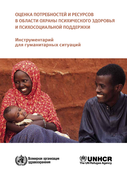
Оценка потребностей и ресурсов в области охраны психического здоровья и психосоциальной поддержки
recommended
Данный документ предназначен в первую очередь для работников здравоохранения. Поскольку социальные детерминанты нарушений психического здоровья и психосоциальÐ
...
½ых проблем относятся ко многим различным секторам, каждый второй инструмент из предложенного набора охватывает вопросы оценки ОПЗПП, актуальные не только для здравоохранения, но и для других секторов. Настоящий документ призван помочь вам в сборе необходимой информации для того, чтобы оказывать более действенную поддержку людям, пострадавшим от гуманитарных кризисов.
Assessing mental health and psychosocial needs and resources: toolkit for humanitarian setting
more

23 February 2021
This document describes the medical devices required for the clinical management of COVID-19, selected and prioritized according to the latest available evidence and interim guidelines. This includes: oxygen therapy, pulse oximeters, patient monitors, thermometers, infusion and suc
...
tion pumps, X-ray, ultrasound and CT scanners as well as personal protective equipment. In order to facilitate access to quality assured priority medical devices, the document also includes technical and performance characteristics, related standards, accessories and consumables. It is intended for policy-makers and planning officers in Ministries of Health, procurement and regulatory agencies, intergovernmental and international agencies as well as the medical device industry.
This document is an update to the List of priority medical devices for COVID-19 case management and Technical specifications for invasive and non-invasive ventilators for COVID-19.
This document complements the Technical specifications of personal protective equipment for COVID-19.
more

Food Security And Nutrition In Emergency
recommended
Chapter 9: Public health guide for emergencies
Briefing note on addressing mental health and psychosocial aspects of COVID-19 Outbreak- Version 1.1
recommended
This briefing note summarises key mental health and psychosocial support (MHPSS) considerations in relation to the 2019 novel coronavirus (COVID-19) outbreak.
Technical Note
Recently, the approach to hazardous events has undergone a considerable shift, away from reactive activities focused on managing and responding to events and towards a more proactive process of emergency and disaster risk management (DRM). The ultimate goal of this shift in focus is
...
to prevent new and reduce existing disaster risks, a process known as disaster risk reduction (DRR), while strengthening individual, community, societal and global resilience.
more
PARTICIPANT GUIDE.
This Participant Guide has been designed to assist health facilities and community based non-clinicians to develop skills to provide linkage to care, adherence and retention in care services for chronic conditions
