Filter
596
Text search:
Child
Development
&
Cultural
Variations
Featured
44
191
Language
Document type
418
82
41
33
13
3
3
1
1
1
Countries
30
29
26
21
20
17
16
14
13
12
12
12
11
9
9
8
8
8
7
7
6
6
6
5
5
5
4
4
4
3
3
3
3
3
2
2
2
2
2
2
2
2
2
2
2
2
2
1
1
1
1
1
1
1
1
1
1
1
1
1
1
1
1
Authors & Publishers
Publication Years
Category
254
46
42
34
31
5
2
Toolboxes
81
56
22
21
16
15
14
13
11
10
10
10
9
6
5
4
4
4
2
2
2
2
1
1


Good primary care may lead to fewer avoidable hospitalizations, but unsafe primary care can cause avoidable illness and injury, leading to unnecessary hospitalizations, and in some cases, disability and even death.Implementing system changes and practices are crucial to improve safety at all levels
...

National Tuberculosis and Leprosy Conrol Programme
A Step-by-Step Guide.
It is intended for health planners, dengue or vector control programme managers and individuals, nongovernmental organizations (NGOs) and other agencies with interests and/or expertise in developing biological, chemical, environmental and communication interventions to prevent
...
EDUCATION WHITE PAPER 6
Summary of key informant interviews with representatives of organizations providing, funding, or supporting WASH services to refugee populations
Global Campaign Against Epilepsy


BMC Health Services Research BMC series – open, inclusive and trusted201818:251; https://doi.org/10.1186/s12913-018-3072-3
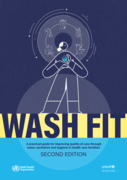
2nd edition
WASH FIT is a risk-based, continuous improvement framework with a set of tools for undertaking water, sanitation and hygiene (WASH) improvements as part of wider quality improvements in health care facilities. It is aimed at small primary, and in some instances secondary, health care fa
...
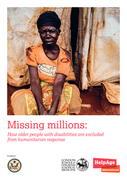

ESCAP Project on improving disability measurement and statistics in the Asia Pacfic Region