
Filter
3884
Text search:
résistance
Featured
427
954
Language
3560
187
143
90
40
31
24
23
9
4
4
3
3
3
3
3
3
2
2
2
2
2
2
2
1
1
1
1
1
1
1
1
1
1
1
1
1
1
1
1
1
1
1
1
1
1
1
Document type
1766
670
642
238
159
145
87
34
34
31
30
23
18
2
2
Countries
181
170
106
92
89
75
75
70
67
64
53
52
51
50
50
48
47
44
37
34
34
34
27
26
25
24
23
23
22
22
21
20
20
19
18
16
15
14
14
14
13
13
13
12
12
12
12
11
10
10
9
9
9
9
9
8
8
8
7
7
7
7
7
6
6
5
5
5
5
4
4
4
4
4
4
4
3
3
3
3
3
3
3
3
3
3
2
2
2
2
2
2
2
2
2
2
2
2
2
2
2
2
2
2
2
2
2
2
2
1
1
1
1
1
1
1
1
1
1
1
1
1
1
1
1
1
1
1
1
1
1
1
1
1
1
1
1
1
1
1
1
Authors & Publishers
664
223
112
99
84
60
50
39
38
33
29
27
26
25
25
20
19
18
18
18
17
16
16
15
15
14
14
14
14
14
14
13
13
13
12
12
12
11
11
11
11
11
10
9
9
9
9
9
9
9
8
8
8
8
8
8
8
8
8
8
8
8
8
8
8
7
7
7
7
7
7
7
7
7
7
7
7
6
6
6
6
6
6
6
6
6
6
6
6
6
6
6
6
5
5
5
5
5
5
5
5
5
5
5
5
5
5
5
5
5
5
5
5
5
5
5
4
4
4
4
4
4
4
4
4
4
4
4
4
4
4
4
4
4
4
4
4
4
4
4
4
4
4
4
4
4
4
4
4
3
3
3
3
3
3
3
3
3
3
3
3
3
3
3
3
3
3
3
3
3
3
3
3
3
3
3
3
3
3
3
3
3
3
3
3
3
3
3
3
3
3
3
3
3
3
3
3
3
3
3
3
3
3
3
3
3
3
3
3
3
3
3
3
3
3
3
3
3
3
3
3
3
2
2
2
2
2
2
2
2
2
2
2
2
2
2
2
2
2
2
2
2
2
2
2
2
2
2
2
2
2
2
2
2
2
2
2
2
2
2
2
2
2
2
2
2
2
2
2
2
2
2
2
2
2
2
2
2
2
2
2
2
2
2
2
2
2
2
2
2
2
2
2
2
2
2
2
2
2
2
2
2
2
2
2
2
2
2
2
2
2
2
2
2
2
2
2
2
2
2
2
2
2
2
2
2
2
2
2
2
2
2
2
2
2
2
2
2
2
2
2
2
2
2
2
2
2
2
2
2
2
2
2
2
2
2
2
2
2
2
2
2
2
2
2
2
2
2
2
2
2
2
2
2
2
2
2
2
2
2
2
2
2
2
2
2
2
2
2
2
2
2
2
2
2
2
2
2
2
2
2
2
2
2
2
2
2
2
2
2
2
2
2
2
2
2
2
2
2
2
2
2
2
2
2
2
2
2
2
2
2
2
2
2
2
2
2
2
2
2
2
2
2
2
2
2
2
2
2
1
1
1
1
1
1
1
1
1
1
1
1
1
1
1
1
1
1
1
1
1
1
1
1
1
1
1
1
1
1
1
1
1
1
1
1
1
1
1
1
1
1
1
1
1
1
1
1
1
1
1
1
1
1
1
1
1
1
1
1
1
1
1
1
1
1
1
1
1
1
1
1
1
1
1
1
1
1
1
1
1
1
1
1
1
1
1
1
1
1
1
1
1
1
1
1
1
1
1
1
1
1
1
1
1
1
1
1
1
1
1
1
1
1
1
1
1
1
1
1
1
1
1
1
1
1
1
1
1
1
1
1
1
1
1
1
1
1
1
1
1
1
1
1
1
1
1
1
1
1
1
1
1
1
1
1
1
1
1
1
1
1
1
1
1
1
1
1
1
1
1
1
1
1
1
1
1
1
1
1
1
1
1
1
1
1
1
1
1
1
1
1
1
1
1
1
1
1
1
1
1
1
1
1
1
1
1
1
1
1
1
1
1
1
1
1
1
1
1
1
1
1
1
1
1
1
1
1
1
1
1
1
1
1
1
1
1
1
1
1
1
1
1
1
1
1
1
1
1
1
1
1
1
1
1
1
1
1
1
1
1
1
1
1
1
1
1
1
1
1
1
1
1
1
1
1
1
1
1
1
1
1
1
1
1
1
1
1
1
1
1
1
1
1
1
1
1
1
1
1
1
1
1
1
1
1
1
1
1
1
1
1
1
1
1
1
1
1
1
1
1
1
1
1
1
1
1
1
1
1
1
1
1
1
1
1
1
1
1
1
1
1
1
1
1
1
1
1
1
1
1
1
1
1
1
1
1
1
1
1
1
1
1
1
1
1
1
1
1
1
1
1
1
1
1
1
1
1
1
1
1
1
1
1
1
1
1
1
1
1
1
1
1
1
1
1
1
1
1
1
1
1
1
1
1
1
1
1
1
1
1
1
1
1
1
1
1
1
1
1
1
1
1
1
1
1
1
1
1
1
1
1
1
1
1
1
1
1
1
1
1
1
1
1
1
1
1
1
1
1
1
1
1
1
1
1
1
1
1
1
1
1
1
1
1
1
1
1
1
1
1
1
1
1
1
1
1
1
1
1
1
1
1
1
1
1
1
1
1
1
1
1
1
1
1
1
1
1
1
1
1
1
1
1
1
1
1
1
1
1
1
1
1
1
1
1
1
1
1
1
1
1
1
1
1
1
1
1
1
1
1
1
1
1
1
1
1
1
1
1
1
1
1
1
1
1
1
1
1
1
1
1
1
1
1
1
1
1
1
1
1
1
1
1
1
1
1
1
1
1
1
1
1
1
1
1
1
1
1
1
1
1
1
1
1
1
1
1
1
1
1
1
1
1
1
1
1
1
1
1
1
1
1
1
1
1
1
1
1
1
1
1
1
1
1
1
1
1
1
1
1
1
1
1
1
1
1
1
1
1
1
1
1
1
1
1
1
1
1
1
1
1
1
1
1
1
1
1
1
1
1
1
1
1
1
1
1
1
1
1
1
1
1
1
1
1
1
1
1
1
1
1
1
1
1
1
1
1
1
1
1
1
1
1
1
1
1
1
1
1
1
1
1
1
1
1
1
1
1
1
1
1
1
1
1
1
1
1
1
1
1
1
1
1
1
1
1
1
1
1
1
1
1
1
1
1
1
1
1
1
1
1
1
1
1
1
1
1
1
1
1
1
1
1
1
1
1
1
1
1
1
1
1
1
1
1
1
1
1
1
1
1
1
1
1
1
1
1
1
1
1
1
1
1
1
1
1
1
1
1
1
1
1
1
1
1
1
1
1
1
1
1
1
1
1
1
1
1
1
1
1
1
1
1
1
1
1
1
1
1
1
1
1
1
1
1
1
1
1
1
1
1
1
1
1
1
1
1
1
1
1
1
1
1
1
1
1
1
1
1
1
1
1
1
1
1
1
1
1
1
1
1
1
1
1
1
1
1
1
1
1
1
1
1
1
1
1
1
1
1
1
1
1
1
1
1
1
1
1
1
1
1
1
1
1
1
1
1
1
1
1
1
1
1
1
1
1
1
1
1
1
1
1
1
1
1
1
1
1
1
1
1
1
1
1
1
1
1
1
1
1
1
1
1
1
1
1
1
1
1
1
1
1
1
1
1
1
1
1
1
1
1
1
1
1
1
1
1
1
1
1
1
1
1
1
1
1
1
1
1
1
1
1
1
1
1
1
1
1
1
1
1
1
1
1
1
1
1
1
1
1
1
1
1
1
1
1
1
1
1
1
1
1
1
1
1
1
1
1
1
1
1
1
1
1
1
1
1
1
1
1
1
1
1
1
1
1
1
1
1
1
1
1
1
1
1
1
1
1
1
1
1
1
1
1
1
1
1
1
1
1
1
1
1
1
1
1
1
1
1
1
1
1
1
1
1
1
1
1
1
1
1
1
1
1
1
1
1
1
1
1
1
1
1
1
1
1
1
1
1
1
1
1
1
1
1
1
1
1
1
1
1
1
1
1
1
1
1
1
1
1
1
1
1
1
1
1
1
1
1
1
1
1
1
1
1
1
1
1
1
1
1
1
1
1
1
1
1
1
1
1
1
1
1
1
1
1
1
1
1
1
1
1
1
1
1
1
1
1
1
1
1
1
1
1
1
1
1
1
1
1
1
1
1
1
1
1
1
1
1
1
1
1
1
1
1
1
1
1
1
1
1
1
1
1
1
1
1
1
1
1
1
1
1
1
1
1
1
1
1
1
1
1
1
1
1
1
1
1
1
1
1
1
1
1
1
1
1
1
1
1
1
1
1
1
1
1
1
1
1
1
1
1
1
1
1
1
1
1
1
1
1
1
1
1
1
1
1
1
1
1
1
1
1
1
1
1
1
1
1
1
1
1
1
1
1
1
1
1
1
1
1
1
1
1
1
1
1
1
1
1
1
1
1
1
1
1
1
1
1
1
1
1
1
1
1
1
1
1
1
1
1
1
1
1
1
1
1
1
1
1
1
1
1
1
1
1
1
1
1
1
1
1
1
1
1
1
1
1
1
1
1
1
1
1
1
1
1
1
1
1
1
1
1
1
1
1
1
1
1
1
1
1
1
1
1
1
1
1
1
1
1
1
1
1
1
1
1
1
1
1
1
1
1
1
1
1
1
1
1
1
1
1
1
1
1
1
1
1
1
1
1
1
1
1
1
1
1
1
1
1
1
1
1
1
1
1
1
1
1
1
1
1
1
1
1
1
1
1
1
1
1
1
1
1
1
1
1
1
1
1
1
1
1
1
1
1
1
1
1
1
1
1
1
1
1
1
1
1
1
1
1
1
1
1
1
1
1
1
1
1
1
1
1
1
1
1
1
1
1
1
1
1
1
1
1
1
1
1
1
1
1
1
1
1
1
1
1
1
1
1
1
1
1
1
1
1
1
1
1
1
1
1
1
1
1
1
1
1
1
1
1
1
1
1
1
1
1
1
1
1
1
1
1
1
1
1
1
1
1
1
1
1
1
1
1
1
1
1
1
1
1
1
1
1
1
1
1
1
1
1
1
1
1
1
1
1
1
1
1
1
1
1
1
1
1
1
1
1
1
1
1
1
1
1
1
1
1
1
1
1
1
1
1
1
1
1
1
1
1
1
1
1
1
1
1
1
1
1
1
1
1
1
1
1
1
1
1
1
1
1
1
1
1
1
1
1
1
1
1
1
1
1
1
1
1
1
1
1
1
1
1
1
1
1
1
1
1
1
1
1
1
1
1
1
1
1
1
1
1
1
1
1
1
1
1
1
1
1
1
1
1
1
1
1
1
1
1
1
1
1
1
1
1
1
1
1
1
1
1
1
1
1
1
1
1
1
1
1
1
1
1
1
1
1
1
1
1
1
1
1
1
1
1
1
1
1
1
1
1
1
1
1
1
1
1
1
1
1
1
1
1
1
1
1
1
1
1
1
1
1
1
1
1
1
1
1
1
1
1
1
1
1
1
1
1
1
1
1
1
1
1
1
1
1
1
1
1
1
1
1
1
1
1
1
1
1
1
1
1
1
1
1
1
1
1
1
1
1
1
1
1
1
1
1
1
1
1
1
1
1
1
1
1
1
1
1
1
1
1
1
1
1
1
1
1
1
1
1
1
1
1
1
1
1
1
1
1
1
1
1
1
1
1
1
1
1
1
1
1
1
1
1
1
1
1
1
1
1
1
1
1
1
1
1
1
1
1
1
1
1
1
1
1
1
1
1
1
1
1
1
1
1
1
1
1
1
1
1
1
1
1
1
1
1
1
1
1
1
1
1
1
1
1
1
1
1
1
1
1
1
1
1
1
1
1
1
1
1
1
1
1
1
1
1
1
1
1
1
1
1
1
1
1
1
1
1
1
1
1
1
1
1
1
1
1
1
1
1
1
1
1
1
1
1
1
1
1
1
1
1
1
1
1
1
1
1
1
1
1
1
1
1
1
1
1
1
1
1
1
1
1
1
1
1
1
1
1
1
1
1
1
1
1
1
1
1
1
1
1
1
1
1
1
1
1
1
1
1
1
1
1
1
1
1
1
1
1
1
1
1
1
1
1
1
1
1
1
1
1
1
1
1
1
1
1
1
1
1
1
1
1
1
1
1
1
1
1
1
1
1
1
1
1
1
1
1
1
1
1
1
1
1
1
1
1
1
1
1
1
1
1
1
1
1
1
1
1
1
1
1
1
1
1
1
1
1
1
1
1
1
1
1
1
1
1
1
1
1
1
1
1
1
1
1
1
1
1
1
1
1
1
1
1
1
1
1
1
1
1
1
1
1
1
1
1
1
1
1
1
1
1
1
1
1
1
1
1
1
1
1
1
1
1
1
1
1
1
1
1
1
1
1
1
1
1
1
1
1
1
1
1
1
1
1
1
1
1
1
1
1
1
1
1
1
1
1
1
1
1
1
1
1
1
1
1
1
1
1
1
1
1
1
1
1
1
1
1
1
1
1
1
1
1
1
1
1
1
1
1
1
1
1
1
1
1
1
1
1
1
1
1
1
1
1
1
1
1
1
1
1
1
1
1
1
1
1
1
1
1
1
1
1
1
1
1
1
1
1
1
1
1
1
1
1
1
1
1
1
1
1
1
1
1
1
1
1
1
1
1
1
1
1
1
1
1
1
1
1
1
1
1
1
1
1
1
1
1
1
1
1
1
1
1
1
1
1
1
1
1
1
1
1
1
1
1
1
1
1
1
1
1
1
1
1
1
1
1
1
1
1
1
1
1
1
1
1
1
1
1
1
1
1
1
1
1
1
1
1
1
1
1
1
1
1
1
1
1
1
1
1
1
1
1
1
1
1
1
1
1
1
1
1
1
1
1
1
1
1
1
1
1
1
1
1
1
1
1
1
1
1
1
1
1
1
1
1
1
1
1
1
1
1
1
1
1
1
1
1
1
1
1
1
1
1
1
1
1
1
1
1
1
1
1
1
1
1
1
1
1
1
1
1
1
1
1
1
1
1
1
1
1
1
1
1
1
1
1
1
1
1
1
1
1
1
1
1
1
1
1
1
1
1
1
1
1
1
1
1
1
1
1
1
1
1
1
1
1
1
1
1
1
1
1
1
1
1
1
1
1
1
1
1
1
1
1
1
1
1
1
1
1
1
1
1
1
1
1
1
1
1
1
1
1
1
1
1
1
1
1
1
1
1
1
1
1
1
1
1
1
1
1
1
1
1
1
1
1
1
1
1
1
1
1
1
1
1
1
1
1
1
1
1
1
1
1
1
1
1
1
1
1
1
1
1
Publication Years
1185
2346
331
21
1
Category
1252
335
221
199
132
74
58
3
Toolboxes
581
487
191
156
152
151
146
143
118
103
80
67
64
59
57
56
56
47
45
45
27
23
22
15
15
1
Written by international experts in the fields of infection control and hospital epidemiology, the ISID’s Guide to Infection Control in the Healthcare Setting brings together the most up-to-date principles and interventions that can reduce the rate of infection and the impact of associated consequ
...
ences for patients, their families, and healthcare systems including: lengthier hospital stays; long-term disability; increased anti-microbial resistance; higher financial costs; and unnecessary deaths.
As the field of infection prevention grows in importance and the science supporting it continues to evolve, the Guide’s objectives are to facilitate the implementation of effective prevention and control measures across different resource levels to improve quality of care; minimize risk; save lives; reduce costs; and limit the use of antibiotics to fight these often preventable infections around the world.
The chapters herein are intended to facilitate the implementation of effective infection prevention and control measures across different resource levels, improve quality of care, minimize risk, save lives, and reduce costs.
To explore the Guide click on the sections below to view the chapters. Chapters have been divided into four parts
more

A pocket guide to antibiotic prescribing for adults in South Africa 2015
Wasserman, S.; T. Boyles, M. Mendelson
SOUTH AFRICAN ANTIBIOTIC STEWARDSHIP PROGRAMME (SAASP)
(2015)
C2
The international community sits at the tipping pointof a post-‐antibiotic era, where common bacterial infections are no longer treatable with the antibiotic armamentarium that exists. In South Africa, t
...
he identification of the first case of pan-‐resistant Klebsiella pneumoniae(Brink et al, J Clin Microbiol. 2013;51(1):369-‐72) marks a watershed moment and highlights ourtip of the antibiotic resistance ‘iceberg’ in this country. Multi-‐drug resistant (MDR)-‐bacterial infections, predominantly in Gram-‐negative bacteria such as Klebsiella pneumoniae, Escherichia coli, Pseudomonas aeruginosaand Acinetobacter baumanniiare now commonplace in South African hospitals. Whilst a number of expensive new antibiotics for Gram-‐positive bacterial infections have been manufactured recently (some of which are licenced for usein South Africa), no new antibiotics active against Gram-‐negative infections are expected in the next 10-‐15years. Hence what we have now, needs conserving
more

Effectiveness of Education and an Antibiotic-Control Program in a Tertiary Care Hospital in Thailand
Overuse of antimicrobial agents occurs globally in both community and hospital settings. Misuse of antibiotics can lead to a variety of adverse outcomes, including the development of antimicrobial resistanceand increased cost of hospitalization. This issuehas been particularly problematic in de
...
veloping countries, where antibiotic-management programs rarely exist and where antibiotics can be purchased without aprescription. In Thailand, the rate of antibiotic resistance among gram-positive and gram-negative or-ganisms has increased significantly over the past decade. These findings provide compelling evidence ofthe need for more-rational use of antimicrobial agents in Thailand.
Clinical Infectious Diseases2006; 42:768–752006 by the Infectious Diseases Society of America.
more

Improving the quality of hospital antibiotic use is a major goal of WHO’s global action plan to combat antimicrobial resistance. The WHO Essential Medicines List Access, Watch, and Reserve (AWaRe) classification could facilitate simple stewardship
...
interventions that are widely applicable globally. We aimed to present data on patterns of paediatric AWaRe antibiotic use that could be used for local and national stewardship interventions.
www.thelancet.com/lancetgh Vol 7 July 2019
more
Using antimicrobials responsibly is an essential component ofefforts to contain antimicrobial resistance (AMR), and to ensurethat patients receive appropriate treatment. The WHO global action plan on AMR emphasizes the importance of training healthc
...
are professionals in antimicrobial prescribing and stew-ardship (AMPS). There are several challenges, however, such asthe wide range of healthcare professionals involved in the pre-scribing process, and the heterogeneity of prescribing rights and practices of different professional groups within and between countries. One way to address these challenges is through developing competencies, which define the minimum standards that all antimicrobial prescribers should reach.
Clinical Microbiology and Infection 25 (2019) 13e19
more
Antimicrobial stewardship (AMS) describes a coherent set of actions that ensure optimal use of antimicrobials to improve patient outcomes, while limiting the risk of adverse events (including antimicrobial resistance (AMR)). Introduction of AMS prog
...
rammes in hospitals is part of most national action plans to mitigate AMR, yet the optimal components and actions of such a programme remain undetermined.
more
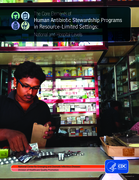
Antibiotic stewardship refers to coordinated efforts and activities that seek to measure and improve use of antibiotics. Implementation of ASPs has demonstrated positive public health and clinical impacts including reducing costs, lengths of hospital stays, and the burden of antibiotic
...
resistance while maintaining or improving patient outcomes. The U.S. Centers for Disease Control and Prevention (CDC) released the Core Elements of Hospital Antibiotic Stewardship Programs in 2014, which outlines essential components for ASPs in hospitals and provides practical guidance for implementing a robust ASPin an acute care facility. Variations to the Core Elements have been developed to deal with the particular challenges in small, rural or critical access hospitals in the United States and in outpatient facilities and nursing homes.
more

This small scale project aimed to optimize antibiotic prescriptions for Urinary Tract Infections (UTI) at Okhaldhunga Community Hospital in Nepal. A review of 18 months data from urine cultures taken in the hospital was completed in 2017. Presentations about antibiotic
...
resistance, the local bacterial culture results and possible ways of changing prescription pattern were given for doctors, lab staff and community medical assistants (CMA). 16 months later the prescription rate of antibiotics frequently used for UTIs was followed up, with a 57% reduction of ciprofloxacin consumption!
more

App - Learn how to handle antibiotics with care & help us stop antibiotic resistance

Improve your knowledge of the spread of antimicrobial resistance in Africa and how to reduce it - Online Course
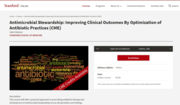
Antimicrobial Stewardship: Improving Clinical Outcomes By Optimization of Antibiotic Practices (CME)
This course will offer a practical approach to prescribing antibiotic therapy and development of antimicrobial stewardship across all specialties and settings. Antibiotics are among the most frequently prescribed classes of drugs and it is estimated that approximately 50% of antibiotic use, in both
...
the outpatient and inpatient settings, is inappropriate. At the same time, in contrast to any other class of drugs, every antibiotic use has a potential public health consequence – inappropriate use may not harm only the individual patient, but contributes to societal harm by exerting an unnecessary selective pressure that may lead to antibiotic resistance among bacteria. This video based course will introduce learners to the basic principles of appropriate antibiotic use, demonstrate how to apply these principles to the management of common infections, and outline how to develop and maintain an antimicrobial stewardship program.
more

This module will consider the role of community pharmacy teams in tackling antimicrobial resistance. After reading this module you will be able to explain why antimicrobial resistance is a threat to
...
patient safety, and public and global health. You will also be able to list common self-limiting infections, their usual duration, and outline the key messages that you should be sharing with the public.
more

Ce cours donnera aux cliniciens qui prescrivent régulièrement des antibiotiques les connaissances et les outils pour améliorer l’utilisation de ces médicaments essentiels dans la pratique clinique quotidienne. A l’aide d’exemples de cas, le cours mettra en évidence la façon dont les prin
...
cipes de bon usage des antibiotiques peuvent être appliqués à des scénarios cliniques courants. Nous verrons d’abord les connaissances cliniques fondamentales nécessaires pour utiliser correctement les antibiotiques. Puis, nous illustrerons comment les cliniciens peuvent intégrer ces connaissances dans la prise en charge des patients atteints d’infections courantes en respectant les cinq compétences principales de prescription appropriée d’antibiotiques. Ce cours fournira un cadre pour aborder chaque rencontre clinique sous l'angle de la lutte contre la résistance aux antibiotiques. Nous espérons que ce cours vous servira et vous inspirera pour devenir un champion sur le bon usage des antibiotiques.
more
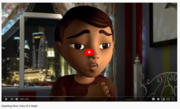
Learn about superbugs from a superbug itself!
This animated video explains how bacteria develop resistance to antibiotics and eventually turn into superbugs, that are resistant to most known antibiotics.

The aim of this new short course is to increase your general understanding of antibiotic resistance and help you understand how it affects different people, including you.

This manual presents a compelling case for action on carbapenem-resistant organisms (CROs) and describes the linkages between the prevention and control of CROs and the Global Action Plan on Antimicrobial Resistance (AMR). It describes how the eight
...
recommendations contained within the World Health Organization (WHO) guidelines for the prevention and control of carbapenem-resistant Enterobacteriaceae, Acinetobacter baumannii and Pseudomonas aeruginosa in health care facilities relate to general measures (that is, the core components of infection prevention and control [IPC] programmes) that need to be in place in all countries and health care facilities to prevent and control health care-associated infections (HAIs). The use of a stepwise approach is proposed to support implementation and improvement, based on the evidence and experience of what has worked in several health care settings worldwide. The focus is on adoptable and adaptable information.
more
In 2019, an estimated 10 million individuals fell ill with tuberculosis (TB) and 3 million of them were not reported to have beendiagnosed and notified. The gap is proportionately even wider for drug-resistant TB. Of the estimated 465 000 patients with rifampicin-resistant and multi-drug resistant T
...
B (RR/MDR-TB), only 206 030 (44%) were diagnosed and notified.For the first time, the World Health Organization (WHO) has provided global estimates of the incidence of isoniazid resistance: in 2019, there were 1.4 million incident cases of isoniazid-resistant TB, of which 1.1 million were susceptible to rifampicin. Most of these people were not diagnosed with drug-resistant TB and did not receive appropriate treatment.
more
WHO’s antiretroviral treatment (ART) clinic-based acquired drug resistance survey method yields robust estimates of HIV viral suppression and acquired HIV drug resistance in adults, children and a
...
dolescents taking both dolutegravir and non-dolutegravir based regimens.
Results are used to inform ART programme decision making regarding optimal ART regimens and support evaluation of programme quality with respect to maximizing viral load suppression and minimizing emergence of resistance in people taking ART.
more
In this edition, the Antimicrobial Resistance chapter discusses the growing, dangerous trend of antimicrobial resistance and the potential catastrophic consequences on global health.
The Nanomater
...
ials chapter talks about this relatively new technology and its potential impacts on the environment and health.
The Marine Protected Areas chapter draws attention to the plight of our oceans and the need for more and better managed protected areas.
The Sand and Dust Storms chapter discusses the human and environmental causes of such phenomena, their health impacts which include respiratory and cardiovascular diseases and lung cancer, and the need to manage the storms through sustainable land and water management.
The Solar Solutions chapter highlights how this renewable energy could help tackle climate change and bring much needed energy to off grid settlements.
The Environmental Displacement chapter shows how the impacts of climate change are displacing people, causing them to leave their homes.
more

Call to action by the Global Leaders Group on Antimicrobial Resistance on reducing antimicrobial discharges from food systems, manufacturing facilities and human health systems into the environment.
