
Filter
4538
Text search:
drug
quality
Featured
463
1284
Language
4385
85
83
71
34
26
17
13
7
6
6
6
5
5
5
5
4
3
3
3
3
3
3
2
2
2
2
2
2
2
2
2
1
1
1
1
1
1
1
1
1
1
1
1
1
1
1
1
1
1
1
1
1
1
1
Document type
2508
763
668
242
168
73
71
15
9
8
6
2
1
1
Countries
301
165
142
123
119
119
102
93
92
90
84
80
77
71
69
67
66
62
60
48
41
41
40
36
34
32
31
27
27
25
21
20
19
19
18
17
16
15
15
15
14
13
13
11
11
10
10
10
10
9
9
8
8
8
8
7
7
6
6
6
5
5
5
5
5
5
5
4
4
4
4
4
4
4
4
3
3
3
3
3
3
3
2
2
2
2
2
2
2
2
2
2
2
2
2
2
2
2
2
2
2
1
1
1
1
1
1
1
1
1
1
1
1
1
1
1
1
1
1
1
1
1
1
1
1
1
1
1
1
1
1
1
1
Authors & Publishers
625
246
142
126
98
95
68
63
57
55
39
34
27
27
27
26
24
23
22
22
21
20
20
20
20
20
18
18
17
17
17
16
16
15
15
15
14
14
14
13
13
13
12
12
12
11
11
11
11
10
10
10
10
10
10
9
9
9
9
9
9
9
9
9
9
9
8
8
8
8
8
8
8
8
8
8
8
8
8
8
8
7
7
7
7
7
7
7
7
7
7
7
7
7
7
7
6
6
6
6
6
6
6
6
6
6
6
6
6
6
6
6
6
6
6
5
5
5
5
5
5
5
5
5
5
5
5
5
5
5
5
5
5
5
5
5
5
5
5
4
4
4
4
4
4
4
4
4
4
4
4
4
4
4
4
4
4
4
4
4
4
4
4
4
4
4
4
4
4
4
4
4
4
4
4
4
4
4
4
4
4
4
4
4
4
4
4
4
3
3
3
3
3
3
3
3
3
3
3
3
3
3
3
3
3
3
3
3
3
3
3
3
3
3
3
3
3
3
3
3
3
3
3
3
3
3
3
3
3
3
3
3
3
3
3
3
3
3
3
3
3
3
3
3
3
3
3
3
3
3
3
3
3
3
3
3
3
3
3
3
3
3
3
3
3
3
3
3
3
3
3
3
2
2
2
2
2
2
2
2
2
2
2
2
2
2
2
2
2
2
2
2
2
2
2
2
2
2
2
2
2
2
2
2
2
2
2
2
2
2
2
2
2
2
2
2
2
2
2
2
2
2
2
2
2
2
2
2
2
2
2
2
2
2
2
2
2
2
2
2
2
2
2
2
2
2
2
2
2
2
2
2
2
2
2
2
2
2
2
2
2
2
2
2
2
2
2
2
2
2
2
2
2
2
2
2
2
2
2
2
2
2
2
2
2
2
2
2
2
2
2
2
2
2
2
2
2
2
2
2
2
2
2
2
2
2
2
2
2
2
2
2
2
2
2
2
2
2
2
2
2
2
2
2
2
2
2
2
2
2
2
2
2
2
2
2
2
2
2
2
2
2
2
2
2
2
2
2
2
2
2
2
2
2
2
2
2
2
2
2
2
2
2
2
2
2
2
2
2
2
2
2
2
2
2
2
2
2
2
2
2
2
2
2
2
2
2
2
2
2
2
2
2
2
2
2
2
2
2
2
2
2
2
2
2
2
2
2
2
2
2
2
2
2
2
2
2
2
2
1
1
1
1
1
1
1
1
1
1
1
1
1
1
1
1
1
1
1
1
1
1
1
1
1
1
1
1
1
1
1
1
1
1
1
1
1
1
1
1
1
1
1
1
1
1
1
1
1
1
1
1
1
1
1
1
1
1
1
1
1
1
1
1
1
1
1
1
1
1
1
1
1
1
1
1
1
1
1
1
1
1
1
1
1
1
1
1
1
1
1
1
1
1
1
1
1
1
1
1
1
1
1
1
1
1
1
1
1
1
1
1
1
1
1
1
1
1
1
1
1
1
1
1
1
1
1
1
1
1
1
1
1
1
1
1
1
1
1
1
1
1
1
1
1
1
1
1
1
1
1
1
1
1
1
1
1
1
1
1
1
1
1
1
1
1
1
1
1
1
1
1
1
1
1
1
1
1
1
1
1
1
1
1
1
1
1
1
1
1
1
1
1
1
1
1
1
1
1
1
1
1
1
1
1
1
1
1
1
1
1
1
1
1
1
1
1
1
1
1
1
1
1
1
1
1
1
1
1
1
1
1
1
1
1
1
1
1
1
1
1
1
1
1
1
1
1
1
1
1
1
1
1
1
1
1
1
1
1
1
1
1
1
1
1
1
1
1
1
1
1
1
1
1
1
1
1
1
1
1
1
1
1
1
1
1
1
1
1
1
1
1
1
1
1
1
1
1
1
1
1
1
1
1
1
1
1
1
1
1
1
1
1
1
1
1
1
1
1
1
1
1
1
1
1
1
1
1
1
1
1
1
1
1
1
1
1
1
1
1
1
1
1
1
1
1
1
1
1
1
1
1
1
1
1
1
1
1
1
1
1
1
1
1
1
1
1
1
1
1
1
1
1
1
1
1
1
1
1
1
1
1
1
1
1
1
1
1
1
1
1
1
1
1
1
1
1
1
1
1
1
1
1
1
1
1
1
1
1
1
1
1
1
1
1
1
1
1
1
1
1
1
1
1
1
1
1
1
1
1
1
1
1
1
1
1
1
1
1
1
1
1
1
1
1
1
1
1
1
1
1
1
1
1
1
1
1
1
1
1
1
1
1
1
1
1
1
1
1
1
1
1
1
1
1
1
1
1
1
1
1
1
1
1
1
1
1
1
1
1
1
1
1
1
1
1
1
1
1
1
1
1
1
1
1
1
1
1
1
1
1
1
1
1
1
1
1
1
1
1
1
1
1
1
1
1
1
1
1
1
1
1
1
1
1
1
1
1
1
1
1
1
1
1
1
1
1
1
1
1
1
1
1
1
1
1
1
1
1
1
1
1
1
1
1
1
1
1
1
1
1
1
1
1
1
1
1
1
1
1
1
1
1
1
1
1
1
1
1
1
1
1
1
1
1
1
1
1
1
1
1
1
1
1
1
1
1
1
1
1
1
1
1
1
1
1
1
1
1
1
1
1
1
1
1
1
1
1
1
1
1
1
1
1
1
1
1
1
1
1
1
1
1
1
1
1
1
1
1
1
1
1
1
1
1
1
1
1
1
1
1
1
1
1
1
1
1
1
1
1
1
1
1
1
1
1
1
1
1
1
1
1
1
1
1
1
1
1
1
1
1
1
1
1
1
1
1
1
1
1
1
1
1
1
1
1
1
1
1
1
1
1
1
1
1
1
1
1
1
1
1
1
1
1
1
1
1
1
1
1
1
1
1
1
1
1
1
1
1
1
1
1
1
1
1
1
1
1
1
1
1
1
1
1
1
1
1
1
1
1
1
1
1
1
1
1
1
1
1
1
1
1
1
1
1
1
1
1
1
1
1
1
1
1
1
1
1
1
1
1
1
1
1
1
1
1
1
1
1
1
1
1
1
1
1
1
1
1
1
1
1
1
1
1
1
1
1
1
1
1
1
1
1
1
1
1
1
1
1
1
1
1
1
1
1
1
1
1
1
1
1
1
1
1
1
1
1
1
1
1
1
1
1
1
1
1
1
1
1
1
1
1
1
1
1
1
1
1
1
1
1
1
1
1
1
1
1
1
1
1
1
1
1
1
1
1
1
1
1
1
1
1
1
1
1
1
1
1
1
1
1
1
1
1
1
1
1
1
1
1
1
1
1
1
1
1
1
1
1
1
1
1
1
1
1
1
1
1
1
1
1
1
1
1
1
1
1
1
1
1
1
1
1
1
1
1
1
1
1
1
1
1
1
1
1
1
1
1
1
1
1
1
1
1
1
1
1
1
1
1
1
1
1
1
1
1
1
1
1
1
1
1
1
1
1
1
1
1
1
1
1
1
1
1
1
1
1
1
1
1
1
1
1
1
1
1
1
1
1
1
1
1
1
1
1
1
1
1
1
1
1
1
1
1
1
1
1
1
1
1
1
1
1
1
1
1
1
1
1
1
1
1
1
1
1
1
1
1
1
1
1
1
1
1
1
1
1
1
1
1
1
1
1
1
1
1
1
1
1
1
1
1
1
1
1
1
1
1
1
1
1
1
1
1
1
1
1
1
1
1
1
1
1
1
1
1
1
1
1
1
1
1
1
1
1
1
1
1
1
1
1
1
1
1
1
1
1
1
1
1
1
1
1
1
1
1
1
1
1
1
1
1
1
1
1
1
1
1
1
1
1
1
1
1
1
1
1
1
1
1
1
1
1
1
1
1
1
1
1
1
1
1
1
1
1
1
1
1
1
1
1
1
1
1
1
1
1
1
1
1
1
1
1
1
1
1
1
1
1
1
1
1
1
1
1
1
1
1
1
1
1
1
1
1
1
1
1
1
1
1
1
1
1
1
1
1
1
1
1
1
1
1
1
1
1
1
1
1
1
1
1
1
1
1
1
1
1
1
1
1
1
1
1
1
1
1
1
1
1
1
1
1
1
1
1
1
1
1
1
1
1
1
1
1
1
1
1
1
1
1
1
1
1
1
1
1
1
1
1
1
1
1
1
1
1
1
1
1
1
1
1
1
1
1
1
1
1
1
1
1
1
1
1
1
1
1
1
1
1
1
1
1
1
1
1
1
1
1
1
1
1
1
1
1
1
1
1
1
1
1
1
1
1
1
1
1
1
1
1
1
1
1
1
1
1
1
1
1
1
1
1
1
1
1
1
1
1
1
1
1
1
1
1
1
1
1
1
1
1
1
1
1
1
1
1
1
1
1
1
1
1
1
1
1
1
1
1
1
1
1
1
1
1
1
1
1
1
1
1
1
1
1
1
1
1
1
1
1
1
1
1
1
1
1
1
1
1
1
1
1
1
1
1
1
1
1
1
1
1
1
1
1
1
1
1
1
1
1
1
1
1
1
1
1
1
1
1
1
1
1
1
1
1
1
1
1
1
1
1
1
1
1
1
1
1
1
1
1
1
1
1
1
1
1
1
1
1
1
1
1
1
1
1
1
1
1
1
1
1
1
1
1
1
1
1
1
1
1
1
1
1
1
1
1
1
1
1
1
1
1
1
1
1
1
1
1
1
1
1
1
1
1
1
1
1
1
1
1
1
1
1
1
1
1
1
1
1
1
1
1
1
1
1
1
1
1
1
1
1
1
1
1
1
1
1
1
1
1
1
1
1
1
1
1
1
1
1
1
1
1
1
1
1
1
1
1
1
1
1
1
1
1
1
1
1
1
1
1
1
1
1
1
1
1
1
1
1
1
1
1
1
1
1
1
1
1
1
1
1
1
1
1
1
1
1
1
1
1
1
1
1
1
1
1
1
1
1
1
1
1
1
1
1
1
1
1
1
1
1
1
1
1
1
1
1
1
1
1
1
1
1
1
1
1
1
1
1
1
1
1
1
1
1
1
1
1
1
1
1
1
1
1
1
1
1
1
1
1
1
1
1
1
1
1
1
1
1
1
1
1
1
1
1
1
1
1
1
1
1
1
1
1
1
1
1
1
1
1
1
1
1
1
1
1
1
1
1
1
1
1
1
1
1
1
1
1
1
1
1
1
1
1
1
1
1
1
1
1
1
1
1
1
1
1
1
1
1
1
1
1
1
1
1
1
1
1
1
1
1
1
1
1
1
1
1
1
1
1
1
1
1
1
1
1
1
1
1
1
1
1
1
1
1
1
1
1
1
1
1
1
1
1
1
1
1
1
1
1
1
1
1
1
1
1
1
1
1
1
1
1
1
1
1
1
1
1
1
1
1
1
1
1
1
1
1
1
1
1
1
1
1
1
1
1
1
1
1
1
1
1
1
1
1
1
1
1
1
1
1
1
1
1
1
1
1
1
1
1
1
1
1
1
1
1
1
1
1
1
1
1
1
1
1
1
1
1
1
1
1
1
1
1
1
1
1
1
1
1
1
1
1
1
1
1
1
1
1
1
1
1
1
1
1
1
1
1
1
1
1
1
1
1
1
1
1
1
1
1
1
1
1
1
1
1
1
1
1
1
1
1
1
1
1
1
1
1
1
1
1
1
1
1
1
1
1
1
1
1
1
1
1
1
1
1
1
1
1
1
1
1
1
1
1
1
1
1
1
1
1
1
1
1
1
1
1
1
1
1
1
1
1
1
1
1
1
1
1
1
1
1
1
1
1
1
1
1
1
1
1
1
1
1
1
1
1
1
1
1
1
1
1
1
1
1
1
1
1
1
1
1
1
1
1
1
1
1
1
1
1
1
1
1
1
1
1
1
1
1
1
1
1
1
1
1
1
1
1
1
1
1
1
1
1
1
1
1
1
1
1
1
1
1
1
1
1
1
1
1
1
1
1
1
1
1
1
1
1
1
1
1
1
1
1
1
1
1
1
1
1
1
1
1
1
1
1
1
1
1
1
1
1
1
1
1
1
1
1
1
1
1
1
1
1
1
1
1
1
1
1
1
1
1
1
1
1
1
1
1
1
1
1
1
1
1
1
1
1
1
1
1
1
1
1
1
1
1
1
1
1
1
1
1
1
1
1
1
1
1
1
1
1
1
1
1
1
1
1
1
1
1
1
1
1
1
1
1
1
1
1
1
1
1
1
1
1
1
1
1
1
1
1
1
1
1
1
1
1
1
1
1
1
1
1
1
1
1
1
1
1
1
1
1
1
1
1
1
1
1
1
1
1
1
1
1
1
1
1
1
1
1
1
1
1
1
1
1
1
1
1
1
1
1
1
1
1
1
1
1
1
1
1
1
1
1
1
1
1
1
1
1
1
1
1
1
1
1
1
1
1
1
1
1
1
1
1
1
1
1
1
1
1
1
1
1
1
1
1
1
1
1
1
1
1
1
1
1
1
1
1
1
1
1
1
1
1
1
1
1
1
1
1
1
1
1
1
1
1
1
1
1
1
1
1
1
1
1
1
1
1
1
1
1
1
1
1
1
1
1
1
1
1
1
1
1
1
1
1
1
1
1
1
1
1
1
1
1
1
1
1
1
1
1
1
1
1
1
1
1
1
1
1
1
1
1
1
1
1
1
1
1
1
1
1
1
1
1
1
1
1
1
1
1
1
1
1
1
1
1
1
1
1
1
1
1
1
1
1
1
1
1
1
1
1
1
1
1
1
1
1
1
1
1
1
1
1
1
1
1
1
1
1
1
1
1
1
1
1
1
1
1
1
1
1
1
1
1
1
1
1
1
1
1
1
1
1
1
1
1
1
1
1
1
1
1
1
1
1
1
1
1
1
1
1
1
1
1
1
1
1
1
1
1
1
1
1
1
1
1
1
1
1
1
1
1
1
1
1
1
1
1
1
1
1
1
1
1
1
1
1
1
1
1
1
1
1
1
1
1
1
1
1
1
1
1
1
1
1
1
1
1
1
1
1
1
1
1
1
1
1
1
1
1
1
1
1
1
1
1
1
1
1
1
1
1
1
1
1
1
1
1
1
1
1
1
1
1
1
1
1
1
1
1
1
1
1
1
1
1
1
1
1
1
1
1
1
1
1
1
1
1
1
1
1
1
1
1
1
1
1
1
1
1
1
1
1
1
1
1
1
1
1
1
1
1
1
1
1
1
1
1
1
1
1
1
1
1
1
1
1
1
1
1
1
1
1
1
1
1
1
1
1
1
1
1
1
1
1
1
1
1
1
1
1
1
1
1
1
1
1
1
1
1
1
1
1
1
1
1
1
1
1
1
1
1
1
1
1
1
1
1
1
1
1
1
1
1
1
1
1
1
1
1
1
1
1
1
1
1
1
1
1
1
1
1
1
1
1
1
1
1
1
1
1
1
1
1
1
1
1
1
1
1
1
1
1
1
1
1
1
1
1
1
1
1
1
1
1
1
1
1
1
1
1
1
1
1
1
1
1
1
1
1
1
1
1
1
1
1
1
1
1
1
1
1
1
1
1
1
1
1
1
1
1
1
1
1
1
1
1
1
1
1
1
1
1
1
1
1
1
1
1
1
1
1
1
1
1
1
1
1
1
1
1
1
1
1
1
1
1
1
1
1
1
1
1
1
1
1
1
1
1
1
1
1
1
1
1
1
1
1
1
1
1
1
1
1
1
1
1
1
1
1
1
1
1
1
1
1
1
1
1
1
1
1
1
1
1
1
1
1
1
1
1
1
1
1
1
1
1
1
1
1
1
1
1
1
1
1
1
1
1
1
1
1
1
1
1
1
1
1
1
1
1
1
1
1
1
1
1
1
1
1
1
1
1
1
1
1
1
1
1
1
1
1
1
1
1
1
1
1
1
1
1
1
1
1
1
1
1
1
1
1
1
1
1
1
1
1
1
1
1
1
1
1
1
1
1
1
1
1
1
Publication Years
1128
2902
480
26
2
Category
1942
382
242
190
147
73
66
1
Toolboxes
472
411
261
208
185
181
168
114
111
98
65
61
55
55
51
50
41
39
38
20
17
16
15
10
9

This training seeks to equip health workers who have contact with children in HIV settings with the knowledge and skills to better integrate violence against children (VAC) services into their work. It seeks to transmit information and skills to make them: feel comfortable talking with, providing se
...
rvices and making appropriate referrals to children and their caregivers who are at risk of or experiencing violence.
This three-day training package includes ten modules to be delivered to groups of 25-30 health workers. The training is aimed at different cadres of health workers, including: nurses and midwives; clinicians; HIV counselors; medical social workers; pharmacists; community health workers, and others who are involved in children’s health care in health settings
more

This document aims to provide public health authorities in European Union and European Economic Area (EU/EEA) countries with guidance for improved preparedness planning taking the lessons that have been identified through various activities in the context of recent public health crises (e.g. COVID-1
...
9 pandemic, mpox multi-country outbreak 2022–23) and translating them to concrete advice. This document, together with the ECDC recommendations on the implementation of public health and social measures (PHSMs) for health emergencies and pandemics published in 2024, form a package of concrete recommendations for preparedness planning for the EU/EEA countries. Lessons learned primarily from the response to the COVID-19 pandemic, but also from the response to the multicountry mpox outbreak in 2022–23, were collected through various activities from Member States, the European Commission, the World Health Organization (WHO) and the WHO Regional Office from Europe. We have then presented these in the form of specific recommendations for planners within each phase of the continuous cycle of preparedness (Anticipation, Response and Recovery), following a prototype structure of a preparedness and response plan. In each section, we have presented a relevant example from a Member State or international organisation to illustrate their practice or attempt to implement lessons after COVID-19 or the mpox outbreak. These examples were identified either through literature review or communication with representatives of the countries within ECDC’s network for Preparedness and Response.
more
Early Warning and Response to Outbreaks and other Public Health Events: A Guide provides practical guidance for strengthening early warning functions within existing public health surveillance systems in WHO’s South-East Asia Region. The document explains how countries can detect, verify, and resp
...
ond rapidly to outbreaks and other unusual public health events in line with the International Health Regulations (2005). It describes the five key steps of an Early Warning and Response (EWAR) system—information collection, signal detection, event verification, response, and communication—and outlines how to set alert thresholds, identify signals, and ensure timely reporting. The guide also includes recommendations for monitoring and evaluating system performance to improve timeliness, sensitivity, and overall effectiveness in preventing and controlling public health threats.
more

This report examines how clinical trials contribute to environmental impacts and outlines key considerations for integrating environmental sustainability into trial design, conduct and oversight. It explores the carbon footprint and resource use associated with clinical research activities – inclu
...
ding site operations, participant travel, supply chains, data management and waste – and highlights how these impacts intersect with climate change risks to health systems and research infrastructure.
more

This document consolidates, for the first time, WHO recommendations on the prevention, testing, treatment and monitoring of hepatitis B and C, and includes testing strategies for hepatitis D. Drawing on a decade of evidence-based guidance issued between 2015 and 2025, it provides a single, practical
...
handbook to support global progress toward eliminating viral hepatitis by 2030.
The document also highlights simplified service delivery models that promote decentralization, integration with primary care and related programmes such as HIV and tuberculosis, as well as task sharing and differentiated care to expand access and improve efficiency. It further underscores the need for robust data and monitoring systems to support effective programme implementation.
more
The document provides guidance from the CDC on conducting an Operational Readiness Review (ORR) within the Public Health Emergency Preparedness (PHEP) cooperative agreement. It outlines the purpose, structure, and evaluation criteria used to assess whether public health systems are prepared to respo
...
nd effectively to emergencies. The guidance describes required capabilities, review processes, and documentation expectations, helping jurisdictions demonstrate their readiness and identify areas for improvement in emergency preparedness and response.
more

Ukraine. Sitrep 2026: Fifth year of war: deepening humanitarian needs and impact on the HIV Response
As the war in Ukraine enters its fifth year, the humanitarian crisis continues to deepen, with profound consequences for access to essential services, including health care.
Modern warfare tactics, including the widespread use of drones and repeated attacks on critical infrastructure, are increasin
...
g civilian harm and fundamentally reshaping how health services are delivered, especially in conflict-affected settings.
more

As countries presented their epidemiological and programmatic situations, and WHO summarized the global status of HAT, the central message was one of satisfaction with the remarkable progress towards elimination. A historically low number of cases was reported, despite maintaining high levels of act
...
ive and passive screening in all accessible at-risk areas. In addition, 10 countries have been officially validated for the elimination of HAT as a public health problem.
Time was also devoted to reviewing progress and challenges in the areas of diagnostics, therapeutics and vector control interventions.
more

TArtificial intelligence (AI) is transforming health systems, reshaping how care is planned, delivered and governed. This report presents the first assessment of AI integration into health systems across the whole of the WHO European Region, based on findings from the 2024–2025 survey on AI for he
...
alth care. It examines national strategies, governance models, legal and ethical frameworks, workforce readiness, data governance, stakeholder engagement, private sector roles and the uptake of AI applications. Drawing on insights from 50 Member States, the report explores how countries are navigating opportunities and challenges, highlighting emerging trends, gaps and practices to guide policy-makers towards coherent, ethical and people-centred approaches to AI in health care.
more

A Global Access Framework for Country-Led.
ResponsesThis 2030 Prevention access framework focuses on one of those top-line targets, which covers primary prevention and requires that 90% of people in need of HIV prevention are using effective prevention options by 2030. This target is disaggregated
...
into 15 second-line prevention targets for specific populations and programmes.
The 2030 Prevention Access Framework presents in greater detail the milestones and actions for achieving these targets––all of which are grounded in the three priorities of the Global AIDS Strategy: country-led, resilient and sustainable HIV responses; people-focused services, and community leadership
more

The Gender Assessment Tool for National HIV Responses (Gender Assessment Tool) is intended to assist countries in assessing their HIV epidemic, context and response through an intersectional gender lens, with the aim of strengthening gender-transformative, equitable and rights-based HIV responses. T
...
he 2025 tool places greater emphasis on cost-effectiveness, alignment with national plans, integration and sustainability. Together with a new costing tool and monitoring and evaluation plan template, it is designed to inform the development of country investment cases, funding requests to the Global Fund to Fight AIDS, Tuberculosis and Malaria, and other key national opportunities.
more

Indicators and questions to monitor progress towards the Global AIDS Strategy 2026-2031 targets

This report developed by UNAIDS and the United for Global Mental Health reviews and maps Global Fund investments in priority HIV and TB comorbidities in Grant Cycle 7 (GC7), including key non-communicable diseases (NCDs), cervical, anorectal and other cancers, and mental health and substance use co
...
nditions. It highlights how countries prioritize and are integrating health services and other interventions with HIV and TB programmes to advance person-centered approaches and to sustain HIV and TB responses. Analyzing approved grants from 103 countries, the report finds strong demand for integrated approaches, with 97% of countries prioritizing at least one comorbidity.
more

This tool outlines the specific procedures, custom arrangements, and logistical considerations for incoming assistance in member countries

It provides comprehensive guidance for logistics planners in humanitarian responses to pandemics, covering preparedness, response strategies, assessment methodologies, and operational planning.

The manual elaborates on a wide rang of logistics management issues such as carrying assessements, procurement, storing, transporting and distribution of emergency supplies

Sustaining HIV Community-led Responses: Technical guidelines for costing and budgeting
UNAIDS
(2026)
Community-led responses (CLRs) are a vital pillar of the HIV response and central to achieving national and global targets, including the 30-80-60 commitments outlined in the 2021 Political Declaration on HIV and AIDS. These guidelines provide practical, step-by-step methods for costing and budgetin
...
g community-led responses (CLRs), tailored to the unique features of CLRs. They are designed for use by community-led organizations (CLOs), their partners, national governments, policy-makers, donors, and researchers involved in planning, implementing, financing or evaluating CLRs that address HIV.
more
This review article provides a comprehensive overview of Ebola Virus Disease (EVD), covering its epidemiology, clinical presentation, diagnosis, treatment, and prevention. It explains that Ebola is a severe zoonotic infection caused by the Ebola virus, most likely originating from fruit bats and tra
...
nsmitted to humans through contact with infected animals or body fluids. The article summarizes the history of Ebola outbreaks in Africa, including the major West African epidemic of 2013–2016 and subsequent outbreaks in the Democratic Republic of Congo. It describes the disease’s clinical course, ranging from nonspecific flu-like symptoms to severe dehydration, multiorgan failure, shock, and death. The authors discuss diagnostic methods, supportive and intensive care management, emerging antiviral therapies and monoclonal antibodies, as well as the development and use of Ebola vaccines. The review also highlights the importance of infection control, contact tracing, community engagement, safe burial practices, and healthcare worker protection in controlling outbreaks. Finally, it addresses long-term complications in survivors and the persistence of Ebola virus in certain body compartments, particularly semen, which may contribute to delayed transmission.
more
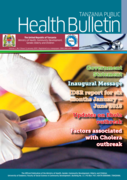
The Tanzania Public Health Bulletin provides updates on important public health issues in Tanzania. It includes government statements, surveillance reports, outbreak updates, and research articles on communicable diseases such as Ebola and cholera. The bulletin aims to inform health professionals, p
...
olicymakers, researchers, and the general public by sharing evidence-based information, surveillance data, and public health recommendations to strengthen disease prevention, outbreak preparedness, and health promotion in Tanzania.
more
