
Filter
6843
Text search:
agency
Featured
614
1932
Language
6198
383
197
145
121
80
64
31
25
20
17
17
14
10
8
8
7
5
5
5
5
5
5
4
4
4
3
3
3
3
3
3
3
3
3
3
3
3
2
2
2
2
2
2
2
2
2
2
2
2
2
1
1
1
1
1
1
1
1
1
1
1
1
1
1
1
1
1
1
Document type
3596
1213
859
428
284
147
146
82
30
20
20
5
4
3
2
Countries
316
214
205
175
163
152
141
135
132
121
117
116
113
105
99
98
95
94
88
86
85
78
77
76
67
66
66
61
59
55
55
50
49
47
47
45
40
38
38
38
37
34
32
31
29
27
27
26
26
26
24
24
24
24
23
22
21
20
19
19
18
18
16
16
14
14
13
12
12
11
11
11
11
10
10
10
9
9
9
9
8
8
7
7
7
6
6
6
6
6
6
5
5
5
5
5
5
5
4
4
4
4
4
4
4
4
4
4
4
4
3
3
3
3
3
3
3
3
3
3
3
3
2
2
2
2
2
2
2
2
2
2
2
2
2
1
1
1
1
1
1
1
1
1
1
1
1
1
1
1
1
1
1
1
1
1
1
Authors & Publishers
777
251
221
181
171
170
152
86
76
56
53
47
43
37
37
34
33
32
31
28
28
28
28
27
26
25
25
24
24
23
23
23
23
22
21
21
21
21
20
20
18
18
17
17
17
17
17
17
16
16
16
15
15
15
15
15
15
14
14
14
14
14
14
14
14
14
14
14
14
13
13
13
13
12
12
12
12
12
12
12
12
12
12
12
11
11
11
11
11
11
10
10
10
10
10
10
10
10
10
10
10
9
9
9
9
9
9
9
9
9
9
9
9
9
8
8
8
8
8
8
8
8
8
8
8
8
8
8
8
7
7
7
7
7
7
7
7
7
7
7
7
7
7
7
7
7
7
6
6
6
6
6
6
6
6
6
6
6
6
6
6
6
6
6
6
6
6
6
6
6
6
6
6
6
6
6
6
6
6
5
5
5
5
5
5
5
5
5
5
5
5
5
5
5
5
5
5
5
5
5
5
5
5
5
5
5
5
5
5
5
5
5
5
5
5
5
5
5
5
5
5
5
5
5
5
5
5
4
4
4
4
4
4
4
4
4
4
4
4
4
4
4
4
4
4
4
4
4
4
4
4
4
4
4
4
4
4
4
4
4
4
4
4
4
4
4
4
4
4
4
4
4
4
4
4
4
4
4
4
4
4
4
4
4
4
4
4
4
4
4
4
4
4
4
4
4
4
4
3
3
3
3
3
3
3
3
3
3
3
3
3
3
3
3
3
3
3
3
3
3
3
3
3
3
3
3
3
3
3
3
3
3
3
3
3
3
3
3
3
3
3
3
3
3
3
3
3
3
3
3
3
3
3
3
3
3
3
3
3
3
3
3
3
3
3
3
3
3
3
3
3
3
3
3
3
3
3
3
3
3
3
3
3
3
3
3
3
3
3
3
3
3
3
3
3
3
3
3
3
3
3
3
3
3
3
3
3
3
3
3
3
3
3
3
3
3
3
3
3
3
3
3
3
3
3
3
3
3
3
3
3
3
3
3
3
3
3
3
3
2
2
2
2
2
2
2
2
2
2
2
2
2
2
2
2
2
2
2
2
2
2
2
2
2
2
2
2
2
2
2
2
2
2
2
2
2
2
2
2
2
2
2
2
2
2
2
2
2
2
2
2
2
2
2
2
2
2
2
2
2
2
2
2
2
2
2
2
2
2
2
2
2
2
2
2
2
2
2
2
2
2
2
2
2
2
2
2
2
2
2
2
2
2
2
2
2
2
2
2
2
2
2
2
2
2
2
2
2
2
2
2
2
2
2
2
2
2
2
2
2
2
2
2
2
2
2
2
2
2
2
2
2
2
2
2
2
2
2
2
2
2
2
2
2
2
2
2
2
2
2
2
2
2
2
2
2
2
2
2
2
2
2
2
2
2
2
2
2
2
2
2
2
2
2
2
2
2
2
2
2
2
2
2
2
2
2
2
2
2
2
2
2
2
2
2
2
2
2
2
2
2
2
2
2
2
2
2
2
2
2
2
2
2
2
2
2
2
2
2
2
2
2
2
2
2
2
2
2
2
2
2
2
2
2
2
2
2
2
2
2
2
2
2
2
2
2
2
2
2
2
2
2
2
2
2
2
2
2
2
2
2
2
2
2
2
2
2
2
2
2
2
2
2
2
2
2
2
2
2
2
2
2
2
2
2
2
2
2
2
2
2
2
2
2
2
2
2
2
2
2
2
2
2
2
2
2
2
2
2
2
2
2
2
2
2
2
2
2
2
2
2
2
2
2
2
2
2
2
2
2
2
2
2
2
2
2
2
2
2
2
2
2
2
2
2
2
2
2
2
2
2
2
2
2
2
2
2
2
2
2
2
2
2
2
2
1
1
1
1
1
1
1
1
1
1
1
1
1
1
1
1
1
1
1
1
1
1
1
1
1
1
1
1
1
1
1
1
1
1
1
1
1
1
1
1
1
1
1
1
1
1
1
1
1
1
1
1
1
1
1
1
1
1
1
1
1
1
1
1
1
1
1
1
1
1
1
1
1
1
1
1
1
1
1
1
1
1
1
1
1
1
1
1
1
1
1
1
1
1
1
1
1
1
1
1
1
1
1
1
1
1
1
1
1
1
1
1
1
1
1
1
1
1
1
1
1
1
1
1
1
1
1
1
1
1
1
1
1
1
1
1
1
1
1
1
1
1
1
1
1
1
1
1
1
1
1
1
1
1
1
1
1
1
1
1
1
1
1
1
1
1
1
1
1
1
1
1
1
1
1
1
1
1
1
1
1
1
1
1
1
1
1
1
1
1
1
1
1
1
1
1
1
1
1
1
1
1
1
1
1
1
1
1
1
1
1
1
1
1
1
1
1
1
1
1
1
1
1
1
1
1
1
1
1
1
1
1
1
1
1
1
1
1
1
1
1
1
1
1
1
1
1
1
1
1
1
1
1
1
1
1
1
1
1
1
1
1
1
1
1
1
1
1
1
1
1
1
1
1
1
1
1
1
1
1
1
1
1
1
1
1
1
1
1
1
1
1
1
1
1
1
1
1
1
1
1
1
1
1
1
1
1
1
1
1
1
1
1
1
1
1
1
1
1
1
1
1
1
1
1
1
1
1
1
1
1
1
1
1
1
1
1
1
1
1
1
1
1
1
1
1
1
1
1
1
1
1
1
1
1
1
1
1
1
1
1
1
1
1
1
1
1
1
1
1
1
1
1
1
1
1
1
1
1
1
1
1
1
1
1
1
1
1
1
1
1
1
1
1
1
1
1
1
1
1
1
1
1
1
1
1
1
1
1
1
1
1
1
1
1
1
1
1
1
1
1
1
1
1
1
1
1
1
1
1
1
1
1
1
1
1
1
1
1
1
1
1
1
1
1
1
1
1
1
1
1
1
1
1
1
1
1
1
1
1
1
1
1
1
1
1
1
1
1
1
1
1
1
1
1
1
1
1
1
1
1
1
1
1
1
1
1
1
1
1
1
1
1
1
1
1
1
1
1
1
1
1
1
1
1
1
1
1
1
1
1
1
1
1
1
1
1
1
1
1
1
1
1
1
1
1
1
1
1
1
1
1
1
1
1
1
1
1
1
1
1
1
1
1
1
1
1
1
1
1
1
1
1
1
1
1
1
1
1
1
1
1
1
1
1
1
1
1
1
1
1
1
1
1
1
1
1
1
1
1
1
1
1
1
1
1
1
1
1
1
1
1
1
1
1
1
1
1
1
1
1
1
1
1
1
1
1
1
1
1
1
1
1
1
1
1
1
1
1
1
1
1
1
1
1
1
1
1
1
1
1
1
1
1
1
1
1
1
1
1
1
1
1
1
1
1
1
1
1
1
1
1
1
1
1
1
1
1
1
1
1
1
1
1
1
1
1
1
1
1
1
1
1
1
1
1
1
1
1
1
1
1
1
1
1
1
1
1
1
1
1
1
1
1
1
1
1
1
1
1
1
1
1
1
1
1
1
1
1
1
1
1
1
1
1
1
1
1
1
1
1
1
1
1
1
1
1
1
1
1
1
1
1
1
1
1
1
1
1
1
1
1
1
1
1
1
1
1
1
1
1
1
1
1
1
1
1
1
1
1
1
1
1
1
1
1
1
1
1
1
1
1
1
1
1
1
1
1
1
1
1
1
1
1
1
1
1
1
1
1
1
1
1
1
1
1
1
1
1
1
1
1
1
1
1
1
1
1
1
1
1
1
1
1
1
1
1
1
1
1
1
1
1
1
1
1
1
1
1
1
1
1
1
1
1
1
1
1
1
1
1
1
1
1
1
1
1
1
1
1
1
1
1
1
1
1
1
1
1
1
1
1
1
1
1
1
1
1
1
1
1
1
1
1
1
1
1
1
1
1
1
1
1
1
1
1
1
1
1
1
1
1
1
1
1
1
1
1
1
1
1
1
1
1
1
1
1
1
1
1
1
1
1
1
1
1
1
1
1
1
1
1
1
1
1
1
1
1
1
1
1
1
1
1
1
1
1
1
1
1
1
1
1
1
1
1
1
1
1
1
1
1
1
1
1
1
1
1
1
1
1
1
1
1
1
1
1
1
1
1
1
1
1
1
1
1
1
1
1
1
1
1
1
1
1
1
1
1
1
1
1
1
1
1
1
1
1
1
1
1
1
1
1
1
1
1
1
1
1
1
1
1
1
1
1
1
1
1
1
1
1
1
1
1
1
1
1
1
1
1
1
1
1
1
1
1
1
1
1
1
1
1
1
1
1
1
1
1
1
1
1
1
1
1
1
1
1
1
1
1
1
1
1
1
1
1
1
1
1
1
1
1
1
1
1
1
1
1
1
1
1
1
1
1
1
1
1
1
1
1
1
1
1
1
1
1
1
1
1
1
1
1
1
1
1
1
1
1
1
1
1
1
1
1
1
1
1
1
1
1
1
1
1
1
1
1
1
1
1
1
1
1
1
1
1
1
1
1
1
1
1
1
1
1
1
1
1
1
1
1
1
1
1
1
1
1
1
1
1
1
1
1
1
1
1
1
1
1
1
1
1
1
1
1
1
1
1
1
1
1
1
1
1
1
1
1
1
1
1
1
1
1
1
1
1
1
1
1
1
1
1
1
1
1
1
1
1
1
1
1
1
1
1
1
1
1
1
1
1
1
1
1
1
1
1
1
1
1
1
1
1
1
1
1
1
1
1
1
1
1
1
1
1
1
1
1
1
1
1
1
1
1
1
1
1
1
1
1
1
1
1
1
1
1
1
1
1
1
1
1
1
1
1
1
1
1
1
1
1
1
1
1
1
1
1
1
1
1
1
1
1
1
1
1
1
1
1
1
1
1
1
1
1
1
1
1
1
1
1
1
1
1
1
1
1
1
1
1
1
1
1
1
1
1
1
1
1
1
1
1
1
1
1
1
1
1
1
1
1
1
1
1
1
1
1
1
1
1
1
1
1
1
1
1
1
1
1
1
1
1
1
1
1
1
1
1
1
1
1
1
1
1
1
1
1
1
1
1
1
1
1
1
1
1
1
1
1
1
1
1
1
1
1
1
1
1
1
1
1
1
1
1
1
1
1
1
1
1
1
1
1
1
1
1
1
1
1
1
1
1
1
1
1
1
1
1
1
1
1
1
1
1
1
1
1
1
1
1
1
1
1
1
1
1
1
1
1
1
1
1
1
1
1
1
1
1
1
1
1
1
1
1
1
1
1
1
1
1
1
1
1
1
1
1
1
1
1
1
1
1
1
1
1
1
1
1
1
1
1
1
1
1
1
1
1
1
1
1
1
1
1
1
1
1
1
1
1
1
1
1
1
1
1
1
1
1
1
1
1
1
1
1
1
1
1
1
1
1
1
1
1
1
1
1
1
1
1
1
1
1
1
1
1
1
1
1
1
1
1
1
1
1
1
1
1
1
1
1
1
1
1
1
1
1
1
1
1
1
1
1
1
1
1
1
1
1
1
1
1
1
1
1
1
1
1
1
1
1
1
1
1
1
1
1
1
1
1
1
1
1
1
1
1
1
1
1
1
1
1
1
1
1
1
1
1
1
1
1
1
1
1
1
1
1
1
1
1
1
1
1
1
1
1
1
1
1
1
1
1
1
1
1
1
1
1
1
1
1
1
1
1
1
1
1
1
1
1
1
1
1
1
1
1
1
1
1
1
1
1
1
1
1
1
1
1
1
1
1
1
1
1
1
1
1
1
1
1
1
1
1
1
1
1
1
1
1
1
1
1
1
1
1
1
1
1
1
1
1
1
1
1
1
1
1
1
1
1
1
1
1
1
1
1
1
1
1
1
1
1
1
1
1
1
1
1
1
1
1
1
1
1
1
1
1
1
1
1
1
1
1
1
1
1
1
1
1
1
1
1
1
1
1
1
1
1
1
1
1
1
1
1
1
1
1
1
1
1
1
1
1
1
1
1
1
1
1
1
1
1
1
1
1
1
1
1
1
1
1
1
1
1
1
1
1
1
1
1
1
1
1
1
1
1
1
1
1
1
1
1
1
1
1
1
1
1
1
1
1
1
1
1
1
1
1
1
1
1
1
1
1
1
1
1
1
1
1
1
1
1
1
1
1
1
1
1
1
1
1
1
1
1
1
1
1
1
1
1
1
1
1
1
1
1
1
1
1
1
1
1
1
1
1
1
1
1
1
1
1
1
1
1
1
1
1
1
1
1
1
1
1
1
1
1
1
1
1
1
1
1
1
1
1
1
1
1
1
1
1
1
1
1
1
1
1
1
1
1
1
1
1
1
1
1
1
1
1
1
1
1
1
1
1
1
1
1
1
1
1
1
1
1
1
1
1
1
1
1
1
1
1
1
1
1
1
1
1
1
1
1
1
1
1
1
1
1
1
1
1
1
1
1
1
1
1
1
1
1
1
1
1
1
1
1
1
1
1
1
1
1
1
1
1
1
1
1
1
1
1
1
1
1
1
1
1
1
1
1
1
1
1
1
1
1
1
1
1
1
1
1
1
1
1
1
1
1
1
1
1
1
1
1
1
1
1
1
1
1
1
1
1
1
1
1
1
1
1
1
1
1
1
1
1
1
1
1
1
1
1
1
1
1
1
1
1
1
1
1
1
1
1
1
1
1
1
1
1
1
1
1
1
1
1
1
1
1
1
1
1
1
1
1
1
1
1
1
1
1
1
1
1
1
1
1
1
1
1
1
1
1
1
1
1
1
1
1
1
1
1
1
1
1
1
1
1
1
1
1
1
1
1
1
1
1
1
1
1
1
1
1
1
1
1
1
1
1
1
1
1
1
1
1
1
1
1
1
1
1
1
1
1
1
1
1
1
1
1
1
1
1
1
1
1
1
1
1
1
1
1
1
1
1
1
1
1
1
1
1
1
1
1
1
1
1
1
1
1
1
1
1
1
1
1
1
1
1
1
1
1
1
1
1
1
1
1
1
1
1
1
1
1
1
1
1
1
1
1
1
1
1
1
1
1
1
1
1
1
1
1
1
1
1
1
1
1
1
1
1
1
1
1
1
1
1
1
1
1
1
1
1
1
1
1
1
1
1
1
1
1
1
1
1
1
1
1
1
1
1
1
1
1
1
1
1
1
1
1
1
1
1
1
1
1
1
1
1
1
1
1
1
1
1
1
1
1
1
1
1
1
1
1
1
1
1
1
1
1
1
1
1
1
1
1
1
1
1
1
1
1
1
1
1
1
1
1
1
1
1
1
1
1
1
1
1
1
1
1
1
1
1
1
1
1
1
1
1
1
1
1
1
1
1
1
1
1
1
1
1
1
1
1
1
1
1
1
1
1
1
1
1
1
1
1
1
1
1
1
1
1
1
1
1
1
1
1
1
1
1
1
1
1
1
1
1
1
1
1
1
1
1
1
1
1
1
1
1
1
1
1
1
1
1
1
1
1
1
1
1
1
1
1
1
1
1
1
1
1
1
1
1
1
1
1
1
1
1
1
1
1
1
1
1
1
1
1
1
1
1
1
1
1
1
1
1
1
1
1
1
1
1
1
1
1
1
1
1
1
1
1
1
1
1
1
1
1
1
1
1
1
1
1
1
1
1
1
1
1
1
1
1
1
1
1
1
1
1
1
1
1
1
1
1
1
1
1
1
1
1
1
1
1
1
1
1
1
1
1
1
1
1
1
1
1
1
1
1
1
1
1
1
1
1
1
1
1
1
1
1
1
1
1
1
1
1
1
1
1
1
1
1
1
1
1
1
1
1
1
1
1
1
1
1
1
1
1
1
1
1
1
1
1
1
1
1
1
1
1
1
1
1
1
1
1
1
1
1
1
1
1
1
1
1
1
1
1
1
1
1
1
1
1
1
1
1
1
1
1
1
1
1
1
1
1
1
1
1
1
1
1
1
1
1
1
1
1
1
1
1
1
1
1
1
1
1
1
1
1
1
1
1
1
1
1
1
1
1
1
1
1
1
1
1
1
1
1
1
1
1
1
1
1
1
1
1
1
1
1
1
1
1
1
1
1
1
1
1
1
1
1
1
1
1
1
1
1
1
1
1
1
1
1
1
1
1
1
1
1
1
1
1
1
1
1
1
1
1
1
1
1
1
1
1
1
1
1
1
1
1
1
1
1
1
1
1
1
1
1
1
1
1
1
1
1
1
1
1
1
1
1
1
1
1
1
1
1
1
1
1
1
1
1
1
1
1
1
1
1
1
1
1
1
1
1
1
1
1
1
1
1
1
1
1
1
1
1
1
1
1
1
1
1
1
1
1
1
1
1
1
1
1
1
1
1
1
1
1
1
1
1
1
1
1
1
1
1
1
1
1
1
1
1
1
1
1
1
1
1
1
1
1
1
1
1
1
1
1
1
1
1
1
1
1
1
1
1
1
1
1
1
1
1
1
1
1
1
1
1
1
1
1
1
1
1
1
1
1
1
1
1
1
1
1
1
1
1
1
1
1
1
1
1
1
1
1
1
1
1
1
1
1
1
1
1
1
1
1
1
1
1
1
1
1
1
1
1
1
1
1
1
1
1
1
1
1
1
1
1
1
1
1
1
1
1
1
1
1
1
1
1
1
1
1
1
1
1
1
1
1
1
1
1
1
1
1
1
1
1
1
1
1
1
1
1
1
1
1
1
1
1
1
1
1
1
1
1
1
1
1
1
1
1
1
1
1
1
1
1
1
1
1
1
1
1
1
1
1
1
1
1
1
1
1
1
1
1
1
1
1
1
1
1
1
1
1
1
1
1
1
1
1
1
1
1
1
1
1
1
1
1
1
1
1
1
1
1
1
1
1
1
1
1
1
1
1
1
1
1
1
1
1
1
1
1
1
1
1
1
1
1
1
1
1
1
1
1
1
1
1
1
1
1
1
1
1
1
1
1
1
1
1
1
1
1
1
1
1
1
1
1
1
1
1
1
1
1
1
1
1
1
1
1
1
1
1
1
1
1
1
1
1
1
1
1
1
1
1
1
1
1
1
1
1
1
1
1
1
1
1
1
1
1
1
1
1
1
1
1
1
1
1
1
1
1
1
1
1
1
1
1
1
1
1
1
1
1
1
1
1
1
1
1
1
1
1
1
1
1
1
1
1
1
1
1
1
1
1
1
1
1
1
1
1
1
1
1
1
1
1
1
1
1
1
1
1
1
1
1
1
1
1
1
1
1
1
1
1
1
1
1
1
1
1
1
1
1
1
1
1
1
1
1
1
1
1
1
1
1
1
1
1
1
1
1
1
1
1
1
1
1
1
1
1
1
1
1
1
1
1
1
1
1
1
1
1
1
1
1
1
1
1
1
1
1
1
1
1
1
1
1
1
1
1
1
1
1
1
1
1
1
1
1
1
1
1
1
1
1
1
1
1
1
1
1
1
1
1
1
1
1
1
1
1
1
1
1
1
1
1
1
1
1
1
1
1
1
1
1
1
1
1
1
1
1
1
1
1
1
1
1
1
1
1
1
1
1
1
1
1
1
1
1
1
1
1
1
1
1
1
1
1
1
1
1
1
1
1
1
1
1
1
1
1
1
1
1
1
1
1
1
1
1
1
1
1
1
1
1
1
1
1
1
1
1
1
1
1
1
1
1
1
1
1
1
1
1
1
1
1
1
1
1
1
1
1
1
1
1
1
1
1
1
1
1
1
1
1
1
1
1
1
1
1
1
1
1
1
1
1
1
1
1
1
1
1
1
1
1
1
1
1
1
1
1
1
1
1
1
1
1
1
1
1
1
1
1
1
1
1
1
1
1
1
1
1
1
1
1
1
1
1
1
1
1
1
1
1
1
1
1
1
1
1
1
1
1
1
1
1
1
1
1
1
1
1
1
1
1
1
1
1
1
1
1
1
1
1
1
1
1
1
1
1
1
1
1
1
1
1
1
1
1
1
1
1
1
1
1
1
1
1
1
1
1
1
1
1
1
1
1
1
1
1
1
1
1
1
1
1
1
1
1
1
1
1
1
1
1
1
1
1
1
1
1
1
1
1
1
1
1
1
1
1
1
1
1
1
1
1
1
1
1
1
1
1
1
1
1
1
1
1
1
1
1
1
1
1
1
1
1
1
1
1
1
1
1
1
1
1
1
1
1
1
1
1
1
1
1
1
1
1
1
1
1
1
1
1
1
1
1
1
1
1
1
1
1
1
1
1
1
1
1
1
1
1
1
1
1
1
1
1
1
1
1
1
1
1
1
1
1
1
1
1
1
1
1
1
1
1
1
1
1
1
1
1
1
1
1
1
1
1
1
1
1
1
1
1
1
1
1
1
1
1
1
1
1
1
1
1
1
1
1
1
1
1
1
1
1
1
1
1
1
1
1
1
1
1
1
1
1
1
1
1
1
1
1
1
1
1
1
1
1
1
1
1
1
1
1
1
1
1
1
1
1
1
1
1
1
1
1
1
1
1
1
1
1
1
1
1
1
1
1
1
1
1
1
1
1
1
1
1
1
1
1
1
1
1
1
1
1
1
1
1
1
1
1
1
1
1
1
1
1
1
1
1
1
1
1
1
1
1
1
1
1
1
1
1
1
1
1
1
1
1
1
1
1
1
1
1
1
1
1
1
1
1
1
1
1
1
1
1
1
1
1
1
1
1
1
1
1
1
1
1
1
1
1
1
1
1
1
1
1
1
1
1
1
1
1
1
1
1
1
1
1
1
1
1
1
1
1
1
1
1
1
1
1
1
1
1
1
1
1
1
1
1
1
1
1
1
1
1
1
1
1
1
1
1
1
1
1
1
1
1
1
1
1
1
1
1
1
1
1
1
1
1
1
1
1
1
1
1
1
1
1
1
1
1
1
1
1
1
1
1
1
1
1
1
1
1
1
1
1
1
1
1
1
1
1
1
1
1
1
1
1
1
1
1
1
1
1
1
1
1
1
1
1
1
1
1
1
1
1
1
1
1
1
1
1
1
1
1
1
1
1
1
1
1
1
1
1
1
1
1
1
1
1
1
1
1
1
1
1
1
1
1
1
1
1
1
1
1
1
1
1
1
1
1
1
1
1
1
1
1
1
1
1
1
1
1
1
1
1
1
1
1
1
1
1
1
1
1
1
1
1
1
1
1
1
1
1
1
1
1
1
1
1
1
1
1
1
1
1
1
1
1
1
1
1
1
1
1
1
1
1
1
1
1
1
1
1
1
1
1
1
1
1
1
1
1
1
1
1
1
1
1
1
1
1
1
1
1
1
1
1
1
1
1
1
1
1
1
1
1
1
1
1
1
1
1
1
1
1
1
1
1
1
1
1
1
1
1
1
1
1
1
1
1
1
1
1
1
1
1
1
Publication Years
2120
4167
531
21
2
1
1
Category
2764
562
431
378
323
129
70
Toolboxes
563
442
313
299
294
294
226
182
171
166
165
146
145
126
116
107
107
100
83
83
74
58
36
28
22
7
2

COVID-19: Guidelines for case-finding, diagnosis, management and public health response in South Africa
recommended
Bham A., J. Bhiman, F. Bongweni et al.
Centre for Respiratory Diseases and Meningitis and Outbreak Response
(2020)
C2
The information contained in this document, be it guidelines, recommendations, diagnostic algorithms or treatment regimens, are offered in this document in the public interest. To the best of the knowledge of the guideline writing team, the information contained in these guidelines is correct. Imple
...
mentation of any aspect of these guidelines remains the responsibility of the implementing agency in so far as public health liability resides, or the responsibility of the individual clinician in the case of diagnosis or treatment.
more
Antimicrobials have been a critical public health tool since the discovery of penicillin in 1928, saving the lives of millions of people around the world. Today, however, the emergence of drug resistance is reversing the miracles of the past eighty years, with drug choices for the treatment of many
...
infections becoming increasingly limited, expensive, and, in some cases, non-existent.
Conscious of the public health threats of AMR to both humans, animals and the environment, the ministries of health and sanitation, agriculture forestry and food security and the environmental protection agency put together a national multi-sectoral coordinating group tasked with the responsibility of establishing mechanisms to integrate all initiatives into a single concerted action and development of the national AMR strategic plan (2018-2022). The National Strategic Plan on Antimicrobial Resistance is the first approach which addresses AMR specifically.
more
Accessed: 27.04.2020
United Nations Coordinated Appeal, April - December 2020
At the time of writing, many priority countries are working on or just issuing their revised plans for the COVID-19 response. Funding requirements have not yet been estimated for a number of countries. For this reaso
...
n, individual country requirements will be provided in the next update of the Global Humanitarian Response Plan (HRP).
The COVID-19 Global HRP is a joint effort by members of the Inter-Agency Standing Committee (IASC), including UN, other international organizations and NGOs with a humanitarian mandate, to analyse and respond to the direct public health and indirect immediate humanitarian consequences of the pandemic, particularly on people in countries already facing other crises.
more
Sphere Handbook in Haitian Creole
recommended
The Sphere Handbook "Humanitarian Charter and Minimum Standards in Disaster Response" is now available in Haitian Creole.
This translation has been coordinated by Oxfam Canada and funded by the following members of the Policy Action Group on Emergency Response (PAGER Canada): World Vision Canada,
...
Plan Canada, Oxfam Quebec, Development and Peace, CARE Canada, Canadian Red Cross, Save the Children Canada, Christian Children's Fund of Canada, Mennonite Central Committee of Canada and Adventist Development and Relief Agency of Canada.
more

The 2021 COVID-19 Strategic Preparedness and Response Plan (SPRP) for AFR serves as a regional guide for a holistic public health response to COVID‑19 at regional, national and sub-national levels. The 2021
SPRP:
1. Builds upon the lessons learnt from the implementation of the 2020 SPRP and outl
...
ines a regional preparedness, response and recovery strategy for COVID‑19.
2. Has been adapted to reflect the Regional context including COVID-19 vaccination. It also considers epidemiological changes and recommen-dations emerging from the evaluation report of the 2020 SPRP4.
3. Highlights to Member States strategic preparedness and response actions to be sustained at national and sub-national levels, as well as the critical inter-agency and partner support required.
4. provides the indicative resource requirements to reinforce WHO planned interventions in the African Region to enhance countries’ capacities to suppress transmission, save lives and mitigate the impact of the pandemic on people and health systems.
5. Provides a road map for mitigating potential resurgence in the Region as economies reopen and ensure country level continuity of other essential health services.
more

It provides curriculum development and technology tools to organizations that want to create workers who transform health in America’s communities. Talance, Inc., lends its clients straight-forward strategies that determine what their staff needs to know, how best to reach them and how to spur ong
...
oing learning. Find resources to help manage your community-focused health worker team and agency in a time of need.
more
The spillover of infectious agents from animals to humans in recent decades has had a significant impact on the health of humans, animals, and our environment. To minimize the impact of future pandemic threats, the Southeast Asia One Health University Network (SEAOHUN) was established in 2011 to dev
...
elop the next generation of skillful and competent One Health (OH) workforce with support from the U.S. Agency for International Development and its One Health Workforce project.
more
This Strategic Operating Framework (SOF) has been developed to guide WASH Sector partners in responding to humanitarian needs in Sudan in conjunction with the existing and forthcoming humanitarian response plans (2022 and 2023). This SOF is drafted in consultation with the Strategic Advisory Group (
...
SAG) at the national level and will be revised as the humanitarian situation evolves in line with changes made to the WASH Cluster response plan and other guidance received by the SAG and the Technical Working Groups. However, by adhering to the cluster (Sector) approach, the partners agree to:
Assist the authorities in responding to the WASH needs of the population affected.
Promote a common understanding of the WASH sector needs and interventions in the response context among the WASH partners.
Ensure a well-coordinated response and consequently increase the efficiency, effectiveness, and impact of individual agency responses; and
Align towards common humanitarian principles and operational objectives.
Partners to conform to the broad operational framework outlined in this document. Agencies that breach these guidelines will be expected to provide clear justification to the WASH Sector and other WASH Sector partners through the SAG
more

Promoting health and preventing disease is a critical component of the effort required to achieve Universal Health Coverage (UHC). to date, efforts to achieve UHC have focused mostly on strengthening health systems and their capacities to provide curative care. However, experience from the COVID-19
...
pandemic has reaffirmed the need for resilient health systems, emphasizing primary health care, including preventive and promotive health and well-being.
Emerging from the eye of the storm as the global health lead agency during the pandemic, WHO is equipped with the required insights and actions for a holistic approach to “building back fairer and better” after COVID-19.
The Healthier Populations (UHP) Cluster in the African Region is designed to support Pillar 3 of WHO’s 13th Global Programme of Work (GPW13) which aims to make 1 billion people healthier by reducing health inequities, preventing diseases and injuries, addressing health determinants, and promoting partnerships for collaborative actions amongst all stakeholders.
more

Each humanitarian setting provides distinct opportunities and challenges for actors to coordinate and collaborate at strategic and operational levels. The Health and Protection Joint Operational Framework has been developed to ensure that the health and protection response during humanitarian emerge
...
ncies can adapt to each environment and is adequately coordinated to ensure high-quality services to meet the needs of affected individuals and at-risk groups based on their situation or vulnerabilities.
The Health and Protection JOF was conceived in 2019 as a collaboration between the Global Health Cluster (GHC), the Global Protection Cluster (GPC) and its Areas of Responsibility (AoRs), the Inter-Agency Standing Committee Reference Group on Mental Health and Psychosocial Support in Emergency Settings (IASC MHPSS RG), and the Inter-Agency Working Group for Reproductive Health in Crisis (IAWG), in addition to key technical experts.
A Steering Group (SG) comprised of representatives from each of these entities guided the framework through a joint global analysis of good practices, gaps, and barriers to integrated and inter-sectoral response coordination. This included a mixed methods review of policy and practice, a survey of humanitarian experts, multiple case studies, structured stakeholder interviews, and field visits. This exercise produced a zero-draft which was then reviewed by field practitioners in three operational contexts to clarify and fully coordinate its operationally focused lens. Finally, the JOF was reviewed by the SG including via a series of consultations in early 2023 to consolidate the current framework.
more
To assess national-level responses to NCDs, WHO has implemented NCD country capacity surveys periodically since 2001. This report is the latest in that series. Since the first survey round, the NCD Country Capacity Survey (NCD CCS) has been conducted a further seven times, most recently in 2021. In
...
the survey, completed by the NCD focal point within each country’s ministry of health or similar agency, countries are asked to report on the following topics relating to NCDs: (i) public health infrastructure, partnerships and multisectoral collaboration; (ii) policies, strategies and action plans; (iii) health information systems and surveillance; (iv) health system capacity for detection, treatment and care; and, added for 2021, (v) the impact of the COVID-19 pandemic on NCD-related resources and activities. The questionnaire is web-based and requires supporting documentation wherever possible. In the 2021 round, data were collected from May onwards, with the last survey responses arriving in September. Validation was carried out by WHO regional offices and WHO headquarters. Country responses to previous rounds of the survey were incorporated into the analysis to assess progress since 2010. Although all 194 Member States responded to the survey, data comparisons were restricted to the 160 countries that had responded to all rounds of the survey since 2010.
more

Background: Donor countries in the Middle East and North Africa (MENA) including Saudi Arabia, Kuwait and United Arab Emirates (UAE) have been among the largest donors in the world. However, little is known about their contributions for health. In this study, we addressed this gap by estimating the
...
amount of development assistance for health (DAH) contributed by MENA country donors from 2000 to 2017. Methods: We tracked DAH provided and received by the MENA region leveraging publicly available development assistance data in the Development Assistance Committee (DAC) database of the Organisation for Economic Cooperation and Development (OECD), government agency reports and financial statements from key international development agencies. We generated estimates of DAH provided by the three largest donor countries in the MENA region (UAE, Kuwait, Saudi Arabia) and compared contributions to their relative gross domestic product (GDP) and government spending; We captured DAH contributions by other MENA country governments (Egypt, Iran, Qatar, Turkey, etc.) disbursed through multilateral agencies. Additionally, we compared DAH contributed from and provided to the MENA region.
more
It is widely understood that the food insecurity crisis in the Sahel and the Horn of Africa is one of the world’s fastest growing and most neglected crises. It lacks sufficient global focus, resources and urgency. As in so many crises, women and girls are disproportionately affected and shoulder t
...
he consequences of protracted neglect, with unconscionable impacts on their safety, life chances and agency.
Gaining a holistic view of the gendered drivers, risks and impacts of food insecurity in the Sahel and the Horn of Africa is difficult. This is due to a lack of data and prioritization, and the large geographical and socioeconomic terrain covered by both regions. However, what we do know about this crisis is more than enough to urgently address the needs of women and girls.
An OCHA discussion paper on this topic (which will be published imminently, and from which this policy brief is drawn) found that there is:
A strong risk of profound regression in gender equality gains made to date in the countries of concern, including on education, sexual and reproductive health, and the economic independence of women and girls (with knock-on effects on broader humanitarian and development outcomes).
An increasing challenge to reverse what must be recognized as a protracted and growing gender-based violence (GBV) emergency in the Sahel and the Horn of Africa.
The food insecurity crisis in the Sahel and the Horn of Africa is protracted, multidimensional and highly gendered, with spiralling impacts on gender equality and food security outcomes. It is driven by interwoven and overlapping factors, including climate change, political instability, conflict, socioeconomic conditions, migration and displacement and, more recently, COVID-19 and the war in Ukraine. Interlinked with these factors are gendered structural drivers of food insecurity, including deeply entrenched gender inequalities and harmful social norms. Gendered risks and impacts of food insecurity include alarming limitations on access to education, sexual and reproductive health rights, women’s agency and participation, and dramatic increases in different existing forms of GBV and the emergence of new ones. Recognition of such gendered dimensions of food insecurity and of the need for a multisectoral approach in the response is key to addressing the crisis, along-side sustained commitment and adequate allocation of resources. This policy brief draws out key findings from the OCHA discussion paper on this topic, which includes a desk review of studies, assessments and reports, and interviews with local women’s organizations on the front lines of the food insecurity crisis in communities across both regions.
Below are the most pressing gendered drivers, risks and impacts of food insecurity (not in order of priority), as well as key gaps in the current humanitarian response to food insecurity, and recommendations to take forward.
more
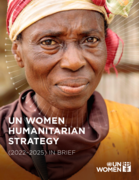
This publication provides an overview of UN Women’s commitments to the humanitarian community guided by the “UN Women strategic plan 2022–2025”. It highlights areas where UN Women has a unique advantage in advancing gender equality and the empowerment of women and girls across the humanitari
...
an–development–peace nexus, and in contributing to the Inter-Agency Standing Committee priorities, including localization and accountability to affected people.
The strategy adopts a two-pronged approach:
strengthening accountability towards gender commitments in coordination and implementation of UN-led humanitarian and refugee responses, and
strengthening comprehensive protection and livelihoods support to crisis-affected women and girls.
While taking these approaches, UN Women prioritizes amplifying women’s voices, leadership, and agency as a critical and enabling cross-cutting area.
more

In In recent years, China has increased its international engagement in health. Nonetheless, the lack
of data on contributions has limited efforts to examine contributions from China. Existing estimates that track
development assistance for health (DAH) from China have relied primarily on one data
...
set. Furthermore, little is known
about the disbursing agencies especially the multilaterals through which contributions are disbursed and how these
are changing across time. In this study, we generated estimates of DAH from China from 2007 through 2017 and
disaggregated those estimates by disbursing agency and health focus area.
more
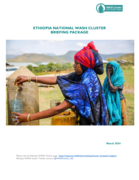
The document is part of the briefing package for Ethiopia's Water, Sanitation, and Hygiene (WASH) Cluster, which consists of resources that provide greater clarity and guidance to the cluster partners and other humanitarian actors.
The document is divided into four sections. Each section represen
...
ts the cluster’s coordination system (i) WASH Cluster coordination management, (ii) HPC process, (iii) Response monitoring, (iv) WASH response, and (v) Cluster meeting coordination.
Cluster Overview
The WASH Cluster in Ethiopia is part of and supports the Ministry of Water and Energy (MoWE). MoWE leads the WASH cluster emergency task force (ETF), which is co-led by the WASH Cluster secretariat hosted by UNICEF. In Ethiopia, the WASH Cluster was established with the activation of the cluster approach in 2006, and UNICEF, as the global Cluster Lead Agency, was assigned to appoint the WASH Cluster Coordinator.
The WASH Cluster aims to provide guidance and support to its partners to ensure well-coordinated, quality assistance reaches those in need in accordance with humanitarian standards and principles. Conflict, severe drought conditions, seasonal flooding, and Cholera remain the key drivers of WASH needs in Ethiopia.
In 2024, the WASH Cluster aims to work with 79 partners to preserve life, well-being, and dignity and reduce the risk of WASH-related disease through timely interventions to vulnerable populations and preparedness to respond to shocks. Significant humanitarian WASH needs in 2024 are projected with a rigorous HPC process in Ethiopia.
The Humanitarian Program Cycle
The humanitarian program cycle (HPC) is a coordinated series of actions to help prepare for, manage, and deliver humanitarian response. It consists of five coordinated elements, each step logically building on the previous and leading to the next. Successful implementation of the HPC depends on effective emergency preparedness, effective coordination with national/local authorities and humanitarian actors, and information management. Affected people are central to the response; preparedness, coordination, and information management processes continually occur.
more

The World Food Programme (WFP) has taken important steps to progress disability inclusion across its programming and operations. In late 2022, WFP commissioned the Nossal Institute, University of Melbourne in partnership with the Faculty of Psychology, Universitas Gadjah Mada, Indonesia to identify
...
pathways for increasing disability inclusion in WFP’s emergency preparedness and response (EPR) programming.
The study explored WFP’s programming in Indonesia and the Philippines, including WFP’s advisory, technical assistance and service provision roles to government and partners and informed the development of this guide (see appendix 2). As general guidance on disability inclusion is increasingly available, the purpose of this guide is to contextualize disability inclusion in WFP’s emergency preparedness and response programming. The guide builds on core reference materials, such as the Inter-Agency Standing Committee (IASC) Guidelines on Inclusion of Persons with Disabilities in Humanitarian Action, 2019. While of wider relevance, this guide is directed at WFP’s EPR programming in Asia and the Pacific.
more
This new Policy aims at ensuring that evidence-based, highimpact nutrition interventions are developed and implemented at scale. The Policy will be implemented in line with the overarching National Development Strategy, which considers nutrition as one of the priority area under the social developme
...
nt thematic area.
The Policy is aligned with the Scaling Up Nutrition movement, global declarations and commitments, which Malawi is signatory such as the Sustainable Development Goals and the World Health Assembly targets. The Government of Malawi is indebted to all the people and institutions that were involved in reviewing the Policy. Special appreciation goes to the World Bank, Canadian International Development Agency, United States Agency for International Development – through the Food and Nutrition Technical Assistance III Project, and the United Nations organisations for their financial and technical support.
more

The Global Health Expenditure Report delves into the intricate landscape of global economies and health systems. This year, it focuses on health spending in 2022, the third year of the COVID-19 pandemic. It shows how countries around the world responded to the health and economic shocks of the pande
...
mic from a financial perspective. It also considers what the future may hold as countries emerge from the pandemic. Although it is still too early to gauge whether the COVID-19 pandemic has altered long-term trends in health spending, spending appears to have peaked and is now at or below its long-term rising trend in most country income groups. Additionally, to mark the 25th anniversary of the World Health Organization’s (WHO) Health Expenditure Tracking Program, the report reviews the program’s achievements and envisions a path forward. As the program’s lead technical agency, WHO is committed to working closely with partners to support countries in tracking health spending and sustaining the Global Health Expenditure Database and the Global Health Expenditure Report as global public goods.
more
Campbell Syst Review Vol. 18 no.1.
Despite progress in several dimensions of the global HIV response, there seems to be a significant gender and age disparity. Numerous organizations consider it a top priority to accelerate HIV prevention programming among Adolescent Girls and Young Women (AGYW) as
...
unequal gender norms, limited agency and voice, and reduced access to resources put them at higher HIV risk. Gender and age have also been identified as critical gaps within prevention research to ensure the development of biomedical interventions that are responsive to the biological and social needs of AGYW. Towards this, the objectives of the proposed evidence and gap map are to; identify and map existing evidence and gaps on the use of diverse Social and Behaviour Change Communication (SBCC) strategies to strengthen adoption of HIV prevention measures and participation in research among AGYW in LMICs; and, identify areas where more interventions and evidence are needed to inform the design of future SBCC strategies and programs for AGYW engagement in HIV prevention and research.
more
