
Filter
4459
Text search:
priority
diseases
Featured
446
1224
Language
4378
95
74
58
43
31
26
11
4
3
3
3
2
2
2
2
2
1
1
1
1
1
1
1
1
1
1
1
1
1
1
1
1
1
1
1
1
1
1
1
1
1
1
1
1
1
1
1
1
1
Document type
2209
868
623
285
279
62
62
46
12
7
3
1
1
Countries / Regions
247
157
147
112
105
98
92
91
91
90
84
79
72
72
69
61
59
59
51
51
47
46
37
34
34
33
32
29
27
26
26
26
25
24
23
22
22
22
21
20
20
19
17
13
13
13
12
12
12
11
11
11
11
9
9
8
7
7
7
7
7
7
7
6
6
6
6
6
6
6
6
5
5
5
5
5
4
4
4
4
4
4
4
3
3
3
3
3
3
3
3
2
2
2
2
2
2
2
2
2
2
2
2
2
2
2
2
2
2
1
1
1
1
1
1
1
1
1
1
1
1
1
1
1
1
1
1
1
1
1
1
1
1
1
1
1
1
1
1
1
1
1
1
1
Authors & Publishers
751
221
161
161
152
72
65
58
50
43
32
31
26
24
20
19
19
19
19
18
18
18
17
17
16
16
16
15
15
14
14
14
13
13
13
12
12
12
12
12
12
11
11
11
11
11
11
10
10
10
10
10
10
10
10
10
10
9
9
9
9
9
9
9
9
9
9
9
9
8
8
8
8
8
8
8
8
8
8
8
8
7
7
7
7
7
7
7
7
7
7
6
6
6
6
6
6
6
6
6
6
6
6
6
6
6
6
6
6
6
6
5
5
5
5
5
5
5
5
5
5
5
5
5
5
5
5
5
5
5
5
5
5
5
5
5
5
4
4
4
4
4
4
4
4
4
4
4
4
4
4
4
4
4
4
4
4
4
4
4
4
4
4
4
4
4
4
4
4
4
4
4
4
3
3
3
3
3
3
3
3
3
3
3
3
3
3
3
3
3
3
3
3
3
3
3
3
3
3
3
3
3
3
3
3
3
3
3
3
3
3
3
3
3
3
3
3
3
3
3
3
3
3
3
3
3
3
3
3
3
3
3
3
3
3
3
3
3
3
3
3
3
3
3
3
3
3
3
3
3
3
3
3
2
2
2
2
2
2
2
2
2
2
2
2
2
2
2
2
2
2
2
2
2
2
2
2
2
2
2
2
2
2
2
2
2
2
2
2
2
2
2
2
2
2
2
2
2
2
2
2
2
2
2
2
2
2
2
2
2
2
2
2
2
2
2
2
2
2
2
2
2
2
2
2
2
2
2
2
2
2
2
2
2
2
2
2
2
2
2
2
2
2
2
2
2
2
2
2
2
2
2
2
2
2
2
2
2
2
2
2
2
2
2
2
2
2
2
2
2
2
2
2
2
2
2
2
2
2
2
2
2
2
2
2
2
2
2
2
2
2
2
2
2
2
2
2
2
2
2
2
2
2
2
2
2
2
2
2
2
2
2
2
2
2
2
2
2
2
2
2
2
2
2
2
2
2
2
2
2
2
2
2
2
2
2
2
2
2
2
2
2
2
2
2
2
2
2
2
2
2
2
2
2
2
2
2
2
2
2
2
2
2
2
2
2
2
2
2
2
2
2
2
2
2
2
1
1
1
1
1
1
1
1
1
1
1
1
1
1
1
1
1
1
1
1
1
1
1
1
1
1
1
1
1
1
1
1
1
1
1
1
1
1
1
1
1
1
1
1
1
1
1
1
1
1
1
1
1
1
1
1
1
1
1
1
1
1
1
1
1
1
1
1
1
1
1
1
1
1
1
1
1
1
1
1
1
1
1
1
1
1
1
1
1
1
1
1
1
1
1
1
1
1
1
1
1
1
1
1
1
1
1
1
1
1
1
1
1
1
1
1
1
1
1
1
1
1
1
1
1
1
1
1
1
1
1
1
1
1
1
1
1
1
1
1
1
1
1
1
1
1
1
1
1
1
1
1
1
1
1
1
1
1
1
1
1
1
1
1
1
1
1
1
1
1
1
1
1
1
1
1
1
1
1
1
1
1
1
1
1
1
1
1
1
1
1
1
1
1
1
1
1
1
1
1
1
1
1
1
1
1
1
1
1
1
1
1
1
1
1
1
1
1
1
1
1
1
1
1
1
1
1
1
1
1
1
1
1
1
1
1
1
1
1
1
1
1
1
1
1
1
1
1
1
1
1
1
1
1
1
1
1
1
1
1
1
1
1
1
1
1
1
1
1
1
1
1
1
1
1
1
1
1
1
1
1
1
1
1
1
1
1
1
1
1
1
1
1
1
1
1
1
1
1
1
1
1
1
1
1
1
1
1
1
1
1
1
1
1
1
1
1
1
1
1
1
1
1
1
1
1
1
1
1
1
1
1
1
1
1
1
1
1
1
1
1
1
1
1
1
1
1
1
1
1
1
1
1
1
1
1
1
1
1
1
1
1
1
1
1
1
1
1
1
1
1
1
1
1
1
1
1
1
1
1
1
1
1
1
1
1
1
1
1
1
1
1
1
1
1
1
1
1
1
1
1
1
1
1
1
1
1
1
1
1
1
1
1
1
1
1
1
1
1
1
1
1
1
1
1
1
1
1
1
1
1
1
1
1
1
1
1
1
1
1
1
1
1
1
1
1
1
1
1
1
1
1
1
1
1
1
1
1
1
1
1
1
1
1
1
1
1
1
1
1
1
1
1
1
1
1
1
1
1
1
1
1
1
1
1
1
1
1
1
1
1
1
1
1
1
1
1
1
1
1
1
1
1
1
1
1
1
1
1
1
1
1
1
1
1
1
1
1
1
1
1
1
1
1
1
1
1
1
1
1
1
1
1
1
1
1
1
1
1
1
1
1
1
1
1
1
1
1
1
1
1
1
1
1
1
1
1
1
1
1
1
1
1
1
1
1
1
1
1
1
1
1
1
1
1
1
1
1
1
1
1
1
1
1
1
1
1
1
1
1
1
1
1
1
1
1
1
1
1
1
1
1
1
1
1
1
1
1
1
1
1
1
1
1
1
1
1
1
1
1
1
1
1
1
1
1
1
1
1
1
1
1
1
1
1
1
1
1
1
1
1
1
1
1
1
1
1
1
1
1
1
1
1
1
1
1
1
1
1
1
1
1
1
1
1
1
1
1
1
1
1
1
1
1
1
1
1
1
1
1
1
1
1
1
1
1
1
1
1
1
1
1
1
1
1
1
1
1
1
1
1
1
1
1
1
1
1
1
1
1
1
1
1
1
1
1
1
1
1
1
1
1
1
1
1
1
1
1
1
1
1
1
1
1
1
1
1
1
1
1
1
1
1
1
1
1
1
1
1
1
1
1
1
1
1
1
1
1
1
1
1
1
1
1
1
1
1
1
1
1
1
1
1
1
1
1
1
1
1
1
1
1
1
1
1
1
1
1
1
1
1
1
1
1
1
1
1
1
1
1
1
1
1
1
1
1
1
1
1
1
1
1
1
1
1
1
1
1
1
1
1
1
1
1
1
1
1
1
1
1
1
1
1
1
1
1
1
1
1
1
1
1
1
1
1
1
1
1
1
1
1
1
1
1
1
1
1
1
1
1
1
1
1
1
1
1
1
1
1
1
1
1
1
1
1
1
1
1
1
1
1
1
1
1
1
1
1
1
1
1
1
1
1
1
1
1
1
1
1
1
1
1
1
1
1
1
1
1
1
1
1
1
1
1
1
1
1
1
1
1
1
1
1
1
1
1
1
1
1
1
1
1
1
1
1
1
1
1
1
1
1
1
1
1
1
1
1
1
1
1
1
1
1
1
1
1
1
1
1
1
1
1
1
1
1
1
1
1
1
1
1
1
1
1
1
1
1
1
1
1
1
1
1
1
1
1
1
1
1
1
1
1
1
1
1
1
1
1
1
1
1
1
1
1
1
1
1
1
1
1
1
1
1
1
1
1
1
1
1
1
1
1
1
1
1
1
1
1
1
1
1
1
1
1
1
1
1
1
1
1
1
1
1
1
1
1
1
1
1
1
1
1
1
1
1
1
1
1
1
1
1
1
1
1
1
1
1
1
1
1
1
1
1
1
1
1
1
1
1
1
1
1
1
1
1
1
1
1
1
1
1
1
1
1
1
1
1
1
1
1
1
1
1
1
1
1
1
1
1
1
1
1
1
1
1
1
1
1
1
1
1
1
1
1
1
1
1
1
1
1
1
1
1
1
1
1
1
1
1
1
1
1
1
1
1
1
1
1
1
1
1
1
1
1
1
1
1
1
1
1
1
1
1
1
1
1
1
1
1
1
1
1
1
1
1
1
1
1
1
1
1
1
1
1
1
1
1
1
1
1
1
1
1
1
1
1
1
1
1
1
1
1
1
1
1
1
1
1
1
1
1
1
1
1
1
1
1
1
1
1
1
1
1
1
1
1
1
1
1
1
1
1
1
1
1
1
1
1
1
1
1
1
1
1
1
1
1
1
1
1
1
1
1
1
1
1
1
1
1
1
1
1
1
1
1
1
1
1
1
1
1
1
1
1
1
1
1
1
1
1
1
1
1
1
1
1
1
1
1
1
1
1
1
1
1
1
1
1
1
1
1
1
1
1
1
1
1
1
1
1
1
1
1
1
1
1
1
1
1
1
1
1
1
1
1
1
1
1
1
1
1
1
1
1
1
1
1
1
1
1
1
1
1
1
1
1
1
1
1
1
1
1
1
1
1
1
1
1
1
1
1
1
1
1
1
1
1
1
1
1
1
1
1
1
1
1
1
1
1
1
1
1
1
1
1
1
1
1
1
1
1
1
1
1
1
1
1
1
1
1
1
1
1
1
1
1
1
1
1
1
1
1
1
1
1
1
1
1
1
1
1
1
1
1
1
1
1
1
1
1
1
1
1
1
1
1
1
1
1
1
1
1
1
1
1
1
1
1
1
1
1
1
1
1
1
1
1
1
1
1
1
1
1
1
1
1
1
1
1
1
1
1
1
1
1
1
1
1
1
1
1
1
1
1
1
1
1
1
1
1
1
1
1
1
1
1
1
1
1
1
1
1
1
1
1
1
1
1
1
1
1
1
1
1
1
1
1
1
1
1
1
1
1
1
1
1
1
1
1
1
1
1
1
1
1
1
1
1
1
1
1
1
1
1
1
1
1
1
1
1
1
1
1
1
1
1
1
1
1
1
1
1
1
1
1
1
1
1
1
1
1
1
1
1
1
1
1
1
1
1
1
1
1
1
1
1
1
1
1
1
1
1
1
1
1
1
1
1
1
1
1
1
1
1
1
1
1
1
1
1
1
1
1
1
1
1
1
1
1
1
1
1
1
1
1
1
1
1
1
1
1
1
1
1
1
1
1
1
1
1
1
1
1
1
1
1
1
1
1
1
1
1
1
1
1
1
1
1
1
1
1
1
1
1
1
1
1
1
1
1
1
1
1
1
1
1
1
1
1
1
1
1
1
1
1
1
1
1
1
1
1
1
1
1
1
1
1
1
1
1
1
1
1
1
1
1
1
1
1
1
1
1
1
1
1
1
1
1
1
1
1
1
1
1
1
1
1
1
1
1
1
1
1
1
1
1
1
1
1
1
1
1
1
1
1
1
1
1
1
1
1
1
1
1
1
1
1
1
1
1
1
1
1
1
1
1
1
1
1
1
1
1
1
1
1
1
1
1
1
1
1
1
1
1
1
1
1
1
1
1
1
1
1
1
1
1
1
1
1
1
1
1
1
1
1
1
1
1
1
1
1
1
1
1
1
1
1
1
1
1
1
1
1
1
1
1
1
1
1
1
1
1
1
1
1
1
1
1
1
1
1
1
1
1
1
1
1
1
1
1
1
1
1
1
1
1
1
1
1
1
1
1
1
1
1
1
1
1
1
1
1
1
1
1
1
1
1
1
1
1
1
1
1
1
1
1
1
1
1
1
1
1
1
1
1
1
1
1
1
1
1
1
1
1
1
1
1
1
1
1
1
1
1
1
1
1
1
1
1
1
1
1
1
1
1
1
1
1
1
1
1
1
1
1
1
1
1
1
1
1
1
1
1
1
1
1
1
1
1
1
1
1
1
1
1
1
1
1
1
1
1
1
1
1
1
1
1
1
1
1
1
1
1
1
1
1
1
1
1
1
1
1
1
1
1
1
1
1
1
1
1
1
1
1
1
1
1
1
1
1
1
1
1
1
1
1
1
1
1
1
1
1
1
1
1
1
1
1
1
1
1
1
1
1
1
1
1
1
1
1
1
1
1
1
1
1
1
1
1
1
1
1
1
1
1
1
1
1
1
1
1
1
1
1
1
1
1
1
1
1
1
1
1
1
1
1
1
1
1
1
1
1
1
1
1
1
1
1
1
1
1
1
1
1
1
1
1
1
1
1
1
1
1
1
1
1
1
1
1
1
1
1
1
1
1
1
1
1
1
1
1
1
1
1
1
1
1
1
1
1
1
1
1
1
1
1
1
1
1
1
1
1
1
1
1
1
1
1
1
1
1
1
1
1
1
1
1
1
1
1
1
1
1
1
1
1
1
1
1
1
1
1
1
1
1
1
1
1
1
1
1
1
1
1
1
1
1
1
1
1
1
1
1
1
1
1
1
1
1
1
1
1
1
1
1
1
1
1
1
1
1
1
1
1
1
1
1
1
1
1
1
1
1
1
1
1
1
1
1
1
1
1
1
1
1
1
1
1
1
1
1
1
1
1
1
1
1
1
1
1
1
1
1
1
1
1
1
1
1
1
1
1
1
1
1
1
1
1
1
1
1
1
1
1
1
1
1
1
1
1
1
1
1
1
1
1
1
1
1
1
1
1
1
1
1
1
1
1
1
1
1
1
1
1
1
1
1
1
1
1
1
1
1
1
1
1
1
1
1
1
1
1
1
1
1
1
1
1
1
1
1
1
1
1
1
1
1
1
1
1
1
1
1
1
1
1
1
1
1
1
1
1
1
1
1
1
1
1
1
1
1
1
1
1
1
1
1
1
1
1
1
1
1
1
1
1
1
1
1
1
1
1
1
1
1
1
1
1
1
1
1
1
1
1
1
1
1
1
1
1
1
1
1
1
1
1
1
1
1
1
1
1
1
1
1
1
1
1
1
1
1
1
1
1
1
1
1
1
1
1
1
1
1
1
1
1
1
1
1
1
1
1
1
1
1
1
1
1
1
1
1
1
1
1
1
1
1
1
1
1
1
1
1
1
1
1
1
1
1
1
1
1
1
1
1
1
1
1
1
1
1
1
1
1
1
1
1
1
1
1
1
1
1
1
1
1
1
1
1
1
1
1
1
1
1
1
1
1
1
1
1
1
1
1
1
1
1
1
1
1
1
1
1
1
1
1
1
1
1
1
1
1
1
1
1
1
1
1
1
1
1
1
1
1
1
1
1
1
1
1
1
1
1
1
1
1
1
1
1
1
1
1
1
1
1
1
1
1
1
1
1
1
1
1
1
1
1
1
1
1
1
1
1
1
1
1
1
1
1
1
1
1
1
1
1
1
1
1
1
1
1
1
1
1
1
1
1
1
1
1
1
1
1
1
1
1
1
1
1
1
1
1
1
1
1
1
1
1
1
1
1
1
1
1
1
1
1
1
1
1
1
1
1
1
1
1
1
1
1
1
1
1
1
1
1
1
1
1
1
1
1
1
1
1
1
1
1
1
1
1
1
1
1
1
1
1
1
1
1
1
1
1
1
1
1
1
1
1
1
1
1
1
1
1
1
1
1
1
1
1
1
1
1
1
1
1
1
1
1
1
1
1
1
1
1
1
1
1
1
1
1
1
1
1
1
1
1
1
1
1
1
1
1
1
1
1
1
1
1
1
1
1
1
1
1
1
1
1
1
1
1
1
1
1
1
1
1
1
1
1
1
1
1
1
1
1
1
1
1
1
1
1
1
1
1
1
1
1
1
1
1
1
1
1
1
1
1
1
1
1
1
1
1
1
1
1
1
1
1
1
1
1
1
1
1
1
1
1
1
1
1
1
1
1
1
1
1
1
1
1
1
1
1
1
1
1
1
1
1
1
1
1
1
1
1
1
1
1
1
1
1
1
1
1
1
1
1
1
1
1
1
1
1
1
1
1
1
1
1
1
1
1
1
1
1
1
1
1
1
1
1
1
1
1
1
1
1
1
1
1
1
1
1
1
1
Publication Years
1434
2603
394
25
2
1
Category
1726
332
325
305
205
73
45
2
Toolboxes
357
253
252
237
206
176
131
129
116
114
112
112
110
83
83
78
74
73
61
59
38
28
24
14
11
4
1

The KMC implementation strategy targets a broad audience. These include policy-makers and programme managers at national, regional and local levels, government and nongovernmental organizations working in the area of maternal and newborn care, global and national professional associations, public an
...
d private hospital management at all levels of care, and facility- and community-based maternal and infant care providers.
more

Sound periodic programme reviews provide opportunities for countries to objectively assess progress and take corrective action to sustain or get back on track towards achieving their medium and long-term programme goals. It reflects people’s diverse needs, enables efficient use of health system re
...
sources and improves the predictability, sustainability and transparency of the programmes.
This publication provides guidance to countries on how to perform programme reviews for HIV, viral hepatitis and sexually transmitted infections in this dynamic health sector context. The guidance encourages integrated reviews across health programmes for more efficient use of health system resources. The welfare of populations to be served must be at the centre of health programme reviews, with the overarching resolve to protect and promote health as a human right.
This guidance is intended for use by all national partners, including health ministries, related ministries, civil society, affected communities and other stakeholders, for participatory and evidence-informed programme reviews.
more

The Polio Transition1
Monitoring and Evaluation (M&E) Framework was designed to monitor progress towards achieving the strategic and operational outcomes of the post-2023 Strategic Action Plan on Polio Transition (2018– 2023), as outlined in the Global Vision to use polio investments to build st
...
rong, resilient and equitable health systems (the Global Vision), and regional strategic plans for the WHO African, Eastern Mediterranean and SouthEast Asia Regions. It aims to support an efficient and effective polio transition process through both process and outcome-based monitoring. The M&E Framework promotes accountability and strives for a harmonized approach to monitoring and evaluating the polio transition at the country, regional and global levels
more

This checklist is for any organization or person supporting the routine use of evidence in
the process of policy-making. Evidence-informed policy-making (EIPM) is essential for achieving the Sustainable Development Goals (SDGs) and universal health coverage (UHC). Its importance is emphasized in WH
...
O’s Thirteenth General Programme of
Work 2019–2023 (GPW13). This checklist was developed by the WHO Secretariat of Evidence-Informed Policy Network (EVIPNet) to assist its Member countries in institutionalizing EIPM. Government agencies (i.e. the staff of the Ministry of Health),
knowledge intermediaries and researchers focused on strengthening EIPM will find in this checklist some key steps and tools to help their work. While the health sector is a key target group for EVIPNet, this tool can be applied by stakeholders from
different social sectors
more
Safe drinking-water management must consider drinking-water quality, acceptability and quantity in the context of public health protection. In this manual, the term “safety” encompasses these three elements. Although the principles in this manual can be broadly applied to all types of drinking-w
...
ater supplies, the guidance is primarily intended for piped water supplies that are professionally managed (by a water supplier or equivalent management entity).The guidance may be applied to existing drinking-water supplies, or adapted for water supplies that are in the planning stage before construction.
more

The Contingency Fund for Emergencies (CFE) provides WHO with rapid and flexible resources to respond to disease outbreaks and other health emergencies. The annual report provides an overview of the use and impact of the Fund over the previous year.
The WHO Disability-Inclusive Health Services Training Package is a companion to the “WHO Disability-Inclusive Health Services Toolkit: A resource for health facilities in the Western Pacific Region” published by WHO in 2020. This package offers a range of additional training materials including
...
presentations, workbooks and videos that will allow users to develop the foundational skills and understanding of the Toolkit for its implementation. Together the Toolkit and Training Package will help ensure equitable access to health services, best-quality outcomes and improved quality of life for all people with disabilities to achieve universal health coverage.
more
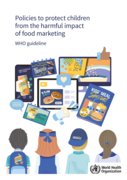
Children continue to be exposed to powerful food marketing, which predominantly promotes foods high in saturated fatty acids, trans-fatty acids, free sugars and/or sodium and uses a wide variety of marketing strategies that are likely to appeal to children. Food marketing has a harmful impact on chi
...
ldren’s food choice and their dietary intake, affects their purchase requests to adults for marketed foods and influences the development of their norms about food consumption. Food marketing is also increasingly recognized as a children’s rights concern, given its negative impact on several of the rights enshrined in the United Nations Convention on the Rights of the Child.This WHO guideline provides Member States with recommendations and implementation considerations on policies to protect children from the harmful impact of food marketing, based on evidence specific to children and to the context of food marketing. Guidelines on other policies to improve the food environment are currently under development.
more

The report summarizes the estimates of the burden of disease attributable to unsafe drinking water, sanitation, and hygiene for the year 2019 for four health outcomes - diarrhoea, acute respiratory infections, soil-transmitted helminthiases, and undernutrition - which are included in the reporting o
...
f the Sustainable Development Goal indicator 3.9.2. The report includes estimates at global, regional and country level for 183 WHO Member States.
more

A System of Health Accounts 2011: Revised edition
Organisation for Economic Co-operation and Development (OECD), Eurostat and World Health Organization (WHO)
OECD Publishing, Paris
(2017)
CC
A System of Health Accounts 2011: Revised Edition provides an updated and systematic description of the financial flows related to the consumption of health care goods and services. As demands for information increase and more countries implement and institutionalise health accounts according to the
...
system, the data produced are expected to be more comparable, more detailed and more policy relevant. It builds on the original OECD Manual, published in 2000, and the Guide to Producing National Health Accounts to create a single global framework for producing health expenditure accounts that can help track resource flows from sources to uses. It is the result of a collaborative effort between the OECD, WHO and the European Commission, and sets out in more detail the boundaries, the definitions and the concepts – responding to health care systems around the globe – from the simplest to the more complicated.
more
This policy brief describes key HIV viral load thresholds and the available viral load testing approaches for monitoring how well antiretroviral therapy is working for people living with HIV. It provides clarification for and elaborates upon the current treatment monitoring algorithm from the Consol
...
idated guidelines on HIV prevention, testing, treatment, service delivery and monitoring: recommendations for a public health approach.
This information can help people living with HIV to live healthy lives, ensure that HIV is not transmitted to other people and support policy-makers in determining the optimal allocation of resources for viral load testing and communicating the results.
more

The standards define 10 key competencies for health and care workers to support self-care in their clinical practice as well as the specific, measurable behaviours that demonstrate those competencies, focusing on people-centredness; decision-making; effective communication; collaboration; evidence-i
...
nformed practice, and personal conduct.
more

The knowledge guide is the second publication in the Self-care competency framework to support health and care workers.
This describes how health and care workers can apply each of the 10 competency standards in their work, detailing the necessary knowledge, skills and attitudes that underpin the
...
required behaviours.
more
The backsliding of immunization coverage during the COVID-19 pandemic, combined with delayed catch-up efforts has resulted in a large and growing immunity gap. There is an urgent need to close this gap, and enable millions of missed children to be vaccinated. The Essential Immunization Recovery Plan
...
sets out a path to getting immunization back on track, framed by three key approaches – Catch-Up, Restore and Strengthen. This document serves as the joint strategic description of this coordinated effort by WHO, UNICEF, and Gavi, the Vaccine Alliance, along with the Immunization Agenda 2030 (IA2030) Partnership, to support countries to plan and implement intensified efforts to bolster immunization programmes in 2023 and beyond.
more

The objective of Critical Considerations and Actions for Achieving Universal Access to Sexual and Reproductive Health in the Context of Universal Health Coverage through a Primary Health Care Approach is to provide guidance to WHO Member States for ensuring progress towards universal access to compr
...
ehensive sexual and reproductive health (SRH) in the context of primary health care (PHC)- and universal health coverage (UHC)-related policy and strategy reforms.
more

The 2030 health-related Sustainable Development Goals call on countries to end AIDS as a public health threat and also to achieve universal health coverage. The World Health Organization (WHO) promotes primary health care (PHC) as the key mechanism for achieving universal health coverage, and the PH
...
C approach is also essential for ending AIDS and reaching other Sustainable Development Goal targets.
The PHC approach is defined as a whole-of-society approach to health that aims to maximize the level and distribution of health and well-being through three components: (1) primary care and essential public health functions as the core of integrated health services; (2) multisectoral policy and action; and (3) empowered people and communities.
This publication helps decision-makers to consider and optimize the synergies between existing and future assets and investments intended for both PHC and disease-specific responses, including HIV. Specifically, it aims to:
• provide guidance to policy-makers, health system managers and programmatic leads from both PHC and HIV backgrounds regarding opportunities to jointly advance their respective efforts to strengthen PHC and end AIDS as a public health threat; and
• provide a resource for all stakeholders who seek to contribute to strengthening PHC and ending AIDS as a public health threat in a synergistic manner, including people living with HIV, members of key and vulnerable populations, community and civil society representatives, people working in all areas of health systems, researchers, funders and private-sector decision-makers.
more

The COVID-19 pandemic has resulted in a double shock - health and economic. As of March 1, 2021, COVID-19 has cost more than 2.5 million lives and triggered an economic recession surpassing any economic downturn since World War II.
Part I of this paper explores the impact of this current macro-fisc
...
al outlook on the three primary sources of health spending. Drawing on experiences from previous economic crises, scenario analyses suggest a fall in government per capita spending on health in 2021 and 2022 unless governments make bold choices to increase the share of health in general government spending.
Part II of the paper discusses policy options to meet the spending needs in health. These options encompass strategies to make fiscal adjustments work and channel funds where they are most needed, as well as policies to stabilize the balance sheets of social health insurance (SHI) schemes. The paper explains how the health sector can play an active role in expanding fiscal space, contributing to tax reforms, most importantly pro-health taxes, and mobilizing and absorbing external financing, including debt relief.
more
The 2021 Financing for Sustainable Development Report responds to the request made by Member States to review the impact of the COVID-19 pandemic on nancing for sustainable development, and to propose recommendations to rebuild better. The report underlines the need for policy actions to ensure e e
...
ctive support until the recovery is rmly underway. Its thematic chapter discusses the systemic and interlinked nature of risk in a tightly intertwined world, and the importance of providing nancing for risk reduction and resilience and nancing that is risk-informed and resilient. With the collaboration of more than 60 agencies of the United Nations system and partner international organizations, the report provides much needed guidance to Member States to take action towards a more resilient future.
more

The majority of developing countries will fail to achieve their targets for Universal Health Coverage (UHC)1 and the health- and poverty-related Sustainable Development Goals (SDGs) unless they take urgent steps to strengthen their health financing. Just over a decade out from the SDG deadline of 20
...
30, 3.6 billion people do not receive the most essential health services they need, and 100 million are pushed into poverty from paying out-of-pocket for health services. The evidence is strong that progress towards UHC, core to SDG 3, will spur inclusive and sustainable economic growth, yet this will not happen unless countries achieve high-performance health financing, defined here as funding levels that are adequate and sustainable; pooling that is sufficient to spread the financial risks of ill-health; and spending that is efficient and equitable to assure desired levels of health service coverage, quality, and financial protection for all people— with resilience and sustainability.
more

The ongoing COVID-19 pandemic has shown that public financial management (PFM) should be an integral part of the response. Effectiveness in financing the health response depends not only on the level of funding but also on the way public funds are allocated and spent, this is determined by the PFM r
...
ules, and how money flows to health service providers. So far, early assessments have shown that PFM systems ranged from being a fundamental enabler to acting as a roadblock in the COVID-19 health response. While service delivery mechanisms have been extensively documented throughout the pandemic, the underlying PFM mechanisms of the response also merit attention. To highlight the importance of PFM in health emergency contexts, this rapid review analyses various country PFM experiences and identifies early lessons emerging from the financing of the health response to COVID-19. The assessment is done by stages of the budget cycle: budget allocation, budget execution, and budget oversight. Identifying lessons from the varying PFM modalities used to finance the response to COVID-19 is fundamental both for health policy-makers and for finance authorities to prepare for future health emergencies.
more
