Filter
1019
Text search:
camp
management
Featured
147
292
Language
Document type
517
180
108
77
64
24
24
16
5
2
1
1
Countries
70
53
46
45
41
23
19
18
18
17
17
17
17
15
14
14
13
12
12
11
11
10
10
9
9
8
8
8
8
8
8
7
7
6
6
6
6
6
5
5
5
5
5
5
4
4
4
4
4
3
3
3
3
3
3
3
3
3
3
3
3
2
2
2
2
2
2
2
2
2
2
2
2
2
2
1
1
1
1
1
1
1
1
1
1
1
1
1
1
1
1
1
1
1
1
Authors & Publishers
Publication Years
Category
343
170
59
43
37
24
Toolboxes
145
140
85
85
62
53
29
29
26
15
14
13
12
12
11
8
7
7
4
4
3
2
2
2
1
1
Possible developments in transit countries over the next 6 months, 24 March 2016

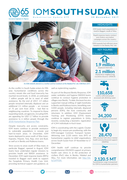
Highlights:
- IOM teams reach populations in need in Baggari, south of Wau
- Rapid response teams conduct oral cholera vaccination campaigns across the country
- IOM expands fuel-efficient stove initiative in the Bentiu PoC site
Guidance | Preparedness - Response and early recovery - Recovery and reconstruction
In northern Myanmar, nearly 100,000 people continue to live in displacement camps in Kachin and northern Shan States. Most were first displaced by fighting between the Myanmar military and the Kachin Independence Army in 2011, and many have been displaced multiple times, including in recent months.
...


March - December 2018
The Government of Bangladesh has kept its borders open to Rohingya refugees and leads the humanitarian response. The people of Bangladesh continue to show tremendous generosity and hospitality in the face of a massive influx. In keeping with its policies, the Government of Ban
...
This case study examines the humanitarian response to the conflict-related crisis in the North-East of Nigeria, focusing primarily on the period from 2015 to the end of 2016. The aim is test the central hypotheses of the Emergency Gap project: that the current structure, conceptual underpinning and
...

This report found that fewer than 15 percent of more than 3,000 school-age asylum-seeking children on the islands were enrolled in public school at the end of the 2017-2018 school year, and that in government-run camps on the islands, only about 100 children, all preschoolers, had access to formal e
...
It highlights the numerous challenges to quality service provision, along with the organisation’s response to mental health needs, and recommendations for international and regional decision-makers including:
- Advocating and working towards mental health policies that support adequate funding f
...
The floods caused by the Tropical Cyclone IDAI has affected 3 million people in the Republics of Malawi, Mozambique and Zimbabwe leaving 839 people dead, and this figure continued to rise as the rains stopped and water subsided. To date, over 201,476 people (Table 1) have been displaced and about 31
...
According to the United Nations, Yemen has been the "Worst humanitarian crisis in the world," for the past two years. Despite the Hudaydah Agreement signed in December 2018, the fighting continued in many areas of the country, such as Hajjah in the north, Al Dhale' e in the south and Hudaydah along
...

Across Zimbabwe, 7 million people in urban and rural areas are in urgent need of humanitarian assistance, compared to 5.5 million in August 2019. Since the launch of the Revised Humanitarian Appeal in August 2019, circumstances for millions of Zimbabweans have worsened. Drought and crop failure, exa
...
Shielding is a term used to describe the protection of individuals at high risk of severe COVID-19 illness by separating them from the general population.
More than 700 000 people lose their life to suicide every year. The world is not on track to reach the 2030 suicide reduction targets. WHO advocates for countries to take action to prevent suicide, ideally through a comprehensive national suicide prevention strategy. Governments and communities can
...