
Filter
2679
Text search:
TB
patients
Featured
288
798
Language
2326
213
67
60
20
12
6
6
5
5
5
4
4
3
3
2
2
2
1
1
1
1
1
1
1
1
1
Document type
1631
367
346
117
84
54
43
19
7
4
2
2
1
Countries
163
123
85
85
74
65
63
61
54
54
52
48
45
44
43
42
39
39
38
36
31
30
29
26
25
24
23
22
20
19
18
17
17
15
14
14
14
13
13
13
12
12
11
11
10
10
9
9
8
8
7
7
6
6
6
6
5
5
5
5
4
4
4
3
3
3
3
3
3
2
2
2
2
2
2
2
2
2
2
2
2
2
2
2
2
2
2
2
1
1
1
1
1
1
1
1
1
1
1
1
1
1
1
1
1
1
1
1
1
1
1
1
1
1
1
1
1
1
1
1
1
Authors & Publishers
252
153
69
52
51
49
48
38
31
26
22
21
21
20
19
19
18
17
16
16
16
15
15
14
13
13
13
13
12
11
11
11
11
11
10
10
10
10
10
9
9
9
9
9
9
9
8
8
8
8
7
7
7
7
7
7
7
7
7
7
7
7
7
6
6
6
6
6
6
6
6
6
6
6
6
6
6
6
5
5
5
5
5
5
5
5
5
5
5
5
5
5
5
4
4
4
4
4
4
4
4
4
4
4
4
4
4
4
4
4
4
4
4
4
4
4
4
4
4
4
4
4
4
4
4
4
4
3
3
3
3
3
3
3
3
3
3
3
3
3
3
3
3
3
3
3
3
3
3
3
3
3
3
3
3
3
3
3
3
3
3
3
3
3
3
3
3
3
3
3
3
3
3
3
3
3
3
3
3
3
3
3
3
3
3
3
3
3
3
3
3
3
3
3
3
3
3
3
3
3
2
2
2
2
2
2
2
2
2
2
2
2
2
2
2
2
2
2
2
2
2
2
2
2
2
2
2
2
2
2
2
2
2
2
2
2
2
2
2
2
2
2
2
2
2
2
2
2
2
2
2
2
2
2
2
2
2
2
2
2
2
2
2
2
2
2
2
2
2
2
2
2
2
2
2
2
2
2
2
2
2
2
2
2
2
2
2
2
2
2
2
2
2
2
2
2
2
2
2
2
2
2
2
2
2
2
2
2
2
2
2
2
2
2
2
2
2
2
2
2
2
2
2
2
2
2
2
2
2
2
2
2
2
2
2
2
2
2
2
2
2
2
2
2
2
2
2
2
2
2
2
2
2
2
2
2
2
2
2
2
2
2
2
2
2
2
2
2
2
2
1
1
1
1
1
1
1
1
1
1
1
1
1
1
1
1
1
1
1
1
1
1
1
1
1
1
1
1
1
1
1
1
1
1
1
1
1
1
1
1
1
1
1
1
1
1
1
1
1
1
1
1
1
1
1
1
1
1
1
1
1
1
1
1
1
1
1
1
1
1
1
1
1
1
1
1
1
1
1
1
1
1
1
1
1
1
1
1
1
1
1
1
1
1
1
1
1
1
1
1
1
1
1
1
1
1
1
1
1
1
1
1
1
1
1
1
1
1
1
1
1
1
1
1
1
1
1
1
1
1
1
1
1
1
1
1
1
1
1
1
1
1
1
1
1
1
1
1
1
1
1
1
1
1
1
1
1
1
1
1
1
1
1
1
1
1
1
1
1
1
1
1
1
1
1
1
1
1
1
1
1
1
1
1
1
1
1
1
1
1
1
1
1
1
1
1
1
1
1
1
1
1
1
1
1
1
1
1
1
1
1
1
1
1
1
1
1
1
1
1
1
1
1
1
1
1
1
1
1
1
1
1
1
1
1
1
1
1
1
1
1
1
1
1
1
1
1
1
1
1
1
1
1
1
1
1
1
1
1
1
1
1
1
1
1
1
1
1
1
1
1
1
1
1
1
1
1
1
1
1
1
1
1
1
1
1
1
1
1
1
1
1
1
1
1
1
1
1
1
1
1
1
1
1
1
1
1
1
1
1
1
1
1
1
1
1
1
1
1
1
1
1
1
1
1
1
1
1
1
1
1
1
1
1
1
1
1
1
1
1
1
1
1
1
1
1
1
1
1
1
1
1
1
1
1
1
1
1
1
1
1
1
1
1
1
1
1
1
1
1
1
1
1
1
1
1
1
1
1
1
1
1
1
1
1
1
1
1
1
1
1
1
1
1
1
1
1
1
1
1
1
1
1
1
1
1
1
1
1
1
1
1
1
1
1
1
1
1
1
1
1
1
1
1
1
1
1
1
1
1
1
1
1
1
1
1
1
1
1
1
1
1
1
1
1
1
1
1
1
1
1
1
1
1
1
1
1
1
1
1
1
1
1
1
1
1
1
1
1
1
1
1
1
1
1
1
1
1
1
1
1
1
1
1
1
1
1
1
1
1
1
1
1
1
1
1
1
1
1
1
1
1
1
1
1
1
1
1
1
1
1
1
1
1
1
1
1
1
1
1
1
1
1
1
1
1
1
1
1
1
1
1
1
1
1
1
1
1
1
1
1
1
1
1
1
1
1
1
1
1
1
1
1
1
1
1
1
1
1
1
1
1
1
1
1
1
1
1
1
1
1
1
1
1
1
1
1
1
1
1
1
1
1
1
1
1
1
1
1
1
1
1
1
1
1
1
1
1
1
1
1
1
1
1
1
1
1
1
1
1
1
1
1
1
1
1
1
1
1
1
1
1
1
1
1
1
1
1
1
1
1
1
1
1
1
1
1
1
1
1
1
1
1
1
1
1
1
1
1
1
1
1
1
1
1
1
1
1
1
1
1
1
1
1
1
1
1
1
1
1
1
1
1
1
1
1
1
1
1
1
1
1
1
1
1
1
1
1
1
1
1
1
1
1
1
1
1
1
1
1
1
1
1
1
1
1
1
1
1
1
1
1
1
1
1
1
1
1
1
1
1
1
1
1
1
1
1
1
1
1
1
1
1
1
1
1
1
1
1
1
1
1
1
1
1
1
1
1
1
1
1
1
1
1
1
1
1
1
1
1
1
1
1
1
1
1
1
1
1
1
1
1
1
1
1
1
1
1
1
1
1
1
1
1
1
1
1
1
1
1
1
1
1
1
1
1
1
1
1
1
1
1
1
1
1
1
1
1
1
1
1
1
1
1
1
1
1
1
1
1
1
1
1
1
1
1
1
1
1
1
1
1
1
1
1
1
1
1
1
1
1
1
1
1
1
1
1
1
1
1
1
1
1
1
1
1
1
1
1
1
1
1
1
1
1
1
1
1
1
1
1
1
1
1
1
1
1
1
1
1
1
1
1
1
1
1
1
1
1
1
1
1
1
1
1
1
1
1
1
1
1
1
1
1
1
1
1
1
1
1
1
1
1
1
1
1
1
1
1
1
1
1
1
1
1
1
1
1
1
1
1
1
1
1
1
1
1
1
1
1
1
1
1
1
1
1
1
1
1
1
1
1
1
1
1
1
1
1
1
1
1
1
1
1
1
1
1
1
1
1
1
1
1
1
1
1
1
1
1
1
1
1
1
1
1
1
1
1
1
1
1
1
1
1
1
1
1
1
1
1
1
1
1
1
1
1
1
1
1
1
1
1
1
1
1
1
1
1
1
1
1
1
1
1
1
1
1
1
1
1
1
1
1
1
1
1
1
1
1
1
1
1
1
1
1
1
1
1
1
1
1
1
1
1
1
1
1
1
1
1
1
1
1
1
1
1
1
1
1
1
1
1
1
1
1
1
1
1
1
1
1
1
1
1
1
1
1
1
1
1
1
1
1
1
1
1
1
1
1
1
1
1
1
1
1
1
1
1
1
1
1
1
1
1
1
1
1
1
1
1
1
1
1
1
1
1
1
1
1
1
1
1
1
1
1
1
1
1
1
1
1
1
1
1
1
1
1
1
1
1
1
1
1
1
1
1
1
1
1
1
1
1
1
1
1
1
1
1
1
1
1
1
1
1
1
1
1
1
1
1
1
1
1
1
1
1
1
1
1
1
1
1
1
1
1
1
1
1
1
1
1
1
1
1
1
1
1
1
1
1
1
1
1
1
1
1
1
1
1
1
1
1
1
1
1
1
1
1
1
1
1
1
1
1
1
1
1
1
1
1
1
1
1
1
1
1
1
1
1
1
1
1
1
1
1
1
1
1
1
1
1
1
1
1
1
1
1
1
1
1
1
1
1
1
1
1
1
1
1
1
1
1
1
1
1
1
1
1
1
1
1
1
1
1
1
1
1
1
1
1
1
1
1
1
1
1
1
1
1
1
1
1
1
1
1
1
1
1
1
1
1
1
1
1
1
1
1
1
1
1
1
1
1
1
1
1
1
1
1
1
1
1
1
1
1
1
1
1
1
1
1
1
1
1
1
1
1
1
1
1
1
1
1
1
1
1
1
1
1
1
1
1
1
1
1
1
1
1
1
1
1
1
1
1
1
1
1
1
1
1
1
1
1
1
1
1
1
1
1
1
1
1
1
1
1
1
1
1
1
1
1
1
1
1
1
1
1
1
1
1
1
1
1
1
1
1
1
1
1
1
1
1
1
1
1
1
1
1
1
1
1
1
1
1
1
1
1
1
1
1
1
1
1
1
1
1
1
1
1
1
1
1
1
1
1
1
1
1
1
1
1
1
1
1
1
1
1
1
1
1
1
1
1
1
1
1
1
1
1
1
1
1
1
1
1
1
1
1
1
1
1
1
1
1
1
1
1
1
1
1
1
1
1
1
1
1
1
1
1
1
1
1
1
1
1
1
1
1
1
1
1
1
1
1
1
1
1
1
1
1
1
1
1
1
1
1
1
1
1
1
1
1
1
1
1
1
1
1
1
1
1
1
1
1
1
1
1
1
1
1
1
1
1
1
1
1
1
1
1
1
1
1
1
1
1
1
1
1
1
1
1
1
1
1
1
1
1
1
1
1
1
1
1
1
1
1
1
1
1
1
1
1
1
1
1
1
1
1
1
1
1
1
1
1
1
1
1
1
1
1
1
1
1
1
1
1
1
1
1
1
1
1
1
1
1
1
1
1
1
1
1
1
1
1
1
1
1
1
1
1
1
1
1
1
1
1
1
1
1
1
1
1
1
1
1
1
1
1
1
1
1
1
1
1
1
1
1
1
1
1
1
1
1
1
1
1
1
1
1
1
1
1
1
1
1
1
1
1
1
1
1
1
1
1
1
1
1
1
1
1
1
1
1
1
1
1
1
1
1
1
1
1
1
1
1
1
1
1
1
1
1
1
1
1
1
1
1
1
1
1
1
1
1
1
1
1
1
1
1
1
1
1
1
1
1
1
1
1
1
1
1
1
1
1
1
1
1
1
1
1
1
1
1
1
1
1
1
1
1
1
1
1
1
1
1
1
1
1
1
1
1
Publication Years
615
1778
278
8
Category
1307
209
105
70
67
41
28
2
Toolboxes
650
152
118
111
67
65
59
50
46
38
32
26
25
24
20
18
15
14
13
9
9
7
6
4
3
1
The update of the ESTC was conducted as a joint endeavour with ERS, consulting experts from international societies and organisations, national TB programmes, civil society and affected communities. The second edition of the ESTC includes 21 standar
...
ds in the areas of diagnosis, treatment, HIV and co-morbidities and public health and prevention. The ESTC is a user-friendly guide for clinicians and public health workers to help them achieve optimal diagnosis, treatment and prevention of TB
Available in 25 languages: https://ecdc.europa.eu/en/all-topics-ztuberculosisprevention-and-control/european-union-standards-tuberculosis-care
more

One key aim of tuberculosis (TB) prevention and care is to render them more people-centred, which means further boosting and improving ambulatory care models across the countries of Eastern Europe and central Asia. This note is intended to remind in
...
terested parties of the evidence that shows that ambulatory care is both feasible and safe
more

13 May 2021
To avoid a reversal of progress from the adverse impacts of the COVID-19 pandemic, new knowledge and lessons from successful programmatic innovations are urgently needed to improve TB prevention and care. Experience can provide evidence
...
for innovative approaches and strategies to maintain and scale up high-quality TB services. WHO therefore called for case studies on programmatic innovations that address emerging challenges in TB prevention and care during the pandemic in order to collect and disseminate the findings to the TB community. Between November 2020 and February 2021, a total of 23 case studies relevant to the call were accepted from 19 countries in the six regions of WHO. The lessons learnt from these country activities to ensure the continuity of essential services like TB care in the face of the crippling crisis may also inform strategies for minimizing the impact of future emerging pathogens on health services.
more

Tuberculosis (TB) is the leading cause of death from a single infectious agent even if is largely curable and
preventable. In 2019 an estimated 2.9 million of the 10 million people who fell ill with
...
TB were not
diagnosed or reported to the World Health Organization1. The Political Declaration adopted by the United
Nations General Assembly in September 2018 commits, amongst others, to diagnosing and treating 40
million people with TB. In order to achieve these ambitious targets, there is an urgent need to deploy
strategies to improve diagnosis and initiation of care for people with TB. One of them is systematic
screening for TB disease, which is included in the End TB Strategy as a central component of its first pillar
to ensure early diagnosis for all with TB.
more

In Paraguay, 1.8% of the population are indigenous people. The Maká community
29 mainly live in urbanized areas in the Central Region. This study focuses on the epidemiology
30 of tuberculosis (TB) among indigenous Maká and the non-indigenous pe
...
ople living in the
31 Central Region, the biggest metropolitan area of the Paraguay.
more
The 7th edition of the Orange Guide provides practical guidance to health workers on the front line of TB control. It includes sections on HIV, MDR-TB and a review of the recommended treatment regim
...
ens
more
Quick guide to video-supported treatment of tuberculosis (2020).
Despite being a curable and preventable disease, tuberculosis (TB) remains as one of the major challenges for health systems, globally. Every year,
...
TB affects more than 10 million people and kills more than 1.4 million people. WHO’s Digital Health for the End TB Strategy – an Agenda for Action outlines a conceptual framework in which advantageously positioned digital health solutions are matched to the most urgent needs of TB programmes. Video-supported treatment is a component of one of the four core functions of this framework, the Patient Care domain, and primarily supports the first pillar of the End TB Strategy. This quick guide provides information on the solutions available for asynchronous modes of video communication and how these can be of use to TB programmes.
more
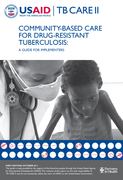
This guide provides practical, step-by-step guidance on how to organize, implement, and monitor community-based care for DR TB. It is equally useful for program planning or supervision. The target audience for this guide is
...
TB Program Managers, governments, policy makers, nongovernmental organizations (NGOs), donors and TB advocates.
This guide does not replace other guidelines and documents that contain important medical information, such as Guidelines for the Programmatic Management of Drug-resistant TB (WHO, 2008 and 2011 updates), and Management of MDR-TB: A Field Guide (WHO, 2009).
more

Guidance on TB and TB/HIV prevention, diagnosis, treatment and care in the workplace

Regional Eastern European and Central Asian project (TB-REP) Copenhagen, Denmark, 26–28 April 2016
This report provides an overview of the latest tuberculosis (TB) epidemiological situation and is published jointly by the WHO Regional Office for Europe and the European Centre for Disease Prevention and Control. In 2023, 38 993 cases of
...
TB were reported in 29 European Union and European Economic Area (EU/ EEA) countries, resulting in a notification rate of 8.6 per 100 000 population in the EU/ EEA. This represented a continuation of the slight increase observed in most countries for 2022, while the overall trend has continued to decrease over the last five years. Exceptions to this trend were Cyprus, Greece, Iceland and Slovakia where an increase of 1−3% was observed in 2023 against data reported for 2019. However, the rates for 2020−2021 should be interpreted with caution, given the measures implemented to mitigate the COVID-19 pandemic and their impact on TB data collection and patient access to health service
more

The review’s objectives are to review progress in TB control with emphasis on DOTS strategy implementation, summarize the experience, lessons learnt and methods of work and to make recommendations for international donors, technical agencies and t
...
he Ministry of Health.
more

The aim of the people-centred framework is to help countries to develop fully prioritized and budgeted NSPs based on a culture of making full use of the available data, which are aligned with national planning cycles and which provide the basis for a robust national response that can accelerate prog
...
ress towards the goal of ending TB. In addition, applying the framework for other possible applications according to the country’s planning and policy cycle encourages the culture of data utilization and evidence translation into decision making and planning.
more

Meeting Report 27-29 October 2020
The overall goal of the meeting was to discuss recent changes in treatment regimens and diagnostics for drug-resistant TB and to determine how these impact on the definition of XDR-
...
TB, with a view to revising this definition. The pre-existing definition of XDR-TB was formulated in 2006 at a meeting of the Global Taskforce on XDR-TB, convened by WHO, and has been in use for clinical and surveillance purposes, since this time.
more

Tuberculosis cases, TB deaths
This Rapid Communication aims to inform national TB programmes and other stakeholders about the key implications of the latest evidence on the use of specific molecular assays as initial diagnostic tests of pulmonary and extrapulmonary
...
TB and RR-TB, in adults and children.
more

WHO consolidated guidelines on tuberculosis: module 1: prevention: tuberculosis preventive treatment
The 2020 recommendations for the programmatic management of TB preventive treatment are the first to be released under the rubric of WHO consolidated TB guidelines (Module 1 – Prevention). The WHO
...
consolidated TB guidelines will gradually group all TB recommendations and will be complemented by matching modules of a consolidated operational handbook. [1] The handbook will provide practical advice on how to put in place the recommendations at the scale needed to achieve national and global impact. The first handbook module in the series will be on the programmatic management of TB preventive treatment and will accompany the 2020 guidelines.
more

The Updated guidelines on Management of tuberculosis in children and adolescents include new recommendations that cover diagnostic approaches for TB, shorter treatment for children with non-severe drug-susceptible
...
TB, a new option for the treatment of TB meningitis, the use of bedaquiline and delamanid in young children with multidrug- and rifampicin-resistant TB and decentralized and family-centred, integrated models of care for TB case detection and prevention in children and adolescents.
more
WHO operational handbook on tuberculosis Module 5: Management of tuberculosis in children and adolescents
recommended
The practical guidance in the operational handbook aims to inform the development or revision of national policies and related implementation guidance on the management of TB in children and adolescents under programmatic circumstances and at differ
...
ent levels of the health system. The operational handbook can also help countries adequately plan for the uptake of interventions to better address the specific needs of children and adolescents with or at risk of TB. It can contribute to national efforts to build capacity among national and subnational programme managers and among health workers at all levels of the health care system.
more

Tuberculosis (TB) is an infectious disease that usually affects the lungs, though it can affect any organ in the body. It can develop when bacteria spread through droplets in the air. TB can be fata
...
l, but in many cases, TB is preventable and treatable. This report examines the human rights impact of the prevalence of Tuberculosis (TB) and Multi-drug-resistant tuberculosis (MDR-TB) among the Indigenous San peoples of Namibia. Combining political economy and root-cause methodology, the report explores the socioeconomic factors that make the San vulnerable to TB and limit their access to adequate health services.
more
