
Filter
725
Text search:
Silva,
S.
Featured
65
98
Language
Document type
250
230
144
39
23
14
14
7
2
Countries / Regions
73
51
36
14
12
11
11
10
9
8
7
6
6
6
5
5
5
5
4
4
4
4
4
4
4
3
3
3
3
3
3
3
3
2
2
2
2
2
2
2
2
2
2
2
2
1
1
1
1
1
1
1
1
1
1
1
1
1
1
1
1
1
1
1
1
1
1
1
1
1
1
1
1
1
1
1
1
1
1
1
1
1
1
1
1
Authors & Publishers
Publication Years
Category
203
81
58
40
31
8
7
Toolboxes
119
97
85
48
42
40
30
29
21
19
19
16
11
11
9
7
7
5
5
4
4
2
2
1
1
1
Esta publicación hace eco de la obra titulada Administración sanitaria de emergencia
con posterioridad a los desastres naturales (Publicación Científica No. 407) editada en
1981, pero es un libro totalmente nuevo, de organización reciente y con mucho material original. Esboza la función que
...
This paper presents lessons learned from previous flood responses in developing countries, based on a structured review of the literature. It is intended for people working in relief and recovery operations who have to decide if, when and how to intervene after a flood.
This Technical Brief focuses on current principles and approaches to Moderate Acute Malnutrition (MAM) management, highlighting key constraints, gaps in knowledge and areas still lacking consensus. It is intended to inform ongoing debates among practitioners, national partners, donors and analysts o
...
The WHO guidelines provide recommended steps for safe phlebotomy and reiterate accepted principles for drawing, collecting blood and transporting blood to laboratories/blood banks.
Article published in: Journal of Intensive Care (2015) 3:16
International Journal of Mental Health Systems2011,5:17http://www.ijmhs.com/content/5/1/17
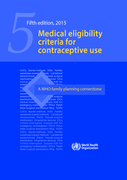
This document is part of the process for improving the quality of care in family planning. Medical eligibility criteria for contraceptive use (MEC), the first edition of which was published in 1996, prsents current World Health Organization (WHO) guidance on the safety of various contraceptive e-
m
...
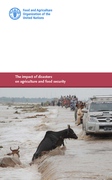
Surge in climate change-related disasters poses growing threat to food security


The aim of this document is to provide interim guidance for interventions to reduce the risk of maternal Zika virus infection and to manage potential complications during pregnancy. This guidance is based on the best available research evidence and covers areas prioritized by an international, multi
...
This document aims to present an algorithm for deciding whom to test and provide guidance on the laboratory tests for Zika virus infection diagnosis in order to support clinical diagnostic and case reporting through surveillance among EU Member States. The algorithm is not intended for clinical man
...
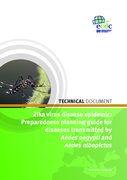
The threat posed by Zika virus infection highlights the need to reinforce preparedness arrangements for mosquito-borne diseases in EU/EEA countries, especially for pathogens transmitted by Aedes aegypti and Aedes albopictus.
The aim of this document is to highlight measures that can effectively red
...
Working document from an informal consultation of experts. A Protocol for risk assessment at the field level. The purpose of document is to provide guidance on the methodology to be used for assessing, at field level, the yellow fever virus circulation in areas at risk, and is primarily intended fo
...

The objective of this document is to guide the preparation and implementation of national preparedness plans for the safety of substances of human origin during outbreaks of Zika virus infection, both in affected and non-affected areas.
Esta guía está dirigida a los encargados de tomar decisiones sobre la formulación, operación o evaluación de programas o estrategias orientadas a mejorar la nutrición o alimentación. Su principal objetivo es brindar a los lectores herramientas para determinar la conveniencia de instrumentar d
...

This Rapid Advice Guideline updates the Interim Guidance on the “Assessment of infants with microcephaly in the context of Zika virus” published in February 2016 (WHO/ZIKV/MOC/16.3). The recommendations provides guidance on the screening, clinical assessment, neuroimaging, laboratory investigati
...
