
Filter
6305
Text search:
family
members
Featured
564
1793
Language
6192
120
114
70
64
39
32
30
21
14
13
13
12
11
11
10
9
9
8
8
7
7
7
6
6
6
6
6
5
5
5
5
5
5
5
4
4
4
4
4
4
4
3
3
3
3
3
3
2
2
2
2
2
2
2
2
2
2
1
1
1
1
1
1
1
1
1
1
1
Document type
3793
867
708
393
190
151
103
50
18
14
11
2
1
Countries / Regions
382
212
211
151
149
144
141
138
128
126
125
125
115
109
108
97
92
84
73
73
64
62
60
56
51
47
44
42
40
39
35
35
34
34
32
32
31
30
30
28
25
25
24
23
20
19
18
18
18
18
17
16
16
15
14
13
13
12
12
10
10
10
10
10
9
9
9
8
8
8
8
8
7
7
7
7
5
5
5
4
4
4
4
4
4
4
4
4
4
4
3
3
3
3
3
3
3
3
3
3
3
3
3
3
2
2
2
2
2
2
2
2
2
2
2
2
2
2
2
2
2
2
2
1
1
1
1
1
1
1
1
1
1
1
1
1
1
1
1
1
1
1
Authors & Publishers
620
247
237
174
132
120
116
100
74
56
49
46
45
40
39
39
38
38
34
31
30
28
26
24
24
24
24
24
23
23
23
22
22
22
22
20
19
19
18
18
18
18
18
18
18
18
18
17
17
17
17
17
16
16
16
16
16
15
15
15
14
14
14
14
14
14
13
13
13
13
12
12
12
12
12
12
12
11
11
11
11
11
11
11
10
10
10
10
10
10
10
10
10
10
10
9
9
9
9
9
9
9
9
8
8
8
8
8
8
8
8
8
8
8
8
8
8
8
7
7
7
7
7
7
7
7
7
7
7
7
7
7
7
7
7
7
6
6
6
6
6
6
6
6
6
6
6
6
6
6
6
6
6
6
6
6
6
6
6
6
6
6
6
6
6
6
5
5
5
5
5
5
5
5
5
5
5
5
5
5
5
5
5
5
5
5
5
5
5
5
5
5
5
5
5
5
5
5
5
5
5
5
5
5
5
5
5
4
4
4
4
4
4
4
4
4
4
4
4
4
4
4
4
4
4
4
4
4
4
4
4
4
4
4
4
4
4
4
4
4
4
4
4
4
4
4
4
4
4
4
4
4
4
4
4
4
4
4
4
4
4
4
4
4
4
4
4
4
4
4
4
4
4
3
3
3
3
3
3
3
3
3
3
3
3
3
3
3
3
3
3
3
3
3
3
3
3
3
3
3
3
3
3
3
3
3
3
3
3
3
3
3
3
3
3
3
3
3
3
3
3
3
3
3
3
3
3
3
3
3
3
3
3
3
3
3
3
3
3
3
3
3
3
3
3
3
3
3
3
3
3
3
3
3
3
3
3
3
3
3
3
3
3
3
3
3
3
3
3
3
3
3
3
3
3
3
3
3
3
3
3
3
3
3
3
3
3
3
3
3
3
3
3
3
3
3
3
3
3
3
3
3
3
3
3
2
2
2
2
2
2
2
2
2
2
2
2
2
2
2
2
2
2
2
2
2
2
2
2
2
2
2
2
2
2
2
2
2
2
2
2
2
2
2
2
2
2
2
2
2
2
2
2
2
2
2
2
2
2
2
2
2
2
2
2
2
2
2
2
2
2
2
2
2
2
2
2
2
2
2
2
2
2
2
2
2
2
2
2
2
2
2
2
2
2
2
2
2
2
2
2
2
2
2
2
2
2
2
2
2
2
2
2
2
2
2
2
2
2
2
2
2
2
2
2
2
2
2
2
2
2
2
2
2
2
2
2
2
2
2
2
2
2
2
2
2
2
2
2
2
2
2
2
2
2
2
2
2
2
2
2
2
2
2
2
2
2
2
2
2
2
2
2
2
2
2
2
2
2
2
2
2
2
2
2
2
2
2
2
2
2
2
2
2
2
2
2
2
2
2
2
2
2
2
2
2
2
2
2
2
2
2
2
2
2
2
2
2
2
2
2
2
2
2
2
2
2
2
2
2
2
2
2
2
2
2
2
2
2
2
2
2
2
2
2
2
2
2
2
2
2
2
2
2
2
2
2
2
2
2
2
2
2
2
2
2
2
2
2
2
2
2
2
2
2
2
2
2
2
2
2
2
2
2
2
2
2
2
2
2
2
2
2
2
2
2
2
2
2
2
2
2
2
2
2
2
2
2
2
2
2
2
2
2
2
2
2
2
2
2
2
2
2
2
2
2
2
2
2
2
2
2
2
2
2
2
2
2
2
2
2
2
2
2
2
2
2
2
2
2
2
2
2
2
2
2
2
2
2
2
2
2
2
2
2
2
2
2
2
2
2
2
2
2
2
2
2
2
2
2
2
2
1
1
1
1
1
1
1
1
1
1
1
1
1
1
1
1
1
1
1
1
1
1
1
1
1
1
1
1
1
1
1
1
1
1
1
1
1
1
1
1
1
1
1
1
1
1
1
1
1
1
1
1
1
1
1
1
1
1
1
1
1
1
1
1
1
1
1
1
1
1
1
1
1
1
1
1
1
1
1
1
1
1
1
1
1
1
1
1
1
1
1
1
1
1
1
1
1
1
1
1
1
1
1
1
1
1
1
1
1
1
1
1
1
1
1
1
1
1
1
1
1
1
1
1
1
1
1
1
1
1
1
1
1
1
1
1
1
1
1
1
1
1
1
1
1
1
1
1
1
1
1
1
1
1
1
1
1
1
1
1
1
1
1
1
1
1
1
1
1
1
1
1
1
1
1
1
1
1
1
1
1
1
1
1
1
1
1
1
1
1
1
1
1
1
1
1
1
1
1
1
1
1
1
1
1
1
1
1
1
1
1
1
1
1
1
1
1
1
1
1
1
1
1
1
1
1
1
1
1
1
1
1
1
1
1
1
1
1
1
1
1
1
1
1
1
1
1
1
1
1
1
1
1
1
1
1
1
1
1
1
1
1
1
1
1
1
1
1
1
1
1
1
1
1
1
1
1
1
1
1
1
1
1
1
1
1
1
1
1
1
1
1
1
1
1
1
1
1
1
1
1
1
1
1
1
1
1
1
1
1
1
1
1
1
1
1
1
1
1
1
1
1
1
1
1
1
1
1
1
1
1
1
1
1
1
1
1
1
1
1
1
1
1
1
1
1
1
1
1
1
1
1
1
1
1
1
1
1
1
1
1
1
1
1
1
1
1
1
1
1
1
1
1
1
1
1
1
1
1
1
1
1
1
1
1
1
1
1
1
1
1
1
1
1
1
1
1
1
1
1
1
1
1
1
1
1
1
1
1
1
1
1
1
1
1
1
1
1
1
1
1
1
1
1
1
1
1
1
1
1
1
1
1
1
1
1
1
1
1
1
1
1
1
1
1
1
1
1
1
1
1
1
1
1
1
1
1
1
1
1
1
1
1
1
1
1
1
1
1
1
1
1
1
1
1
1
1
1
1
1
1
1
1
1
1
1
1
1
1
1
1
1
1
1
1
1
1
1
1
1
1
1
1
1
1
1
1
1
1
1
1
1
1
1
1
1
1
1
1
1
1
1
1
1
1
1
1
1
1
1
1
1
1
1
1
1
1
1
1
1
1
1
1
1
1
1
1
1
1
1
1
1
1
1
1
1
1
1
1
1
1
1
1
1
1
1
1
1
1
1
1
1
1
1
1
1
1
1
1
1
1
1
1
1
1
1
1
1
1
1
1
1
1
1
1
1
1
1
1
1
1
1
1
1
1
1
1
1
1
1
1
1
1
1
1
1
1
1
1
1
1
1
1
1
1
1
1
1
1
1
1
1
1
1
1
1
1
1
1
1
1
1
1
1
1
1
1
1
1
1
1
1
1
1
1
1
1
1
1
1
1
1
1
1
1
1
1
1
1
1
1
1
1
1
1
1
1
1
1
1
1
1
1
1
1
1
1
1
1
1
1
1
1
1
1
1
1
1
1
1
1
1
1
1
1
1
1
1
1
1
1
1
1
1
1
1
1
1
1
1
1
1
1
1
1
1
1
1
1
1
1
1
1
1
1
1
1
1
1
1
1
1
1
1
1
1
1
1
1
1
1
1
1
1
1
1
1
1
1
1
1
1
1
1
1
1
1
1
1
1
1
1
1
1
1
1
1
1
1
1
1
1
1
1
1
1
1
1
1
1
1
1
1
1
1
1
1
1
1
1
1
1
1
1
1
1
1
1
1
1
1
1
1
1
1
1
1
1
1
1
1
1
1
1
1
1
1
1
1
1
1
1
1
1
1
1
1
1
1
1
1
1
1
1
1
1
1
1
1
1
1
1
1
1
1
1
1
1
1
1
1
1
1
1
1
1
1
1
1
1
1
1
1
1
1
1
1
1
1
1
1
1
1
1
1
1
1
1
1
1
1
1
1
1
1
1
1
1
1
1
1
1
1
1
1
1
1
1
1
1
1
1
1
1
1
1
1
1
1
1
1
1
1
1
1
1
1
1
1
1
1
1
1
1
1
1
1
1
1
1
1
1
1
1
1
1
1
1
1
1
1
1
1
1
1
1
1
1
1
1
1
1
1
1
1
1
1
1
1
1
1
1
1
1
1
1
1
1
1
1
1
1
1
1
1
1
1
1
1
1
1
1
1
1
1
1
1
1
1
1
1
1
1
1
1
1
1
1
1
1
1
1
1
1
1
1
1
1
1
1
1
1
1
1
1
1
1
1
1
1
1
1
1
1
1
1
1
1
1
1
1
1
1
1
1
1
1
1
1
1
1
1
1
1
1
1
1
1
1
1
1
1
1
1
1
1
1
1
1
1
1
1
1
1
1
1
1
1
1
1
1
1
1
1
1
1
1
1
1
1
1
1
1
1
1
1
1
1
1
1
1
1
1
1
1
1
1
1
1
1
1
1
1
1
1
1
1
1
1
1
1
1
1
1
1
1
1
1
1
1
1
1
1
1
1
1
1
1
1
1
1
1
1
1
1
1
1
1
1
1
1
1
1
1
1
1
1
1
1
1
1
1
1
1
1
1
1
1
1
1
1
1
1
1
1
1
1
1
1
1
1
1
1
1
1
1
1
1
1
1
1
1
1
1
1
1
1
1
1
1
1
1
1
1
1
1
1
1
1
1
1
1
1
1
1
1
1
1
1
1
1
1
1
1
1
1
1
1
1
1
1
1
1
1
1
1
1
1
1
1
1
1
1
1
1
1
1
1
1
1
1
1
1
1
1
1
1
1
1
1
1
1
1
1
1
1
1
1
1
1
1
1
1
1
1
1
1
1
1
1
1
1
1
1
1
1
1
1
1
1
1
1
1
1
1
1
1
1
1
1
1
1
1
1
1
1
1
1
1
1
1
1
1
1
1
1
1
1
1
1
1
1
1
1
1
1
1
1
1
1
1
1
1
1
1
1
1
1
1
1
1
1
1
1
1
1
1
1
1
1
1
1
1
1
1
1
1
1
1
1
1
1
1
1
1
1
1
1
1
1
1
1
1
1
1
1
1
1
1
1
1
1
1
1
1
1
1
1
1
1
1
1
1
1
1
1
1
1
1
1
1
1
1
1
1
1
1
1
1
1
1
1
1
1
1
1
1
1
1
1
1
1
1
1
1
1
1
1
1
1
1
1
1
1
1
1
1
1
1
1
1
1
1
1
1
1
1
1
1
1
1
1
1
1
1
1
1
1
1
1
1
1
1
1
1
1
1
1
1
1
1
1
1
1
1
1
1
1
1
1
1
1
1
1
1
1
1
1
1
1
1
1
1
1
1
1
1
1
1
1
1
1
1
1
1
1
1
1
1
1
1
1
1
1
1
1
1
1
1
1
1
1
1
1
1
1
1
1
1
1
1
1
1
1
1
1
1
1
1
1
1
1
1
1
1
1
1
1
1
1
1
1
1
1
1
1
1
1
1
1
1
1
1
1
1
1
1
1
1
1
1
1
1
1
1
1
1
1
1
1
1
1
1
1
1
1
1
1
1
1
1
1
1
1
1
1
1
1
1
1
1
1
1
1
1
1
1
1
1
1
1
1
1
1
1
1
1
1
1
1
1
1
1
1
1
1
1
1
1
1
1
1
1
1
1
1
1
1
1
1
1
1
1
1
1
1
1
1
1
1
1
1
1
1
1
1
1
1
1
1
1
1
1
1
1
1
1
1
1
1
1
1
1
1
1
1
1
1
1
1
1
1
1
1
1
1
1
1
1
1
1
1
1
1
1
1
1
1
1
1
1
1
1
1
1
1
1
1
1
1
1
1
1
1
1
1
1
1
1
1
1
1
1
1
1
1
1
1
1
1
1
1
1
1
1
1
1
1
1
1
1
1
1
1
1
1
1
1
1
1
1
1
1
1
1
1
1
1
1
1
1
1
1
1
1
1
1
1
1
1
1
1
1
1
1
1
1
1
1
1
1
1
1
1
1
1
1
1
1
1
1
1
1
1
1
1
1
1
1
1
1
1
1
1
1
1
1
1
1
1
1
1
1
1
1
1
1
1
1
1
1
1
1
1
1
1
1
1
1
1
1
1
1
1
1
1
1
1
1
1
1
1
1
1
1
1
1
1
1
1
1
1
1
1
1
1
1
1
1
1
1
1
1
1
1
1
1
1
1
1
1
1
1
1
1
1
1
1
1
1
1
1
1
1
1
1
1
1
1
1
1
1
1
1
1
1
1
1
1
1
1
1
1
1
1
1
1
1
1
1
1
1
1
1
1
1
1
1
1
1
1
1
1
1
1
1
1
1
1
1
1
1
1
1
1
1
1
1
1
1
1
1
1
1
1
1
1
1
1
1
1
1
1
1
1
1
1
1
1
1
1
1
1
1
1
1
1
1
1
1
1
1
1
1
1
1
1
1
1
1
1
1
1
1
1
1
1
1
1
1
1
1
1
1
1
1
1
1
1
1
1
1
1
1
1
1
1
1
1
1
1
1
1
1
1
1
1
1
1
1
1
1
1
1
1
1
1
1
1
1
1
1
1
1
1
1
1
1
1
1
1
1
1
1
1
1
1
1
1
1
1
1
1
1
1
1
1
1
1
1
1
1
1
1
1
1
1
1
1
1
1
1
1
1
1
1
1
1
1
1
1
1
1
1
1
1
1
1
1
1
1
1
1
1
1
1
1
1
1
1
1
1
1
1
1
1
1
1
1
1
1
1
1
1
1
1
1
1
1
1
1
1
1
1
1
1
1
1
1
1
1
1
1
1
1
1
1
1
1
1
1
1
1
1
1
1
1
1
1
1
1
1
1
1
1
1
1
1
1
1
1
1
1
1
1
1
1
1
1
1
1
1
1
1
1
1
1
1
1
1
1
1
1
1
1
1
1
1
1
1
1
1
1
1
1
1
1
1
1
1
1
1
1
1
1
1
1
1
1
1
1
1
1
1
1
1
1
1
1
1
1
1
1
1
1
1
1
1
1
1
1
1
1
1
1
1
1
1
1
1
1
1
1
1
1
1
1
1
1
1
1
1
1
1
1
1
1
1
1
1
1
1
1
1
1
1
1
1
1
1
1
1
1
1
1
1
1
1
1
1
1
1
1
1
1
1
1
1
1
1
1
1
1
1
1
1
1
1
1
1
1
1
1
1
1
1
1
1
1
1
1
1
1
1
1
1
1
1
1
1
1
1
1
1
1
1
1
1
1
1
1
1
1
1
1
1
1
1
1
1
1
1
1
1
1
1
1
1
1
1
1
1
1
1
1
1
1
1
1
1
1
1
1
1
1
1
1
1
1
1
1
1
1
1
1
1
1
1
1
1
1
1
1
1
1
1
1
1
1
1
1
1
1
1
1
1
1
1
1
1
1
1
1
1
1
1
1
1
1
1
1
1
1
1
1
1
1
1
1
1
1
1
1
1
1
1
1
1
1
1
1
1
1
1
1
1
1
1
1
1
1
1
1
1
1
1
1
1
1
1
1
1
1
1
1
1
1
1
1
1
1
1
1
1
1
1
1
1
1
1
1
1
1
1
1
1
1
1
1
1
1
1
1
1
1
1
1
1
1
1
1
1
1
1
1
1
1
1
1
1
1
1
1
1
1
1
1
1
1
1
1
1
1
1
1
1
1
1
1
1
1
1
1
1
1
1
1
1
1
1
1
1
1
1
1
1
1
1
1
1
1
1
1
1
1
1
1
1
1
1
1
1
1
1
1
1
1
1
1
1
1
1
1
1
1
1
1
1
1
1
1
1
1
1
1
1
1
1
1
1
1
1
1
1
1
1
1
1
1
1
1
1
1
1
1
1
1
1
1
1
1
1
1
1
1
1
1
1
1
1
1
1
1
1
1
1
1
1
1
1
1
1
1
1
1
1
1
1
1
1
1
1
1
1
1
1
1
1
1
1
1
1
1
1
1
1
1
1
1
1
1
1
1
1
1
1
1
1
1
1
1
1
1
1
1
1
1
1
1
1
1
1
1
1
1
1
1
1
1
1
1
1
1
1
1
1
1
1
1
1
1
1
1
1
1
1
1
1
1
1
1
1
1
1
1
1
1
1
1
1
1
1
1
1
1
1
1
1
1
1
1
1
1
1
1
1
1
1
1
1
1
1
1
1
1
1
1
1
1
1
1
1
1
1
1
1
1
1
1
1
1
1
1
1
1
1
1
1
1
1
1
1
1
1
1
1
1
1
1
1
1
1
1
1
1
1
1
1
1
1
1
1
1
1
1
1
1
1
1
1
1
1
1
1
1
1
1
1
1
1
1
1
1
1
1
1
1
1
1
1
1
1
1
1
1
1
1
1
1
1
1
1
1
1
1
1
1
1
1
1
1
1
1
1
1
1
1
1
1
1
1
1
1
1
1
1
1
1
1
1
1
1
1
1
1
1
1
1
1
1
1
1
1
1
1
1
1
1
1
1
1
1
1
1
1
1
1
1
1
1
1
1
1
1
1
1
1
1
1
1
1
1
1
1
1
1
1
1
1
1
1
1
1
1
1
1
1
1
1
1
1
1
1
1
1
1
1
1
1
1
1
1
1
1
1
1
1
1
1
1
1
1
1
1
1
1
1
1
1
1
1
1
1
1
1
1
1
1
1
1
1
1
1
1
1
1
1
1
1
1
1
1
1
1
1
1
1
1
1
1
1
1
1
1
1
1
1
1
1
1
1
1
1
1
1
1
1
1
1
1
1
1
1
1
1
1
1
1
1
1
1
1
1
1
1
1
1
1
1
1
1
1
1
1
1
1
1
1
1
1
1
1
1
1
1
1
1
1
1
1
1
1
1
1
1
1
1
1
1
1
1
1
1
1
1
1
1
1
1
1
1
1
1
1
1
1
1
1
1
1
1
1
1
1
1
1
1
1
1
1
1
1
1
1
1
1
1
1
1
1
1
1
1
1
1
1
1
1
1
1
1
1
1
1
1
1
1
1
1
1
1
1
1
1
1
1
1
1
1
1
1
1
1
1
1
1
1
1
1
1
1
1
1
1
1
1
1
1
1
1
1
1
1
1
1
1
1
1
1
1
1
1
1
1
1
1
1
1
1
1
1
1
1
1
1
1
1
1
1
1
1
1
1
1
1
1
1
1
1
1
1
1
1
1
1
1
1
1
1
1
1
1
1
1
1
1
1
1
1
1
1
1
1
1
1
1
1
1
1
1
1
1
1
1
1
1
1
1
1
1
1
1
1
1
1
1
1
1
1
1
1
1
1
1
1
1
1
1
1
1
1
1
1
1
1
1
1
1
1
1
1
1
1
1
1
1
1
1
1
1
1
1
1
1
1
1
1
1
1
1
1
1
1
1
1
1
1
1
1
1
1
1
1
1
1
1
1
1
1
1
1
1
1
1
1
1
1
1
1
1
1
1
1
1
1
1
1
1
1
1
1
1
1
1
1
1
1
1
1
1
1
1
1
1
1
1
1
1
1
1
1
1
1
1
1
1
1
1
1
1
1
1
1
1
1
1
1
1
1
1
1
1
1
1
1
1
1
1
1
1
1
1
1
1
1
1
1
1
1
1
1
1
1
1
1
1
1
1
1
1
1
1
1
1
1
1
1
1
1
1
1
1
1
1
1
1
1
1
1
1
1
1
1
1
1
1
1
1
1
1
1
1
1
1
1
1
1
1
1
1
1
1
1
1
1
1
1
1
1
1
1
1
1
1
1
1
1
1
1
1
1
1
1
1
1
1
1
1
1
1
1
1
1
1
1
1
1
1
1
1
1
1
1
1
1
1
1
1
1
1
1
1
1
1
1
1
1
1
1
1
1
1
1
1
1
1
1
1
1
1
1
1
1
1
1
1
1
1
1
1
1
1
1
1
1
1
1
1
1
1
1
1
1
1
1
1
1
1
1
1
1
1
1
1
1
1
1
1
1
1
1
1
1
1
1
1
1
1
1
1
1
1
1
1
1
1
1
1
1
1
1
1
1
1
1
1
1
1
1
1
1
1
1
1
1
1
1
1
1
1
1
1
1
1
1
1
1
1
1
1
1
1
1
1
1
1
1
1
1
1
1
1
1
1
1
1
1
1
1
1
1
1
1
1
1
1
1
1
1
1
1
1
1
1
1
1
1
1
1
1
1
1
1
1
1
1
1
1
1
1
1
1
1
1
1
1
1
1
1
1
1
1
1
1
1
1
1
1
1
1
1
1
1
1
1
1
1
1
1
1
1
1
1
1
1
1
1
1
1
1
1
1
1
1
1
1
1
1
1
1
1
1
1
1
1
1
1
1
1
1
1
1
1
1
1
1
1
1
1
1
1
1
1
1
1
1
1
1
1
1
1
1
1
1
1
1
1
1
1
1
1
1
1
1
1
1
1
1
1
1
1
1
1
1
1
1
1
1
1
1
1
1
1
1
1
1
1
1
1
1
1
1
1
1
1
1
1
1
1
1
1
1
1
1
1
1
1
1
1
1
1
1
1
1
1
1
1
1
1
1
1
1
1
1
1
1
1
1
1
1
1
1
1
1
1
1
1
1
1
1
1
1
1
1
1
1
1
1
1
1
1
1
1
1
1
1
1
1
1
1
1
1
1
1
1
1
1
1
1
1
1
1
1
1
1
1
1
1
1
1
1
1
1
1
1
1
1
1
1
1
1
1
1
1
1
1
1
1
1
1
1
1
1
1
1
1
1
1
1
1
1
1
1
1
1
1
1
1
1
1
1
1
1
1
1
1
1
1
1
1
1
1
1
1
1
1
1
1
1
1
1
1
1
1
1
1
1
1
1
1
1
1
1
1
1
1
1
1
1
1
1
1
1
1
1
1
1
1
1
1
1
1
1
1
1
1
1
1
1
1
1
1
1
1
1
1
1
1
1
1
1
1
1
1
1
1
1
1
1
1
1
1
1
1
1
1
1
1
1
1
1
1
1
1
1
1
1
1
1
1
1
1
1
1
1
1
1
1
1
1
1
1
1
1
1
1
1
1
1
1
1
1
1
1
1
1
1
1
1
1
1
1
1
1
1
1
1
1
1
1
1
1
1
1
1
1
1
1
1
1
1
1
1
1
1
1
1
1
1
1
1
1
1
1
1
1
1
1
1
1
1
1
1
1
1
1
1
1
1
1
1
1
1
1
1
1
1
1
1
1
1
1
1
1
1
1
1
1
1
1
1
1
1
1
1
1
1
1
1
1
1
1
1
1
1
1
1
1
1
1
1
1
1
1
1
1
1
1
1
1
1
1
1
1
1
1
1
1
1
1
1
1
1
1
1
1
1
1
1
1
1
1
1
1
1
1
1
1
1
1
1
1
1
1
1
1
1
1
1
1
1
1
1
1
1
1
1
1
1
1
1
1
1
1
1
1
1
1
1
1
1
1
1
1
1
1
1
1
1
1
1
1
1
1
1
1
1
1
1
1
1
1
1
1
1
1
1
1
1
1
1
1
1
1
1
1
1
1
1
1
1
1
1
1
1
1
1
1
1
1
1
1
1
1
1
1
1
1
1
1
1
1
1
1
1
1
1
1
1
1
1
1
1
1
1
1
1
1
1
1
1
1
1
1
1
1
1
1
1
1
1
1
1
1
1
1
1
1
1
1
1
1
1
1
1
1
1
1
1
1
1
1
1
1
1
1
1
1
1
1
1
1
1
1
1
1
1
1
1
1
1
1
1
1
1
1
1
1
1
1
1
1
1
1
1
1
1
1
1
1
1
1
1
Publication Years
1
1522
4066
676
34
3
1
2
Category
2564
402
393
347
322
177
16
1
Toolboxes
654
444
368
316
249
237
220
216
205
126
99
94
89
80
70
62
60
59
51
43
39
34
33
32
24
5
2

Paying for performance (P4P) provides financial incentives for providers to increase the use and quality of care. P4P can affect health care by providing incentives for providers to put more effort into specific activities, and by increasing the amount of resources available to finance the delivery
...
of services. This paper evaluates the impact of P4P on the use and quality of prenatal, institutional delivery, and child preventive care using data produced from a prospective quasi-experimental evaluation nested into the national rollout of P4P in Rwanda. Treatment facilities were enrolled in the P4P scheme in 2006 and comparison facilities were enrolled two years later. The incentive effect is isolated from the resource effect by increasing comparison facilities’ input-based budgets by the average P4P payments to the treatment facilities. The data were collected from 166 facilities and a random sample of 2158 households. P4P had a large and significant positive impact on institutional deliveries and preventive care visits by young children, and improved quality of prenatal care. The authors find no effect on the number of prenatal care visits or on immunization rates. P4P had the greatest effect on those services that had the highest payment rates and needed the lowest provider effort. P4P financial performance incentives can improve both the use of and the quality of health services. Because the analysis isolates the incentive effect from the resource effect in P4P, the results indicate that an equal amount of financial resources without the incentives would not have achieved the same gain in outcomes.
more
This document presents the findings of the National Census of Persons with Disabilities in Rwanda. The preliminary result of this census has been used to produce a summary analysis of tables and figures. It shall be possible to derive basic socio-demographic indicators as well as to obtain the estim
...
ate of persons with disability in Rwanda, all of which shall serve as a reference to the categorization activity planned to be done in the near future by a medical committee from the Ministry of Health. The data of this report relate to (1) Persons with disability size for various administrative units (Districts and Provinces), (2) Distribution of Persons with disabilities by sex, age, marital status and type of disabilities.
more

This paper explores the effect of inherent social inequalities on disability rights movements and their political activities in India and Nepal. The situation for persons with disabilities is similar in both countries. Many social and cultural phenomena coincide, and laws and policies are currently
...
being formulated in line with the human rights agenda. In order to understand the current situation and the envisioned future for persons with disabilities, it is important to probe how, and under what circumstances, the disability issue is framed.
more
The World Health Organization's Model Disability Survey (MDS) Manual is a tool to help implement the MDS in countries and to improve the quality of the interview process. This manual is intended to provide practical information about the survey instruments and their use during interviews. This manua
...
l is to be used as a training tool for interviewers when administering the questionnaire.
more

This manual summarizes the methodology used to develop WHODAS 2.0 and the findings obtained when the schedule was applied to certain areas of general health, including mental and neurological disorders.
The manual will be useful to any researcher or clinician wishing to use WHODAS 2.0 in their prac
...
tice. It includes the seven versions of WHODAS 2.0, which differ in length and intended mode of administration. It also provides general population norms; these allow WHODAS 2.0 values for certain subpopulations to be compared with those for the general population.
more
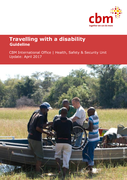
This guideline was prepared in close cooperation with CBM travellers with a disability and others who travel together with a person with a disability. Their experiences/testimonies have been collated using a series of guiding questions. This guideline targets travellers with a disability and persona
...
l assistants (PA) of travellers with a disability. In addition, this document is useful for anyone who is travelling together with a person with a disability. The aim of this guideline is to raise awareness and help to better prepare for trips. The guideline also gives first-hand advice and best-practice recommendations from persons with a disability for persons with a disability.
more

A human rights-based approach to disability in development - Entry points for development organisations
Ilse Worm
Deutsche Gesellschaft für Internationale Zusammenarbeit (GIZ) & Christoffel-Blindenmission (CBM)
(2012)
C2
This study has been produced jointly by Gesellschaft für Internationale Zusammenarbeit (GIZ) GmbH, a federally owned enterprise, implementing development programmes on behalf of the German Government, and CBM, a non-governmental organisation. Accordingly, its aim is to offer guidance to those in bo
...
th governmental and non-governmental organisations on development cooperation. Given the wide and differing range of implementation procedures, levels of intervention and organisational cultures, it is not a ready-to-be-applied toolbox with concrete blueprints for action. Rather, it raises awareness on core human rights and disability – inclusive principles. It explains and illustrates the implications of applying these principles to development practice. Practitioners can therefore use the guidance to initiate a process of consideration of how to embed these principles within their programmes.
more

The ICF Practical Manual provides information on how to use ICF. Anyone interested in learning more about use of the International Classification of Functioning, Disability and Health (ICF, WHO 2001) may benefit from reading this Practical Manual. The ICF is presently used in many different contexts
...
and for many different purposes around the world. It can be used as a tool for statistical, research, clinical, social policy, or educational purposes and applied, not only in the health sector, but also in sectors such as insurance, social security, labour, education, economics, policy or legislation development, and the environment. People interested in functioning and disability and seeking ways to apply the ICF should find the contents of this Practical Manual helpful. The Practical Manual provides a range of information on how to apply ICF in various situations. It is built on the acquired expertise, knowledge and judgement of users in their respective areas of work, and is designed to be used alongside the ICF itself, which remains the primary reference.
more

2nd Generation HIV Surveillance in Pakistan, Round 5
CARE International’s Personal Safety & Security Handbook has been developed to provide practical personal safety and security advice and guidance to all staff working in CARE offices and field sites throughout the world.
Each section has a detailed list of contents at the beginning and cut-ou ... t tabs to allow fast access to topics. Symbols and easy referencing are used throughout the handbook to help you find what you need quickly. more
Each section has a detailed list of contents at the beginning and cut-ou ... t tabs to allow fast access to topics. Symbols and easy referencing are used throughout the handbook to help you find what you need quickly. more
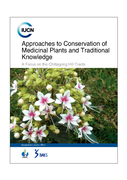
Approaches to Conservation of Medicinal Plants and Traditional Knowledge: A Focus on the Chittagong Hill Tracts
Motaleb, Mohammad Abdul
IUCN (International Union for Conservation of Nature), KNCF (Keidanren Nature Conservation Fund)
(2010)
C1
This report documents different approaches to conservation of medicinal plants and traditional knowledge in Bolipara union of Thanchi upazila of Bandarban hill district. This initiative involved the collection of baseline data on medicinal plants and their uses, motivating people towards the uses an
...
d practices, identification and knowledge sharing with the traditional healers, establishment of an electronic database and carrying out specific conservation measures and awareness activities. This document also provides a number of recommendations to ensure sustainability of such initiatives for safeguarding medicinal plants and indigenous knowledge associated with them. We sincerely hope that this account will be useful to the people interested in medicinal plants, especially in developing countries.
Original file: 29 MB more
Original file: 29 MB more

Infectious disease outbreaks are frequently characterized by scientific uncertainty, social and institutional disruption, and an overall climate of fear and distrust. Policy makers and public health professionals may be forced to weigh and prioritize potentially competing ethical values in the face
...
of severe time and resource constraints. This document seeks to assist policy-makers, health care providers, researchers, and others prepare for outbreak situations by anticipating and preparing for the critical ethical issues likely to arise.
more

World report on child injury prevention
World Health Organization (WHO), the United Nations Children’s Fund (UNICEF)
Peden, Margie et al.
(2008)
C_WHO
Every year, around 830 000 children die from unintentional or "accidental" injuries. The vast majority of these injuries occur in low-income and middle-income countries. However, dozens of prevention strategies and programmes exist. If they were integrated into other child survival programmes and im
...
plemented on a larger scale, many of these deaths and much of the injury-related disability could be prevented.
The report documents the magnitude, risks and prevention measures for child injuries globally –particularly for drowning, burns, road traffic injuries, falls and poisoning. more
The report documents the magnitude, risks and prevention measures for child injuries globally –particularly for drowning, burns, road traffic injuries, falls and poisoning. more
Census Report Volume 4-E
As no census has been undertaken in over 30 years, many aspects of the demographic situation in the country were unknown. For instance, before the Census it was thought that the country had a population of about 60 million, but the 2014 Census showed that the population ... (including an estimate for under-enumeration) was 51,486,253 persons, around 8.5 million less than the previous estimate.
In the 1983 census, 35,307,913 persons were recorded. Therefore between 1983 and 2014, the population increased by 46 per cent. With an average annual population growth rate of 0.89 per cent between 2003 and 2014, Myanmar is one of the slowest growing countries in Southeast Asia. more
As no census has been undertaken in over 30 years, many aspects of the demographic situation in the country were unknown. For instance, before the Census it was thought that the country had a population of about 60 million, but the 2014 Census showed that the population ... (including an estimate for under-enumeration) was 51,486,253 persons, around 8.5 million less than the previous estimate.
In the 1983 census, 35,307,913 persons were recorded. Therefore between 1983 and 2014, the population increased by 46 per cent. With an average annual population growth rate of 0.89 per cent between 2003 and 2014, Myanmar is one of the slowest growing countries in Southeast Asia. more
Census Report Volume 4-L
Myanmar’s 2014 Census enumerated 4.5 million people aged 60 and over and by 2050 Myanmar is projected to have 13 million people in this age group.
Myanmar’s population has aged between 1973 and 2014; while the total population increased at an annual rate of 1. ... 4 per cent, the population aged 60 and over increased annually by 2.4 per cent. Within the older population, the oldest age group, those over 80 years old, has been growing much faster than those aged 60-79. In 2014, the urban population was slightly older than the rural population. This is the result of a more rapid decline in urban fertility, offset by net migration to urban areas by youth and young adults. more
Myanmar’s 2014 Census enumerated 4.5 million people aged 60 and over and by 2050 Myanmar is projected to have 13 million people in this age group.
Myanmar’s population has aged between 1973 and 2014; while the total population increased at an annual rate of 1. ... 4 per cent, the population aged 60 and over increased annually by 2.4 per cent. Within the older population, the oldest age group, those over 80 years old, has been growing much faster than those aged 60-79. In 2014, the urban population was slightly older than the rural population. This is the result of a more rapid decline in urban fertility, offset by net migration to urban areas by youth and young adults. more

(Health Systems in Transition, Vol. 4, No. 3, 2014)

Fostering resilient development through integrated action plan
The Myanmar Action Plan on Disaster Risk Reduction, 2017 is a comprehensive and unified action plan for disaster risk reduction with prioritized interventions across Myanmar till 2020. With a long term vision and considering deep-root ... ed underlying drivers of disaster risk, it has set an overall target for 2030. it aims to provide a base for mobilizing and leveraging, primarily, national and external resources and will provide a basis for result printed outcomes.
The action plan identifies 32 priority actions under four pillars: risk information and awareness; risk governance; risk mitigation; and preparedness and response, rehabilitation and reconstruction. For each priority action, objectives, activities, outputs, duration, lead agencies, and supporting partners have been identified. more
The Myanmar Action Plan on Disaster Risk Reduction, 2017 is a comprehensive and unified action plan for disaster risk reduction with prioritized interventions across Myanmar till 2020. With a long term vision and considering deep-root ... ed underlying drivers of disaster risk, it has set an overall target for 2030. it aims to provide a base for mobilizing and leveraging, primarily, national and external resources and will provide a basis for result printed outcomes.
The action plan identifies 32 priority actions under four pillars: risk information and awareness; risk governance; risk mitigation; and preparedness and response, rehabilitation and reconstruction. For each priority action, objectives, activities, outputs, duration, lead agencies, and supporting partners have been identified. more

In April 2018, Refugees International (RI) conducted a mission to Bangladesh, to research the GBV (gender-based violence) response for Rohingya women and girls. RI found that the entire humanitarian system is struggling under tremendous constraints in Bangladesh, and protection and health actors do
...
deliver lifesaving services to survivors in an incredibly challenging environment. This report, however, focuses on key gaps and challenges in GBV programming, as communicated by practitioners deployed to Bangladesh at various stages of the emergency, by local organizations, and by the affected women and girls themselves.
In the analyses and recommendations provided in this report, RI draws in part from the framework of the international initiative to safeguard women and girls in emergencies — the Call to Action on Protection from Gender-Based Violence in Emergencies — and urges the donors and humanitarian organizations that are Call to Action partners to implement it more effectively and with urgency during this emergency. more
In the analyses and recommendations provided in this report, RI draws in part from the framework of the international initiative to safeguard women and girls in emergencies — the Call to Action on Protection from Gender-Based Violence in Emergencies — and urges the donors and humanitarian organizations that are Call to Action partners to implement it more effectively and with urgency during this emergency. more
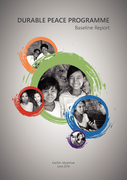
This baseline survey and report examine the Durable Peace Programme (DPP) in Myanmar, which delivers a broad range of activities. The report provides an insight into the current situation facing both internally displaced persons (IDPs) and conflict-affected non-IDP communities in Kachin state, Myanm
...
ar. It is based on a comprehensive and systematic research process involving just over 2,200 interviews conducted in 12 townships across Kachin. The research provides data and analysis on the socioeconomic situation, attitudes towards peace and conflict, gender dynamics, return and resettlement, among others. The Durable Peace Programme Consortium has decided to share the results of this baseline, as it provides insights into the Kachin context for interested stakeholders, and also to encourage cooperation and information sharing. The report adopts a highly visual approach to communicate the large amount of data collected.
more

This Manual is primarily intended for community level volunteers trained in Community Based Disaster Risk Management (CBDRM) and CBDRM Practitioners and Professionals.
The year of publication is not specified in the document.
The year of publication is not specified in the document.
