
Filter
5582
Text search:
clinical
training
Featured
643
1377
Language
5358
158
111
92
59
46
29
24
16
12
8
7
6
5
5
5
4
4
4
4
4
4
4
4
4
3
3
3
3
2
2
2
2
2
2
2
2
2
1
1
1
1
1
1
1
1
1
1
1
1
1
1
1
1
1
1
1
1
Document type
2869
898
783
418
232
174
87
36
28
21
12
9
9
5
1
Countries
276
220
173
148
127
120
118
115
108
98
94
92
91
87
83
70
67
65
57
50
48
48
44
43
43
37
36
34
33
32
31
31
29
29
28
28
25
25
25
23
21
21
21
20
18
17
16
15
14
10
10
10
9
9
9
9
9
8
8
7
7
7
7
7
7
7
6
6
6
5
5
5
5
5
5
5
5
5
5
5
4
4
4
4
4
3
3
3
3
3
3
3
3
3
3
3
3
2
2
2
2
2
2
2
2
2
2
2
2
2
2
2
1
1
1
1
1
1
1
1
1
1
1
1
1
1
1
1
1
1
1
1
1
1
1
1
1
1
1
1
1
1
1
Authors & Publishers
953
297
183
143
135
132
94
80
74
70
61
54
44
44
32
32
30
29
29
29
28
28
23
23
22
22
20
20
19
19
19
19
18
18
18
18
17
16
14
14
14
13
13
13
13
13
13
12
12
12
12
12
12
12
12
12
11
11
10
10
10
10
10
10
10
10
9
9
9
9
9
9
9
8
8
8
8
8
8
8
8
8
8
8
8
8
8
7
7
7
7
7
7
7
7
7
7
7
7
7
7
7
7
7
7
7
7
6
6
6
6
6
6
6
6
6
6
6
6
6
6
6
6
6
6
6
6
6
6
6
6
6
6
6
6
6
6
6
6
6
6
6
5
5
5
5
5
5
5
5
5
5
5
5
5
5
5
5
5
5
5
5
5
5
5
5
5
5
5
5
5
5
5
5
5
4
4
4
4
4
4
4
4
4
4
4
4
4
4
4
4
4
4
4
4
4
4
4
4
4
4
4
4
4
4
4
4
4
4
4
4
4
4
4
4
4
4
4
4
4
4
4
4
4
4
4
4
4
4
3
3
3
3
3
3
3
3
3
3
3
3
3
3
3
3
3
3
3
3
3
3
3
3
3
3
3
3
3
3
3
3
3
3
3
3
3
3
3
3
3
3
3
3
3
3
3
3
3
3
3
3
3
3
3
3
3
3
3
3
3
3
3
3
3
3
3
3
3
3
3
3
3
3
3
3
3
3
3
3
3
3
3
3
3
2
2
2
2
2
2
2
2
2
2
2
2
2
2
2
2
2
2
2
2
2
2
2
2
2
2
2
2
2
2
2
2
2
2
2
2
2
2
2
2
2
2
2
2
2
2
2
2
2
2
2
2
2
2
2
2
2
2
2
2
2
2
2
2
2
2
2
2
2
2
2
2
2
2
2
2
2
2
2
2
2
2
2
2
2
2
2
2
2
2
2
2
2
2
2
2
2
2
2
2
2
2
2
2
2
2
2
2
2
2
2
2
2
2
2
2
2
2
2
2
2
2
2
2
2
2
2
2
2
2
2
2
2
2
2
2
2
2
2
2
2
2
2
2
2
2
2
2
2
2
2
2
2
2
2
2
2
2
2
2
2
2
2
2
2
2
2
2
2
2
2
2
2
2
2
2
2
2
2
2
2
2
2
2
2
2
2
2
2
2
2
2
2
2
2
2
2
2
2
2
2
2
2
2
2
2
2
2
2
2
2
2
2
2
2
2
2
2
2
2
2
2
2
2
2
2
2
2
2
2
2
2
2
2
2
2
2
2
2
2
2
2
2
2
2
2
2
2
2
2
2
2
2
2
2
2
2
2
2
2
2
2
2
2
2
2
2
2
2
2
2
2
2
2
2
2
2
2
2
2
2
2
2
2
2
2
2
2
2
2
2
2
2
2
2
2
2
2
2
2
2
2
2
2
2
2
2
2
2
2
2
2
1
1
1
1
1
1
1
1
1
1
1
1
1
1
1
1
1
1
1
1
1
1
1
1
1
1
1
1
1
1
1
1
1
1
1
1
1
1
1
1
1
1
1
1
1
1
1
1
1
1
1
1
1
1
1
1
1
1
1
1
1
1
1
1
1
1
1
1
1
1
1
1
1
1
1
1
1
1
1
1
1
1
1
1
1
1
1
1
1
1
1
1
1
1
1
1
1
1
1
1
1
1
1
1
1
1
1
1
1
1
1
1
1
1
1
1
1
1
1
1
1
1
1
1
1
1
1
1
1
1
1
1
1
1
1
1
1
1
1
1
1
1
1
1
1
1
1
1
1
1
1
1
1
1
1
1
1
1
1
1
1
1
1
1
1
1
1
1
1
1
1
1
1
1
1
1
1
1
1
1
1
1
1
1
1
1
1
1
1
1
1
1
1
1
1
1
1
1
1
1
1
1
1
1
1
1
1
1
1
1
1
1
1
1
1
1
1
1
1
1
1
1
1
1
1
1
1
1
1
1
1
1
1
1
1
1
1
1
1
1
1
1
1
1
1
1
1
1
1
1
1
1
1
1
1
1
1
1
1
1
1
1
1
1
1
1
1
1
1
1
1
1
1
1
1
1
1
1
1
1
1
1
1
1
1
1
1
1
1
1
1
1
1
1
1
1
1
1
1
1
1
1
1
1
1
1
1
1
1
1
1
1
1
1
1
1
1
1
1
1
1
1
1
1
1
1
1
1
1
1
1
1
1
1
1
1
1
1
1
1
1
1
1
1
1
1
1
1
1
1
1
1
1
1
1
1
1
1
1
1
1
1
1
1
1
1
1
1
1
1
1
1
1
1
1
1
1
1
1
1
1
1
1
1
1
1
1
1
1
1
1
1
1
1
1
1
1
1
1
1
1
1
1
1
1
1
1
1
1
1
1
1
1
1
1
1
1
1
1
1
1
1
1
1
1
1
1
1
1
1
1
1
1
1
1
1
1
1
1
1
1
1
1
1
1
1
1
1
1
1
1
1
1
1
1
1
1
1
1
1
1
1
1
1
1
1
1
1
1
1
1
1
1
1
1
1
1
1
1
1
1
1
1
1
1
1
1
1
1
1
1
1
1
1
1
1
1
1
1
1
1
1
1
1
1
1
1
1
1
1
1
1
1
1
1
1
1
1
1
1
1
1
1
1
1
1
1
1
1
1
1
1
1
1
1
1
1
1
1
1
1
1
1
1
1
1
1
1
1
1
1
1
1
1
1
1
1
1
1
1
1
1
1
1
1
1
1
1
1
1
1
1
1
1
1
1
1
1
1
1
1
1
1
1
1
1
1
1
1
1
1
1
1
1
1
1
1
1
1
1
1
1
1
1
1
1
1
1
1
1
1
1
1
1
1
1
1
1
1
1
1
1
1
1
1
1
1
1
1
1
1
1
1
1
1
1
1
1
1
1
1
1
1
1
1
1
1
1
1
1
1
1
1
1
1
1
1
1
1
1
1
1
1
1
1
1
1
1
1
1
1
1
1
1
1
1
1
1
1
1
1
1
1
1
1
1
1
1
1
1
1
1
1
1
1
1
1
1
1
1
1
1
1
1
1
1
1
1
1
1
1
1
1
1
1
1
1
1
1
1
1
1
1
1
1
1
1
1
1
1
1
1
1
1
1
1
1
1
1
1
1
1
1
1
1
1
1
1
1
1
1
1
1
1
1
1
1
1
1
1
1
1
1
1
1
1
1
1
1
1
1
1
1
1
1
1
1
1
1
1
1
1
1
1
1
1
1
1
1
1
1
1
1
1
1
1
1
1
1
1
1
1
1
1
1
1
1
1
1
1
1
1
1
1
1
1
1
1
1
1
1
1
1
1
1
1
1
1
1
1
1
1
1
1
1
1
1
1
1
1
1
1
1
1
1
1
1
1
1
1
1
1
1
1
1
1
1
1
1
1
1
1
1
1
1
1
1
1
1
1
1
1
1
1
1
1
1
1
1
1
1
1
1
1
1
1
1
1
1
1
1
1
1
1
1
1
1
1
1
1
1
1
1
1
1
1
1
1
1
1
1
1
1
1
1
1
1
1
1
1
1
1
1
1
1
1
1
1
1
1
1
1
1
1
1
1
1
1
1
1
1
1
1
1
1
1
1
1
1
1
1
1
1
1
1
1
1
1
1
1
1
1
1
1
1
1
1
1
1
1
1
1
1
1
1
1
1
1
1
1
1
1
1
1
1
1
1
1
1
1
1
1
1
1
1
1
1
1
1
1
1
1
1
1
1
1
1
1
1
1
1
1
1
1
1
1
1
1
1
1
1
1
1
1
1
1
1
1
1
1
1
1
1
1
1
1
1
1
1
1
1
1
1
1
1
1
1
1
1
1
1
1
1
1
1
1
1
1
1
1
1
1
1
1
1
1
1
1
1
1
1
1
1
1
1
1
1
1
1
1
1
1
1
1
1
1
1
1
1
1
1
1
1
1
1
1
1
1
1
1
1
1
1
1
1
1
1
1
1
1
1
1
1
1
1
1
1
1
1
1
1
1
1
1
1
1
1
1
1
1
1
1
1
1
1
1
1
1
1
1
1
1
1
1
1
1
1
1
1
1
1
1
1
1
1
1
1
1
1
1
1
1
1
1
1
1
1
1
1
1
1
1
1
1
1
1
1
1
1
1
1
1
1
1
1
1
1
1
1
1
1
1
1
1
1
1
1
1
1
1
1
1
1
1
1
1
1
1
1
1
1
1
1
1
1
1
1
1
1
1
1
1
1
1
1
1
1
1
1
1
1
1
1
1
1
1
1
1
1
1
1
1
1
1
1
1
1
1
1
1
1
1
1
1
1
1
1
1
1
1
1
1
1
1
1
1
1
1
1
1
1
1
1
1
1
1
1
1
1
1
1
1
1
1
1
1
1
1
1
1
1
1
1
1
1
1
1
1
1
1
1
1
1
1
1
1
1
1
1
1
1
1
1
1
1
1
1
1
1
1
1
1
1
1
1
1
1
1
1
1
1
1
1
1
1
1
1
1
1
1
1
1
1
1
1
1
1
1
1
1
1
1
1
1
1
1
1
1
1
1
1
1
1
1
1
1
1
1
1
1
1
1
1
1
1
1
1
1
1
1
1
1
1
1
1
1
1
1
1
1
1
1
1
1
1
1
1
1
1
1
1
1
1
1
1
1
1
1
1
1
1
1
1
1
1
1
1
1
1
1
1
1
1
1
1
1
1
1
1
1
1
1
1
1
1
1
1
1
1
1
1
1
1
1
1
1
1
1
1
1
1
1
1
1
1
1
1
1
1
1
1
1
1
1
1
1
1
1
1
1
1
1
1
1
1
1
1
1
1
1
1
1
1
1
1
1
1
1
1
1
1
1
1
1
1
1
1
1
1
1
1
1
1
1
1
1
1
1
1
1
1
1
1
1
1
1
1
1
1
1
1
1
1
1
1
1
1
1
1
1
1
1
1
1
1
1
1
1
1
1
1
1
1
1
1
1
1
1
1
1
1
1
1
1
1
1
1
1
1
1
1
1
1
1
1
1
1
1
1
1
1
1
1
1
1
1
1
1
1
1
1
1
1
1
1
1
1
1
1
1
1
1
1
1
1
1
1
1
1
1
1
1
1
1
1
1
1
1
1
1
1
1
1
1
1
1
1
1
1
1
1
1
1
1
1
1
1
1
1
1
1
1
1
1
1
1
1
1
1
1
1
1
1
1
1
1
1
1
1
1
1
1
1
1
1
1
1
1
1
1
1
1
1
1
1
1
1
1
1
1
1
1
1
1
1
1
1
1
1
1
1
1
1
1
1
1
1
1
1
1
1
1
1
1
1
1
1
1
1
1
1
1
1
1
1
1
1
1
1
1
1
1
1
1
1
1
1
1
1
1
1
1
1
1
1
1
1
1
1
1
1
1
1
1
1
1
1
1
1
1
1
1
1
1
1
1
1
1
1
1
1
1
1
1
1
1
1
1
1
1
1
1
1
1
1
1
1
1
1
1
1
1
1
1
1
1
1
1
1
1
1
1
1
1
1
1
1
1
1
1
1
1
1
1
1
1
1
1
1
1
1
1
1
1
1
1
1
1
1
1
1
1
1
1
1
1
1
1
1
1
1
1
1
1
1
1
1
1
1
1
1
1
1
1
1
1
1
1
1
1
1
1
1
1
1
1
1
1
1
1
1
1
1
1
1
1
1
1
1
1
1
1
1
1
1
1
1
1
1
1
1
1
1
1
1
1
1
1
1
1
1
1
1
1
1
1
1
1
1
1
1
1
1
1
1
1
1
1
1
1
1
1
1
1
1
1
1
1
1
1
1
1
1
1
1
1
1
1
1
1
1
1
1
1
1
1
1
1
1
1
1
1
1
1
1
1
1
1
1
1
1
1
1
1
1
1
1
1
1
1
1
1
1
1
1
1
1
1
1
1
1
1
1
1
1
1
1
1
1
1
1
1
1
1
1
1
1
1
1
1
1
1
1
1
1
1
1
1
1
1
1
1
1
1
1
1
1
1
1
1
1
1
1
1
1
1
1
1
1
1
1
1
1
1
1
1
1
1
1
1
1
1
1
1
1
1
1
1
1
1
1
1
1
1
1
1
1
1
1
1
1
1
1
1
1
1
1
1
1
1
1
1
1
1
1
1
1
1
1
1
1
1
1
1
1
1
1
1
1
1
1
1
1
1
1
1
1
1
1
1
1
1
1
1
1
1
1
1
1
1
1
1
1
1
1
1
1
1
1
1
1
1
1
1
1
1
1
1
1
1
1
1
1
1
1
1
1
1
1
1
1
1
1
1
1
1
1
1
1
1
1
1
1
1
1
1
1
1
1
1
1
1
1
1
1
1
1
1
1
1
1
1
1
1
1
1
1
1
1
1
1
1
1
1
1
1
1
1
1
1
1
1
1
1
1
1
1
1
1
1
1
1
1
1
1
1
1
1
1
1
1
1
1
1
1
1
1
1
1
1
1
1
1
1
1
1
1
1
1
1
1
1
1
1
1
1
1
1
1
1
1
1
1
1
1
1
1
1
1
1
1
1
1
1
1
1
1
1
1
1
1
1
1
1
1
1
1
1
1
1
1
1
1
1
1
1
1
1
1
1
1
1
1
1
1
1
1
1
1
1
1
1
1
1
1
1
1
1
1
1
1
1
1
1
1
1
1
1
1
1
1
1
1
1
1
1
1
1
1
1
1
1
1
1
1
1
1
1
1
1
1
1
1
1
1
1
1
1
1
1
1
1
1
1
1
1
1
1
1
1
1
1
1
1
1
1
1
1
1
1
1
1
1
1
1
1
1
1
1
1
1
1
1
1
1
1
1
1
1
1
1
1
1
1
1
1
1
1
1
1
1
1
1
1
1
1
1
1
1
1
1
1
1
1
1
1
1
1
1
1
1
1
1
1
1
1
1
1
1
1
1
1
1
1
1
1
1
1
1
1
1
1
1
1
1
1
1
1
1
1
1
1
1
1
1
1
1
1
1
1
1
1
1
1
1
1
1
1
1
1
1
1
1
1
1
1
1
1
1
1
1
1
1
1
1
1
1
1
1
1
1
1
1
1
1
1
1
1
1
1
1
1
1
1
1
1
1
1
1
1
1
1
1
1
1
1
1
1
1
1
1
1
1
1
1
1
1
1
1
1
1
1
1
1
1
1
1
1
1
1
1
1
1
1
1
1
1
1
1
1
1
1
1
1
1
1
1
1
1
1
1
1
1
1
1
1
1
1
1
1
1
1
1
1
1
1
1
1
1
1
1
1
1
1
1
1
1
1
1
1
1
1
1
1
1
1
1
1
1
1
1
1
1
1
1
1
1
1
1
1
1
1
1
1
1
1
1
1
1
1
1
1
1
1
1
1
1
1
1
1
1
1
1
1
1
1
1
1
1
1
1
1
1
1
1
1
1
1
1
1
1
1
1
1
1
1
1
1
1
1
1
1
1
1
1
1
1
1
1
1
1
1
1
1
1
1
1
1
1
1
1
1
1
1
1
1
1
1
1
1
1
1
1
1
1
1
1
1
1
1
1
1
1
1
1
1
1
1
1
1
1
1
1
1
1
1
1
1
1
1
1
1
1
1
1
1
1
1
1
1
1
1
1
1
1
1
1
1
1
1
1
1
1
1
1
1
1
1
1
1
1
1
1
1
1
1
1
1
1
1
1
1
1
1
1
1
1
1
1
1
1
1
1
1
1
1
1
1
1
1
1
1
1
1
1
1
1
1
1
1
1
1
1
1
1
1
1
1
1
1
1
1
1
1
1
1
1
1
1
1
1
1
1
1
1
1
1
1
1
1
1
1
1
1
1
1
1
1
1
1
1
1
1
1
1
1
1
1
1
1
1
1
1
1
1
1
1
1
1
1
1
1
1
1
1
1
1
1
1
1
1
1
1
1
1
1
1
1
1
1
1
1
1
1
1
1
1
1
1
1
1
1
1
1
1
1
1
1
1
1
1
1
1
1
1
1
1
1
1
1
1
1
1
1
1
1
1
1
1
1
1
1
1
1
1
1
1
1
1
1
1
1
1
1
1
1
1
1
1
1
1
1
1
1
1
1
1
1
1
1
1
1
1
1
1
1
1
1
1
1
1
1
1
1
1
1
1
1
1
1
1
1
1
1
1
1
1
1
1
1
1
1
1
1
1
1
1
1
1
1
1
1
1
1
1
1
1
1
1
1
1
1
1
1
1
1
1
1
1
1
1
1
1
1
1
1
1
1
1
1
1
1
1
1
1
1
1
1
1
1
1
1
1
1
1
1
1
1
1
1
1
1
1
1
1
1
1
1
1
1
1
1
1
1
1
1
1
1
1
1
1
1
1
1
1
1
1
1
1
1
1
1
1
1
1
1
1
1
1
1
1
1
1
1
1
1
1
1
1
1
1
1
1
1
1
1
1
1
1
1
1
1
1
1
1
1
1
1
1
1
1
1
1
1
1
1
1
1
1
1
1
1
1
1
1
1
1
1
1
1
1
1
1
1
1
1
1
1
1
1
1
1
1
1
1
1
1
1
1
1
1
1
1
1
1
1
1
1
1
1
1
1
1
1
1
1
1
1
1
1
1
1
1
1
1
1
1
1
1
1
1
1
1
1
1
1
1
1
1
1
1
1
1
1
1
1
1
1
1
1
1
1
1
1
1
1
1
1
1
1
1
1
1
1
1
1
1
1
1
1
1
1
1
1
1
1
1
1
1
1
1
1
1
1
1
1
1
1
1
1
1
1
1
1
1
1
1
1
1
1
1
1
1
1
1
1
1
1
1
1
1
1
1
1
1
1
1
1
1
1
1
1
1
1
1
1
1
1
1
1
1
1
1
1
1
1
1
1
1
1
1
1
1
1
1
1
1
1
1
1
1
1
1
1
1
1
1
1
1
1
1
1
1
1
1
1
1
1
1
1
1
1
1
1
1
1
1
1
1
1
1
1
1
1
1
1
1
1
1
1
1
1
1
1
1
1
1
1
1
1
1
1
1
1
1
1
1
1
1
1
1
1
1
1
1
1
1
1
1
1
1
1
1
1
1
1
1
1
1
1
1
1
1
1
1
1
1
1
1
1
1
1
1
1
1
1
1
1
1
1
1
1
1
1
1
1
1
1
1
1
1
1
1
1
1
1
1
1
1
1
1
1
1
1
1
1
1
1
1
1
1
1
1
1
1
1
1
1
1
1
1
1
1
1
1
1
1
1
1
1
1
1
1
1
1
1
1
1
1
1
1
1
1
1
1
1
1
1
1
1
1
1
1
1
1
1
1
1
1
1
1
1
1
1
1
1
1
1
1
1
1
1
1
1
1
Publication Years
1653
3333
560
32
4
Category
2045
581
380
315
259
244
88
3
Toolboxes
612
407
318
273
221
215
191
184
144
130
122
114
114
92
89
87
68
60
46
34
34
28
26
25
25
August 2020, The Africa Joint Continental Strategy for COVID-19 is underpinned by the need to limit transmission, prevent deaths and reduce associated harms. Participation by African nations in clinical trials is an essential step to ensure that suf
...
ficient data is generated on the safety and efficacy of the most promising vaccine candidates among the region’s populations.
While current COVID-19 clinical trial activity on the continent is limited, Africa has substantial experience and capabilities to conduct clinical trials for preventative vaccines across a range of diseases, and many organizations on the continent are working tirelessly to help prepare additional trials on potential COVID-19 vaccines. As the number of candidate vaccines in the development pipeline continues to increase, it will be important for organizations responsible for managing clinical trials in the region to partner with vaccine developers to identify potential and appropriate trial locations, provide support to remove any critical obstacles impeding commencement and progress of trials, and to provide oversight ensuring that trials are conducted safely and ethically.
more
The Federal Ministry of Health (FMOH) has been coordinating sector wide reforms that aim to improve equity and quality of health services. It is widely known that; the sector is growing in line the overall growth and transformation plan of the country and the sector is bein
...
g guided by the health sector transformation plan (HSTP). As part of these efforts, to achieve the targets set, the sector identified information revolution as one of the transformational agendas. In the meantime, Appropriate and timely use of health and health-related information is an essential element in the process of transforming the health sector.
more
Ethiopian primary health care clinical guidelines (Sample)
Federal Democratic Republic of Ethiopia -Ministry of Health
Federal Democratic Republic of Ethiopia -Ministry of Health
(2017)
C1

For IST to be effective there is need for utilization of multiple techniques that will lead to transfer of competences (Bluestone et al. 2013). Learning settings should be selected to support relevant and realistic practice so as to increase the efficiency of IST. Alternatives to hotels such as
...
training institutions and hospitals are viable options for reducing costs of IST as well as being appropriate venues (MOH 2012). There is documented evidence of involvement of academic institutions in providing health leadership capacity building through IST in other countries; for example, in Uganda, IST in leadership for doctors and nurses was done through a blended approach that included didactic and online sessions (Nakanjako et al. 2015). Adapting these concepts, FUNZOKenya piloted eight regional hubs, each serving a cluster of counties, which would train health workers for five years (2012-2016) on priority service delivery topics
more
Abridged version. In this abridged version of the Evidence-based Clinical Practice Guidelines for the Follow-Up of at-risk neonates, we provide recommendations for the care of newborns up to 2 years of age, corresponding to the first phase of their
...
follow-up. The recommendations are intended for all health sector staff responsible for the primary care of these neonates: general practitioners, family practitioners, pediatricians, neonatologists, pediatric ophthalmologists, pediatric otolaryngologists, nursing professionals, specialists in other fields, and multidisciplinary staff involved in the care process. The purpose of these guidelines is to facilitate policy implementation processes carried out by decision-makers and members of government bodies, and will also be useful for parents, mothers, and caregivers. The main topics covered by this document include the hospital discharge criteria, including screening tests; information and support for parents, mothers, and caregivers; screening at the follow-up visit, and the frequency of follow-ups until the infant is 2 years of age. These guidelines do not address matters related to nursing or comorbidities.
more

Guide for clinical case management and infection prevention and control during ameasles outbreak. This guide has been developed to reduce the high morbidity and mortality seen in some of the current outbreaks of measles. This short guide outlines pr
...
actical clinical care interventions and is derived from previously published WHO documents.
more
This toolkit was developed by the Centers for Disease Control and Prevention (CDC) Division for Heart Disease and Stroke Prevention (DHDSP) to provide healthcare organizations, including those in resource-constrained settings, with the information and resources to implement the HMP and improve hyper
...
tension control among their patients. CDC DHDSP developed an online toolkit that consists of interactive e-learning modules that are designed to guide learners through the key features of the ten HMP components and prepare them for implementation at their health system. The online e-learning modules are accompanied by a PDF toolkit document that can be used as an additional resource for users.
The purposes of this toolkit and the associated online e-learning modules are to provide healthcare organizations:
An overview of the HMP, its ten core components, and suggestions for implementing the HMP in clinical settings.
Guidance to staff, administrators, and other healthcare professionals on how to implement and adapt the HMP for their unique clinical setting.
The online e-learning modules you can find here:
https://www.cdc.gov/dhdsp/pubs/toolkits/hmp-toolkit/index.htm
accessed 29.07.2021
more
The aim of the SATG was to produce a triage scale for use throughout South Africa. The group was multi-disciplinary and comprised doctors, nurses and paramedics. The result of the SATG’s activities is the South African Triage Scale (SATS), a physiology and symptom based scale which prioritises int
...
o one of four colours and can be used in hospital Emergency Centres as well as in the pre-hospital setting. The SATS has been validated in the public, private health care setting as well as pre-hospital.
more
This first edition of our national neonatal care clinical guidelines is an initiative that aims to ensure that all the neonates in the Kingdom of Eswatini are offered standard, best quality of care and the best possible start in life. The guidelines
...
have been formulated from various global sources and tailored to the needs and health practises of the country. They are designed to serve as a guide to all healthcare providers in the country to provide standardized quality neonatal care.
more
Saving Lives Through Safe Surgery (SaLTS)
The purpose of this document is to guide clinicians in the care of patients with or at risk of severe illness from influenza virus infection, including those caused by seasonal influenza viruses, pandemic influenza viruses and zoonotic (novel influenza A) viruses.
Climate change is one of the most important issues of our time and has major health and healthcare implications. As some of the most respected professionals in America, doctors and nurses have a crucial part to play in raising awareness of the public about these issues. To facilitate the medical com
...
munity’s awareness-raising efforts, the Medical Society Consortium on Climate and Health (Consortium) brings together associations representing over 600,000 clinical practitioners
more

The Department of Health (DOH) has developed a National Integrated Sexual and Reproductive Health and Rights (SRHR) Policy.1 This policy addresses the many cross-cutting issues relating to SRH service provision, drawing together the principles, rights, and guidance for planning and implementation th
...
at underpin the provision of quality, comprehensive, and integrated SRHR services in South Africa. The National Integrated SRHR Policy is supported by several clinical and service delivery guidelines covering related programmatic
areas, including the National Contraception Clinical Guidelines.
more
For health care providers.
Sub-Saharan Africa has the highest maternal mortality in the world. According to estimates by the United Nations Maternal Mortality Estimation Inter-Agency Group (UN MMEIG)1 in September 2017, while the African Region had recorded a significant decline in maternal mortali
...
ty rate (MMR) of 37.8% between 2000 and 2017, 66% of the 295 000 maternal deaths reported globally occurred in sub-Saharan Africa. The African Region is also noted to have an extremely high MMR, estimated at 542 per 100000 livebirths, with an average annual rate of reduction of 2.9%.
more
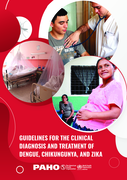
Evidence-based guidelines are one of the most useful tools for improving public health and clinical practice. Their purpose is to formulate interventions based on strong evidence of efficacy, avoid unnecessary risks, use resources efficiently, reduc
...
e clinical variability and, in essence, improve health and ensure quality care, which is the purpose of health systems and services. These guidelines were developed following the GRADE methodology, with the support of a panel of clinical experts from different countries, all convened by the Pan American Health Organization. By responding to twelve key questions about the clinical diagnosis and treatment of dengue, chikungunya, and Zika, evidence-based recommendations were formulated for pediatric, youth, adult, older adult, and pregnant patients who are exposed to these diseases or have a suspected or confirmed diagnosis of infection. The purpose of the guidelines is to prevent progression to severe forms of these diseases and the fatal events they may cause. The recommendations are intended for health professionals, including general, resident, and specialist physicians, nursing professionals, and medical and nursing students, who participate in caring for patients with suspected dengue, chikungunya, or Zika. They are also intended for health unit managers and the executive teams of national arboviral disease prevention and control programs, who are responsible for facilitating the process of implementing these guidelines.
more
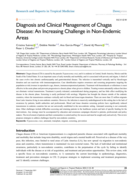
Research and Reports in Tropical Medicine 2022:13 25–40.
Chagas disease (CD) is caused by the parasite Trypanosoma cruzi, and it is endemic in Central, South America, Mexico and the South of the United States. It is an important cause of early mortality and morbidity, and it is associated with po
...
verty and stigma. A third of the cases evolve into chronic cardiomyopathy and gastrointestinal disease. This review proposes strategies to address challenges faced by non-endemic countries
more

Diabetes mellitus is a major cause of morbidity and mortality in Scotland and worldwide, with an increasing prevalence. In 2009 there were around 228,000 people registered as having diabetes in Scotland, an increase of 3.6% from the preceding year. This increase relates, in part, to the increasing a
...
ge of the population, an increase in obesity and also perhaps to increasing survival of those with diabetes.
more

For many years, Community Health Care Workers (CHWs) in Tanzania and Africa in general have played significant role in community health promotion. Their specific roles have been changing from time to time. However, their key roles have over time included giving health education and dissemination of
...
health information to communities, invariably moving on to include other services such as offering curative services and conducting community surveys. Deployment of CHWs has mainly been a response to the severe shortage of the human resource for health in most African countries due to brain drain for various reasons that include unattractive terms and conditions of employment. On the other hand the human resources for health (HRH) is a result of positive growing demand for health services, a situation confronted by inadequate supply of trained health personnel from training institutions to meet the demand.
more

The purpose of this guide is to provide updated clinical guidance on TB/HIV, with an emphasis on diagnostic aspects—including new techniques—as well as current treatment, while maintaining a public health approach. By compiling and consolidating
...
the latest World Health Organization recommendations on the subject into a single guide, the aim is to create a reference and consultation document that is frequently used, and that unifies and standardizes the comprehensive management of TB/HIV co-infection in healthcare facilities based on the principle of “two diseases, one patient.” It also seeks to support the updating of national standards and guidelines on co-infection and to complement the coordinated work that must exist between TB and HIV prevention and control programs at all levels, within the framework of the twelve internationally recommended TB/HIV collaborative activities.
more
