
Filter
466
Text search:
National
Vector
Borne
Diseases
Control
Programme
Featured
59
139
Language
Document type
176
120
72
41
35
9
6
6
1
Countries / Regions
46
34
14
11
11
9
8
6
6
5
5
5
5
4
4
4
4
4
3
3
3
3
3
2
2
2
2
2
2
2
2
2
2
2
2
2
2
1
1
1
1
1
1
1
1
1
1
1
1
1
1
1
1
1
1
1
1
1
1
1
1
1
1
1
1
1
1
1
1
1
1
1
1
1
1
1
1
1
Authors & Publishers
Publication Years
Category
139
67
50
35
7
7
5
Toolboxes
73
71
40
21
21
20
19
16
14
8
6
4
4
4
3
3
3
3
3
3
1
1

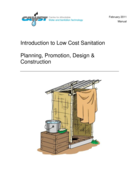
Introduction to Low Cost Sanitation
recommended
Planning, Promotion, Contruction & Design. Manual


Strengthening health-system emergency preparedness.
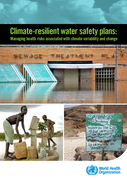
Long-term planning for an adequate and safe supply of drinking-water should be set in the context of growing external uncertainties arising from changes in the climate and environment. The water safety plan (WSP) process offers a systematic framework to manage these risks by considering the implica
...
Resource Guide for Advanced Learning
The EYE strategy is a comprehensive and long-term strategy built on lessons learned that aims at ending yellow fever epidemics by 2026, and consists of three strategic objectives:
protect at-risk populations;
prevent international spread; and
contain outbreaks rapidly.

A resource for pesticide registrars and regulators.
The WHO urged governments to restrict access to highly toxic pesticides used for self-poisoning . Other effective interventions include education, youth intervention programs and follow-up of people at risk—and better data. Only 80 out of 183 WH
...

RMRP 2020 - Regional Refugee and Migrant Response Plan for Refugees and Migrants from Venezuela 2020
The Venezuelan refugee and migrant crisis is one of the biggest external displacement crises in the world today. The COVID-19 pandemic has compounded an already desperate situation for many refugees and migrants, as well as their hosts, sorely testing health and social welfare systems and the abilit
...

Early damage assessments indicate that at least 800,000 people could be directly exposed to minor to severe damages, including communication, access, security, loss of livelihoods, infrastructure, and health services could be impacted.

Urbanization, land use, global trade and industrialization have led to profound and negative impacts on nature, biodiversity and ecosystems across the world. The ongoing depletion of natural resources not only afects environmental conditions but also has an enormous impact on the well-being and secu
...


The climate crisis has many consequences – among them widespread health impacts that will lead to immense societal, ecological, and economic harm.
Over the past two decades multiple large-scale reviews on climate change and health have made clear the need for a multi-sectoral approach to target t
...

Project Drawdown (2022) provides evidence of how climate solutions can also be win-win opportunities for meeting development and human well-being needs while boosting prosperity for rural communities in sub-Saharan Africa and South Asia. The report summarizes the co-benefits of five groups of a subs
...
