
Filter
2999
Text search:
Department
of
Health,
South
Africa
Featured
267
655
Language
2870
85
60
49
32
23
15
12
9
8
8
5
5
4
3
3
3
3
2
2
2
2
2
2
1
1
1
1
1
1
1
1
1
1
1
1
1
1
1
1
1
1
1
1
Document type
1541
678
379
179
84
61
40
17
8
7
4
1
Countries / Regions
303
168
80
77
64
57
53
52
48
47
45
43
43
42
30
30
28
25
24
23
23
22
22
21
21
20
20
20
18
18
17
16
15
15
13
13
13
12
12
11
11
9
9
9
9
9
8
8
7
7
7
7
6
6
5
5
5
4
4
4
4
4
4
4
4
3
3
3
3
3
2
2
2
2
2
2
2
2
2
2
2
2
2
2
1
1
1
1
1
1
1
1
1
1
1
1
1
1
1
1
1
1
1
1
1
1
1
1
1
1
1
1
1
1
Authors & Publishers
479
169
160
88
76
62
46
42
36
32
24
24
24
18
18
18
17
17
17
16
15
14
13
11
10
10
10
9
9
9
9
9
8
8
8
8
8
7
7
7
7
7
7
7
7
7
7
7
7
7
7
7
7
6
6
6
6
6
6
6
6
6
6
5
5
5
5
5
5
5
5
5
5
5
5
5
5
5
5
5
5
5
5
5
5
4
4
4
4
4
4
4
4
4
4
4
4
4
4
4
4
4
4
4
4
4
4
4
4
4
4
4
4
4
4
4
4
3
3
3
3
3
3
3
3
3
3
3
3
3
3
3
3
3
3
3
3
3
3
3
3
3
3
3
3
3
3
3
3
3
3
3
3
3
3
3
3
3
3
3
3
3
3
3
3
3
3
3
3
3
3
3
3
3
3
3
3
3
3
3
3
2
2
2
2
2
2
2
2
2
2
2
2
2
2
2
2
2
2
2
2
2
2
2
2
2
2
2
2
2
2
2
2
2
2
2
2
2
2
2
2
2
2
2
2
2
2
2
2
2
2
2
2
2
2
2
2
2
2
2
2
2
2
2
2
2
2
2
2
2
2
2
2
2
2
2
2
2
2
2
2
2
2
2
2
2
2
2
2
2
2
2
2
2
2
2
2
2
2
2
2
2
2
2
2
2
2
2
2
2
2
2
2
2
2
2
2
2
2
2
2
2
2
2
2
2
2
2
2
2
2
2
2
2
2
2
2
2
2
2
2
2
2
2
2
2
2
2
2
2
2
2
2
2
2
2
2
2
2
2
2
2
2
2
2
2
2
2
2
2
2
2
2
1
1
1
1
1
1
1
1
1
1
1
1
1
1
1
1
1
1
1
1
1
1
1
1
1
1
1
1
1
1
1
1
1
1
1
1
1
1
1
1
1
1
1
1
1
1
1
1
1
1
1
1
1
1
1
1
1
1
1
1
1
1
1
1
1
1
1
1
1
1
1
1
1
1
1
1
1
1
1
1
1
1
1
1
1
1
1
1
1
1
1
1
1
1
1
1
1
1
1
1
1
1
1
1
1
1
1
1
1
1
1
1
1
1
1
1
1
1
1
1
1
1
1
1
1
1
1
1
1
1
1
1
1
1
1
1
1
1
1
1
1
1
1
1
1
1
1
1
1
1
1
1
1
1
1
1
1
1
1
1
1
1
1
1
1
1
1
1
1
1
1
1
1
1
1
1
1
1
1
1
1
1
1
1
1
1
1
1
1
1
1
1
1
1
1
1
1
1
1
1
1
1
1
1
1
1
1
1
1
1
1
1
1
1
1
1
1
1
1
1
1
1
1
1
1
1
1
1
1
1
1
1
1
1
1
1
1
1
1
1
1
1
1
1
1
1
1
1
1
1
1
1
1
1
1
1
1
1
1
1
1
1
1
1
1
1
1
1
1
1
1
1
1
1
1
1
1
1
1
1
1
1
1
1
1
1
1
1
1
1
1
1
1
1
1
1
1
1
1
1
1
1
1
1
1
1
1
1
1
1
1
1
1
1
1
1
1
1
1
1
1
1
1
1
1
1
1
1
1
1
1
1
1
1
1
1
1
1
1
1
1
1
1
1
1
1
1
1
1
1
1
1
1
1
1
1
1
1
1
1
1
1
1
1
1
1
1
1
1
1
1
1
1
1
1
1
1
1
1
1
1
1
1
1
1
1
1
1
1
1
1
1
1
1
1
1
1
1
1
1
1
1
1
1
1
1
1
1
1
1
1
1
1
1
1
1
1
1
1
1
1
1
1
1
1
1
1
1
1
1
1
1
1
1
1
1
1
1
1
1
1
1
1
1
1
1
1
1
1
1
1
1
1
1
1
1
1
1
1
1
1
1
1
1
1
1
1
1
1
1
1
1
1
1
1
1
1
1
1
1
1
1
1
1
1
1
1
1
1
1
1
1
1
1
1
1
1
1
1
1
1
1
1
1
1
1
1
1
1
1
1
1
1
1
1
1
1
1
1
1
1
1
1
1
1
1
1
1
1
1
1
1
1
1
1
1
1
1
1
1
1
1
1
1
1
1
1
1
1
1
1
1
1
1
1
1
1
1
1
1
1
1
1
1
1
1
1
1
1
1
1
1
1
1
1
1
1
1
1
1
1
1
1
1
1
1
1
1
1
1
1
1
1
1
1
1
1
1
1
1
1
1
1
1
1
1
1
1
1
1
1
1
1
1
1
1
1
1
1
1
1
1
1
1
1
1
1
1
1
1
1
1
1
1
1
1
1
1
1
1
1
1
1
1
1
1
1
1
1
1
1
1
1
1
1
1
1
1
1
1
1
1
1
1
1
1
1
1
1
1
1
1
1
1
1
1
1
1
1
1
1
1
1
1
1
1
1
1
1
1
1
1
1
1
1
1
1
1
1
1
1
1
1
1
1
1
1
1
1
1
1
1
1
1
1
1
1
1
1
1
1
1
1
1
1
1
1
1
1
1
1
1
1
1
1
1
1
1
1
1
1
1
1
1
1
1
1
1
1
1
1
1
1
1
1
1
1
1
1
1
1
1
1
1
1
1
1
1
1
1
1
1
1
1
1
1
1
1
1
1
1
1
1
1
1
1
1
1
1
1
1
1
1
1
1
1
1
1
1
1
1
1
1
1
1
1
1
1
1
1
1
1
1
1
1
1
1
1
1
1
1
1
1
1
1
1
1
1
1
1
1
1
1
1
1
1
1
1
1
1
1
1
1
1
1
1
1
1
1
1
1
1
1
1
1
1
1
1
1
1
1
1
1
1
1
1
1
1
1
1
1
1
1
1
1
1
1
1
1
1
1
1
1
1
1
1
1
1
1
1
1
1
1
1
1
1
1
1
1
1
1
1
1
1
1
1
1
1
1
1
1
1
1
1
1
1
1
1
1
1
1
1
1
1
1
1
1
1
1
1
1
1
1
1
1
1
1
1
1
1
1
1
1
1
1
1
1
1
1
1
1
1
1
1
1
1
1
1
1
1
1
1
1
1
1
1
1
1
1
1
1
1
1
1
1
1
1
1
1
1
1
1
1
1
1
1
1
1
1
1
1
1
1
1
1
1
1
1
1
1
1
1
1
1
1
1
1
1
1
1
1
1
1
1
1
1
1
1
1
1
1
1
1
1
1
1
1
1
1
1
1
1
1
1
1
1
1
1
1
1
1
1
1
1
1
1
1
1
1
1
1
1
1
1
1
1
1
1
1
1
1
1
1
1
1
1
1
1
1
1
1
1
1
1
1
1
1
1
1
1
1
1
1
1
1
1
1
1
1
1
1
1
1
1
1
1
1
1
1
1
1
1
1
1
1
1
1
1
1
1
1
1
1
1
1
1
1
1
1
1
1
1
1
1
1
1
1
1
1
1
1
1
1
1
1
1
1
1
1
1
1
1
1
1
1
1
1
1
1
1
1
1
1
1
1
1
1
1
1
1
1
1
1
1
1
1
1
1
1
1
1
1
1
1
1
1
1
1
1
1
1
1
1
1
1
1
1
1
1
1
1
1
1
1
1
1
1
1
1
1
1
1
1
1
1
1
1
1
1
1
1
1
1
1
1
1
1
1
1
1
1
1
1
1
1
1
1
1
1
1
1
1
1
1
1
1
1
1
1
1
1
1
1
1
1
1
1
1
1
1
1
1
1
1
1
1
1
1
1
1
1
1
1
1
1
1
1
1
1
1
1
1
1
1
1
1
1
1
1
1
1
1
1
1
1
1
1
1
1
1
1
1
1
1
1
1
1
1
1
1
1
1
1
1
1
1
1
1
1
1
1
1
1
1
1
1
1
1
1
1
1
1
1
1
1
1
1
1
1
1
1
1
1
1
1
1
1
1
1
1
1
1
1
1
1
1
1
1
1
1
1
1
1
1
1
1
1
1
1
1
1
1
1
1
1
1
1
1
1
1
1
1
1
1
1
1
1
1
1
1
1
1
1
1
1
1
1
1
1
1
1
1
1
1
1
1
1
1
1
1
1
1
1
1
1
1
1
1
1
1
1
1
1
1
1
1
1
1
1
1
1
1
1
1
1
1
1
1
1
1
1
1
1
1
1
1
1
1
1
1
1
1
1
1
1
1
1
1
1
1
1
1
1
1
1
1
1
1
1
1
1
1
1
1
1
1
1
1
1
1
1
1
1
1
1
1
1
1
1
1
1
1
1
1
1
1
1
1
1
1
1
1
1
1
1
1
1
1
1
1
1
1
1
1
1
1
1
1
1
1
1
1
1
1
1
1
1
1
1
1
1
1
1
1
1
1
1
1
1
1
1
1
1
1
1
1
1
1
1
1
1
1
1
1
1
1
1
1
1
1
1
1
1
1
1
1
1
1
1
1
1
1
1
1
1
1
1
1
1
1
1
1
1
1
1
1
1
1
1
1
1
1
1
1
1
1
1
1
1
1
1
1
1
1
1
1
1
1
1
1
1
1
1
1
1
1
1
1
1
1
1
1
1
1
1
1
1
1
1
1
1
1
1
1
1
1
1
1
1
1
1
1
1
1
1
1
1
1
1
1
1
1
1
1
1
1
1
1
1
1
1
1
1
1
1
1
1
1
1
1
1
1
1
1
1
1
1
1
1
1
1
1
1
1
1
1
1
1
1
1
1
1
1
1
1
1
1
1
1
1
1
1
1
1
1
1
1
1
1
1
1
1
1
1
1
1
1
1
1
1
1
1
1
1
1
1
1
1
1
1
1
1
1
1
1
1
1
1
1
1
1
1
1
1
1
1
1
1
1
1
1
1
1
1
1
1
1
1
1
1
1
1
1
1
1
1
1
1
1
1
1
1
1
1
1
1
1
1
1
1
1
1
1
1
1
1
1
1
1
1
1
1
1
1
1
1
1
1
1
1
1
1
1
1
1
1
1
1
1
1
1
1
1
1
1
1
1
1
1
1
1
1
1
1
1
1
1
1
1
1
1
1
1
1
1
1
1
1
1
1
1
1
1
1
1
1
1
1
1
1
1
1
1
1
1
1
1
1
1
1
1
1
1
1
1
1
1
1
1
1
1
1
1
1
1
1
1
1
1
1
1
1
1
1
1
1
1
1
1
1
1
1
1
1
1
1
1
1
1
1
1
1
1
1
1
1
1
1
1
1
1
1
1
1
1
1
1
1
1
1
1
1
1
1
1
1
1
1
1
1
1
1
1
1
1
1
1
1
1
1
1
1
1
1
1
1
1
1
1
1
1
1
1
1
1
1
1
1
1
1
1
1
1
1
1
1
1
1
1
1
1
1
1
1
1
1
1
1
1
1
1
1
1
1
1
1
1
1
1
1
1
1
1
1
1
1
1
1
1
1
1
1
1
1
1
1
1
1
1
1
1
1
1
1
1
1
1
1
1
1
1
1
1
1
1
1
1
1
1
1
1
1
1
1
1
1
1
1
1
1
1
1
1
1
1
1
1
1
1
1
1
1
1
1
1
1
1
1
1
1
1
1
1
1
1
1
1
1
1
1
1
1
1
1
1
1
1
1
1
1
1
1
1
1
1
1
1
1
1
1
1
1
1
1
1
1
1
1
1
1
1
1
1
1
1
1
1
1
1
1
1
1
1
1
1
1
1
1
1
1
1
1
1
1
1
1
1
1
1
1
1
1
1
1
1
1
1
1
1
1
1
1
1
1
1
1
1
1
1
1
1
1
1
1
1
1
1
1
1
1
1
1
1
1
1
1
1
1
1
1
1
1
1
1
1
1
1
1
1
1
1
1
1
1
1
1
1
1
1
1
1
1
1
1
1
1
1
1
1
1
1
1
1
1
1
1
1
1
1
1
1
1
1
1
1
1
1
1
1
1
1
1
1
1
1
1
1
1
1
1
1
1
1
1
1
1
1
1
1
1
1
1
1
1
1
1
1
1
1
1
1
1
1
1
1
1
1
1
1
1
1
1
1
1
1
1
1
1
1
1
1
1
1
1
1
1
1
1
1
1
1
1
1
1
1
1
1
1
1
1
1
1
1
1
1
1
1
1
1
1
1
1
1
1
1
1
1
1
1
1
1
1
1
1
1
1
1
1
1
1
1
1
1
1
1
1
1
1
1
1
1
1
1
1
1
1
1
1
1
1
1
1
1
1
1
1
1
1
1
1
1
1
1
1
1
1
1
1
1
1
1
1
1
1
1
1
1
1
1
1
1
1
1
1
1
1
1
1
1
1
1
1
1
1
1
1
1
1
1
1
1
1
1
1
1
1
1
1
1
1
1
1
1
1
1
1
1
1
1
1
1
1
1
1
1
1
1
1
1
1
1
1
1
1
1
1
1
1
1
1
1
1
1
1
1
1
1
1
1
1
1
1
1
1
1
1
1
1
1
1
1
1
1
1
1
1
1
1
1
1
1
1
1
1
1
1
1
1
1
1
1
1
1
1
1
1
1
1
1
1
1
1
1
1
1
1
1
1
1
1
1
1
1
1
1
1
1
1
1
1
1
1
1
1
1
1
1
1
1
1
1
1
1
1
1
1
1
1
1
1
1
1
1
1
1
1
1
1
1
1
1
1
1
1
1
1
1
1
1
1
1
1
1
1
1
1
1
1
Publication Years
913
1832
242
11
1
Category
1035
245
189
174
167
64
27
Toolboxes
259
252
198
184
157
134
113
90
86
75
70
64
59
54
52
49
41
37
36
28
19
16
13
12
10
2
1

In 2015, the United Nations set important targets to reduce premature
cardiovascular disease (CVD) deaths by 33% by 2030. Africa disproportionately
bears the brunt of CVD burden and has one
...
of the highest risks of dying
from non-communicable diseases (NCDs) worldwide. There is currently
an epidemiological transition on the continent, where NCDs is projected
to outpace communicable diseases within the current decade. Unchecked
increases in CVD risk factors have contributed to the growing burden of three
major CVDs—hypertension, cardiomyopathies, and atherosclerotic diseasesleading to devastating rates of stroke and heart failure. The highest age
standardized disability-adjusted life years (DALYs) due to hypertensive heart
disease (HHD) were recorded in Africa. The contributory causes of heart failure
are changing—whilst HHD and cardiomyopathies still dominate, ischemic
heart disease is rapidly becoming a significant contributor, whilst rheumatic
heart disease (RHD) has shown a gradual decline. In a continent where health
systems are traditionally geared toward addressing communicable diseases,
several gaps exist to adequately meet the growing demand imposed by CVDs.
Among these, high-quality research to inform interventions, underfunded
health systems with high out-of-pocket costs, limited accessibility and
affordability of essential medicines, CVD preventive services, and skill
shortages. Overall, the African continent progress toward a third reduction
in premature mortality come 2030 is lagging behind. More can be done in
the arena of effective policy implementation for risk factor reduction and
CVD prevention, increasing health financing and focusing on strengthening
primary health care services for prevention and treatment of CVDs, whilst
ensuring availability and affordability of quality medicines. Further, investing
in systematic country data collection and research outputs will improve the accuracy of the burden of disease data and inform policy adoption on
interventions. This review summarizes the current CVD burden, important
gaps in cardiovascular medicine in Africa, and further highlights priority
areas where efforts could be intensified in the next decade with potential
to improve the current rate of progress toward achieving a 33% reduction
in CVD mortality.
more

Curricular Modules for Lecturers and Teachers.
The 2nd edition of the Global Public Health Curriculum has been published in the South Eastern Euro
...
pean Journal of Public Health, end of 2016 as a special volume . The curriculum targets the postgraduate education and training of public health professionals including their continued professional development (CPD). However, specific competences for the curricular modules remained to be identified in a more systematic approach
more
A Handbook to Support Strengthening of Organisational Capacity in Developing Information, Education and Communication (IEC) Materials for Lesbian, Gay, Bisexual, Transgender and Intersex (LGBTI) People in Southern
...
Africa Accessed 7 July 2015
more
THE RIGHT TO EDUCATION FOR CHILDREN WITH DISABILITIES ALLIANCE
Watermeyer, B., Stuurman, C., McKinney, E., et al
R2ECWD & Inclusive Education South Africa
(2017)
C2
Alternative Report to the UN Committee on the Rights of Persons with Disabilities in response to South Africa’s Baseline Country Report
...
of March 2013 on the UN Convention on the Rights of Persons with Disabilities, with particular reference to the provisions of Article 24
more
A national faecal examination of 27 729 schoolchildren from 395 schools carried out in
2008 indicated that intestinal parasitic worms affected an estimated five million (56.8%)
children in Kenya. Existing evidence shows that worm infections lead t
...
o reduced literacy
levels due to impaired growth and physical fitness.
more
Technical Guidelines for Integrated Disease Surveillance and Response in the African Region
recommended
3rd edition.
The third edition of the Integrated Disease Surveillance and Response (IDSR) Technical Guidelines was prepared by the WHO Health Emergencies (WHE) Programme with the active participati
...
on and involvement of programmes dealing with disease surveillance at the WHO Regional Office for Africa (AFRO), Brazzaville, Congo and with technical reviews provided by the U.S. Centers for Disease Control and Prevention (CDC) and the U.S. Agency for International Development (USAID).
more

National Disability Mainstreaming Strategy and Implementation Plan (NDMS&IP) 2018-2023
Department of Disability and elderly affairs
Ministry of Gender, Children, Disability and Social Welfare
(2019)
CC
The NDMS&IP focuses on mainstreaming disability to promote equitable access to services in the six thematic areas of health, education, livelihoods, empowerment, and social inclusion and cross-cutti
...
ng issues.
The first part of the NDMS&IP outlines incongruences between national and sectoral policies and pieces of legislation on one hand, and practice on the other and identifies key priority areas/themes of the strategy,
medium-term outcomes and strategies for each identified priority area/ theme. This process is largely informed by key findings and recommendations from a study on the Situation of Persons with Disabilities
in Malawi (CBMM/NAD, 2011). The study provides background descriptive information on existing national and sectoral policy and legal framework, level of access by children, adult women and males with disabilities to services in the areas of education, health, livelihoods and other social services as well as of participation by persons with disabilities through self-representation in development activities at various levels. A review of relevant documents at the international level further describes the disability situation in Malawi in the global context.
The second part of the NDMS&IP consists of the operational matrix, (Annex 1), a monitoring and evaluation framework (Annex 2) and budget estimates (Annex 3). This part outlines specific actions by various actors both in the public, private and civil society sectors to prioritise disability in their routine policy, programming, resource mobilisation and allocation, monitoring, evaluation and reporting routines. The action plan lays out priority sectors and concrete actions by setting out implementation schedules, defining targets, assigning responsibility to key duty bearers and rights holders for coordination, decision-making, monitoring and reporting, mobilisation and allocation and control of resources.
more
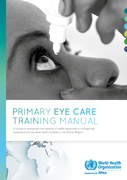
The purpose of this manual is to provide guidance in the design, implementation and evaluation of a course that aims to build and strengthen the capacity
...
of health personnel to manage eye patients at primary-level health facilities in the African Region. The course falls within the remit of continuous professional development in its broadest sense. Its content focuses on simple evidence-based practice that can be easily carried out in primary-level health facilities all over Africa.
This manual is intended for use by course directors and facilitators. Its intended audience includes all persons who wish to commission, support or offer a course serving the above aims, including pre-service training. This manual sets out the requisite steps for the preparation and organization of such a course.
more
The aim of the framework is to provide guidance to Member States and partners on region-specific priority actions towards the goals, targets and milestones of the GTS. The central pillar
...
of the framework is the adoption of programme phasing and transitioning, aimed at facilitating a tailored approach to malaria control/elimination. This is in response to the increasing heterogeneity of malaria epidemiology among and within countries of the region.
more

The document Integrated Disease Surveillance and Response Technical Guidelines, Booklet Four: Sections 8 and 9 (Third Edition, 2019) provides guidance for strengthening public health surveillance and response systems in the WHO African Region. It fo
...
cuses on monitoring, supervision, evaluation, and feedback mechanisms to improve the performance and quality of Integrated Disease Surveillance and Response (IDSR) systems. The text outlines key surveillance core functions—such as case detection, reporting, data analysis, outbreak investigation, preparedness, response, and feedback—and introduces indicators to measure system effectiveness, including timeliness, completeness, and data quality. Additionally, it discusses the implementation of electronic IDSR (eIDSR) to enhance real-time reporting and outbreak management. Overall, the booklet aims to strengthen early detection, rapid response, and health security capacity across all levels of the health system.
more

One of the most important ways we feel we can help to reduce the burden of cancer in Africa is to work with African cancer advocacy organisations t
...
o help educate and advocate about cancer in their countries. To this end in 2010 we designed with our partners, 13 posters for use in Africa
giving health and lifestyle tips on how to avoid cancer and highlighting the early warning sign and symptoms of common cancers in Africa
more

"This is the final report of the six-year collaboration between the WHO Department of Mental Health
...
and Substance Abuse and the Gulbenkian Global Mental Health Platform, an initiative of the Calouste Gulbenkian Foundation aimed at reducing the global burden of mental health through the development and application of evidence and good practices to global mental health."
more

Since the release of the first volume in May 2020, the COVID-19 pandemic has continued to rage around the world. By mid-March, 2021, countries around the globe had reported over 123 million cases—a nearly five-fold increase since this report’s p
...
revious volume—and over 2.7 million deaths attributed to the disease. And while new case loads are currently on the rise again, the global health community has already administered almost 400 million doses of vaccines, at last offering some signs of hope and progress.
Economic impacts threaten to undo decades of recent progress in poverty reduction, child nutrition and gender equality, and exacerbate efforts to support refugees, migrants, and other vulnerable communities. National and local governments—together with international and private-sector partners—must deploy vaccines as efficiently, safely and equitably as possible while still monitoring for new outbreaks and continuing policies to protect those who do not yet have immunity.
More than ever, the world needs reliable and trustworthy data and statistics to inform these important decisions. The United Nations and all member organizations of the Committee for the Coordination of Statistical Activities (CCSA) collect and make available a wealth of information for assessing the multifaceted impacts of the pandemic. This report updates some of the global and regional trends presented in Volume I and offers a snapshot of how COVID-19 continues to affect the world today across multiple domains.
more
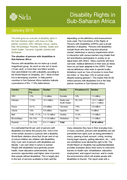
This brief gives an overview of disability rights in the Sub-Saharan region, with focus on Sida partner countries; DRC, Ethiopia, Kenya, Liberia, Mali, Mozambique, Rwanda, Somalia, Sudan and South S
...
udan, Tanzania, Uganda, Zambia and Zimbabwe
more
Taking the whole of Africa approach to fighting the COVID-19 pandemic has and will continue to require coordinated efforts from multiple stakeholders from across the continent.
...
Africa CDC would like to acknowledge the deep partnership and continued support of AUDA-NEPAD, AVAREF, WHO AFRO, the Bill and Melinda Gates Foundation and the Mastercard Foundation. These partners have helped to shape and drive the continent’s strategic response to the COVID-19 pandemic and have offered support to ensure the continent receives a fair and equitable share of the COVID-19 vaccine without delay.
We look forward to continuing and deepening our partnership for the benefit of the public health of Africa.
more

The Guidelines for the Use of the APCA African Palliative Outcome Scale (POS) has been developed by the APCA, in collaboration with
stakeholders, to help appropriately trained health practition
...
ers and researchers across the region to utilise the APCA African POS in their work place (Powell et al, 2007; Warria et al, 2007). Not only do the guidelines provide a clear rationale for measuring palliative care outcomes, but they also outline practical information on how to use the tool to collect data and analyse its results. So why is there a need for these guidelines?
Palliative care as a concept and discipline is not well understood across Africa, and its development is still embryonic in many countries. While there are many obstacles that hinder palliative care development on the continent, a key challenge is the lack of accurate information about the palliative care being provided and its outcomes. The APCA African POS is a useful tool to help us measure these outcomes and, given that
measuring palliative care outcomes remains a relatively new concept, it is important to guide people on how to use the tool. Of course, these guidelines are not intended to address everything related to the measurement of palliative care outcomes; they contain only essential information for providers. More detailed information on the use of outcome tools, and in particular within the research setting, can be gained from contacting relevantly trained professionals.
more

The importance of robust mortality surveillance systems cannot be overstated in an era marked by increasing global health challenges where health t
...
hreats loom large and population dynamics continue to evolve. Accurate and timely mortality data is essential for identifying trends and detecting emerging health threats, evaluating the impact of interventions, and guiding evidence-based policy decisions.
This framework outlines a holistic approach to strengthening routine mortality surveillance systems, considering the unique contextual factors and challenges faced by African countries. It emphasizes the importance of establishing efficient data collection mechanisms, enhancing data quality and completeness, and promoting data sharing and collaboration among stakeholders.
Moreover, the framework recognizes the pivotal role of technology in the integration of data from fragmented mortality data sources. It highlights the potential of innovative data capture methods, advanced analytics, and real-time reporting systems to enhance mortality data’s accuracy, efficiency, and timeliness.
The continental framework for mortality surveillance aligns with Africa CDC’s mission and strategic goal by serving as a fundamental component in strengthening public health systems, enhancing disease surveillance capacities and capabilities, informing evidence-based policies and interventions, and promoting collaboration and coordination among African countries to address health challenges and improve health outcomes on the continent.
The successful implementation of this framework requires collective commitment and concerted efforts from governments, health institutions, and the international community. We hope this document will serve as a catalyst for transformative change, enabling countries to build resilient mortality surveillance systems that protect public health, save lives, and contribute to evidence-based decision-making.
more
This publication provides directions for a logical, evidence informed approach to selecting, developing, implementing and monitoring population-based interventions within the context of the double-burden o
...
f malnutrition in South-East Asia. The focus of this guide is on processed or ultra-processed pre-packaged foods.
more
COVID-19 Resources for the Public
recommended
Posters & Infographics on different topics, i.e: vaccination, people with high risk of severe Covid-19, for families, work, school, hand hygiene, care at home, public transport

The document “Mpox Continental Response Plan 2.0” outlines the strategy developed by the Africa Centres for Disease Control and Prevention (Africa CDC) in collaboration with the World
...
Health Organization (WHO) to respond to the ongoing mpox outbreak across Africa. The plan describes coordinated actions to strengthen surveillance, laboratory capacity, case detection and contact tracing in affected countries. It also focuses on improving access to vaccines, diagnostics and treatment, supporting healthcare systems, and enhancing risk communication and community engagement. In addition, the document highlights the importance of regional and international cooperation, resource mobilization and technical support to help African countries control the outbreak and prevent further spread. Overall, the plan serves as a continental framework to guide a coordinated public health response to mpox in Africa.
more
