
Filter
1996
Text search:
diseases
and
disorders
Featured
215
445
Language
1889
63
54
49
28
14
13
12
7
7
5
5
4
4
3
3
2
2
2
2
2
2
1
1
1
1
1
1
1
1
1
1
1
1
1
1
1
1
Document type
1119
329
295
106
56
38
21
12
7
5
3
2
2
Countries
120
104
54
50
42
42
37
31
30
30
28
28
27
27
27
23
22
21
21
19
18
17
17
17
16
16
15
13
10
9
8
8
8
8
7
7
6
6
5
5
5
5
5
5
4
4
4
4
4
4
4
4
4
4
3
3
3
3
3
3
3
3
2
2
2
2
2
2
2
2
2
2
2
2
2
2
2
2
2
2
2
2
2
1
1
1
1
1
1
1
1
1
1
1
1
1
1
1
1
1
1
1
1
1
1
1
1
1
1
1
1
1
1
1
1
1
Authors & Publishers
308
96
85
81
58
57
41
20
20
16
14
13
11
11
11
11
10
9
9
9
8
8
8
8
7
7
7
7
7
7
7
7
7
6
6
6
6
6
6
5
5
5
5
5
5
5
5
5
5
4
4
4
4
4
4
4
4
4
4
4
4
4
4
4
4
4
4
4
3
3
3
3
3
3
3
3
3
3
3
3
3
3
3
3
3
3
3
3
3
3
3
3
3
3
3
3
3
3
3
3
3
3
3
3
3
3
3
3
2
2
2
2
2
2
2
2
2
2
2
2
2
2
2
2
2
2
2
2
2
2
2
2
2
2
2
2
2
2
2
2
2
2
2
2
2
2
2
2
2
2
2
2
2
2
2
2
2
2
2
2
2
2
2
2
2
2
2
2
2
2
2
2
2
2
2
2
2
2
2
2
2
2
2
2
2
2
2
2
2
2
2
2
2
2
2
2
2
2
2
2
2
2
2
2
2
2
2
2
2
2
2
2
2
2
2
2
2
2
2
2
2
2
2
2
2
2
2
2
2
2
1
1
1
1
1
1
1
1
1
1
1
1
1
1
1
1
1
1
1
1
1
1
1
1
1
1
1
1
1
1
1
1
1
1
1
1
1
1
1
1
1
1
1
1
1
1
1
1
1
1
1
1
1
1
1
1
1
1
1
1
1
1
1
1
1
1
1
1
1
1
1
1
1
1
1
1
1
1
1
1
1
1
1
1
1
1
1
1
1
1
1
1
1
1
1
1
1
1
1
1
1
1
1
1
1
1
1
1
1
1
1
1
1
1
1
1
1
1
1
1
1
1
1
1
1
1
1
1
1
1
1
1
1
1
1
1
1
1
1
1
1
1
1
1
1
1
1
1
1
1
1
1
1
1
1
1
1
1
1
1
1
1
1
1
1
1
1
1
1
1
1
1
1
1
1
1
1
1
1
1
1
1
1
1
1
1
1
1
1
1
1
1
1
1
1
1
1
1
1
1
1
1
1
1
1
1
1
1
1
1
1
1
1
1
1
1
1
1
1
1
1
1
1
1
1
1
1
1
1
1
1
1
1
1
1
1
1
1
1
1
1
1
1
1
1
1
1
1
1
1
1
1
1
1
1
1
1
1
1
1
1
1
1
1
1
1
1
1
1
1
1
1
1
1
1
1
1
1
1
1
1
1
1
1
1
1
1
1
1
1
1
1
1
1
1
1
1
1
1
1
1
1
1
1
1
1
1
1
1
1
1
1
1
1
1
1
1
1
1
1
1
1
1
1
1
1
1
1
1
1
1
1
1
1
1
1
1
1
1
1
1
1
1
1
1
1
1
1
1
1
1
1
1
1
1
1
1
1
1
1
1
1
1
1
1
1
1
1
1
1
1
1
1
1
1
1
1
1
1
1
1
1
1
1
1
1
1
1
1
1
1
1
1
1
1
1
1
1
1
1
1
1
1
1
1
1
1
1
1
1
1
1
1
1
1
1
1
1
1
1
1
1
1
1
1
1
1
1
1
1
1
1
1
1
1
1
1
1
1
1
1
1
1
1
1
1
1
1
1
1
1
1
1
1
1
1
1
1
1
1
1
1
1
1
1
1
1
1
1
1
1
1
1
1
1
1
1
1
1
1
1
1
1
1
1
1
1
1
1
1
1
1
1
1
1
1
1
1
1
1
1
1
1
1
1
1
1
1
1
1
1
1
1
1
1
1
1
1
1
1
1
1
1
1
1
1
1
1
1
1
1
1
1
1
1
1
1
1
1
1
1
1
1
1
1
1
1
1
1
1
1
1
1
1
1
1
1
1
1
1
1
1
1
1
1
1
1
1
1
1
1
1
1
1
1
1
1
1
1
1
1
1
1
1
1
1
1
1
1
1
1
1
1
1
1
1
1
1
1
1
1
1
1
1
1
1
1
1
1
1
1
1
1
1
1
1
1
1
1
1
1
1
1
1
1
1
1
1
1
1
1
1
1
1
1
1
1
1
1
1
1
1
1
1
1
1
1
1
1
1
1
1
1
1
1
1
1
1
1
1
1
1
1
1
1
1
1
1
1
1
1
1
1
1
1
1
1
1
1
1
1
1
1
1
1
1
1
1
1
1
1
1
1
1
1
1
1
1
1
1
1
1
1
1
1
1
1
1
1
1
1
1
1
1
1
1
1
1
1
1
1
1
1
1
1
1
1
1
1
1
1
1
1
1
1
1
1
1
1
1
1
1
1
1
1
1
1
1
1
1
1
1
1
1
1
1
1
1
1
1
1
1
1
1
1
1
1
1
1
1
1
1
1
1
1
1
1
1
1
1
1
1
1
1
1
1
1
1
1
1
1
1
1
1
1
1
1
1
1
1
1
1
1
1
1
1
1
1
1
1
1
1
1
1
1
1
1
1
1
1
1
1
1
1
1
1
1
1
1
1
1
1
1
1
1
1
1
1
1
1
1
1
1
1
1
1
1
1
1
1
1
1
1
1
1
1
1
1
1
1
1
1
1
1
1
1
1
1
1
1
1
1
1
1
1
1
1
1
1
1
1
1
1
1
1
1
1
1
1
1
1
1
1
1
1
1
1
1
1
1
1
1
1
1
1
1
1
1
1
1
1
1
1
1
1
1
1
1
1
1
1
1
1
1
1
1
1
1
1
1
1
1
1
1
1
1
1
1
1
1
1
1
1
1
1
1
1
1
1
1
1
1
1
1
1
1
1
1
1
1
1
1
1
1
1
1
1
1
1
1
1
1
1
1
1
1
1
1
1
1
1
1
1
1
1
1
1
1
1
1
1
1
1
1
1
1
1
1
1
1
1
1
1
1
1
1
1
1
1
1
1
1
1
1
1
1
1
1
1
1
1
1
1
1
1
1
1
1
1
1
1
1
1
1
1
1
1
1
1
1
1
1
1
1
1
1
1
1
1
1
1
1
1
1
1
1
1
1
1
1
1
1
1
1
1
1
1
1
1
1
1
1
1
1
1
1
1
1
1
1
1
1
1
1
1
1
1
1
1
1
1
1
1
1
1
1
1
1
1
1
1
1
1
1
1
1
1
1
1
1
1
1
1
1
1
1
1
1
1
1
1
1
1
1
1
1
1
1
1
1
1
1
1
1
1
1
1
1
1
1
1
1
1
1
1
1
1
1
1
1
1
1
1
1
1
1
1
1
1
1
1
1
1
1
1
1
1
1
1
1
1
1
1
1
1
1
1
1
1
1
1
1
1
1
1
1
1
1
1
1
1
1
1
1
1
1
1
1
1
1
1
1
1
1
1
1
1
1
1
1
1
1
1
1
1
1
1
1
1
1
1
1
1
1
1
1
1
1
1
1
1
1
1
1
1
1
1
1
1
1
1
1
1
1
1
1
1
1
1
1
1
1
1
1
1
1
1
1
1
1
1
1
1
1
1
1
1
1
1
1
1
1
1
1
1
1
1
1
1
1
1
1
1
1
1
1
1
1
1
1
1
1
1
1
1
1
1
1
1
1
1
1
1
1
1
1
1
1
1
1
1
1
1
1
1
1
1
1
1
1
1
1
1
1
1
1
1
1
1
1
1
1
1
1
1
1
1
1
1
1
1
1
1
1
1
1
1
1
1
1
1
1
1
1
1
1
1
1
1
1
1
1
1
1
1
1
1
1
1
1
1
1
1
1
1
1
1
1
1
1
1
1
1
1
1
1
1
1
1
1
1
1
1
1
1
1
1
1
1
1
1
1
1
1
1
1
1
1
1
1
1
1
1
1
1
1
1
1
1
1
1
1
1
1
1
1
1
1
1
1
1
1
1
1
1
1
1
1
1
1
1
1
1
1
1
1
1
1
1
1
1
1
1
1
1
1
1
1
1
1
1
1
1
1
1
1
1
1
1
1
1
1
1
1
1
1
1
1
1
1
1
1
1
1
1
1
1
1
1
1
1
1
1
1
1
1
1
1
1
1
1
1
1
1
1
1
1
1
1
1
1
1
1
1
1
1
1
1
1
1
1
1
1
1
1
1
1
1
1
1
1
1
1
1
1
1
1
1
1
1
1
1
1
1
1
1
1
1
1
1
1
1
1
1
1
1
1
1
1
1
1
1
1
1
1
1
1
1
1
1
1
1
1
1
1
1
1
1
1
1
1
1
1
1
1
1
1
1
1
1
1
1
1
1
1
1
1
1
1
1
1
1
1
1
1
1
1
1
1
1
1
1
1
1
1
1
1
1
1
1
1
1
1
1
1
1
1
1
1
1
1
1
1
1
1
1
1
Publication Years
545
1232
213
6
Category
646
191
169
115
54
26
12
1
Toolboxes
480
111
101
92
69
61
58
48
47
47
46
42
40
32
19
17
11
10
10
9
9
8
5
5
2
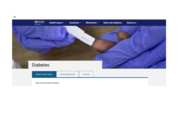
The World Health Organization's Regional Office for Africa webpage on diabetes provides an overview of the disease's impact in the African Region. It highlights that diabetes is a serious, chronic, and costly condition, with projections estimating c
...
ases to rise to 23.9 million by 2030. The page outlines risk factors such as physical inactivity, overweight and obesity, tobacco use, and diets high in unhealthy fats and calories. It also discusses the three main types of diabetes: type 1, type 2, and gestational diabetes. Recent surveys indicate that up to 15% of adults aged 25 to 64 in the region have diabetes, with many unaware of their condition. The lack of access to proper treatment and medications, especially insulin, often leads to complications like neurological, vascular, or visual disorders, heart disease, stroke, lower limb amputation, and kidney failure.
more
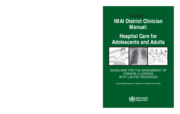
The manual is written for clinicians working at the district hospital (first-level referral care) who diagnose and manage sick adolescents and adults in resource constrained settings. It aims to sup
...
port clinical reasoning, and to provide an effective clinical approach and protocols for the management of common and serious or potentially life-threatening conditions at district hospitals. The target audience thus includes doctors, clinical officers, health officers, and senior nurse practitioners. It has been designed to be applicable in both high and low HIV prevalence settings.
Volume 2 provides a symptom-based approach to clinical care for acute and subacute conditions (including mental health). It provides short summaries of the management of diseases that affect multiple systems of the body, focusing on communicable diseases. It also includes the chronic or long-term management of HIV, TB, alcohol, and substance use disorders.
more
The Cedars-Sinai webpage on occupational lung diseases provides an overview of various lung conditions caused by exposure to harmful substances in the workplace. It outlines common types of occupational lung
...
diseases, including asbestosis, silicosis, coal workers’ pneumoconiosis, and chemical-related lung disorders. The page details symptoms such as coughing, difficulty breathing, and chest pain, emphasizing the importance of early detection and treatment. Preventative measures, including workplace safety practices and protective equipment, are also highlighted to reduce risk. The information underscores the role of medical evaluation and ongoing management for individuals exposed to occupational hazards.
more
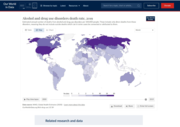
Estimated annual number of deaths from alcohol and drug use disorders per 100,000 people. These include only direct deaths from thesedisorders, meaning they do not include suicide deaths which can i
...
n some cases be connected or attributed to them.
more
The document is a summary report by the World Health Organization (WHO) Regional Office for the Eastern Mediterranean, focusing on a capacity-building workshop held in Abu Dhabi in 2019. The workshop addressed the management and care of substance us
...
e disorders, aiming to improve technical and managerial capacities in areas such as policy development, treatment services, prevention, monitoring, and international collaboration. Participants included representatives from 12 countries, WHO collaborating centers, and other UN agencies.
more

The National Strategic Plan is based on the following guiding principles:
1) Life-course approach: adolescence is a key decade in the course of life that influences the health outcomes later in life.
2) Comprehensive approach: It recognizes the cross cutting health ... and development needs of young people such as intentional and unintentional injuries and violence, SRH, HIV/AIDS, mental health, substance use, violence, substance use and substance use disorders, infectious diseases and common conditions.
3) Equity and rights-based approach: focusing on equitable access to services to all adolescents including vulnerable groups and the recognizing the need to move from aspirations to obligations in fulflling young people rights for the highest attainable standard of health.
4) Multisectoral approach: recognizing cognizant of the fact that holistic development of young people requires multisectoral approach involving education, social welfare. more
1) Life-course approach: adolescence is a key decade in the course of life that influences the health outcomes later in life.
2) Comprehensive approach: It recognizes the cross cutting health ... and development needs of young people such as intentional and unintentional injuries and violence, SRH, HIV/AIDS, mental health, substance use, violence, substance use and substance use disorders, infectious diseases and common conditions.
3) Equity and rights-based approach: focusing on equitable access to services to all adolescents including vulnerable groups and the recognizing the need to move from aspirations to obligations in fulflling young people rights for the highest attainable standard of health.
4) Multisectoral approach: recognizing cognizant of the fact that holistic development of young people requires multisectoral approach involving education, social welfare. more
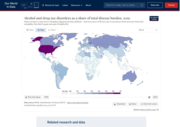
Disease burden is measured in Disability-Adjusted Life Years (DALYs) – both from years of life lost due to premature death and years lived witha disability. One DALY equals one year of healthy life.
Addressing comorbidity between mental disorders and major noncommunicable diseases (Russian Version)
Cardiovascular, Respiratory, and Related Disorders. Disease Control Priorities, Third Edition : Volume 5
rabhakaran, Dorairaj; Anand, Shuchi; Gaziano, Thomas A.; et al.
World Health Organisation (WHO)
(2017)
CC
This volume on CVDs, renal, and respiratory disorders has particularly high value. It carries the potential to become the most effective game-changer in global health by helping all countries to com
...
bat, contain, and control the biggest killer presently prowling the globe and by enabling us to reach the 2030 goals for NCDs and health overall. As one who has witnessed the epidemic of CVDs advance menacingly across the world in the past four decades, I fervently hope that the clear and convincing messages conveyed by the extensively researched and elegantly communicated analyses in this volume will be heard, heeded, and harmonized with policy and practice in all countries.
Large file: 33 MB. Please download directly from the website link.
more

Chronic noncommunicable diseases (NCDs) are the number one cause of death and disability in the world.
The term NCDs refers to a group of conditions that are not mainly caused by an acute infecti
...
on, result in long-term health consequences and often create a need for long-term treatment and care. These conditions include cancers, cardiovascular disease, diabetes and chronic lung illnesses.
Many NCDs can be prevented by reducing common risk factors such as tobacco use, harmful alcohol use, physical inactivity and eating unhealthy diets. Many other important conditions are also considered NCDs, including injuries and mental health disorders.
more
The World Health Organization (WHO) provides an overview of alcohol consumption and its global impact. Alcohol, containing ethanol, is a psychoactive and toxic substance that can lead to dependence.
...
In 2019, alcohol consumption was responsible for approximately 2.6 million deaths worldwide, with 1.6 million resulting from noncommunicable diseases, 700,000 from injuries, and 300,000 from communicable diseases. Men accounted for the majority of these deaths, totaling 2 million, compared to 600,000 among women. Additionally, an estimated 400 million people aged 15 and older were living with alcohol use disorders in 2019.
more

The new WHODAS 2.0 supersedes WHODAS II and shows the following advantages:
- A generic assessment instrument for health and disability
- Used across all
...
diseases, including mental, neurological and addictive disorders
- Short, simple and easy to administer (5 to 20 minutes)
- Applicable in both clinical and general population settings
- A tool to produce standardized disability levels and profiles
- Applicable across cultures, in all adult populations
- Directly linked at the level of the concepts to the International
- Classification of Functioning, Disability and Health (ICF)
more
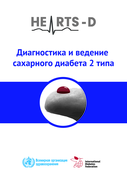
Diabetes mellitus, commonly known as diabetes, is a group of metabolic disorders characterized by the presence of hyperglycaemia in the absence of treatment. The heterogeneous aetiopathology includes defects in insulin secretion, insulin action, or
...
both. The long-term specific complications of diabetes include retinopathy, nephropathy, and neuropathy. People with diabetes are also at increased risk of other diseases, including cardiac, peripheral arterial and cerebrovascular disease, cataracts, erectile dysfunction, and nonalcoholic fatty liver disease. They are also at an increased risk of some infectious diseases such as tuberculosis, and are likely to experience poorer outcomes.
more

The earlier initiation and expanded access to antiretroviral therapy have significantly reduced the devastating impact of the global HIV epidemic in recent decades. The HIV infection has become a chronic disease,
...
and people living with HIV (PLHIV) are now surviving, ageing, and requiring lifelong care and treatment. Across all age groups, PLHIV are at risk of developing chronic complications and comorbidities, such as noncommunicable diseases and mental health disorders. These conditions may be pre-existing, HIV-associated or due to ageing.
more

Mental health issues are usually given very low priority in health service policies. Although this is changing, African countries are still confronted with so many problems caused by communicable diseases
...
and malnutrition that they have not woken up to the impact of mental disorders. Every country must formulate a mental health policy based on its own social and cultural realities. Such policies must take into account the scope of mental health problems, provide proven and affordable interventions, safeguard patients’ rights, and ensure equity.
more

The World Health Organization (WHO) is releasing the second edition of its Global Accelerated Action for the Health of Adolescents (AA-HA!) guidance. The document aims to equip governments to respond to the health and well-being challenges, opportun
...
ities and needs of adolescents.
The guidance provides the latest available data on adolescent health and well-being. It also outlines an updated list of core indicators that data should be collected on. Globally, road injury was the top cause of death for adolescent males in 2019. Among female adolescents, the leading causes of death were diarrhoeal diseases among the younger group (10-14 years) and tuberculosis (TB) in the older group (15-19 years).
Over the last 20 years, mortality rates have declined among adolescents globally, with the largest decline in older (15–19 years) adolescent girls. For non-fatal diseases, the burden has not improved over the past two decades, with the main causes of ill health in this category being: mental health conditions (depressive and anxiety disorders, childhood behavioural disorders), iron deficiency anaemia, skin diseases and migraine.
Adolescent well-being depends on a range of factors, including healthy food, education, life skills and employability, connectedness, feeling valued by society, safe and supportive environments, resilience, and the freedom to make choices. To take an appropriately holistic approach, the guidance outlines how to take crosscutting action to support adolescent health and well-being, with mutually reinforcing interventions across sectors, such as health, education, social protection, and telecommunications. Targeted efforts are also required to engage adolescents, as they trust health systems less than adults do and are especially vulnerable to modern-day trends, like online bullying and gaming.
more
This dataset contains data from WHO's data portal covering the following categories:
Air pollution, Antimicrobial resistance (AMR), Assistive technology, Child mortality, Dementia diagnosis, treatment and care, Dementia policy
...
and legislation, Environment and health, Foodborne Diseases Estimates, Global Dementia Observatory (GDO), Global Health Estimates: Life expectancy and leading causes of death and disability, Global Information System on Alcohol and Health, Global Patient Safety Observatory, HIV, Health financing, Health systems, Health taxes, Health workforce, Hepatitis, Immunization coverage and vaccine-preventable diseases, Malaria, Maternal and reproductive health, Mental health, Neglected tropical diseases, Noncommunicable diseases, Nutrition, Oral Health, Priority health technologies, Resources for Substance Use Disorders, Road Safety, SDG Target 3.8 | Achieve universal health coverage (UHC), Sexually Transmitted Infections, Tobacco control, Tuberculosis, Vaccine-preventable communicable diseases, Violence against women, Violence prevention, Water, sanitation and hygiene (WASH), World Health Statistics.
more
The prevalence of asthma and allergic rhinoconjunctivitis is high in western countries, and has been rising throughout the late 20th century. However, relatively little is known about the prevalence
...
of allergic disorders in children in North Africa and the Middle East, and even less is known about the relative importance of socioeconomic factors in its aetiology in these countries, when compared to Europe, the USA and Australia.
more
Welcome to the Global Information System on Resources for the Prevention and Treatment of Substance Use Disorders. These pages present data collected from WHO Member States in broad categories: gove
...
rnance, policy and financing, service organization and delivery, human resources and national information systems. The latest data were collected in 2014 with the WHO Global Survey on Resources for Prevention and Treatment of Substance Use Disorders (ATLAS-SU survey). The global information system presents all available data to monitor the progress in advancing treatment coverage for substance use disorders (health target 3.5 of the Sustainable Development Goals 2030)
more
Diabetic foot ulcers are a complication affecting approximately 15% of the total population with diabetes mellitus. There are three and half million diabetic patients in Saudi Arabia alone. Aim: to determine capacity building for nurses’ knowledge
...
and practice regarding prevention of diabetic foot complications. Research Questions: 1. Does the nurse’s knowledge prevent diabetic foot ulcer and other foot complications? 2. Does the high practice of the nurses during foot screening can prevent diabetic foot ulcer in primary health care centers in Saudi Arabia? Design: Descriptive, research designs have been utilized. Setting: Chronic disease clinic in primary health care centers in Jeddah city. Subjects: a purposive sample of 30 nurses and convenience sample of 30 patients. Tools: A. Diabetic foot ulcer Structured interview questionnaire to assess nurse’s knowledge regarding diabetes mellitus and diabetic foot. B. Health status assessment questionnaire to assess health history status of diabetic client. C. An observational checklist to assess the nurse practice once during diabetic foot screening. Results: Significant increase in nurse's knowledge had been observed, while the majority of them had poor practice in relation to foot screening. Whereas complicated diabetic patients represent 35.7% of diabetic patients have neuropathy. Moreover, only 7.1% have neuropathy and diabetic ketoacidosis. Also there was a significant moderate positive correlation between the overall score of nurse’s knowledge and the overall score of the practice regarding diabetic foot complications. Conclusions: Proper foot care, early recognition and management of risk factors prevent foot ulcer. Recommendations: Developing a structured training educational program for nurses dealing patients with diabetic foot disorders.
more
