
Filter
456
Text search:
IASC
Inter-Agency
Standing
Committee
Featured
Recommendations
95
New Publications
121
Language
Document type
No document type
250
Guidelines
65
Manuals
46
Studies & Reports
39
Strategic & Response Plan
21
Training Material
18
Fact sheets
6
Situation Updates
5
Brochures
4
Infographics
1
Online Courses
1
Countries / Regions
Syria
27
Global
20
Ukraine
13
Nepal
12
Latin America and the Carribbean
11
South Sudan
10
Congo, Democratic Republic of
9
Mozambique
9
Myanmar / Burma
8
Yemen
8
Bangladesh
7
Middle East and North Africa
7
Russia
7
Sierra Leone
6
India
6
Haiti
5
Philippines
4
Germany
4
China
4
Western and Central Europe
4
Liberia
3
Ethiopia
3
Uganda
3
Somalia
3
Iraq
3
Jordan
3
Afghanistan
3
Indonesia
3
Sudan
3
Angola
3
East and Southern Africa
3
Africa
3
Venezuela
3
Laos
3
Portugal
3
Guinea
2
Nigeria
2
Senegal
2
Togo
2
Zimbabwe
2
Lebanon
2
Kenya
2
Cambodia
2
Malaysia
2
Brazil
2
Burundi
2
Colombia
2
Chile
2
West and Central Africa
2
Eastern Europe
2
Moldova
2
Spain
2
Belarus
2
Burkina Faso
1
Mali
1
Guinea-Bissau
1
Côte d’Ivoire / Ivory Coast
1
Niger
1
Pakistan
1
Turkey
1
Tanzania
1
Thailand
1
Rwanda
1
Singapore
1
Benin
1
Central African Republic
1
Argentina
1
Peru
1
Hungary
1
Madagascar
1
Mexico
1
Sri Lanka
1
South–East Asia Region
1
Western Pacific Region
1
Eastern Europe and Central Asia
1
Asia
1
Fiji
1
Poland
1
Italy
1
Bulgaria
1
Romania
1
Kyrgyzstan
1
Kazakhstan
1
Vietnam
1
Gabon
1
Japan
1
Denmark
1
France
1
Authors & Publishers
Publication Years
Category
Key Resources
126
Countries
100
Women & Child Health
35
Public Health
19
Clinical Guidelines
13
Capacity Building
10
Pharmacy & Technologies
1
Toolboxes
Mental Health
88
COVID-19
64
Conflict
53
Disability
25
Refugee
24
Natural Hazards
22
Rapid Response
11
HIV
8
Ebola & Marburg
5
2.0 Rapid Response
5
Zika
4
Planetary Health
4
Cholera
3
TB
3
Health Financing Toolbox
3
Typhoon
2
Specific Hazards
2
Global Health Education
2
Malaria
2
Caregiver
1
Pharmacy
1
NTDs
1
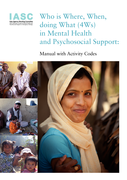
Who is where, when, doing what (4Ws) in mental health and psychosocial support : manual with activity codes
recommended
Humanitarian actors in emergencies often encounter challenges in knowing Who is Where, When, doing What (4Ws) with regard to mental health and psychosocial support (MHPSS). Such knowledge is essential to inform coordination. 4Ws tools are used in many areas of aid to map activities conducted across
...
Women, the elderly, adolescents, youth, and children,
persons with disabilities, indigenous populations, refugees,
migrants, and minorities experience the highest degree
of socio-economic marginalization. Marginalized people
become even more vulnerable in emergencies.1 This is due
to factors su
...
Recognizing the extent to which the COVID-19 outbreaks affects women and men differently is hugely important. Some preliminary data suggested that more men than women are dying, potentially due to sex-based immunological differences, higher rates of cardiovascular disease for men and lifestyle choic
...
This checklist is to accompany the full Interim Technical Note on Protection form Sexual Exploitation and Abuse (PSEA) during COVIID-19 Response.
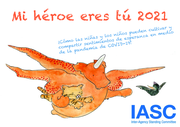
El libro de cuentos, una secuela del inmensamente exitoso "Mi héroe eres tú: ¡cómo pueden los niños luchar contra el COVID-19!", Se lanzará en el segundo año de la pandemia del COVID-19. La nueva historia, dirigida principalmente a niños de 6 a 11 años, ve el regreso de Ario, una criatura d
...
Recognizing the extent to which the COVID-19 outbreaks affects women and men differently is hugely important. Some preliminary data suggested that more men than women are dying, potentially due to sex-based immunological differences, higher rates of cardiovascular disease for men and lifestyle choic
...

This book was a project developed by the Inter-Agency Standing Committee Reference Group on Ment
...
Interim Guidcance March 2020
People affected by humanitarian crises, particularly those displaced and/or living in camps and camp-like settings, are often faced with specific challenges and vulnerabilities that must be taken into consideration when planning for readiness and response operations for
...
Was Kinder gegen COVID-19 tun können!
Acciones para heroínas
recommended
Guía de charlas serias con los niños para acompañar en la lectura de Mi heroína eres tú, ¿Cómo pueden los niños luchar contra la COVID-19?
Recognizing the extent to which the COVID-19 outbreaks affects women and men differently is hugely important. Some preliminary data suggested that more men than women are dying, potentially due to sex-based immunological differences, higher rates of cardiovascular disease for men and lifestyle choic
...
Focusing on preventing and mitigating COVID-19 related risks, the standards aim to protect the health and safety of personnel, while ensuring that organizations continue to deliver on their mandates. Attention is paid to non-discrimination and ensuring that all personnel, regardless of nationality o
...
This briefing pack serves this purpose by sharing RCCE/humanitarian coordination experience from country level, feedback from global consultations and addressing frequently asked questions. In parallel, the RCCE Core Group has been working to revise the RCCE Collective Service Strategy. Where possib
...
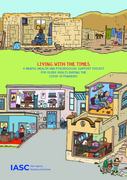
This resource includes posters with key messages for older adults on how to take care of their well-being and how they can provide support to those around them during the COVID-19 pandemic and beyond. It includes instructions for facilitators of mental health and psychosocial support (MHPSS) on how
...

Réduction des risques, promotion de la résilience et aide au relèvement
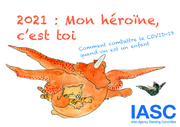
Un nouveau livre d'histoires visant à aider les enfants à comprendre et à accepter le COVID-19 a été publié.
Avec l'aide d'une créature fantastique, Ario, "My Hero is You, How kids can fight COVID-19 !" explique comment les enfants peuvent se protéger, protéger leur famille et leurs amis c
...
Briefing note on addressing mental health and psychosocial aspects of COVID-19 Outbreak- Version 1.1
recommended
This briefing note summarises key mental health and psychosocial support (MHPSS) considerations in relation to the 2019 novel coronavirus (COVID-19) outbreak.
