
Filter
632
Text search:
worry
Featured
67
138
Language
Document type
324
114
60
57
35
15
13
7
2
2
1
1
Countries
66
29
20
15
13
12
12
12
11
9
9
8
8
7
7
7
7
6
5
5
5
4
4
4
3
3
3
3
3
3
3
3
3
3
3
3
3
2
2
2
2
2
2
2
2
2
2
2
2
1
1
1
1
1
1
1
1
1
1
1
1
1
1
1
1
1
1
1
1
1
1
1
1
1
1
1
1
Authors & Publishers
Publication Years
Category
218
42
41
34
27
23
2
Toolboxes
135
73
41
29
26
24
23
22
12
11
9
7
6
5
5
5
5
4
3
3
3
3
2
2
1
Alcohol contributes significantly to the disease and mortality burden in the WHO European Region, and primary health care systems play an important role in reducing the impact of harmful alcohol use. Screening and brief interventions (SBIs) for alcohol are an evidence-informed approach to addressing
...

December 2015
National guidelines for of Clubfoot
Manual for use in primary care.
There is substantial evidence for the benefits of screening and brief intervention in primary health care for alcohol problems. However, there is a need for screening and brief interventions with cross-cultural relevance for substances other than alcohol or tobacco,
...
This guide focuses on the evaluation of psychosocial programs that are aligned with two main goals: - To promote psychosocial wellbeing by promoting an environment that provides appropriate care, opportunities for development and protects children from exposure to situations that are harmful to thei
...
This publication seeks to describe the best treatments and practices based on the scientific evidence available at the time of writing as evaluated by the authors and may change as a result of new research. Readers need to apply this knowledge to patients in accordance with the guidelines and laws o
...
Externalising disorders
Chapter D.2
Mood disorders
Chapter E.4
2018 edition

Anxiety disorders
Chapter F.2
Other disorders Chapter H.1

Psychiatry and Pediatrics
Chapter I.4
Miscellaneous
Child and adolescent psychiatric emergencies
Chapter J.1

Attention-Deficit/Hyperactivity Disorder
Section I
Somatoform disorders
Child Psychiatry and Pediatrics
Chapter I.1

Mental health problem is one of the growing major public health issues in the Asia Pacific region. It contributes to the high number of Disability Adjusted Life Years (DALYs), morbidity and mortality in the region. It is expected that leading mental health problems will occur in the low-and middle-i
...
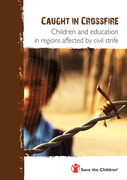
This study primarily aims to understand how children living in areas of civil strife are denied their basic rights, especially the right to education and protection. For this study, eight districts affected by civil strife across the three states (Chhattisgarh: Dantewada, Bijapur, Bastar and Narayan
...
