
Filter
2305
Text search:
heart
diseases
Featured
250
495
Language
2210
92
75
62
46
32
27
16
12
6
5
4
4
4
4
3
3
2
2
2
2
2
2
2
2
2
2
1
1
1
1
1
1
1
1
1
1
1
1
1
1
1
1
1
1
1
1
1
1
Document type
997
524
355
141
84
82
58
13
13
12
9
6
5
5
Countries
185
132
55
55
55
46
40
37
36
36
34
33
31
30
29
26
25
24
22
22
21
20
19
16
15
14
13
13
11
10
9
9
9
9
8
8
7
7
7
7
7
7
7
7
7
6
6
6
5
5
5
4
4
4
4
4
4
3
3
3
3
3
3
3
3
3
3
2
2
2
2
2
2
2
2
2
2
2
2
2
2
1
1
1
1
1
1
1
1
1
1
1
1
1
1
1
1
1
1
1
1
1
1
1
1
1
1
1
1
1
1
1
Authors & Publishers
346
90
78
74
72
40
30
24
20
18
18
17
16
16
15
14
14
13
13
13
12
11
11
10
10
9
8
8
8
8
7
7
7
7
7
6
6
6
6
6
6
6
6
5
5
5
5
5
5
5
5
5
5
5
5
5
5
5
5
4
4
4
4
4
4
4
4
4
4
4
4
4
4
4
4
4
4
4
4
3
3
3
3
3
3
3
3
3
3
3
3
3
3
3
3
3
3
3
3
3
3
3
3
3
3
3
3
3
3
3
3
3
3
3
3
3
3
3
3
3
3
3
3
3
3
3
3
3
2
2
2
2
2
2
2
2
2
2
2
2
2
2
2
2
2
2
2
2
2
2
2
2
2
2
2
2
2
2
2
2
2
2
2
2
2
2
2
2
2
2
2
2
2
2
2
2
2
2
2
2
2
2
2
2
2
2
2
2
2
2
2
2
2
2
2
2
2
2
2
2
2
2
2
2
2
2
2
2
2
2
2
2
2
2
2
2
2
2
2
2
2
2
2
2
2
2
2
2
2
2
2
2
2
2
2
2
2
2
2
2
2
2
2
2
2
2
2
2
2
2
2
2
2
2
2
2
2
2
2
2
2
2
2
2
2
2
2
2
2
2
2
1
1
1
1
1
1
1
1
1
1
1
1
1
1
1
1
1
1
1
1
1
1
1
1
1
1
1
1
1
1
1
1
1
1
1
1
1
1
1
1
1
1
1
1
1
1
1
1
1
1
1
1
1
1
1
1
1
1
1
1
1
1
1
1
1
1
1
1
1
1
1
1
1
1
1
1
1
1
1
1
1
1
1
1
1
1
1
1
1
1
1
1
1
1
1
1
1
1
1
1
1
1
1
1
1
1
1
1
1
1
1
1
1
1
1
1
1
1
1
1
1
1
1
1
1
1
1
1
1
1
1
1
1
1
1
1
1
1
1
1
1
1
1
1
1
1
1
1
1
1
1
1
1
1
1
1
1
1
1
1
1
1
1
1
1
1
1
1
1
1
1
1
1
1
1
1
1
1
1
1
1
1
1
1
1
1
1
1
1
1
1
1
1
1
1
1
1
1
1
1
1
1
1
1
1
1
1
1
1
1
1
1
1
1
1
1
1
1
1
1
1
1
1
1
1
1
1
1
1
1
1
1
1
1
1
1
1
1
1
1
1
1
1
1
1
1
1
1
1
1
1
1
1
1
1
1
1
1
1
1
1
1
1
1
1
1
1
1
1
1
1
1
1
1
1
1
1
1
1
1
1
1
1
1
1
1
1
1
1
1
1
1
1
1
1
1
1
1
1
1
1
1
1
1
1
1
1
1
1
1
1
1
1
1
1
1
1
1
1
1
1
1
1
1
1
1
1
1
1
1
1
1
1
1
1
1
1
1
1
1
1
1
1
1
1
1
1
1
1
1
1
1
1
1
1
1
1
1
1
1
1
1
1
1
1
1
1
1
1
1
1
1
1
1
1
1
1
1
1
1
1
1
1
1
1
1
1
1
1
1
1
1
1
1
1
1
1
1
1
1
1
1
1
1
1
1
1
1
1
1
1
1
1
1
1
1
1
1
1
1
1
1
1
1
1
1
1
1
1
1
1
1
1
1
1
1
1
1
1
1
1
1
1
1
1
1
1
1
1
1
1
1
1
1
1
1
1
1
1
1
1
1
1
1
1
1
1
1
1
1
1
1
1
1
1
1
1
1
1
1
1
1
1
1
1
1
1
1
1
1
1
1
1
1
1
1
1
1
1
1
1
1
1
1
1
1
1
1
1
1
1
1
1
1
1
1
1
1
1
1
1
1
1
1
1
1
1
1
1
1
1
1
1
1
1
1
1
1
1
1
1
1
1
1
1
1
1
1
1
1
1
1
1
1
1
1
1
1
1
1
1
1
1
1
1
1
1
1
1
1
1
1
1
1
1
1
1
1
1
1
1
1
1
1
1
1
1
1
1
1
1
1
1
1
1
1
1
1
1
1
1
1
1
1
1
1
1
1
1
1
1
1
1
1
1
1
1
1
1
1
1
1
1
1
1
1
1
1
1
1
1
1
1
1
1
1
1
1
1
1
1
1
1
1
1
1
1
1
1
1
1
1
1
1
1
1
1
1
1
1
1
1
1
1
1
1
1
1
1
1
1
1
1
1
1
1
1
1
1
1
1
1
1
1
1
1
1
1
1
1
1
1
1
1
1
1
1
1
1
1
1
1
1
1
1
1
1
1
1
1
1
1
1
1
1
1
1
1
1
1
1
1
1
1
1
1
1
1
1
1
1
1
1
1
1
1
1
1
1
1
1
1
1
1
1
1
1
1
1
1
1
1
1
1
1
1
1
1
1
1
1
1
1
1
1
1
1
1
1
1
1
1
1
1
1
1
1
1
1
1
1
1
1
1
1
1
1
1
1
1
1
1
1
1
1
1
1
1
1
1
1
1
1
1
1
1
1
1
1
1
1
1
1
1
1
1
1
1
1
1
1
1
1
1
1
1
1
1
1
1
1
1
1
1
1
1
1
1
1
1
1
1
1
1
1
1
1
1
1
1
1
1
1
1
1
1
1
1
1
1
1
1
1
1
1
1
1
1
1
1
1
1
1
1
1
1
1
1
1
1
1
1
1
1
1
1
1
1
1
1
1
1
1
1
1
1
1
1
1
1
1
1
1
1
1
1
1
1
1
1
1
1
1
1
1
1
1
1
1
1
1
1
1
1
1
1
1
1
1
1
1
1
1
1
1
1
1
1
1
1
1
1
1
1
1
1
1
1
1
1
1
1
1
1
1
1
1
1
1
1
1
1
1
1
1
1
1
1
1
1
1
1
1
1
1
1
1
1
1
1
1
1
1
1
1
1
1
1
1
1
1
1
1
1
1
1
1
1
1
1
1
1
1
1
1
1
1
1
1
1
1
1
1
1
1
1
1
1
1
1
1
1
1
1
1
1
1
1
1
1
1
1
1
1
1
1
1
1
1
1
1
1
1
1
1
1
1
1
1
1
1
1
1
1
1
1
1
1
1
1
1
1
1
1
1
1
1
1
1
1
1
1
1
1
1
1
1
1
1
1
1
1
1
1
1
1
1
1
1
1
1
1
1
1
1
1
1
1
1
1
1
1
1
1
1
1
1
1
1
1
1
1
1
1
1
1
1
1
1
1
1
1
1
1
1
1
1
1
1
1
1
1
1
1
1
1
1
1
1
1
1
1
1
1
1
1
1
1
1
1
1
1
1
1
1
1
1
1
1
1
1
1
1
1
1
1
1
1
1
1
1
1
1
1
1
1
1
1
1
1
1
1
1
1
1
1
1
1
1
1
1
1
1
1
1
1
1
1
1
1
1
1
1
1
1
1
1
1
1
1
1
1
1
1
1
1
1
1
1
1
1
1
1
1
1
1
1
1
1
1
1
1
1
1
1
1
1
1
1
1
1
1
1
1
1
1
1
1
1
1
1
1
1
1
1
1
1
1
1
1
1
1
1
1
1
1
1
1
1
1
1
1
1
1
1
1
1
1
1
1
1
1
1
1
1
1
1
1
1
1
1
1
1
1
1
1
1
1
1
1
1
1
1
1
1
1
1
1
1
1
1
1
1
1
1
1
1
1
1
1
1
1
1
1
1
1
1
1
1
1
1
1
1
1
1
1
1
1
1
1
1
1
1
1
1
1
1
1
1
1
1
1
1
1
1
1
1
1
1
1
1
1
1
1
1
1
1
1
1
1
1
1
1
1
1
1
1
1
1
1
1
1
1
1
1
1
1
1
1
1
1
1
1
1
1
1
1
1
1
1
1
1
1
1
1
1
1
1
1
1
1
1
1
1
1
1
1
1
1
1
1
1
1
1
1
1
1
1
1
1
1
1
1
1
1
1
1
1
1
1
1
1
1
1
1
1
1
1
1
1
1
1
1
1
1
1
1
1
1
1
1
1
1
1
1
1
1
1
1
1
1
1
1
1
1
1
1
1
1
1
1
1
1
1
1
1
1
1
1
1
1
1
1
1
1
1
1
1
1
1
1
1
1
1
1
1
1
1
1
1
1
1
1
1
1
1
1
1
1
1
1
1
1
1
1
1
1
1
1
1
1
1
1
1
1
1
1
1
1
1
1
1
1
1
1
1
1
1
1
1
1
1
1
1
1
1
1
1
1
1
1
1
1
1
1
1
1
1
1
1
1
1
1
1
1
1
1
1
1
1
1
1
1
1
1
1
1
1
1
1
1
1
1
1
1
1
1
1
1
1
1
1
1
1
1
1
1
1
1
1
1
1
1
1
1
1
1
1
1
1
1
1
1
1
1
1
1
1
1
1
1
1
1
1
1
1
1
1
1
1
1
1
1
1
1
1
1
1
1
1
1
1
1
1
1
1
1
1
1
1
1
1
1
1
1
1
1
1
1
1
1
1
1
1
1
1
1
1
1
1
1
1
1
1
1
1
1
1
1
1
1
1
1
1
1
1
1
1
1
1
1
1
1
1
1
1
1
1
1
1
1
1
1
1
1
1
1
1
1
1
1
1
1
1
1
1
1
1
1
1
1
1
1
1
1
1
1
1
1
1
1
1
1
1
1
1
1
1
1
1
1
1
1
1
1
1
1
1
1
1
1
1
1
1
1
1
1
1
1
1
1
1
1
1
1
1
1
1
1
1
1
1
1
1
1
1
1
1
1
1
1
1
Publication Years
857
1244
189
14
1
Category
821
287
265
114
97
72
8
1
Toolboxes
282
207
178
126
91
85
67
60
57
49
49
46
39
37
36
30
23
20
17
16
14
13
10
5
4
Addressing comorbidity between mental disorders and major noncommunicable diseases (Russian Version)
Putting Human Rights at the Heart of the Response
Topic in Focus: COVID-19 and Women’s Human Rights
15 April 2020
Stay-at-home restrictions and other measures restricting the movement of people contribute to an increase in genderbased violen
...
ce, a finding confirmed by media reports, official statements and information received from OHCHR field presences and human rights defenders in many countries.
Women and girls already in abusive situations are more exposed to increased control and restrictions by their abusers, with little or no recourse to seek support. Hotlines receive reports of women being threatened with being thrown out of their homes, exposed to the infection, or having financial resources and medical aid withheld.
more
23 April 2020EMA/202483/2020 Rev
Chloroquine and hydroxychloroquine are known to potentially cause heart rhythm problems, and these could be exacerbated if treatment is combined with other medicines, such as the antibiotic azithromycin, that have s
...
imilar effects on the heart.
more
The prevalence of chronic non-communicable diseases such as diabetes, cardiovascular diseases and cancers has been on the increase in Kenya in the recent past. This has bee
...
n occasioned by changes in social and demographic situation in the country. The life expectancy in the country is improving, while the country is developing at a rapid pace. This has resulted in people living more years and at the time adopting lifestyles that have negative impacts on their health. This increase in diabetes and other non-communicable diseases has given rise to a double burden of communicable and non-communicable diseases in Kenya
more
In the light of the transmissibility of coronaviruses, and the global experience with MERS-CoV (ongoing) and SARS in 2003 which were also caused by coronaviruses, South African authorities have compiled this guideline document to support surveillance, case finding, diagnosis, management and public h
...
ealth responses to cases under investigation.
*Please note*
The interim guidelines are based on what is currently known about the Coronavirus Disease 2019 (COVID-19). The National Department of Health (NDOH) and National Institute for Communicable Diseases will update these interim guidelines as needed and as additional information becomes available.
more

Strategic communication is at the heart of public health and more important than ever in the digital age. Using communication strategically requires expertise, skills and resources to plan, implement and evaluate interventions that encourage governm
...
ents to implement policies that improve people’s lives and well-being, that empower health workers to deliver the best care possible, and that encourage people to take actions that protect and improve their health and that of their family and community. This Regional Action Framework on Communication for Health (C4H) aims to support Member States in implementing the C4H approach. It outlines steps to be taken by WHO and Member States to use C4H to achieve shared public health goals in the Western Pacific.
more

The report reflects on the trends, achievements and challenges in global health over the past decade during which Dr Margaret Chan has been Director-General of WHO. It discusses the role of WHO in dealing with such issues as the rise of noncommunicable dis
...
eases, leaps in life expectancy, and emerging threats like climate change and antimicrobial resistance.
more
more

A Guideline for Healthcare Professionals From the American Heart Association/American Stroke Association
AHA/ASA Guideline
DOI: 10.1161/STR.0000000000000158

Immunization in the context of COVID-19 pandemic
recommended
Immunizations are an essential health service that protect susceptible individuals from vaccine-preventable diseases (VPD).2 By providing timely immunizations, individuals and communities remain protected and the likelihood of a VPD outbreak decreas
...
es
This publication is available in Arabic, Chinese, English, French, Russian and Spanish
more

Organizing and Delivering High Quality Care for Chronic Noncommunicable Diseases in the Americas

Mem Inst Oswaldo Cruz, Rio de Janeiro, Vol. 117: e220083chgsa, 2022
Two adjectives raise an issue for communicators working on Chagas disease (CD): “invisible and silent”. Two adjectives that can be ascribed to other neglected tropical diseases
...
(NTD), but which are part of the essence of CD. Bringing CD out of its situation of neglect and oblivion is a mission entrusted mainly to the world of communication as well as of science, politics and financial resources. However, communication has not always been considered among the priorities in the approach to the disease, except in valuable exceptions, some of which we have seen in the preceding article.
more
Schistosomiasis is a helminthic infection and one of the neglected tropical diseases (NTDs). It is caused by blood flukes of the genus Schistosoma. It is an important public health problem, particularly in poverty-stricken areas, especially those wi
...
thin the tropics and subtropics. It is estimated that at least 236 million people worldwide are infected, 90% of them in sub-Saharan Africa, and that this disease causes approximately 300,000 deaths annually. The clinical manifestations are varied and affect practically all organs. There are substantial differences in the clinical presentation, depending on the phase and clinical form of schistosomiasis in which it occurs. Schistosomiasis can remain undiagnosed for a long period of time, with secondary clinical lesion. Here, we review the clinical profile of schistosomiasis. This information may aid in the development of more efficacious treatments and improved disease prognosis.
more
Leptospirosis is a zoonotic disease with epidemic potential, especially after a heavy rainfall,
caused by a bacterium called Leptospira. Leptospira interrogans is pathogenic to humans and
animals, with more than 200 serologic variants or serovars. Humans usually acquire
leptospirosis through dire
...
ct contact with the urine of infected animals or a urine-contaminated
environment. Human-to-human transmission occurs only very rarely. Leptospirosis may present
with a wide variety of clinical manifestations, from a mild illness that may progress to a serious
and sometimes fatal disease. Its symptoms may mimic many diseases, such as influenza,
dengue and other viral haemorrhagic diseases; making the correct diagnosis (clinical and
laboratory) at the onset of symptoms is important to prevent severe cases and save lives,
primarily in outbreak situations.
more

Access to NCD medicines: emergent issues during the COVID-19 pandemic and key structural factors
recommended
The coronavirus disease (COVID-19) pandemic exacerbated pre-existing inequalities in the treatment and care of noncommunicable diseases (NCDs). This report examines the effect of the COVID-19 pandemic on access to NCD medicines, and the policies and
...
strategies implemented by countries and health systems to anticipate and mitigate stresses across NCD medicine supply chains. The full range of upstream and downstream impacts are investigated, including: manufacturing; procurement, importation and last mile delivery; patient-level effects through affordability and availability; and the effects on NCD medicine availability by category of disease. The report culminates in recommended actions and interventions for key stakeholders in the NCD pharmaceutical supply chain, including governments, regulatory authorities, manufacturers and the private sector; as well as directions for future research for improving access and supply chain access resilience.
more
Asia-Pacific Consensus Statement on the Management of Peripheral Artery Disease
Abola, M. T. B.; Golledge, J.; Miyata, T. et al.
Journal of Atherosclerosis and Thrombosis
(2020)
CC
Peripheral artery disease (PAD) is the most underdiagnosed, underestimated and undertreated of the atherosclerotic vascular diseases despite its poor prognosis. There may be racial or contextual differences in the Asia-Pacific region as to epidemiol
...
ogy, availability of diagnostic and therapeutic modalities, and even patient treatment response. The Asian Pacific Society of Atherosclerosis and Vascular Diseases (APSAVD) thus coordinated the development of an Asia-Pacific Consensus Statement (APCS) on the Management of PAD.
more

Air pollution is a major environmental risk factor and contributor to chronic, noncommunicable diseases (NCDs). However, most public health approaches to NCD prevention focus on behavioural and biomedical risk factors, rather than environmental risk
...
factors such as air pollution. This article discusses the implications of such a focus. It then outlines the opportunities for those in public health and environmental science to work together across three key areas to address air pollution, NCDs and climate change: (a) acknowledging the shared drivers, including corporate determinants; (b) taking a ‘co-benefits’ approach to NCD prevention; and (c) expanding prevention research and evaluation methods through investing in systems thinking and intersectoral, cross-disciplinary collaborations.
more
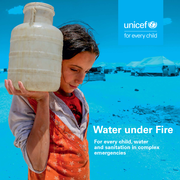
UNICEF trucks water to the camps where people displaced by the conflict have temporarily settled. UNICEF also installed latrines, showers and water storage tanks in the camps and distributed family hygiene kits to protect children against waterborne diseas
...
es.
more

This technical note describes medical certification of cause of death and classification (International Classification of Diseases [ICD] mortality coding) of deaths related to COVID-19. The primary goal is to identify all deaths due to COVID-19 in a
...
ll countries, including those not yet following WHO international norms and standards for medical certificates of cause of death and ICD mortality coding.
more
7. Rev Panam Salud Publica. 2020;44:e13
Haiti faces a double burden of disease. Infectious diseases continue to be an issue, while non-communicable diseases have become a significant burden of dise
...
ase. More attention must also be focused on the increase in worrying public health issues such as road injuries, exposure to forces of nature and HIV/AIDS in specific age groups. To address the burden of disease, sustained actions are needed to promote better health in Haiti and countries with similar challenges.
more
Standard operating procedures (SOP) for the management of tuberculosis in children
National Tuberculosis, Leprosy and Lung Disease Program (NTLD-Program), Kenya
Ministry of Health, Kenya
(2017)
C1
2nd edition. Children with TB comprise about 10-12% of the total TB cases diagnosed in the country. This burden is likely to be higher given the challenges in diagnosing TB in children. The symptoms of TB in children mimic those of other childhood diseases
...
. Children do not readily expectorate and they have pauci-bacillary TB hence some will be missed using bacteriological tests. The government has however introduced GeneXpert molecular testing that is more sensitive than microscopy in detecting TB. Health care workers therefore need a reference guide to obtaining sputum from children for testing. Treatment of TB in children has been reviewed and now includes Ethambutol. There are now improved paediatric friendly TB medicines for treatment of TB in children and health care workers need a reference guide to enable them accurately dispense the TB medicine to children. Malnutrition is a common predisposing factor for TB in children. On the other hand, TB predisposes children to malnutrition or worsens an existing state of malnutrition. Nutrition care and support forms an integral part of treatment for a child with TB disease.
more
