
Filter
637
Text search:
The
National
Population
Council,
Government
of
Uganda
Featured
49
172
Language
Document type
364
157
49
29
20
9
5
3
Countries / Regions
93
42
36
23
19
18
17
17
16
15
14
13
12
11
9
8
8
6
6
6
6
5
5
5
5
4
4
4
4
4
4
3
3
2
2
2
2
2
2
2
2
2
2
2
2
2
2
2
1
1
1
1
1
1
1
1
1
1
1
1
1
1
1
1
1
1
1
1
1
1
1
1
1
1
1
1
1
1
Authors & Publishers
Publication Years
Category
247
48
47
35
28
13
2
Toolboxes
50
48
37
36
28
27
25
23
18
17
15
13
12
12
9
7
4
4
3
3
3
2
2
1
1
this Service Delivery brief provides evidence-based strategies that can help support drug shops and pharmacies in providing a wider variety of family planning methods and information. Evidence shows that with training and support, pharmacy and drug
...

This report includes six case studies from 12 individuals with lived experience of diverse health conditions. These case studies explore the topics of
...
Lessons from a decade of Progress
The results of in-country database and reports analysis
The study on refugee economies shows that refugees and former refugees are contributing positively to Zambia’s economy in various ways and have the potential to contribute even further if legal an
...

The GHS Index is intended to be a key resource in the face of increasing risks of high-consequen
...
The Facilitator Training Manual on Workplace Pandemic Preparedness is a guide developed by GIZ and the Ministry of Health to help organizations pre
...
Cancer
recommended
This volume presents the complex patterns of cancer incidence and death around the world and evidence on effective and cost-effective ways to contr
...
Mental health problems represent the greatest global burden of disease among children and adolescents. There is, however, lack of policy developmen
...
Policy Research Working Paper 6100 | Impact Evaluation Series No. 60 | This study examines the effect of performance incentives for health care providers to provide more and higher quality care in R
...
Disabled people in developing countries are the poorest of the poor: if we are serious about tackling extreme poverty, our development work has to
...
This report situates disability and inclusion within the broader context of sustainable development, with a particular focus on the Sustainable Dev
...
The purpose of this strategy is to guide the planning, management and development of human resou
...
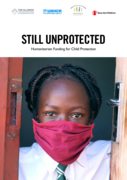
Children living in humanitarian crises face an increased risk of abuse. While the threats of harm are increasing,
...
The report provides lessons and recommendations for other organizations and the wider humanitarian community on engaging persons with disabilities at all levels
...

In 2015 around 15 million people living with HIV were receiving antiretroviral treatment (ART) in sub–Saharan Africa. Sustained provision of ART, though both prudent and necessary, creates substantial long–term fiscal obligations for countries a
...
Water security, or having the right amount and quality of water in the right place at the right
...
Globally, it is estimated that 128.6 million people are currently in need of humanitarian assistance. Of these individuals, approximately one-fourth are women and girls
...

Poor quality health services are holding back progress on improving health in countries at all income levels.
Today, inaccurate diagnosis, medication errors, inappropriate or unnecessary treatment, inadequate or unsafe clinical facilities or practices, or providers who lack adequate training an ...
Today, inaccurate diagnosis, medication errors, inappropriate or unnecessary treatment, inadequate or unsafe clinical facilities or practices, or providers who lack adequate training an ...
Tuberculosis (TB) is, and should be, a curable disease; however, each year significant numbers of patients acquire or develop drug-resistant TB, which has a much lower cure rate. Patients with drug-resistant TB have a high prevalence
...
