
Filter
4165
Text search:
strategy
goals
Featured
355
1192
Language
4055
98
75
52
44
33
25
15
8
5
5
4
4
3
3
3
3
3
2
2
2
2
2
2
2
2
1
1
1
1
1
1
1
1
1
1
1
1
1
1
1
1
1
1
1
1
1
1
1
1
1
1
1
1
1
Document type
2200
822
485
262
241
78
44
12
7
5
4
1
Countries
263
157
136
116
105
103
94
86
83
80
78
75
68
68
65
62
62
59
58
56
43
41
39
37
35
28
26
25
25
22
21
21
21
21
20
19
18
18
16
16
16
13
13
12
12
12
11
11
11
11
10
10
10
10
9
9
8
8
8
8
7
7
6
6
6
6
5
5
5
5
5
5
5
4
4
4
4
4
3
3
3
3
3
3
3
3
3
3
3
3
3
3
3
3
2
2
2
2
2
2
2
2
2
2
2
2
2
2
2
2
2
2
2
1
1
1
1
1
1
1
1
1
1
1
1
1
1
1
1
1
1
1
1
1
1
1
1
1
1
Authors & Publishers
580
133
127
121
111
86
69
56
54
50
27
26
25
24
23
22
18
17
17
16
16
15
14
14
13
13
13
13
13
12
12
12
12
12
12
12
12
11
11
11
11
11
10
10
10
10
10
10
10
9
9
9
9
9
9
8
8
8
8
8
8
8
8
8
8
8
8
8
8
8
8
7
7
7
7
7
6
6
6
6
6
6
6
6
6
6
6
6
6
6
6
6
6
6
6
6
6
6
6
5
5
5
5
5
5
5
5
5
5
5
5
5
5
5
5
5
5
5
5
5
5
5
5
5
5
5
5
4
4
4
4
4
4
4
4
4
4
4
4
4
4
4
4
4
4
4
4
4
4
4
4
4
4
4
4
4
4
4
4
4
4
4
4
4
3
3
3
3
3
3
3
3
3
3
3
3
3
3
3
3
3
3
3
3
3
3
3
3
3
3
3
3
3
3
3
3
3
3
3
3
3
3
3
3
3
3
3
3
3
3
3
3
3
3
3
3
3
3
3
3
3
3
3
3
3
3
3
3
3
3
3
3
3
3
3
3
3
3
3
3
3
3
3
3
3
3
3
3
3
3
3
3
3
2
2
2
2
2
2
2
2
2
2
2
2
2
2
2
2
2
2
2
2
2
2
2
2
2
2
2
2
2
2
2
2
2
2
2
2
2
2
2
2
2
2
2
2
2
2
2
2
2
2
2
2
2
2
2
2
2
2
2
2
2
2
2
2
2
2
2
2
2
2
2
2
2
2
2
2
2
2
2
2
2
2
2
2
2
2
2
2
2
2
2
2
2
2
2
2
2
2
2
2
2
2
2
2
2
2
2
2
2
2
2
2
2
2
2
2
2
2
2
2
2
2
2
2
2
2
2
2
2
2
2
2
2
2
2
2
2
2
2
2
2
2
2
2
2
2
2
2
2
2
2
2
2
2
2
2
2
2
2
2
2
2
2
2
2
2
2
2
2
2
2
2
2
2
2
2
2
2
2
2
2
2
2
2
2
2
2
2
2
2
2
2
2
2
2
2
2
2
2
2
2
2
2
2
2
2
2
2
2
2
2
2
2
2
2
1
1
1
1
1
1
1
1
1
1
1
1
1
1
1
1
1
1
1
1
1
1
1
1
1
1
1
1
1
1
1
1
1
1
1
1
1
1
1
1
1
1
1
1
1
1
1
1
1
1
1
1
1
1
1
1
1
1
1
1
1
1
1
1
1
1
1
1
1
1
1
1
1
1
1
1
1
1
1
1
1
1
1
1
1
1
1
1
1
1
1
1
1
1
1
1
1
1
1
1
1
1
1
1
1
1
1
1
1
1
1
1
1
1
1
1
1
1
1
1
1
1
1
1
1
1
1
1
1
1
1
1
1
1
1
1
1
1
1
1
1
1
1
1
1
1
1
1
1
1
1
1
1
1
1
1
1
1
1
1
1
1
1
1
1
1
1
1
1
1
1
1
1
1
1
1
1
1
1
1
1
1
1
1
1
1
1
1
1
1
1
1
1
1
1
1
1
1
1
1
1
1
1
1
1
1
1
1
1
1
1
1
1
1
1
1
1
1
1
1
1
1
1
1
1
1
1
1
1
1
1
1
1
1
1
1
1
1
1
1
1
1
1
1
1
1
1
1
1
1
1
1
1
1
1
1
1
1
1
1
1
1
1
1
1
1
1
1
1
1
1
1
1
1
1
1
1
1
1
1
1
1
1
1
1
1
1
1
1
1
1
1
1
1
1
1
1
1
1
1
1
1
1
1
1
1
1
1
1
1
1
1
1
1
1
1
1
1
1
1
1
1
1
1
1
1
1
1
1
1
1
1
1
1
1
1
1
1
1
1
1
1
1
1
1
1
1
1
1
1
1
1
1
1
1
1
1
1
1
1
1
1
1
1
1
1
1
1
1
1
1
1
1
1
1
1
1
1
1
1
1
1
1
1
1
1
1
1
1
1
1
1
1
1
1
1
1
1
1
1
1
1
1
1
1
1
1
1
1
1
1
1
1
1
1
1
1
1
1
1
1
1
1
1
1
1
1
1
1
1
1
1
1
1
1
1
1
1
1
1
1
1
1
1
1
1
1
1
1
1
1
1
1
1
1
1
1
1
1
1
1
1
1
1
1
1
1
1
1
1
1
1
1
1
1
1
1
1
1
1
1
1
1
1
1
1
1
1
1
1
1
1
1
1
1
1
1
1
1
1
1
1
1
1
1
1
1
1
1
1
1
1
1
1
1
1
1
1
1
1
1
1
1
1
1
1
1
1
1
1
1
1
1
1
1
1
1
1
1
1
1
1
1
1
1
1
1
1
1
1
1
1
1
1
1
1
1
1
1
1
1
1
1
1
1
1
1
1
1
1
1
1
1
1
1
1
1
1
1
1
1
1
1
1
1
1
1
1
1
1
1
1
1
1
1
1
1
1
1
1
1
1
1
1
1
1
1
1
1
1
1
1
1
1
1
1
1
1
1
1
1
1
1
1
1
1
1
1
1
1
1
1
1
1
1
1
1
1
1
1
1
1
1
1
1
1
1
1
1
1
1
1
1
1
1
1
1
1
1
1
1
1
1
1
1
1
1
1
1
1
1
1
1
1
1
1
1
1
1
1
1
1
1
1
1
1
1
1
1
1
1
1
1
1
1
1
1
1
1
1
1
1
1
1
1
1
1
1
1
1
1
1
1
1
1
1
1
1
1
1
1
1
1
1
1
1
1
1
1
1
1
1
1
1
1
1
1
1
1
1
1
1
1
1
1
1
1
1
1
1
1
1
1
1
1
1
1
1
1
1
1
1
1
1
1
1
1
1
1
1
1
1
1
1
1
1
1
1
1
1
1
1
1
1
1
1
1
1
1
1
1
1
1
1
1
1
1
1
1
1
1
1
1
1
1
1
1
1
1
1
1
1
1
1
1
1
1
1
1
1
1
1
1
1
1
1
1
1
1
1
1
1
1
1
1
1
1
1
1
1
1
1
1
1
1
1
1
1
1
1
1
1
1
1
1
1
1
1
1
1
1
1
1
1
1
1
1
1
1
1
1
1
1
1
1
1
1
1
1
1
1
1
1
1
1
1
1
1
1
1
1
1
1
1
1
1
1
1
1
1
1
1
1
1
1
1
1
1
1
1
1
1
1
1
1
1
1
1
1
1
1
1
1
1
1
1
1
1
1
1
1
1
1
1
1
1
1
1
1
1
1
1
1
1
1
1
1
1
1
1
1
1
1
1
1
1
1
1
1
1
1
1
1
1
1
1
1
1
1
1
1
1
1
1
1
1
1
1
1
1
1
1
1
1
1
1
1
1
1
1
1
1
1
1
1
1
1
1
1
1
1
1
1
1
1
1
1
1
1
1
1
1
1
1
1
1
1
1
1
1
1
1
1
1
1
1
1
1
1
1
1
1
1
1
1
1
1
1
1
1
1
1
1
1
1
1
1
1
1
1
1
1
1
1
1
1
1
1
1
1
1
1
1
1
1
1
1
1
1
1
1
1
1
1
1
1
1
1
1
1
1
1
1
1
1
1
1
1
1
1
1
1
1
1
1
1
1
1
1
1
1
1
1
1
1
1
1
1
1
1
1
1
1
1
1
1
1
1
1
1
1
1
1
1
1
1
1
1
1
1
1
1
1
1
1
1
1
1
1
1
1
1
1
1
1
1
1
1
1
1
1
1
1
1
1
1
1
1
1
1
1
1
1
1
1
1
1
1
1
1
1
1
1
1
1
1
1
1
1
1
1
1
1
1
1
1
1
1
1
1
1
1
1
1
1
1
1
1
1
1
1
1
1
1
1
1
1
1
1
1
1
1
1
1
1
1
1
1
1
1
1
1
1
1
1
1
1
1
1
1
1
1
1
1
1
1
1
1
1
1
1
1
1
1
1
1
1
1
1
1
1
1
1
1
1
1
1
1
1
1
1
1
1
1
1
1
1
1
1
1
1
1
1
1
1
1
1
1
1
1
1
1
1
1
1
1
1
1
1
1
1
1
1
1
1
1
1
1
1
1
1
1
1
1
1
1
1
1
1
1
1
1
1
1
1
1
1
1
1
1
1
1
1
1
1
1
1
1
1
1
1
1
1
1
1
1
1
1
1
1
1
1
1
1
1
1
1
1
1
1
1
1
1
1
1
1
1
1
1
1
1
1
1
1
1
1
1
1
1
1
1
1
1
1
1
1
1
1
1
1
1
1
1
1
1
1
1
1
1
1
1
1
1
1
1
1
1
1
1
1
1
1
1
1
1
1
1
1
1
1
1
1
1
1
1
1
1
1
1
1
1
1
1
1
1
1
1
1
1
1
1
1
1
1
1
1
1
1
1
1
1
1
1
1
1
1
1
1
1
1
1
1
1
1
1
1
1
1
1
1
1
1
1
1
1
1
1
1
1
1
1
1
1
1
1
1
1
1
1
1
1
1
1
1
1
1
1
1
1
1
1
1
1
1
1
1
1
1
1
1
1
1
1
1
1
1
1
1
1
1
1
1
1
1
1
1
1
1
1
1
1
1
1
1
1
1
1
1
1
1
1
1
1
1
1
1
1
1
1
1
1
1
1
1
1
1
1
1
1
1
1
1
1
1
1
1
1
1
1
1
1
1
1
1
1
1
1
1
1
1
1
1
1
1
1
1
1
1
1
1
1
1
1
1
1
1
1
1
1
1
1
1
1
1
1
1
1
1
1
1
1
1
1
1
1
1
1
1
1
1
1
1
1
1
1
1
1
1
1
1
1
1
1
1
1
1
1
1
1
1
1
1
1
1
1
1
1
1
1
1
1
1
1
1
1
1
1
1
1
1
1
1
1
1
1
1
1
1
1
1
1
1
1
1
1
1
1
1
1
1
1
1
1
1
1
1
1
1
1
1
1
1
1
1
1
1
1
1
1
1
1
1
1
1
1
1
1
1
1
1
1
1
1
1
1
1
1
1
1
1
1
1
1
1
1
1
1
1
1
1
1
1
1
1
1
1
1
1
1
1
1
1
1
1
1
1
1
1
1
1
1
1
1
1
1
1
1
1
1
1
1
1
1
1
1
1
1
1
1
1
1
1
1
1
1
1
1
1
1
1
1
1
1
1
1
1
1
1
1
1
1
1
1
1
1
1
1
1
1
1
1
1
1
1
1
1
1
1
1
1
1
1
1
1
1
1
1
1
1
1
1
1
1
1
1
1
1
1
1
1
1
1
1
1
1
1
1
1
1
1
1
1
1
1
1
1
1
1
1
1
1
1
1
1
1
1
1
1
1
1
1
1
1
1
1
1
1
1
1
1
1
1
1
1
1
1
1
1
1
1
1
1
1
1
1
1
1
1
1
1
1
1
1
1
1
1
1
1
1
1
1
1
1
1
1
1
1
1
1
1
1
1
1
1
1
1
1
1
1
1
1
1
1
1
1
1
1
1
1
1
1
1
1
1
1
1
1
1
1
1
1
1
1
1
1
1
1
1
1
1
1
1
1
1
1
1
1
1
1
1
1
1
1
1
1
1
1
1
1
1
1
1
1
1
1
1
1
1
1
1
1
1
1
1
1
1
1
1
1
1
1
1
1
1
1
1
1
1
1
1
1
1
1
1
1
1
1
1
1
1
1
1
1
1
1
1
1
1
1
1
1
1
1
1
1
1
1
1
1
1
1
1
1
1
1
1
1
1
1
1
1
1
1
1
1
1
1
1
1
1
1
1
1
1
1
1
1
1
1
1
1
1
1
1
1
1
1
1
1
1
1
1
1
1
1
1
1
1
1
1
1
1
1
1
1
1
1
1
1
1
1
1
1
1
1
1
1
1
1
1
1
1
1
1
1
1
1
1
1
1
1
1
1
1
1
1
1
1
1
1
1
1
1
1
1
1
1
1
1
1
1
1
1
1
1
1
1
1
1
1
1
1
1
1
1
1
1
1
1
1
1
1
1
1
1
1
1
1
1
1
1
1
1
1
1
1
1
1
1
1
1
1
1
1
1
1
1
1
1
1
1
1
1
1
1
1
1
1
1
1
1
1
1
1
1
1
1
1
1
1
1
1
1
1
1
1
1
1
1
1
1
1
1
1
1
1
1
1
1
1
1
1
1
1
1
1
1
1
1
1
1
1
1
1
1
1
1
1
1
1
1
1
1
1
1
1
1
1
1
1
1
1
1
1
1
1
1
1
1
1
1
1
1
1
1
1
1
1
1
1
1
1
1
1
1
1
1
1
1
1
1
1
1
1
1
1
1
1
1
1
1
1
1
1
1
1
1
1
1
1
1
1
1
1
1
1
1
1
1
1
1
1
1
1
1
1
1
1
1
1
1
1
1
1
1
1
1
1
1
1
1
1
1
1
1
1
1
1
1
1
1
1
1
1
1
1
1
1
1
1
1
1
1
1
1
1
1
1
1
1
1
1
1
1
1
1
1
1
1
1
1
1
1
1
1
1
1
1
1
1
1
1
1
1
1
1
1
1
1
1
1
1
1
1
1
1
1
1
1
1
1
1
1
1
1
1
1
1
1
1
1
1
1
1
1
1
1
1
1
1
1
1
1
1
1
1
1
1
1
1
1
1
1
1
1
1
1
1
1
1
1
1
1
1
1
1
1
1
1
1
1
1
1
1
1
1
1
1
1
1
1
1
1
1
1
1
1
1
1
1
1
1
1
1
1
1
1
1
1
1
1
1
1
1
1
1
1
1
1
1
1
1
1
1
1
1
1
1
1
1
1
1
1
1
1
1
1
1
1
1
1
1
1
1
1
1
1
1
1
1
1
1
1
1
1
1
1
1
1
1
1
1
1
1
1
1
1
1
1
1
1
1
1
1
1
1
1
1
1
1
1
1
1
1
1
1
1
1
1
1
1
1
1
1
1
1
1
1
1
1
1
1
1
1
1
1
1
1
1
1
1
1
1
1
1
1
1
1
1
1
1
1
1
1
1
1
1
1
1
1
1
1
1
1
1
1
1
1
1
1
1
1
1
1
1
1
1
1
1
1
1
1
1
1
1
1
1
1
1
1
1
1
1
1
1
1
1
1
1
1
1
1
1
1
1
1
1
1
1
1
1
1
1
1
1
1
1
1
1
1
1
1
1
1
1
1
1
1
1
1
1
1
1
1
1
1
1
1
1
1
1
1
1
1
1
1
1
1
1
1
1
1
1
1
1
1
1
1
1
1
1
1
1
1
1
1
1
1
1
1
1
1
1
1
1
1
1
1
1
1
1
1
1
1
1
1
1
1
1
1
1
1
1
1
1
1
1
1
1
1
1
1
1
1
1
1
1
1
1
1
1
1
1
1
1
1
1
1
1
1
1
1
Publication Years
1
1268
2547
338
8
2
1
Category
1725
317
300
239
237
86
22
1
Toolboxes
268
246
214
197
172
157
144
126
126
112
102
90
78
75
63
56
53
46
42
40
25
19
15
15
13
3

BACKGROUND: Growing political attention to antimicrobial resistance (AMR) offers a rare opportunity for achieving meaningful action. Many governments have developed national AMR action plans, but most have not yet implemented policy interventions to reduce antimicrobial overuse. A systematic evidenc
...
e map can support governments in making evidence-informed decisions about implementing programs to reduce AMR, by identifying, describing, and assessing the full range of evaluated government policy options to reduce antimicrobial use in humans.
METHODS AND FINDINGS: Seven databases were searched from inception to January 28, 2019, (MEDLINE, CINAHL, EMBASE, PAIS Index, Cochrane Central Register of Controlled Trials, Web of Science, and PubMed). We identified studies that (1) clearly described a government policy intervention aimed at reducing human antimicrobial use, and (2) applied a quantitative design to measure the impact. We found 69 unique evaluations of government policy interventions carried out across 4 of the 6 WHO regions. These evaluations included randomized controlled trials (n = 4), non-randomized controlled trials (n = 3), controlled before-and-after designs (n = 7), interrupted time series designs (n = 25), uncontrolled before-and-after designs (n = 18), descriptive designs (n = 10), and cohort designs (n = 2). From these we identified 17 unique policy options for governments to reduce the human use of antimicrobials. Many studies evaluated public awareness campaigns (n = 17) and antimicrobial guidelines (n = 13); however, others offered different policy options such as professional regulation, restricted reimbursement, pay for performance, and prescription requirements. Identifying these policies can inform the development of future policies and evaluations in different contexts and health systems. Limitations of our study include the possible omission of unpublished initiatives, and that policies not evaluated with respect to antimicrobial use have not been captured in this review.
CONCLUSIONS: To our knowledge this is the first study to provide policy makers with synthesized evidence on specific government policy interventions addressing AMR. In the future, governments should ensure that AMR policy interventions are evaluated using rigorous study designs and that study results are published.
more

Current evidence that the climate is changing is overwhelming. Impacts of climate change and variability are being observed: more intense heat-waves, fires and floods; and increased prevalence of food- water- and vector-borne diseases. Climate change will put pressure on environmental and health det
...
erminants, such as food safety, air pollution and water quantity and quality. A climate-resilient future depends fundamentally on reducing greenhouse gas emissions. Limiting warming to below 2 °C requires transformational technological, institutional, political and behavioural changes: the foundations for this are laid out in the Paris Agreement of December 2015. The health sector can lead by example, shifting to environmentally friendly practices and minimizing its carbon emissions. A climate-resilient future will increasingly depend on managing and reducing climate change risks to protect health. In the near term, this can be enhanced by including climate change in national health programming and creating climate-resilient health systems.
more

The main message emerging from this new comprehensive global assessment is that premature death and disease can be prevented through healthier environments – and to a significant degree. Analysing the latest data on the environment-disease nexus and the devastating impact of environmental hazards
...
and risks on global health, backed up by expert opinion, this report covers more than 100 diseases and injuries.
more

WHO operational handbook on tuberculosis Module 5: Management of tuberculosis in children and adolescents
recommended
The practical guidance in the operational handbook aims to inform the development or revision of national policies and related implementation guidance on the management of TB in children and adolescents under programmatic circumstances and at different levels of the health system. The operational ha
...
ndbook can also help countries adequately plan for the uptake of interventions to better address the specific needs of children and adolescents with or at risk of TB. It can contribute to national efforts to build capacity among national and subnational programme managers and among health workers at all levels of the health care system.
more
Findings, interpretations and conclusions
expressed in this document are based on infor-
mation gathered by GIZ and its consultants,
partners and contributors from reliable sources.
The World Climate and Security Report 2021
Brock, S.; Barrett, O.L.; Birkman, L.; et al.
International Military Council on Climate and Security
(2021)
CC
The World Climate and Security Report (WCSR) 2021 from the Expert Group of the International
Military Council on Climate and Security is a global assessment of the security dimensions of a changing
climate and effective means to address them. It is intended to inform timely climate and security po
...
licy
and action, and builds upon the analysis in the first WCSR, released in February 2020.
more
Road safety is an issue that does not receive anywhere near the attention it deserves – and it really is one
of our great opportunities to save lives around the world

The World Climate and Security Report 2021_2
Brock, S.; Barrett, O.L.; Birkman, L.; et al.
International Military Council on Climate and Security
(2021)
C1
The World Climate and Security Report (WCSR) 2021 from the Expert Group of the International Military Council on Climate and Security is a global assessment of the security dimensions of a changing climate and effective means to address them. It is intended to inform timely climate and security poli
...
cy and action, and builds upon the analysis in the first WCSR, released in February 2020.
more

The biosphere underlies the whole sustainable development concept, as the layer on
which society and the economy rely. Nature and biodiversity fuel the natural cycles
and life-support systems of the planet, on which humanity ultimately depends.

This brief summarizes the lessons learned across Europe on the redevelopment of contaminated sites as a part of urban planning and renewal. Specifically, it aims to provide information on the health and environmental impacts to be considered during site redevelopment projects, and to identify good p
...
ractice and relevant local experiences to support effective, healthy and sustainable redevelopment of contaminated sites. As such, this brief offers key messages to support the work of local decision-makers, planners, practitioners, researchers and civil society organizations.
more

It outlines key achievements, needs and opportunities for intervention in the field of rehabilitation in Ukraine. The content of this document is a snapshot in time – not an in-depth analysis of the entire rehabilitation sector. The analysis focuses on rehabilitation policy and governance, service
...
provision, financing, information management and human resources, with the aim of improving access to high-quality rehabilitation services in Ukraine.
more
A framework to implement the Agenda for the Americas on Health, Environment, and Climate Change 2021–2030
The global burden of disease associated with air pollution exposure exacts a massive toll on human health worldwide: exposure to air pollution is estimated to cause millions of deaths and lost years of healthy life annually. The burden of disease attributable to air pollution is now estimated to be
...
on a par with other major global health risks such as unhealthy diet and tobacco smoking, and air pollution is now recognized as the single biggest environmental threat to human health.
more

Safe water, sanitation and hygiene (collectively known as WASH) are crucial for human health and well-being. Yet, millions of people globally lack adequate WASH services and consequently suffer from or are exposed to a multitude of preventable illnesses.
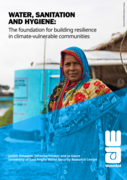
This report, which involved input from across WaterAid, in particular from the Programme Support Unit (PSU) of WaterAid UK, includes case studies from a variety of countries, including Bangladesh, Burkina Faso, Eswatini, Ethiopia, Ghana, India and Nepal, each demonstrating what must be done now to i
...
mprove WASH services and address current challenges, in order to increase community resilience to climate change.
more
Emerging evidence and experience to inform risk management in a warming world

Biodiversity and Health in the Face of Climate Change pp 47–66
This chapter reviews the emerging importance of pollen allergies in relation to ongoing climate change. Allergic diseases have been increasing in prevalence over the last decades, partly as the result of the impact of climate change.
...
Increased sensitisation rates and more severe symptoms have been the partial outcome of: increased pollen production of wind-pollinated plants resulting in long-term increased abundance of pollen in the air we breathe; earlier shifts of airborne pollen seasons making occurrence of allergic symptoms harder to predict and deal with efficiently; increased allergenicity of pollen causing more severe health effects in allergic individuals; introduction of new, invasive allergenic plant species causing new sensitisations; environment-environment interactions, such as plants and hosted microorganisms, i.e. fungi and bacteria, which comprise a complex and dynamic system, with additive, presently unforeseeable influences on human health; environment-human interactions, as the consequence of a combination of environmental factors, like air pollution, global warming, urbanisation and microclimatic variability, which create a multi-resolution spatiotemporal system that requires new processing technologies and huge data inflow in order to be thoroughly investigated. We suggest that novel, real-time, personalised pollen information services, like mobile-app risk alerts, must be developed to provide the optimum first line of allergy management.
more

Compared with other health areas, the mental health impacts of climate change have received less research attention. The literature on climate change and mental health is growing rapidly but is characterised by several limitations and research gaps. In a field where the need for designing evidence-b
...
ased adaptation strategies is urgent, and research gaps are vast, implementing a broad, all-encompassing research agenda will require some strategic focus.
more
