
Filter
3968
Text search:
program
planning
Featured
272
1380
Language
3782
111
60
46
32
26
19
11
7
4
4
3
2
2
2
2
2
2
1
1
1
1
1
1
1
1
1
1
1
1
Document type
2482
550
384
231
154
84
36
29
7
4
3
2
1
Countries
188
171
149
141
124
115
106
98
93
93
85
83
82
82
79
67
65
64
57
57
52
50
46
40
36
34
33
33
32
29
28
23
22
17
17
17
16
15
15
15
15
15
15
14
14
13
13
12
12
12
11
11
10
9
9
9
8
7
7
7
7
6
6
6
6
5
5
5
5
4
4
4
4
4
4
4
4
3
3
3
3
3
3
3
3
3
3
3
3
3
2
2
2
2
2
2
2
2
2
2
2
2
2
2
2
1
1
1
1
1
1
1
1
1
1
1
1
1
1
1
1
1
1
1
1
1
1
1
Authors & Publishers
309
129
125
95
67
67
53
43
42
35
35
34
31
29
29
27
26
25
23
22
20
19
19
19
18
18
18
17
17
16
15
15
15
15
15
14
14
14
13
13
13
13
12
12
12
12
12
11
11
11
11
11
10
10
10
10
10
10
10
9
9
9
9
9
9
9
9
8
8
8
8
8
8
7
7
7
7
7
7
7
7
6
6
6
6
6
6
6
6
6
6
6
6
6
6
6
6
6
6
6
6
5
5
5
5
5
5
5
5
5
5
5
5
5
5
5
5
5
5
5
5
5
5
5
5
5
5
5
5
5
5
5
5
5
5
5
4
4
4
4
4
4
4
4
4
4
4
4
4
4
4
4
4
4
4
4
4
4
4
4
4
4
4
4
4
4
4
4
4
4
4
4
4
4
4
4
4
4
4
4
4
4
4
4
4
4
4
4
4
4
4
3
3
3
3
3
3
3
3
3
3
3
3
3
3
3
3
3
3
3
3
3
3
3
3
3
3
3
3
3
3
3
3
3
3
3
3
3
3
3
3
3
3
3
3
3
3
3
3
3
3
3
3
3
3
3
3
3
3
3
3
3
3
3
3
3
3
3
3
3
3
3
3
3
3
3
3
3
3
3
3
3
3
3
3
3
3
3
2
2
2
2
2
2
2
2
2
2
2
2
2
2
2
2
2
2
2
2
2
2
2
2
2
2
2
2
2
2
2
2
2
2
2
2
2
2
2
2
2
2
2
2
2
2
2
2
2
2
2
2
2
2
2
2
2
2
2
2
2
2
2
2
2
2
2
2
2
2
2
2
2
2
2
2
2
2
2
2
2
2
2
2
2
2
2
2
2
2
2
2
2
2
2
2
2
2
2
2
2
2
2
2
2
2
2
2
2
2
2
2
2
2
2
2
2
2
2
2
2
2
2
2
2
2
2
2
2
2
2
2
2
2
2
2
2
2
2
2
2
2
2
2
2
2
2
2
2
2
2
2
2
2
2
2
2
2
2
2
2
2
2
2
2
2
2
2
2
2
2
2
2
2
2
2
2
2
2
2
2
2
2
2
2
2
2
2
2
2
2
2
2
2
2
2
2
2
2
2
2
2
2
2
2
2
2
2
2
2
2
2
2
2
2
2
2
2
2
2
2
2
2
2
2
2
2
2
2
2
2
2
2
2
2
2
2
2
2
2
2
2
2
2
2
2
2
2
2
1
1
1
1
1
1
1
1
1
1
1
1
1
1
1
1
1
1
1
1
1
1
1
1
1
1
1
1
1
1
1
1
1
1
1
1
1
1
1
1
1
1
1
1
1
1
1
1
1
1
1
1
1
1
1
1
1
1
1
1
1
1
1
1
1
1
1
1
1
1
1
1
1
1
1
1
1
1
1
1
1
1
1
1
1
1
1
1
1
1
1
1
1
1
1
1
1
1
1
1
1
1
1
1
1
1
1
1
1
1
1
1
1
1
1
1
1
1
1
1
1
1
1
1
1
1
1
1
1
1
1
1
1
1
1
1
1
1
1
1
1
1
1
1
1
1
1
1
1
1
1
1
1
1
1
1
1
1
1
1
1
1
1
1
1
1
1
1
1
1
1
1
1
1
1
1
1
1
1
1
1
1
1
1
1
1
1
1
1
1
1
1
1
1
1
1
1
1
1
1
1
1
1
1
1
1
1
1
1
1
1
1
1
1
1
1
1
1
1
1
1
1
1
1
1
1
1
1
1
1
1
1
1
1
1
1
1
1
1
1
1
1
1
1
1
1
1
1
1
1
1
1
1
1
1
1
1
1
1
1
1
1
1
1
1
1
1
1
1
1
1
1
1
1
1
1
1
1
1
1
1
1
1
1
1
1
1
1
1
1
1
1
1
1
1
1
1
1
1
1
1
1
1
1
1
1
1
1
1
1
1
1
1
1
1
1
1
1
1
1
1
1
1
1
1
1
1
1
1
1
1
1
1
1
1
1
1
1
1
1
1
1
1
1
1
1
1
1
1
1
1
1
1
1
1
1
1
1
1
1
1
1
1
1
1
1
1
1
1
1
1
1
1
1
1
1
1
1
1
1
1
1
1
1
1
1
1
1
1
1
1
1
1
1
1
1
1
1
1
1
1
1
1
1
1
1
1
1
1
1
1
1
1
1
1
1
1
1
1
1
1
1
1
1
1
1
1
1
1
1
1
1
1
1
1
1
1
1
1
1
1
1
1
1
1
1
1
1
1
1
1
1
1
1
1
1
1
1
1
1
1
1
1
1
1
1
1
1
1
1
1
1
1
1
1
1
1
1
1
1
1
1
1
1
1
1
1
1
1
1
1
1
1
1
1
1
1
1
1
1
1
1
1
1
1
1
1
1
1
1
1
1
1
1
1
1
1
1
1
1
1
1
1
1
1
1
1
1
1
1
1
1
1
1
1
1
1
1
1
1
1
1
1
1
1
1
1
1
1
1
1
1
1
1
1
1
1
1
1
1
1
1
1
1
1
1
1
1
1
1
1
1
1
1
1
1
1
1
1
1
1
1
1
1
1
1
1
1
1
1
1
1
1
1
1
1
1
1
1
1
1
1
1
1
1
1
1
1
1
1
1
1
1
1
1
1
1
1
1
1
1
1
1
1
1
1
1
1
1
1
1
1
1
1
1
1
1
1
1
1
1
1
1
1
1
1
1
1
1
1
1
1
1
1
1
1
1
1
1
1
1
1
1
1
1
1
1
1
1
1
1
1
1
1
1
1
1
1
1
1
1
1
1
1
1
1
1
1
1
1
1
1
1
1
1
1
1
1
1
1
1
1
1
1
1
1
1
1
1
1
1
1
1
1
1
1
1
1
1
1
1
1
1
1
1
1
1
1
1
1
1
1
1
1
1
1
1
1
1
1
1
1
1
1
1
1
1
1
1
1
1
1
1
1
1
1
1
1
1
1
1
1
1
1
1
1
1
1
1
1
1
1
1
1
1
1
1
1
1
1
1
1
1
1
1
1
1
1
1
1
1
1
1
1
1
1
1
1
1
1
1
1
1
1
1
1
1
1
1
1
1
1
1
1
1
1
1
1
1
1
1
1
1
1
1
1
1
1
1
1
1
1
1
1
1
1
1
1
1
1
1
1
1
1
1
1
1
1
1
1
1
1
1
1
1
1
1
1
1
1
1
1
1
1
1
1
1
1
1
1
1
1
1
1
1
1
1
1
1
1
1
1
1
1
1
1
1
1
1
1
1
1
1
1
1
1
1
1
1
1
1
1
1
1
1
1
1
1
1
1
1
1
1
1
1
1
1
1
1
1
1
1
1
1
1
1
1
1
1
1
1
1
1
1
1
1
1
1
1
1
1
1
1
1
1
1
1
1
1
1
1
1
1
1
1
1
1
1
1
1
1
1
1
1
1
1
1
1
1
1
1
1
1
1
1
1
1
1
1
1
1
1
1
1
1
1
1
1
1
1
1
1
1
1
1
1
1
1
1
1
1
1
1
1
1
1
1
1
1
1
1
1
1
1
1
1
1
1
1
1
1
1
1
1
1
1
1
1
1
1
1
1
1
1
1
1
1
1
1
1
1
1
1
1
1
1
1
1
1
1
1
1
1
1
1
1
1
1
1
1
1
1
1
1
1
1
1
1
1
1
1
1
1
1
1
1
1
1
1
1
1
1
1
1
1
1
1
1
1
1
1
1
1
1
1
1
1
1
1
1
1
1
1
1
1
1
1
1
1
1
1
1
1
1
1
1
1
1
1
1
1
1
1
1
1
1
1
1
1
1
1
1
1
1
1
1
1
1
1
1
1
1
1
1
1
1
1
1
1
1
1
1
1
1
1
1
1
1
1
1
1
1
1
1
1
1
1
1
1
1
1
1
1
1
1
1
1
1
1
1
1
1
1
1
1
1
1
1
1
1
1
1
1
1
1
1
1
1
1
1
1
1
1
1
1
1
1
1
1
1
1
1
1
1
1
1
1
1
1
1
1
1
1
1
1
1
1
1
1
1
1
1
1
1
1
1
1
1
1
1
1
1
1
1
1
1
1
1
1
1
1
1
1
1
1
1
1
1
1
1
1
1
1
1
1
1
1
1
1
1
1
1
1
1
1
1
1
1
1
1
1
1
1
1
1
1
1
1
1
1
1
1
1
1
1
1
1
1
1
1
1
1
1
1
1
1
1
1
1
1
1
1
1
1
1
1
1
1
1
1
1
1
1
1
1
1
1
1
1
1
1
1
1
1
1
1
1
1
1
1
1
1
1
1
1
1
1
1
1
1
1
1
1
1
1
1
1
1
1
1
1
1
1
1
1
1
1
1
1
1
1
1
1
1
1
1
1
1
1
1
1
1
1
1
1
1
1
1
1
1
1
1
1
1
1
1
1
1
1
1
1
1
1
1
1
1
1
1
1
1
1
1
1
1
1
1
1
1
1
1
1
1
1
1
1
1
1
1
1
1
1
1
1
1
1
1
1
1
1
1
1
1
1
1
1
1
1
1
1
1
1
1
1
1
1
1
1
1
1
1
1
1
1
1
1
1
1
1
1
1
1
1
1
1
1
1
1
1
1
1
1
1
1
1
1
1
1
1
1
1
1
1
1
1
1
1
1
1
1
1
1
1
1
1
1
1
1
1
1
1
1
1
1
1
1
1
1
1
1
1
1
1
1
1
1
1
1
1
1
1
1
1
1
1
1
1
1
1
1
1
1
1
1
1
1
1
1
1
1
1
1
1
1
1
1
1
1
1
1
1
1
1
1
1
1
1
1
1
1
1
1
1
1
1
1
1
1
1
1
1
1
1
1
1
1
1
1
1
1
1
1
1
1
1
1
1
1
1
1
1
1
1
1
1
1
1
1
1
1
1
1
1
1
1
1
1
1
1
1
1
1
1
1
1
1
1
1
1
1
1
1
1
1
1
1
1
1
1
1
1
1
1
1
1
1
1
1
1
1
1
1
1
1
1
1
1
1
1
1
1
1
1
1
1
1
1
1
1
1
1
1
1
1
1
1
1
1
1
1
1
1
1
1
1
1
1
1
1
1
1
1
1
1
1
1
1
1
1
1
1
1
1
1
1
1
1
1
1
1
1
1
1
1
1
1
1
1
1
1
1
1
1
1
1
1
1
1
1
1
1
1
1
1
1
1
1
1
1
1
1
1
1
1
1
1
1
1
1
1
1
1
1
1
1
1
1
1
1
1
1
1
1
1
1
1
1
1
1
1
1
1
1
1
1
1
1
1
1
1
1
1
1
1
1
1
1
1
1
1
1
1
1
1
1
1
1
1
1
1
1
1
1
1
1
1
1
1
1
1
1
1
1
1
1
1
1
1
1
1
1
1
1
1
1
1
1
1
1
1
1
1
1
1
1
1
1
1
1
1
1
1
1
1
1
1
1
1
1
1
1
1
1
1
1
1
1
1
1
1
1
1
1
1
1
1
1
1
1
1
1
1
1
1
1
1
1
1
1
1
1
1
1
1
1
1
1
1
1
1
1
1
1
1
1
1
1
1
1
1
1
1
1
1
1
1
1
1
1
1
1
1
1
1
1
1
1
1
1
1
1
1
1
1
1
1
1
1
1
1
1
1
1
1
1
1
1
1
1
1
1
1
1
1
1
1
1
1
1
1
1
1
1
1
1
1
1
1
1
1
1
1
1
1
1
1
1
1
1
1
1
1
1
1
1
1
1
1
1
1
1
1
1
1
1
1
1
1
1
1
1
1
1
1
1
1
1
1
1
1
1
1
1
1
1
1
1
1
1
1
1
1
1
1
1
1
1
1
1
1
1
1
1
1
1
1
1
1
1
1
1
1
1
1
1
1
1
1
1
1
1
1
1
1
1
1
1
1
1
1
1
1
1
1
1
1
1
1
1
1
1
1
1
1
1
1
1
1
1
1
1
1
1
1
1
1
1
1
1
1
1
1
1
1
1
1
1
1
1
1
1
1
1
1
1
1
1
1
1
1
1
1
1
1
1
1
1
1
1
1
1
1
1
1
1
1
1
1
1
1
1
1
1
1
1
1
1
1
1
1
1
1
1
1
1
1
1
1
1
1
1
1
1
1
1
1
1
1
1
1
1
1
1
1
1
1
1
1
1
1
1
1
1
1
1
1
1
1
1
1
1
1
1
1
1
1
1
1
1
1
1
1
1
1
1
1
1
1
1
1
1
1
1
1
1
1
1
1
1
1
1
1
1
1
1
1
1
1
1
1
1
1
1
1
1
1
1
1
1
1
1
1
1
1
1
1
1
1
1
1
1
1
1
1
1
1
1
1
1
1
1
1
1
1
1
1
1
1
1
1
1
1
1
1
1
1
1
1
1
1
1
1
1
1
1
1
1
1
1
1
1
1
1
1
1
1
1
1
1
1
1
1
1
1
1
1
1
1
1
1
1
1
1
1
1
1
1
1
1
1
1
1
1
1
1
1
1
1
1
1
1
1
1
1
1
1
1
1
1
1
1
1
1
1
1
1
1
1
1
1
1
1
1
1
1
1
1
1
1
1
1
1
1
1
1
1
1
1
1
1
1
1
1
1
1
1
1
1
1
1
1
1
1
1
1
1
1
1
1
1
1
1
1
1
1
1
1
1
1
1
1
1
1
1
1
1
1
1
1
1
1
1
1
1
1
1
1
1
1
1
1
1
1
1
1
1
1
1
1
1
1
1
1
1
1
1
1
1
1
1
1
1
1
1
1
1
1
1
1
1
1
1
1
1
1
1
1
1
1
1
1
1
1
1
1
1
1
1
1
1
1
1
1
1
1
1
1
1
1
1
1
1
1
1
1
1
1
1
1
1
1
1
1
1
1
1
1
1
1
1
1
1
1
1
1
1
1
1
1
1
1
1
1
1
1
1
1
1
1
1
1
1
1
1
1
1
1
1
1
1
1
1
1
1
1
1
1
1
1
1
1
1
1
1
1
1
1
1
1
1
1
1
1
1
1
1
1
1
1
1
1
1
1
1
1
1
1
1
1
1
1
1
1
1
1
1
1
1
1
1
1
1
1
1
1
1
1
1
1
1
1
1
1
1
1
1
1
1
1
1
1
1
1
1
1
1
1
1
1
1
1
1
1
1
1
1
1
1
1
1
1
1
1
1
1
1
1
1
1
1
1
1
1
1
1
1
1
1
1
1
1
1
1
1
1
1
1
1
1
1
1
1
1
1
1
1
1
1
1
1
1
1
1
1
1
1
1
1
1
1
1
1
1
1
1
1
1
1
1
1
1
1
1
1
1
1
1
1
1
1
1
1
1
1
1
1
1
1
1
1
1
1
1
1
1
1
1
1
1
1
1
1
1
1
1
1
1
1
1
1
1
1
1
1
1
1
1
1
1
1
1
1
1
1
1
1
1
1
1
1
1
1
1
1
1
1
1
1
1
1
1
1
1
1
1
1
1
1
1
1
1
1
1
1
1
1
1
1
1
1
1
1
1
1
1
1
1
1
1
1
1
1
1
1
1
1
1
1
1
1
1
1
1
1
1
1
1
1
1
1
1
1
1
1
1
1
1
1
1
1
1
1
1
1
1
1
1
1
1
1
1
1
1
1
1
1
1
1
1
1
1
1
1
1
1
1
1
1
1
1
1
1
1
1
1
1
1
1
1
1
1
1
1
1
1
1
1
1
1
1
1
1
1
1
1
1
1
1
1
1
1
1
1
1
1
1
1
1
1
1
1
1
1
1
1
1
1
Publication Years
852
2717
381
17
1
Category
2045
265
206
199
179
118
16
Toolboxes
262
173
164
148
139
133
105
88
75
73
72
64
64
56
53
52
47
37
37
36
21
19
19
12
12
1
1
The Pandemic Influenza Preparedness (PIP) Framework is a World Health Assembly resolution adopted unanimously by all Member States in 2011. It brings together Member States, industry, other stakeholders and WHO to implement a global approach to pandemic influenza preparedness and response. The Frame
...
work includes a benefit-sharing mechanism called the Partnership Contribution (PC). The PC is collected as an annual cash contribution from influenza vaccine, diagnostic, and pharmaceutical manufacturers that use the WHO Global Influenza Surveillance and Response System (GISRS). Funds are allocated for: (a) pandemic preparedness capacity building; (b) response activities during the time of an influenza pandemic; and (c) PIP Secretariat for the management and implementation of the Framework.
more

SAMS team rose to meet these challenges, delivering world class COVID treatment with four newly established COVID hospitals complete with 100 ICU beds and state of the art equipment like ventilators, monitors, and oxygen generators. By using innovative technologies, SAMS’ physicians were able to s
...
hare the knowledge they gained treating
more

Guidance module.
The QualityRights training and orientation modules have been developed to enhance the knowledge, skills and understanding of key stakeholders on how to promote the rights of people with psychosocial, intellectual or cognitive disabilities, improve the quality of services and suppo
...
rt provided in the field of mental health and related areas, in line with international human rights standards, in particular the UN Convention on the Rights of Persons with Disabilities and the recovery approach.
mental health and related fields, in accordance with international human rights standards, in particular the UN Convention on the Rights of Persons with Disabilities and the recovery approach.
more


Les modules de formation et d’orientation QualityRights ont été élaborés pour renforcer les connaissances, les compétences et la compréhension des principales parties prenantes sur la manière de promouvoir les droits des personnes en situation de handicap psychosocial, intellectuel ou cogni
...
tif, d'améliorer la qualité des services et des aides fournis dans le domaine de la santé mentale et dans les domaines connexes, conformément aux normes internationales en matière de droits humains, et en particulier la Convention des Nations unies relative aux droits des personnes handicapées et l'approche du rétablissement.
more
Over the last decade, there have been numerous disasters and major emergencies that have profoundly impacted the lives of millions of people worldwide. To support these crises, national and international emergency medical teams (EMTs) are often deployed to assist disaster affected populations. EMTs
...
are teams of healthcare professionals composed most frequently of doctors, nurses, psychologists and others to provide direct clinical care to people affected by disasters and conflicts and to support local health systems. In agreement with the World Health Organization’s (WHO) Global Health Emergency Health Workforce programme, any health professional coming from another country to practice health care in a disaster setting must be part of a team that is qualified, trained, equipped, resourced, and meets minimum acceptable standards to practice.
more
Le rapport 2020 sur la situation du personnel infirmier dans le monde : investir dans la formation, l’emploi et le leadership est publié alors que le monde assiste à un engagement politique sans précédent en faveur de la couverture sanitaire universelle. Parallèlement, notre capacité de pré
...
paration et de riposte d’urgence est mise à rude épreuve par la flambée actuelle de COVID-19 et les déplacements massifs de population dus aux conflits. Les infirmières et les infirmiers assurent des soins indispensables dans chacune de ces circonstances. Aujourd’hui plus que jamais, le monde a besoin qu’ils mettent pleinement à profit leurs qualifications et leur formation.
more

Meeting of the Neglected Tropical Diseases Strategic and Technical Advisory
Group’s Monitoring and Evaluation Subgroup on Disease-specific Indicators
WHO’s sentinel surveys of acquired HIV resistance to dolutegravir among people receiving dolutegravir-containing antiretroviral therapy is intended for easy and frequent implementation. Results from sentinel surveys provide insight into the prevalence and year-over-year trends of dolutegravir resi
...
stance in adults, children and adolescents receiving dolutegravir-based ART.
This sentinel method is implemented complementary to WHO-recommended methods for estimating nationally representative levels of acquired HIV drug resistance.
more
One of the principles underpinning the delivery of all essential services and coordination of those services is the “survivor-centered approach”, which places the human rights, needs, and wishes of women and girl survivors at the centre of service delivery.
A key challenge faced by many entit
...
ies working to end violence against women is ensuring that survivors’ voices and inputs are incorporated into policies, practices, and procedures on response. Survivors have diverse needs and face different risks. Not all women and girls experience violence in the same way. An effective intervention takes into account the realities of their unique circumstances, addresses individual needs, and reduces the risk for further harm and suffering.
UN Women, together with Global Rights for Women, have developed “Safe consultations with survivors of violence against women and girls”, which is designed to provide practical steps, safety measures, and actions that government agencies, civil society and survivor organizations, and United Nations’ entities can take to incorporate survivors' voices into systemic reform efforts, through safe and meaningful consultations.
This guidance is intended to help policymakers develop survivor-centered programming on ending violence against women and girls that meets the needs of diverse groups of women and girls, including those who are at higher risk of experiencing violence and discrimination. It is applicable to programming across the health, justice and policing, and social services sectors, as well as coordination of these sectors, and will help improve the standard and delivery of essential services for women and girls who have experienced violence.
more

This Strategy and Plan of Action on Health Promotion within the Context of the Sustainable Development
Goals 2019-2030 seeks to renew health promotion (HP) through social, political, and technical actions,
addressing the social determinants of health (SDH), he conditions in which people are born,
...
grow, live,
work, and age (1). It seeks to improve health and reduce health inequities within the framework of
the 2030 Agenda for Sustainable Development.
more

Uganda hosts approximately 1.1 million refugees making it Africa’s largest refugee hosting country and one of the five largest refugee hosting countries in the world. Most recently, throughout 2016- 2018, Uganda was impacted by three parallel emergencies from South Sudan, the Democratic Republic o
...
f the Congo (DRC), and Burundi. In view of the on-going conflicts and famine
vulnerabilities in the Great Lakes Region, more refugee influxes and protracted refugee situations are anticipated in the foreseeable future. The unprecedented mass influx of refugees into Uganda in 2016-2018 has put enormous pressure on
the country’s basic service provision, in particular health and education services. Refugees share all social services with the local host communities. The refugee hosting districts are among the least developed districts in the country, and thus the additional refugee population is putting a high strain on already limited resources.
more
Maternal mortality has fallen significantly in recent years, especially in countries that have emphasized the prevention of its main causes, such as hemorrhagic and infectious complications and hypertension , including in the Region of the Americas. In its final report on the Plan of Action to Accel
...
erate the Reduction of Maternal Mortality and Severe Maternal Morbidity, the Pan American Health Organization (PAHO) reported a continuing downward trend in maternal mortality, with an 18.1% reduction in the maternal morbidity ratio during the period 2010-2015 . From a pathophysiological perspective, death events are a common end result of a wide spectrum of complications leading to multi-organ dysfunction. However, there is a group of women in this situation who survive, despite the seriousness of their condition. This high number of patients––who were in serious condition
but did not die––reflects the actual health conditions in an institution or a country. For this reason, there is a need to create indicators to estimate morbidity in women due to diseases and incidents that occur during pregnancy, childbirth, and the puerperium. To this end, we propose conducting epidemiological surveillance of an indicator that includes women who survived after presenting a potentially fatal complication during pregnancy, childbirth, or the puerperium, reflecting quality medical attention and care (5, 6). This indicator
is maternal near-miss (MNM), which refers to extremely severe maternal morbidity––cases of a severity that
brings women very close to the death event. After adjusting the definition to a specific population and time,
MNM is defined as a case in which a woman nearly died, but survived a complication that occurred during
pregnancy, childbirth, or within 42 days of termination of pregnancy
more

Download (7.4 MB)
Overview
Epilepsy is one of the most common neurological disorders globally. The WHO epilepsy technical brief aims to strengthen action for epilepsy and complements the Intersectoral global action plan on epilepsy and other neurological disorders 2022–2031.
The technical bri
...
ef presents the key information on epilepsy and recommends actions to policy makers and other stakeholders. Using the concept of levers for change introduced by the Operational Framework for Primary Health Care, it identifies actions on the policy and operational levels that stakeholders should take to strengthen services for people with epilepsy using a person-centered approach based on human rights and universal health coverage.
more

Recency assays use one or more biomarkers to identify whether HIV infection in a person is recent (usually within a year or less) or longstanding. Recency assays have been used to estimate incidence in representative cross-sectional surveys and in epidemiological studies to better understand the pat
...
terns and distributions of new and longstanding HIV infections.
This technical guidance outlines best practices regarding the appropriate use of HIV recency assays for surveillance purposes and updates 2011 technical guidance from the World Health Organization (WHO) and the Joint United Nations Programme on HIV/AIDS (UNAIDS) on the use of HIV recency assays.
more

This document outlines the working structure and guiding principles for collaboration of COVAX, the Vaccines pillar of the Access to COVID-19 Tools Accelerator (ACT-A). The working structure of COVAX continues to adapt to emerging needs and the changing trajectory of the pandemic. Some components of
...
the pandemic response capabilities united under COVAX may eventually be integrated into regional, national and sub national health systems, routine immunization programmes and future global pandemic preparedness and response (PPR) structures. Therefore, the working structures outlined in this document continue to evolve and the document provides a snapshot of the COVAX ways of working in the first half of 2022.
more
This draft Roadmap for the Global Health for Peace Initiative has been developed in response to decision WHA75(24) of the 75th World Health Assembly (2022), which requested that WHO develop, in full consultation with Member States and Observers, and in full collaboration with other organizations of
...
the United Nations system and relevant non-State actors in official relations with WHO, a Roadmap, if any, for the Global Health and Peace Initiative.
It incorporates feedback received from Member States through a first round of consultation carried out at the end of 2022. This (second) draft is being made available ahead of the 152nd session of the Executive Board, that will consider the draft Roadmap.
The Roadmap for the Global Health for Peace Initiative aims to provide a framework for the Initiative at global level, defining concepts, establishing principles, setting strategic goals and objectives as well as operational priorities. It also describes the “Health for Peace approach” to programming, which lies at the core of the Global Health for Peace Initiative (GHPI). The GHPI is a global initiative of WHO that aims to enhance the existing links between health (and health interventions) and peace
more

This Guidance Note is meant to help protection cluster coordinators apply nexus approaches in a practical way by, providing concrete steps and means to address prevalent or longstanding protection issues, risk patterns, trends and chronic vulnerabilities. The guidance calls for a practical, problem-
...
solving approach that seeks opportunities to identify and collaborate with actors beyond the humanitarian sphere to address deep-rooted protection issues
more
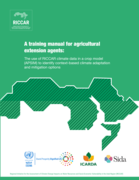
The Arab region in the Middle East and North Africa (MENA) represents a substantial area of the terrestrial landmass encompassing several countries and ecosystems. This area is generally drier and warmer compared to the rest of the world and has extreme resource limitations that are highly vulnerabl
...
e to a changing climate, geopolitical instability and land degradation (Slimani & Aidoud, 2004). Agriculture (crops and livestock) is a critical source of employment and a potential option for engaging rural youth. However, environmental degradation coupled with declining and variable agricultural productivity may pose a massive challenge already beset by instability and declining oil reserves (Tagliapietra, 2017). The Arab region is also subjected to short and long-duration climate extreme events, and the overall impact of their cascading effects on ecosystems, societies and economies is still an open question. Climate change, along with post-war geopolitical complexities, has greatly affected the Arab region in terms of its economy and social balance. Climate change has penetrating effects on the region’s agriculture sector and hence its economy. These are mainly manifested via changes in water resources and extreme weather conditions such as heatwaves and a drastic decline in precipitation.
more

The sixteenth meeting of the Strategic and Technical Advisory Group for Neglected Tropical Diseases (STAG-NTD) was held as a hybrid meeting, 27–28 September 2022.
Dr Ren Minghui, Assistant Director-General, Universal Health Coverage/Communicable and Noncommunicable Diseases, welcomed participan
...
ts to the meeting. He said the World Health Organization’s Department of Control of Neglected Tropical Diseases (WHO/NTD) was in a state of transition. Following the death of the late esteemed Director Dr Mwelecele Ntuli Malecela earlier in the year, Dr Gautam Biswas had taken over as Acting Director but would soon retire; the appointment of a new Director was under way. Owing to rotation of STAG-NTD members, this would be the last meeting for some and the first meeting for several new participants. The work however would continue with the same commitment. Discussions over the next two days would focus on critical issues regarding recovery of NTD services following the disruptions caused by coronavirus disease (COVID-19), which had impacted many health services worldwide. He looked forward to receiving the advice and guidance of STAG-N
more
