
Filter
4961
Text search:
household
Featured
414
1515
Language
4755
127
102
67
59
37
33
17
11
8
8
8
5
5
5
5
5
4
4
4
4
4
3
3
3
3
3
3
2
2
2
2
2
2
2
2
1
1
1
1
1
1
1
1
1
1
1
1
1
1
1
Document type
2855
845
526
225
196
110
92
57
26
14
9
4
2
Countries
209
203
181
145
143
136
127
125
122
116
109
107
106
90
85
85
83
81
62
60
60
53
52
50
50
47
47
46
42
41
40
40
39
38
34
28
27
25
24
22
22
22
21
21
21
20
19
18
17
17
16
15
15
15
15
13
13
13
13
13
13
13
12
11
10
9
9
8
8
8
7
7
7
7
6
6
6
5
5
5
4
4
4
4
4
4
4
4
4
4
4
3
3
3
3
3
3
3
3
3
2
2
2
2
2
2
2
2
2
2
2
2
2
2
2
2
2
2
2
2
2
1
1
1
1
1
1
1
1
1
1
1
1
1
1
1
1
1
1
1
1
1
Authors & Publishers
469
166
142
137
117
99
87
70
66
46
34
33
27
27
26
25
24
23
23
23
22
21
21
20
19
19
19
18
18
17
17
17
16
16
16
15
15
15
15
15
14
14
14
14
14
14
14
14
13
13
13
13
13
13
13
13
13
12
12
12
12
11
11
11
11
10
10
10
10
10
10
10
10
9
9
9
9
9
9
9
9
8
8
8
8
8
8
8
8
8
7
7
7
7
7
7
7
7
7
7
7
7
7
7
7
7
6
6
6
6
6
6
6
6
6
6
6
6
6
6
6
6
6
6
6
6
6
6
6
6
6
6
6
6
6
6
6
5
5
5
5
5
5
5
5
5
5
5
5
5
5
5
5
5
5
5
5
5
5
5
5
5
5
5
5
5
5
5
5
5
5
5
5
5
5
5
5
5
5
5
5
4
4
4
4
4
4
4
4
4
4
4
4
4
4
4
4
4
4
4
4
4
4
4
4
4
4
4
4
4
4
4
4
4
4
4
4
4
4
4
4
4
4
4
4
4
4
4
4
4
4
4
4
4
3
3
3
3
3
3
3
3
3
3
3
3
3
3
3
3
3
3
3
3
3
3
3
3
3
3
3
3
3
3
3
3
3
3
3
3
3
3
3
3
3
3
3
3
3
3
3
3
3
3
3
3
3
3
3
3
3
3
3
3
3
3
3
3
3
3
3
3
3
3
3
3
3
3
3
3
3
3
3
3
3
3
3
3
3
3
3
3
3
3
3
3
3
3
3
3
3
3
3
3
3
3
3
3
2
2
2
2
2
2
2
2
2
2
2
2
2
2
2
2
2
2
2
2
2
2
2
2
2
2
2
2
2
2
2
2
2
2
2
2
2
2
2
2
2
2
2
2
2
2
2
2
2
2
2
2
2
2
2
2
2
2
2
2
2
2
2
2
2
2
2
2
2
2
2
2
2
2
2
2
2
2
2
2
2
2
2
2
2
2
2
2
2
2
2
2
2
2
2
2
2
2
2
2
2
2
2
2
2
2
2
2
2
2
2
2
2
2
2
2
2
2
2
2
2
2
2
2
2
2
2
2
2
2
2
2
2
2
2
2
2
2
2
2
2
2
2
2
2
2
2
2
2
2
2
2
2
2
2
2
2
2
2
2
2
2
2
2
2
2
2
2
2
2
2
2
2
2
2
2
2
2
2
2
2
2
2
2
2
2
2
2
2
2
2
2
2
2
2
2
2
2
2
2
2
2
2
2
2
2
2
2
2
2
2
2
2
2
2
2
2
2
2
2
2
2
2
2
2
2
2
2
2
2
2
2
2
2
2
2
2
2
2
2
2
2
2
2
2
2
2
2
2
2
2
2
2
2
2
2
2
2
2
2
2
2
2
2
2
2
2
2
2
2
2
2
2
2
2
2
2
2
2
2
2
2
2
2
2
2
2
2
2
2
2
2
2
2
2
2
2
2
1
1
1
1
1
1
1
1
1
1
1
1
1
1
1
1
1
1
1
1
1
1
1
1
1
1
1
1
1
1
1
1
1
1
1
1
1
1
1
1
1
1
1
1
1
1
1
1
1
1
1
1
1
1
1
1
1
1
1
1
1
1
1
1
1
1
1
1
1
1
1
1
1
1
1
1
1
1
1
1
1
1
1
1
1
1
1
1
1
1
1
1
1
1
1
1
1
1
1
1
1
1
1
1
1
1
1
1
1
1
1
1
1
1
1
1
1
1
1
1
1
1
1
1
1
1
1
1
1
1
1
1
1
1
1
1
1
1
1
1
1
1
1
1
1
1
1
1
1
1
1
1
1
1
1
1
1
1
1
1
1
1
1
1
1
1
1
1
1
1
1
1
1
1
1
1
1
1
1
1
1
1
1
1
1
1
1
1
1
1
1
1
1
1
1
1
1
1
1
1
1
1
1
1
1
1
1
1
1
1
1
1
1
1
1
1
1
1
1
1
1
1
1
1
1
1
1
1
1
1
1
1
1
1
1
1
1
1
1
1
1
1
1
1
1
1
1
1
1
1
1
1
1
1
1
1
1
1
1
1
1
1
1
1
1
1
1
1
1
1
1
1
1
1
1
1
1
1
1
1
1
1
1
1
1
1
1
1
1
1
1
1
1
1
1
1
1
1
1
1
1
1
1
1
1
1
1
1
1
1
1
1
1
1
1
1
1
1
1
1
1
1
1
1
1
1
1
1
1
1
1
1
1
1
1
1
1
1
1
1
1
1
1
1
1
1
1
1
1
1
1
1
1
1
1
1
1
1
1
1
1
1
1
1
1
1
1
1
1
1
1
1
1
1
1
1
1
1
1
1
1
1
1
1
1
1
1
1
1
1
1
1
1
1
1
1
1
1
1
1
1
1
1
1
1
1
1
1
1
1
1
1
1
1
1
1
1
1
1
1
1
1
1
1
1
1
1
1
1
1
1
1
1
1
1
1
1
1
1
1
1
1
1
1
1
1
1
1
1
1
1
1
1
1
1
1
1
1
1
1
1
1
1
1
1
1
1
1
1
1
1
1
1
1
1
1
1
1
1
1
1
1
1
1
1
1
1
1
1
1
1
1
1
1
1
1
1
1
1
1
1
1
1
1
1
1
1
1
1
1
1
1
1
1
1
1
1
1
1
1
1
1
1
1
1
1
1
1
1
1
1
1
1
1
1
1
1
1
1
1
1
1
1
1
1
1
1
1
1
1
1
1
1
1
1
1
1
1
1
1
1
1
1
1
1
1
1
1
1
1
1
1
1
1
1
1
1
1
1
1
1
1
1
1
1
1
1
1
1
1
1
1
1
1
1
1
1
1
1
1
1
1
1
1
1
1
1
1
1
1
1
1
1
1
1
1
1
1
1
1
1
1
1
1
1
1
1
1
1
1
1
1
1
1
1
1
1
1
1
1
1
1
1
1
1
1
1
1
1
1
1
1
1
1
1
1
1
1
1
1
1
1
1
1
1
1
1
1
1
1
1
1
1
1
1
1
1
1
1
1
1
1
1
1
1
1
1
1
1
1
1
1
1
1
1
1
1
1
1
1
1
1
1
1
1
1
1
1
1
1
1
1
1
1
1
1
1
1
1
1
1
1
1
1
1
1
1
1
1
1
1
1
1
1
1
1
1
1
1
1
1
1
1
1
1
1
1
1
1
1
1
1
1
1
1
1
1
1
1
1
1
1
1
1
1
1
1
1
1
1
1
1
1
1
1
1
1
1
1
1
1
1
1
1
1
1
1
1
1
1
1
1
1
1
1
1
1
1
1
1
1
1
1
1
1
1
1
1
1
1
1
1
1
1
1
1
1
1
1
1
1
1
1
1
1
1
1
1
1
1
1
1
1
1
1
1
1
1
1
1
1
1
1
1
1
1
1
1
1
1
1
1
1
1
1
1
1
1
1
1
1
1
1
1
1
1
1
1
1
1
1
1
1
1
1
1
1
1
1
1
1
1
1
1
1
1
1
1
1
1
1
1
1
1
1
1
1
1
1
1
1
1
1
1
1
1
1
1
1
1
1
1
1
1
1
1
1
1
1
1
1
1
1
1
1
1
1
1
1
1
1
1
1
1
1
1
1
1
1
1
1
1
1
1
1
1
1
1
1
1
1
1
1
1
1
1
1
1
1
1
1
1
1
1
1
1
1
1
1
1
1
1
1
1
1
1
1
1
1
1
1
1
1
1
1
1
1
1
1
1
1
1
1
1
1
1
1
1
1
1
1
1
1
1
1
1
1
1
1
1
1
1
1
1
1
1
1
1
1
1
1
1
1
1
1
1
1
1
1
1
1
1
1
1
1
1
1
1
1
1
1
1
1
1
1
1
1
1
1
1
1
1
1
1
1
1
1
1
1
1
1
1
1
1
1
1
1
1
1
1
1
1
1
1
1
1
1
1
1
1
1
1
1
1
1
1
1
1
1
1
1
1
1
1
1
1
1
1
1
1
1
1
1
1
1
1
1
1
1
1
1
1
1
1
1
1
1
1
1
1
1
1
1
1
1
1
1
1
1
1
1
1
1
1
1
1
1
1
1
1
1
1
1
1
1
1
1
1
1
1
1
1
1
1
1
1
1
1
1
1
1
1
1
1
1
1
1
1
1
1
1
1
1
1
1
1
1
1
1
1
1
1
1
1
1
1
1
1
1
1
1
1
1
1
1
1
1
1
1
1
1
1
1
1
1
1
1
1
1
1
1
1
1
1
1
1
1
1
1
1
1
1
1
1
1
1
1
1
1
1
1
1
1
1
1
1
1
1
1
1
1
1
1
1
1
1
1
1
1
1
1
1
1
1
1
1
1
1
1
1
1
1
1
1
1
1
1
1
1
1
1
1
1
1
1
1
1
1
1
1
1
1
1
1
1
1
1
1
1
1
1
1
1
1
1
1
1
1
1
1
1
1
1
1
1
1
1
1
1
1
1
1
1
1
1
1
1
1
1
1
1
1
1
1
1
1
1
1
1
1
1
1
1
1
1
1
1
1
1
1
1
1
1
1
1
1
1
1
1
1
1
1
1
1
1
1
1
1
1
1
1
1
1
1
1
1
1
1
1
1
1
1
1
1
1
1
1
1
1
1
1
1
1
1
1
1
1
1
1
1
1
1
1
1
1
1
1
1
1
1
1
1
1
1
1
1
1
1
1
1
1
1
1
1
1
1
1
1
1
1
1
1
1
1
1
1
1
1
1
1
1
1
1
1
1
1
1
1
1
1
1
1
1
1
1
1
1
1
1
1
1
1
1
1
1
1
1
1
1
1
1
1
1
1
1
1
1
1
1
1
1
1
1
1
1
1
1
1
1
1
1
1
1
1
1
1
1
1
1
1
1
1
1
1
1
1
1
1
1
1
1
1
1
1
1
1
1
1
1
1
1
1
1
1
1
1
1
1
1
1
1
1
1
1
1
1
1
1
1
1
1
1
1
1
1
1
1
1
1
1
1
1
1
1
1
1
1
1
1
1
1
1
1
1
1
1
1
1
1
1
1
1
1
1
1
1
1
1
1
1
1
1
1
1
1
1
1
1
1
1
1
1
1
1
1
1
1
1
1
1
1
1
1
1
1
1
1
1
1
1
1
1
1
1
1
1
1
1
1
1
1
1
1
1
1
1
1
1
1
1
1
1
1
1
1
1
1
1
1
1
1
1
1
1
1
1
1
1
1
1
1
1
1
1
1
1
1
1
1
1
1
1
1
1
1
1
1
1
1
1
1
1
1
1
1
1
1
1
1
1
1
1
1
1
1
1
1
1
1
1
1
1
1
1
1
1
1
1
1
1
1
1
1
1
1
1
1
1
1
1
1
1
1
1
1
1
1
1
1
1
1
1
1
1
1
1
1
1
1
1
1
1
1
1
1
1
1
1
1
1
1
1
1
1
1
1
1
1
1
1
1
1
1
1
1
1
1
1
1
1
1
1
1
1
1
1
1
1
1
1
1
1
1
1
1
1
1
1
1
1
1
1
1
1
1
1
1
1
1
1
1
1
1
1
1
1
1
1
1
1
1
1
1
1
1
1
1
1
1
1
1
1
1
1
1
1
1
1
1
1
1
1
1
1
1
1
1
1
1
1
1
1
1
1
1
1
1
1
1
1
1
1
1
1
1
1
1
1
1
1
1
1
1
1
1
1
1
1
1
1
1
1
1
1
1
1
1
1
1
1
1
1
1
1
1
1
1
1
1
1
1
1
1
1
1
1
1
1
1
1
1
1
1
1
1
1
1
1
1
1
1
1
1
1
1
1
1
1
1
1
1
1
1
1
1
1
1
1
1
1
1
1
1
1
1
1
1
1
1
1
1
1
1
1
1
1
1
1
1
1
1
1
1
1
1
1
1
1
1
1
1
1
1
1
1
1
1
1
1
1
1
1
1
1
1
1
1
1
1
1
1
1
1
1
1
1
1
1
1
1
1
1
1
1
1
1
1
1
1
1
1
1
1
1
1
1
1
1
1
1
1
1
1
1
1
1
1
1
1
1
1
1
1
1
1
1
1
1
1
1
1
1
1
1
1
1
1
1
1
1
1
1
1
1
1
1
1
1
1
1
1
1
1
1
1
1
1
1
1
1
1
1
1
1
1
1
1
1
1
1
1
1
1
1
1
1
1
1
1
1
1
1
1
1
1
1
1
1
1
1
1
1
1
1
1
1
1
1
1
1
1
1
1
1
1
1
1
1
1
1
1
1
1
1
1
1
1
1
1
1
1
1
1
1
1
1
1
1
1
1
1
1
1
1
1
1
1
1
1
1
1
1
1
1
1
1
1
1
1
1
1
1
1
1
1
1
1
1
1
1
1
1
1
1
1
1
1
1
1
1
1
1
1
1
1
1
1
1
1
1
1
1
1
1
1
1
1
1
1
1
1
1
1
1
1
1
1
1
1
1
1
1
1
1
1
1
1
1
1
1
1
1
1
1
1
1
1
1
1
1
1
1
1
1
1
1
1
1
1
1
1
1
1
1
1
1
1
1
1
1
1
1
1
1
1
1
1
1
1
1
1
1
1
1
1
1
1
1
1
1
1
1
1
1
1
1
1
1
1
1
1
1
1
1
1
1
1
1
1
1
1
1
1
1
1
1
1
1
1
1
1
1
1
1
1
1
1
1
1
1
1
1
1
1
1
1
1
1
1
1
1
1
1
1
1
1
1
1
1
1
1
1
1
1
1
1
1
1
1
1
1
1
1
1
1
1
1
1
1
1
1
1
1
1
1
1
1
1
1
1
1
1
1
1
1
1
1
1
1
1
1
1
1
1
1
1
1
1
1
1
1
1
1
1
1
1
1
1
1
1
1
1
1
1
1
1
1
1
1
1
1
1
1
1
1
1
1
1
1
1
1
1
1
1
1
1
1
1
1
1
1
1
1
1
1
1
1
1
1
1
1
1
1
1
1
1
1
1
1
1
1
1
1
1
1
1
1
1
1
1
1
1
1
1
1
1
1
1
1
1
1
1
1
1
1
1
1
1
1
1
1
1
1
1
1
1
1
1
1
1
1
1
1
1
1
1
1
1
1
1
1
1
1
1
1
1
1
1
1
1
1
1
1
1
1
1
1
1
1
1
1
1
1
1
1
1
1
1
1
1
1
1
1
1
1
1
1
1
1
1
1
1
1
1
1
1
1
1
1
1
1
1
1
1
1
1
1
1
1
1
1
1
1
1
1
1
1
1
1
1
1
1
1
1
1
1
1
1
1
1
1
1
1
1
1
1
1
1
1
1
1
1
1
1
1
1
1
1
1
1
1
1
1
1
1
1
1
1
1
1
1
1
1
1
1
1
1
1
1
1
1
1
1
1
1
1
1
1
1
1
1
1
1
1
1
1
1
1
1
1
1
1
1
1
1
1
1
1
1
1
1
1
1
1
1
1
1
1
1
1
1
1
1
1
1
1
1
1
1
1
1
1
1
1
1
1
1
1
1
1
1
1
1
1
1
1
1
1
1
1
1
1
1
1
1
1
1
1
1
1
1
1
1
1
1
1
1
1
1
1
1
1
1
1
1
1
1
1
1
1
1
1
1
1
1
1
1
1
1
1
1
1
1
1
1
1
1
1
1
1
1
1
1
1
1
1
1
1
1
1
1
1
1
1
1
1
1
1
1
1
1
1
1
1
1
1
1
1
1
1
1
1
1
1
1
1
1
1
1
1
1
1
1
1
1
1
1
1
1
1
1
1
1
1
1
1
1
1
1
1
1
1
1
1
1
1
1
1
1
1
1
1
1
1
1
1
1
1
1
1
1
1
1
1
1
1
1
1
1
1
1
1
1
1
1
1
1
1
1
1
1
1
1
1
1
1
1
1
1
1
1
1
1
1
1
1
1
1
1
1
1
1
1
1
1
1
1
1
1
1
1
1
1
1
1
1
1
1
1
1
1
1
1
1
1
1
1
1
1
1
1
1
1
1
1
1
1
1
1
1
1
1
1
1
1
1
1
1
1
1
1
1
1
1
1
1
1
1
1
1
1
1
1
1
1
1
1
1
1
1
1
1
1
1
1
1
1
1
1
1
1
1
1
1
1
1
1
1
1
1
1
1
1
1
1
1
1
1
1
1
1
1
1
1
1
1
1
1
1
1
1
1
1
1
1
1
1
1
1
1
1
1
1
1
1
1
1
1
1
1
1
1
1
1
1
1
1
1
1
1
1
1
1
1
1
1
1
1
1
1
1
1
1
1
1
1
1
1
1
1
1
1
1
1
1
1
1
1
1
1
1
1
1
1
1
1
1
1
1
1
1
1
1
1
1
1
1
1
1
1
1
1
1
1
1
1
1
1
1
1
1
1
1
1
1
1
1
1
1
1
1
1
1
1
1
1
1
1
1
1
1
1
1
1
1
1
1
1
1
1
1
1
1
1
1
1
1
1
1
1
1
1
1
1
1
1
1
1
1
1
1
1
1
1
1
1
1
1
1
1
1
1
1
1
1
1
1
1
1
1
1
1
1
1
1
1
1
1
1
1
1
1
1
1
1
1
1
1
1
1
1
1
1
1
1
1
1
1
1
1
1
1
1
1
1
1
1
1
1
1
1
1
1
1
1
1
1
1
1
1
1
1
1
1
1
1
1
1
1
1
1
1
1
1
1
1
1
1
1
1
1
1
1
1
1
1
1
1
1
1
1
1
1
1
1
1
1
1
1
1
1
1
1
1
1
1
1
1
1
1
1
1
1
1
1
1
1
1
1
1
1
1
1
1
1
1
1
1
1
1
1
1
1
1
1
1
1
Publication Years
1455
3073
420
12
1
Category
2310
382
248
230
216
95
18
Toolboxes
463
261
246
230
228
193
190
123
114
95
91
88
83
80
77
63
52
52
50
46
37
34
29
11
6
5
2
Disability and Related Factors among Road Traffic Accident Victims in Benin: Study from Five Public and Faith-Based Hospitals in Urban and Suburban Areas
Yolaine Glèlè-Ahanhanzo, Alphonse Kpozèhouen, Noël Moussiliou Paraïso, Patrick Makoutodé, Chabi O. Alphonse Biaou, Eric Remacle, Edgard-Marius Ouendo, Alain Levêque
Scientific Research Publishing
(2018)
C2
Open Journal of Epidemiology, 2018, 8, 226-241
Abstract
Introduction: Road traffic accidents (RTAs) are a major public health issue
in developing countries, where roads tend to be built haphazardly and accidents
take a heavy toll on victims—including leaving them disabled. This
study seeks
...
to identify those factors that cause RTA victims to become disabled
as a result of their injuries. Methods: This retrospective community-
based study looked at RTA victims treated in five public and faith-based
hospitals in Benin. Disability was evaluated using the Washington Group on
Disabilities Statistics questionnaire. The independent variables were related to
the victim’s socio-demographic traits, the circumstances of the accident, and
post-crash response mechanisms. The proportions were compared using the
chi-squared test, with a threshold of 5%. Results: The prevalence of disability
among road traffic accident victims is 9.59% (CI 95%: 6.86% - 13.20%). The
occurrence of disability is associated with age (p = 0.002), occupational group
(p = 0.0077), the mode of transport used to transfer the victim (p < 0.001)
and the location of the injuries (p = 0.0035). The study also found that people
fail to make sufficient use of post-crash response mechanisms. Conclusion:
Public policy-makers should therefore focus on stepping up interventions to
get more people using both protective equipment and post-crash response services.
more

UNAIDS 2018 / Guidance
Guidance for policy-makers, and people living with, at risk of or affected by HIV

UNAIDS 2017 / Reference
Generating evidence for policy and action on HIV and social protection

Thirty years ago, the United Nations General Assembly adopted the Convention on the Rights of the Child at a moment of rapid global change marked by the end of apartheid, the fall of the Berlin Wall and the birth of the World Wide Web. These developments and more brought momentous and lasting evolut
...
ion, as well as a sense of renewal and hope for future generations. In a reflection of that hopeful spirit, the Convention has since become the most widely ratified human rights treaty in history.
more
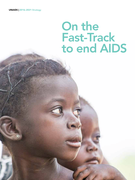
On the Fast-Track to end AIDS
UNAIDS
(2019)
C2
UNAIDS | 2016–2021 Strategy
Accessed: 20.11.2019

The report showed commitments made three decades ago to protect the rights of children remain unfulfilled for millions. Violence still affects countless children. Discrimination based on age, gender, disability, sexual orientation and religion harms children worldwide.
Key factors include a lack
...
of investment in critically important services. Most countries fall well short of spending the 5-6% of GDP needed to ensure universal coverage of essential health care. And foreign aid, which many lower income countries rely on, is falling short in areas such as health, education, protection and child care.
Another factor, the report said, is the lack of quality data. Governments tend to rely on data that reflects national averages, making it difficult to identify the needs of specific children and to monitor progress. Comprehensive data collection and disaggregation of data by gender, age, disability and locality, are increasingly important as rights violations disproportionately affect disadvantaged children.
more

Guidelines.
The guidelines set out essential actions that humanitarian actors must take in order to effectively identify and respond to the needs and rights of persons with disabilities who are most at risk of being left behind in humanitarian settings.
The recommended actions in each chapter pl
...
ace persons with disabilities at the centre of humanitarian action, both as actors and as members of affected populations. They are specific to persons with disabilities and to the context of humanitarian action and build on existing and more general standards and guidelines.
These are the first humanitarian guidelines to be developed with and by persons with disabilities and their representative organizations in association with traditional humanitarian stakeholders. Based on the outcomes of a comprehensive global and regional multi-stakeholder consultation process, they are designed to promote the implementation of quality humanitarian programmes in all contexts and across all regions, and to establish and increase both the inclusion of persons with disabilities and their meaningful participation in all decisions that concern them.
more
Guideline: Adherence to antiretroviral therapy in adolescents and young adults (expanded version)
L. Fairlie; L. Jankelowitz; H. Ronald; et al.
Southern African HIV Clinicians Society; Right to Care (Training Health Seriously)
(2017)
C2
Recommendations, resources and references
A publication of the Southern African HIV Clinicians Society

Since the end of 2018, there has been a significant upsurge in violence in Rakhine State after armed conflict broke out between the Arakan Army (AA) and the Myanmar Military. The violence escalated following attacks by the AA against military sites in January 2019 and subsequent counter-attacks by t
...
he Myanmar Military. The conflict has led to civilian casualties and the destruction of property that has spread to nine townships of Rakhine State (Buthidaung, Kyauktaw, Maungdaw, Minbya, Mrauk-U, Myebon, Pauktaw, Ponnagyun, Rathedaung) and Paletwa Township in neighboring Chin State. Ann and Kyaukphyu townships have been affected at certain points. The conflict has led to a significant displacement of people, some for extended amounts of time and some for short periods, with people fleeing violence subsequently returning to their homes within a few days or weeks. While fighting has occurred largely in rural areas and remote locations, key transport routes and urban and semi-urban areas have also been impacted. Tens of thousands of civilians living in villages have been caught in the middle of intense armed conflict.
more
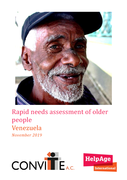
HelpAge International is a global network of organisations promoting the right of all older people to lead dignified, healthy and secure lives. Convite is a humanitarian, independent, nonprofit, non-governmental organisation that works to guarantee and promote social, economic and cultural rights ac
...
ross Venezuela and is a new member of the HelpAge Global Network. Convite provides direct support to older people, as well as assisting the National Committee of the Pensioned and Retired of Venezuela as part of the Latin American Democracy Network. One of the organisation’s main objectives is to the raise the profile of the crisis in the country internationally.
more

Objective: The study aimed to describe the current epidemiological, clinical and immunological profile of newly
detected HIV - positive patients in Northern Benin by 2016. Methods: It was a prospective study conducted from May 2 to
October 31, 2016 on three main sites of care of people living with
...
HIV (PLHIV) in the department of Borgou in Benin. All
new cases of HIV infection have been systematically and comprehensively recruited. Initial epidemiological, clinical and
immunological data were collected using a questionnaire. These data were entered and analyzed using the Epi Info 7 software.
Results: In total, 185 adults (68 male and 117 female) newly screened HIV positive were included in this study. The middle age
was 36.2 ± 10.9 years and the sex ratio was 0.6 One hundred and thirty-five patients (73%) were between 25 and 50 years old.
In terms of the profession, 132 patients (71.3%) were engaged in liberal activities (craftmen, traders and retailers). The
majority was schooled (113 or 61.1%) and resided in urban areas (146 or 79%). One hundred and sixteen patients lived in
couple (62.7%) with an average monthly income estimated at 70 US Dollars. Clinically, 123 patients (66.5%) were in WHO
stage III. The body mass index was over 18.5 kg/m2 in 124 patients (67%). The median number of TCD4 lymphocytes was
254.5 cells/ml and 25 patients (13.5%) had a number of CD4 over 500 cells/ml. HIV1 was really predominant (97.8%). Most
patients (152 or 82.2%) had been screened for clinical suspicion. Conclusion: HIV infection in Benin remains the prerogative
of young, female, educated and poor people. Screening is delayed and hence the need to develop innovative strategies for early
more

Progress in reducing tobacco use is a key indicator for measuring countries’ efforts to implement the WHO Framework Convention on Tobacco Control – target 3.a under the Sustainable Development Goals agenda. Countries have adopted this indicator to report progress also towards the tobacco reducti
...
on target under the Global Action Plan for the Prevention and Control of Noncommunicable Diseases 2013–2020 and the WHO’s Global Programme of Work triple billions target.
Fourth edition.
more

Strengthening the capacities of SUN Countries by sharing and disseminating good practices in the fight against malnutrition.
This report is a summary of the results of the preparation and implementation of the Learning Route (LR) organized jointly by the SUN (Scaling Up Nutrition) Movement’s S
...
ecretariat, the Fight Against Malnutrition Unit (CLM, Cellule de Lutte contre la Malnutrition) and PROCASUR Corporation; this Learning Route was held in Senegal from the 26th of May to the 1st of June, 2014. The aim of this publication is to illustrate the experience, its main outcomes, and the lessons learned.
more

Ramped-up cancer services could save 7 million lives over the next decade—and addressing huge service gaps between rich and poor countries is key to success, according to this report.
In 2019, over 90% of high-income countries reported that comprehensive cancer treatment services were available
...
through the public health system, compared to fewer than 15% of low-income countries, according to WHO.
But poorer countries can make substantial strides with a universal health coverage approach and use of the latest science to meet their particular needs.
The report lays out proven ways to prevent new cancer cases without breaking the bank, including tobacco-control measures and vaccines that protect against common cancers.
more

Accessed Febr. 6, 2020

Accessed Febr. 6, 2020

In 2016, Senegal made a minimal advancement in efforts to eliminate the worst forms of child labor. In June, the Government launched an initiative to remove tailbés from the street and prosecute marabouts that perpetrate crimes against their students; however, no marabouts were prosecuted during th
...
e reporting period. Children in Senegal perform dangerous tasks in gold mining. Children also engage in the worst forms of child labor, including in forced begging, sometimes as a result of human trafficking.
more

Public Health is the science field dedicated to promoting health and well-being, and preventing disease within the human population to ultimately increase the quality of our livelihood and life span. Public Health does not focus on individual patients or diseases, but rather a given population and
...
health system. The discipline is community-centered in its interventions and seeks to improve the health status of whole populations...
more

Senegal’s substantial and sustained progress against malaria is an inspiring public health success story, and a source of potential lessons for other countries on the path to elimination. This case study describes three major success factors—(1) outstanding leadership and partner engagement, (2)
...
the achievement and maintenance of high intervention coverage levels, and (3) a thriving data culture—and explores several exciting new opportunities to consolidate and expand upon Senegal’s two decades of impact.
more
