Filter
519
Text search:
teacher
attitudes
Featured
32
136
Language
Document type
387
58
24
20
10
10
5
3
2
Countries
41
20
18
17
16
15
14
14
13
12
12
10
9
8
8
8
7
7
6
6
6
5
5
4
4
4
4
3
3
3
3
3
3
3
3
2
2
2
2
2
2
2
1
1
1
1
1
1
1
1
1
1
1
1
1
1
1
1
1
1
1
1
1
1
Authors & Publishers
Publication Years
Category
230
29
22
20
18
12
1
Toolboxes
131
81
14
10
9
9
9
8
7
6
4
4
3
3
3
2
2
1
1
1
1
Knowledge based upon a descriptive literature review of applied research

CBR Advisory Working Group | Co-ordinator: Karen Heinicke-Motsch

Volume 2 - 2014


Bridging the Gap

Contact No 175 - October December 2001

…voices of persons with disabilities - Part 1

Guidelines for action
Kenya has great potential for enhancing education for individuals with intellectual disabilities. The fact that it has recognized the need to care for learners with special needs is commendable. In comparison to many African countries, Kenya and Nigeria are ahead in developing programs for special e
...
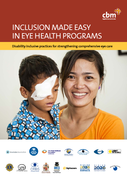
Disability inclusive practices for strengthening comprehensive eye care

02 - Series on Disability-Inclusive Development
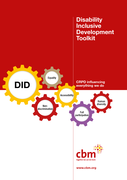
Disability-inclusive development policy and practice is constantly changing and evolving. It is a foundational part of our work in CBM, underpinning all that we do. It requires us to be constantly reflecting, learning and improving our practice. In particular looking to the deeper questions: of the
...
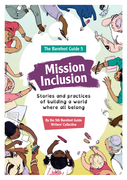
The Barefoot Guide 5: Mission Inclusion - Stories and practices of building a world where all belong
From 2011 until 2016, a multi-actor programme was run in five countries to improve the life chances and living conditions of people experiencing exclusion and marginalisation of various kinds. This programme worked with local leaders, organisations and movements as well as various institutions and a
...