
Filter
573
Text search:
MEASURE
Evaluation
Tanzania
Featured
59
157
Language
Document type
330
111
67
27
21
11
6
Countries
57
36
29
22
22
16
15
13
8
7
7
7
7
6
6
6
6
6
5
4
4
4
3
3
3
3
3
2
2
2
2
1
1
1
1
1
1
1
1
1
1
1
1
1
1
1
1
1
Authors & Publishers
Publication Years
Category
201
56
56
54
38
18
10
Toolboxes
39
33
33
32
22
22
18
16
15
13
12
9
7
7
7
6
5
4
4
4
3
3
2
2
1
This implementation brief addresses integration of HIV testing services into family planning (FP) services. It is intended as a practical resource for national health programmes seeking to introduce or scale up HIV testing and linkage to HIV prevention, sexually transmitted infection, and antiretrov
...
Le présent document a été publié pour la première fois en 2006 (Lewis et de Bernis, 2006). Il est vraiment remarquable de le lire aujourd’hui1 et de constater à quel point la situation de la fistule a changé. En 2006, ce travail original et novateur a mis en évidence la fistule obstétrica
...
Developing protocols for use with refugees
and internally displaced persons

Biology, Diagnosis and Treatment, Epidemiology and Prevention
WHO practical guidelines. 2nd edition
Undernutrition increases the risk of tuberculosis (TB) and in turn TB can lead to malnutrition. Undernutrition is therefore highly prevalent among people with TB. It has been demonstrated that undernutrition is a risk factor for progression from TB infection to active TB disease and that undernutrit
...

Integrated Management of pregnancy and childbirth
The integrated Global Action Plan for Pneumonia and Diarrhoea (GAPPD)
A global Review of evidence and practice

Mainstreaming Gender in Water and Sanitation

Guidelines for training personnel in developing countries for prosthetics and orthotics services
recommended
1.Orthopedics - education 2.Prostheses and implants - utilization 3. Orthotic devices - utilization 4.Developing countries 5.Guidelines 6.Teaching materials I.World Health Organization II.International Society for Prosthetics and Orthotics
The occurrence of a high percentage of couterfeit medicines on the global medicines market is often attributed to a lack of effective regulation and a weak enforcement capacity. This review, while focusing on counterfeit medicines and medical devices in developing countries, will present information
...

With this World Health Day, WHO is drawing attention to a group of diseases that are spread by insects and other vectors, the heavy health and economic burdens they impose, and what needs to be done to reduce these burdens. Many of these diseases have been historically confined to distinct geographi
...
Global and regional estimates of violence against women
he report presents the first global systematic review of scientific data on the prevalence of two forms of violence against women: violence by an intimate partner (intimate partner violence) and sexual violence by someone other than a partner
...
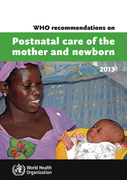
The guidelines address timing, number and place of postnatal contacts, and content of postnatal care for all mothers and babies during the six weeks after birth. The primary audience for these guidelines is health professionals who are responsible for providing postnatal care to women and newborns,
...
