Filter
1141
Text search:
sante
publique
Featured
95
285
Language
Document type
500
184
178
82
60
44
24
19
16
13
12
6
1
1
Countries / Regions
131
98
86
67
64
56
35
28
25
24
21
16
13
12
12
12
12
8
7
6
6
4
4
4
3
3
3
3
3
2
2
2
2
2
2
2
2
2
2
1
1
1
1
1
1
1
1
1
1
1
1
1
1
1
1
1
1
1
1
1
Authors & Publishers
Publication Years
Category
576
105
78
59
59
47
20
Toolboxes
133
64
56
46
41
34
26
25
24
24
23
22
17
15
11
11
10
8
7
7
6
5
4
2

Le monde fait face aux conséquences graves du manque de services et de traitements de santé mentale disponibles. Les troubles mentaux touchent tous les pays, toutes les cultures et toutes les collectivités. Selon l’Organisation mondiale de la
...
La promotion de la santé et la prévention des maladies nécessitent une action multisectorielle qui renforce les environnements favorables à la santé et oriente les comportements. Au niveau des
...
En 2006, la session extraordinaire des ministres de la Santé de l’Union africaine a adopté le Plan d’action de Maputo pour la mise en œuvre du cadre politique continental sur la santé et les
...
La question des effets du changement climatique sur les hommes et les femmes a été définie par la Commission de la condition de la femme comme une de celles qui doivent davantage retenir l’attention. Les normes, rôles et relations relatifs au genre (voir l’Encadré 1) sont d’importants fac
...
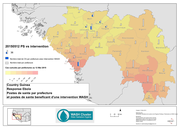

La réalisation, par le Ministère de la Santé avec l’appui de l’OMS, de la cartographie des systèmes d’approvisionnement et de distribution des médicaments et autres produits de santé en
...




Dans le document il n'y a pas d'année de publication.

12 décembre 2017

Introduction
Chapitre A.6
Edition en français Traduction : Cristina Constantin Sous la direction de : Priscille Gérardin Avec le soutien de la SFPEADA

Mémoire pour le Diplôme inter-universitaire Santé mentale dans la communauté»

La situation de la santé de reproduction continue de faire l’objet de grandes préoccupations à
l’échelle mondiale surtout dans les pays en développement. En Afrique, par exemple, 45%
des femmes pratiquant un avortement décèdent. De mêm
...
L’objectif de la Politique de santé communautaire est de contribuer à la réduction de la morbidité, de la mortalité et des handicaps, avec la pleine participation des communautés.

Le constat est accablant : toutes les 90 secondes une femme meurt suite à des complications qui interviennent durant la grossesse, l’accouchement ou les six semaines suivant celui-ci. 90% de ces décès ont lieu dans les pays en développement. La mortalité maternelle est parmi les problèmes de
...
Accessed on 09.03.2020
Le but de ce guide d’animation est de soutenir les organisations de défense des droits de l’enfant dans leur travail sur les programmes de santé sensibles au genre. Les séances de formation sont conçues pour facilit
...