
Filter
463
Text search:
PRIME
South
Africa
Featured
Recommendations
29
New Publications
126
Language
Document type
No document type
280
Studies & Reports
107
Guidelines
30
Manuals
17
Strategic & Response Plan
16
Fact sheets
5
Situation Updates
3
Training Material
2
Infographics
2
Resource Platforms
1
Countries / Regions
Ethiopia
27
Uganda
24
Global
24
South Africa
16
Namibia
15
Lesotho
13
Tanzania
12
Malawi
10
Eswatini/ Swaziland
10
India
9
Kenya
9
Rwanda
9
Ghana
8
Africa
8
Nigeria
7
Nepal
7
Liberia
6
Congo, Democratic Republic of
6
Cameroon
6
South Sudan
6
Zambia
5
Bangladesh
5
Mozambique
5
Madagascar
5
Yemen
5
Sierra Leone
4
Somalia
4
Syria
4
Asia
4
Eastern Europe
4
Senegal
3
Zimbabwe
3
Central African Republic
3
Myanmar / Burma
3
West and Central Africa
3
Venezuela
3
Russia
3
Burkina Faso
2
Lebanon
2
Cambodia
2
Thailand
2
China
2
Indonesia
2
Sudan
2
Ukraine
2
Botswana
2
Mexico
2
Western and Central Europe
2
Italy
2
Southern Africa
2
Guinea
1
Guinea-Bissau
1
Haiti
1
Philippines
1
Pakistan
1
Jordan
1
Afghanistan
1
Germany
1
Chad
1
Papua New Guinea
1
Brazil
1
Burundi
1
Colombia
1
Libya
1
Angola
1
Sri Lanka
1
East and Southern Africa
1
Middle East and North Africa
1
South–East Asia Region
1
Eastern Europe and Central Asia
1
Palestine
1
Iran
1
Vietnam
1
Japan
1
Mauritius
1
Authors & Publishers
Publication Years
Category
Countries
184
Clinical Guidelines
23
Key Resources
23
Public Health
18
Women & Child Health
16
Capacity Building
4
Pharmacy & Technologies
1
Toolboxes
Mental Health
41
COVID-19
41
HIV
38
Disability
20
Conflict
20
Planetary Health
19
TB
17
Health Financing Toolbox
17
Global Health Education
12
Ebola & Marburg
11
AMR
11
Rapid Response
10
Refugee
9
Natural Hazards
8
Caregiver
8
Malaria
6
Polio
5
NTDs
5
Cholera
4
Specific Hazards
4
Social Ethics
4
Pharmacy
3
NCDs
2
2.0 Rapid Response
2
Typhoon
1

mhGAP is based on evidence-based technical guidelines (4) and provides a set of tools and
training packages to extend service provision. The mhGAP Intervention Guide (mhGAP-IG)
for MNS disorders in non-specialized health settings (8) is a clinical decision-making tool
for assessing and managing p
...
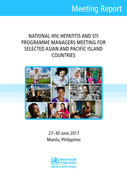
Meeting Report
27–30 June 2017 Manila, Philippines
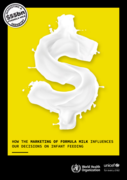
This report - the largest of its kind to date - draws on the experiences of over 8,500 women and 300 health professionals across eight countries. It exposes the aggressive marketing practices used by the formula milk industry, and highlights impacts on families’ decisions about how to feed their b
...

The infectious disease burden in India is among the highest in the world. A large amount of antibiot-ics are consumed in fighting infections, some of them saving lives, but every use adding to antibiotic resistance in bacteria. Antibiotic use is increasing steadily (table 1), particularly
...

This Toolkit aims to support the understanding and implementation of integrated mental health programs in humanitarian settings. It provides a framework for essential steps and components, with associated key guidance and resources, that strengthen the integration process, and is primarily intended
...
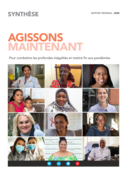
Objectifs 2020 : des avancées disparates. Le rapport de l’ONUSIDA sur l’épidémie mondiale de sida fait état d’un échec accentué par la COVID-19. Depuis 2015, 3,5 millions d’infections au VIH et 820 000 morts supplémentaires liés au sida sont imputables à des objectifs non atteints.
...

Цель этого документа – повысить уровень осознания актуальности приоритетных направлений научных исследований по проблеме ТБ/ВИЧ (то есть по тем направлениям, кот
...
Learnings from the COVID-19 evidence response and recommendations for the future.
Reflections and recommendations from the evidence synthesis community.

UNAIDS / 2016
This report describes findings from a telephone survey with 1,316 people conducted in February 2021. The survey examined how people respond to public health and social measures (PHSMs) to prevent COVID-19. The sample is representative of households with access to a landline or cell phone, but does n
...
2020 is a critical year for our Joint Programme as we collectively define the path to getting back on track to ending the AIDS epidemic by 2030. Our revised timelines for adoption of the next strategy are highly ambitious. We need the full support of all the tremendously dedicated people in UNAIDS-w
...
Research
BMJ 2014;349:g4643 doi: 10.1136/bmj.g4643 (Published 5 August 2014), 1-11
Men are less likely than women to seek help for mental health issues and are much more likely to commit suicide. This scoping review examined recent evidence published in English and Russian on the role of socially constructed masculinity norms in men’s help-seeking behaviour for mental health iss
...
The Sphere standards in national humanitarian response discussion paper sets out to understand and describe opportunities for adapting international humanitarian standards to a regional, national or local level in preparing for, or responding to a disaster. The paper, which includes case studies and
...

In 2016, the risk of premature mortality1 from noncommunicable diseases (NCDs) in Ethiopia was 18.3%. The economic costs of NCDs are significant and are due principally to their impact on the non-health sector (reduced workforce and productivity). In this study, it is estimated that NCDs cost Ethiop
...

TB in India 2017
recommended
Revised National TB Control Programme. Annual Status Report
