Filter
527
Text search:
NHS
Featured
43
58
Language
Document type
179
122
105
55
23
13
11
5
5
4
3
1
1
Countries / Regions
22
20
13
13
11
11
10
9
9
8
7
7
7
6
6
5
5
4
3
3
3
3
3
3
2
2
2
2
2
2
2
2
2
2
1
1
1
1
1
1
1
1
1
1
1
1
1
1
1
1
1
1
1
1
1
1
1
1
1
1
1
1
1
Authors & Publishers
Publication Years
Category
109
61
39
25
10
3
3
Toolboxes
114
71
39
27
23
22
20
16
15
13
13
12
8
7
7
6
5
5
2
2
1
Stand 2.10.2020

Impact of non-pharmaceutical interventions (NPIs) to reduce COVID-19 mortality and healthcare demand
recommended
The global impact of COVID-19 has been profound, and the public health threat it represents is the most serious seen in a respiratory virus since the 1918 H1N1 influenza pandemic. Here we present the results of epidemiological modelling which has informed policymaking in the UK and other countries i
...

Improving the quality of hospital antibiotic use is a major goal of WHO’s global action plan to combat antimicrobial resistance. The WHO Essential Medicines List Access, Watch, and Reserve (AWaRe) classification could facilitate simple stewardship interventions that are widely applicable globally.
...

The Global Antibiotic Resistance Partnership (GARP)-Mozambique team, in partnership with the Center for Disease Dynamics, Economics & Policy (CDDEP), has produced this report as part of a solid com-mitment to develop actionable policy proposals to tackle antibiotic resistance and improve appropriate
...

Last update: 2 April 2020
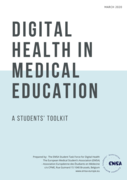
A Students' Toolkit.
How does the digital transformation of health care change the daily routine of a healthcare professional? Which knowledge and skills will healthcare professionals need? Are universities in Europe preparing their students well enough to work within a digitised health system?
Th
...
Primary care can play a significant role in the COVID-19 response by differentiating patients with respiratory symptoms from those with COVID-19, making an early diagnosis, helping vulnerable people cope with their anxiety about the virus, and reducing the demand for hospital services. This document
...
Tercera versión, 1 de febrero del 2022. Estas orientaciones tienen por objetivo contribuir a que los sistemas de salud prioricen los medicamentos esenciales que deben estar disponibles y ser asequibles para manejar los pacientes en las unidades de cuidado intensivos durante las emergencias de salud
...

BMJ Global Health2020;5:e002786. doi:10.1136/bmjgh-2020-002786

Religion, belief and culture should be recognized as potential sources of moral purpose and personal strength in healthcare, enhancing the welfare of both clinicians and patients.
Ethics and communication skills| Volume 44, ISSUE 10, P589-592, October 01, 2016

Updated 10 August 2020
This document presents an essential medicines list (EML) to manage patients in intensive care units (ICUs) with suspected or confirmed COVID-19 diagnosis, which includes active ingredients with dosage form and concentration, and are preferably in the WHO Model Lists of Essent
...

This guidance is targeted to primary health care policy-makers and only addresses issues relevant for primary health care providers. It has been prepared on the basis of a systematic review of the best available evidence and emergent country practices in response to the COVID-19 outbreak in the WHO
...
HTS Teologiese Studies/Theological Studies ISSN: (Online) 2072-8050, (Print) 0259-9422

This s a systematic review of English language literature from 2000 to 2010 covering spiritual care in end of life care settings which includes spiritual assessment tools and ongoing intervention models.
The primary audience of these recommendations includes healthcare providers who are responsible for developing national and local health protocols (particularly those related to hypertensive disorders of pregnancy), and those directly providing care to pregnant women and their newborns, including mi
...