
Filter
7737
Filtered Results: 7737
Text search:
financing
for
development
Featured
Recommendations
560
New Publications
2187
Language
Document type
No document type
4424
Studies & Reports
1502
Guidelines
747
Strategic & Response Plan
367
Manuals
362
Training Material
114
Fact sheets
112
Situation Updates
65
Resource Platforms
15
Brochures
13
Infographics
13
Online Courses
2
App
1
Countries / Regions
Global
423
India
286
Kenya
257
Ethiopia
189
Nepal
174
Uganda
161
Nigeria
160
Sierra Leone
159
Myanmar / Burma
149
Liberia
145
South Africa
137
Rwanda
126
Western and Central Europe
125
Malawi
120
Bangladesh
113
Africa
112
Zambia
112
Ghana
111
Tanzania
108
Namibia
96
Latin America and the Carribbean
95
Syria
91
Ukraine
84
Congo, Democratic Republic of
82
Lesotho
59
Cambodia
56
Philippines
55
South–East Asia Region
52
South Sudan
50
Senegal
49
Zimbabwe
49
Eastern Europe
49
Guinea
47
Asia
47
Mozambique
46
Haiti
46
Indonesia
44
Burkina Faso
39
East and Southern Africa
36
Cameroon
33
Botswana
32
Afghanistan
31
West and Central Africa
31
Benin
30
Venezuela
29
Yemen
29
Pakistan
26
Middle East and North Africa
25
Central African Republic
24
Germany
23
Eastern Europe and Central Asia
23
Eswatini/ Swaziland
23
Jordan
21
Lebanon
21
Vietnam
18
Brazil
18
Sudan
18
Somalia
18
Colombia
17
Thailand
17
Mali
17
China
15
Western Pacific Region
15
Russia
14
Albania
13
Moldova
13
Iraq
13
Tajikistan
12
Laos
12
Peru
11
Togo
10
Paraguay
10
Sri Lanka
10
Libya
10
Madagascar
10
Turkey
9
Niger
9
Côte d’Ivoire / Ivory Coast
9
Iran
8
USA
8
Palestine
8
Gambia
7
Chile
7
Timor Leste/ East Timor
6
Burundi
6
Papua New Guinea
6
Georgia
6
Chad
6
Ecuador
6
North Macedonia
5
Kyrgyzstan
5
North America
5
United Kingdom
5
Southern Africa
5
Egypt
5
Poland
5
Uzbekistan
4
Hungary
4
Turkmenistan
4
Jamaica
4
Tunisia
4
Bolivia
4
Argentina
4
Romania
4
Bhutan
4
El Salvador
3
Serbia
3
Fiji
3
Singapore
3
Armenia
3
Guinea-Bissau
3
Croatia
3
Japan
3
Mauritius
3
Honduras
3
Angola
3
Guatemala
3
Switzerland
2
Mexico
2
Kazakhstan
2
Estonia
2
Malaysia
2
Mongolia
2
Qatar
2
Bulgaria
2
Mauritania
2
Lithuania
2
Saudi Arabia
2
Portugal
2
Spain
2
Algeria
2
Azerbaijan
2
Belarus
2
Bosnia and Herzegovina
2
Djibouti
2
Slovakia
2
North Korea
1
Canada
1
Vanuatu
1
Morocco
1
Italy
1
Dominican Republic
1
Ireland
1
Denmark
1
France
1
Maldives
1
Israel
1
Barbados
1
Belize
1
Costa Rica
1
Panama
1
Nicaragua
1
Greece
1
Authors & Publishers
Publication Years
Category
Countries
3095
Key Resources
504
Public Health
430
Clinical Guidelines
401
Women & Child Health
390
Capacity Building
135
Pharmacy & Technologies
53
Annual Report MEDBOX
2
Toolboxes
HIV
536
Mental Health
527
COVID-19
446
Disability
381
TB
369
Planetary Health
320
Conflict
236
Health Financing Toolbox
235
AMR
199
Ebola & Marburg
197
Caregiver
192
Global Health Education
166
Refugee
152
NTDs
149
Pharmacy
113
NCDs
111
Rapid Response
110
Natural Hazards
109
Malaria
86
2.0 Rapid Response
74
Social Ethics
44
Polio
38
Specific Hazards
30
Cholera
29
Zika
21
Typhoon
5
South Sudan
2
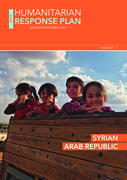
The 2019 Humanitarian Response Plan (HRP) sets out the framework within which the humanitarian community will respond to the large-scale humanitarian and protection needs in Syria throughout 2019, on the basis of the prioritization undertaken across and within sectors. The HRP, based on United Natio...

Clinical Guideline
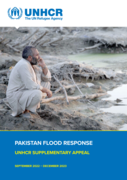
Pakistan, one of the countries that is most vulnerable to climate change, received more than three times its usual rainfall in August 2022. Torrential rains and flash-flooding began in early July 2022, severely damaging living areas, schools and other communal buildings in refugee villages and host ...

The humanitarian crisis in Yemen remains the worst in the world. Nearly four years of conflict and severe economic decline are driving the country to the brink of famine and exacerbating needs in all sectors. An estimated 80 per cent of the population – 24 million people – require some form of h...

Conclusion: CBR has improved the quality of life, access to medical services, functional independence, autonomy, community inclusion, and empowerment of people with disabilities in LMICs in the Asia-Pacific region. However, challenges in the implementation of CBR remain. These include lack of awaren...


16-17 November 2017,
Hotel Djeugua, Yaoundé, Cameroon
Meeting Report December 2017
A Students' Toolkit.
How does the digital transformation of health care change the daily routine of a healthcare professional? Which knowledge and skills will healthcare professionals need? Are universities in Europe preparing their students well enough to work within a digitised health system?
Th...


It provides insight into WHO’s work that aims to improve the health of the people of the United Republic of Tanzania in collaboration with key stakeholders.


WHO-OHCHR launch new guidance to improve laws addressing human rights abuses in mental health care
Ahead of World Mental Health Day, the World Health Organization (WHO) and the Office of the High Commissioner on Human Rights (OHCHR) are jointly launching a new guidance, entitled "Mental health, h...
The Global Campaign Against Epilepsy “Out of the Shadows”
