
Filter
3380
Text search:
better
child
protection
Featured
341
1057
Language
3292
84
70
55
35
26
23
17
8
8
7
6
6
6
5
5
4
4
4
4
4
4
4
3
3
3
3
3
3
3
3
3
3
3
3
3
2
2
2
2
2
2
2
2
2
2
2
2
2
2
2
2
2
1
1
1
1
1
1
1
1
1
1
1
1
Document type
1965
581
345
193
141
78
28
28
10
8
2
Countries
156
150
91
83
83
82
80
75
71
68
66
64
63
62
53
51
50
43
42
41
40
39
37
35
32
32
29
27
27
25
22
20
20
19
18
18
18
18
16
16
16
15
15
14
14
13
12
11
10
10
10
10
9
9
9
9
8
8
8
8
7
7
7
7
6
6
5
5
5
5
5
4
4
4
4
3
3
3
3
3
3
3
3
3
2
2
2
2
2
2
2
2
2
2
2
2
2
2
2
2
2
2
2
1
1
1
1
1
1
1
1
1
1
1
1
1
1
1
1
1
1
1
1
1
1
1
1
1
1
Authors & Publishers
371
117
114
88
74
72
66
47
41
34
33
26
24
23
21
20
18
17
17
17
16
15
15
14
14
14
14
13
12
12
12
11
11
11
11
11
11
11
10
10
10
10
10
10
10
9
9
9
9
9
9
9
9
9
8
8
8
8
8
8
8
8
8
8
8
8
7
7
7
7
7
7
7
6
6
6
6
6
6
6
6
6
6
6
6
6
6
6
6
6
6
5
5
5
5
5
5
5
5
5
5
5
5
5
5
5
5
5
5
5
5
5
5
4
4
4
4
4
4
4
4
4
4
4
4
4
4
4
4
4
4
4
4
4
4
4
4
4
4
4
4
4
4
4
4
4
4
4
3
3
3
3
3
3
3
3
3
3
3
3
3
3
3
3
3
3
3
3
3
3
3
3
3
3
3
3
3
3
3
3
3
3
3
3
3
3
3
3
3
3
3
3
3
3
3
3
3
3
3
3
3
3
3
3
3
3
3
3
3
3
3
3
3
3
3
3
3
3
3
3
3
3
3
3
3
3
3
3
3
3
3
3
3
3
3
3
2
2
2
2
2
2
2
2
2
2
2
2
2
2
2
2
2
2
2
2
2
2
2
2
2
2
2
2
2
2
2
2
2
2
2
2
2
2
2
2
2
2
2
2
2
2
2
2
2
2
2
2
2
2
2
2
2
2
2
2
2
2
2
2
2
2
2
2
2
2
2
2
2
2
2
2
2
2
2
2
2
2
2
2
2
2
2
2
2
2
2
2
2
2
2
2
2
2
2
2
2
2
2
2
2
2
2
2
2
2
2
2
2
2
2
2
2
2
2
2
2
2
2
2
2
2
2
2
2
2
2
2
2
2
2
2
2
2
2
2
2
2
2
2
2
2
2
2
2
2
2
2
2
2
2
2
2
2
2
2
2
2
2
2
2
2
2
2
2
2
2
2
2
2
2
2
2
2
2
2
2
2
2
2
2
2
2
2
1
1
1
1
1
1
1
1
1
1
1
1
1
1
1
1
1
1
1
1
1
1
1
1
1
1
1
1
1
1
1
1
1
1
1
1
1
1
1
1
1
1
1
1
1
1
1
1
1
1
1
1
1
1
1
1
1
1
1
1
1
1
1
1
1
1
1
1
1
1
1
1
1
1
1
1
1
1
1
1
1
1
1
1
1
1
1
1
1
1
1
1
1
1
1
1
1
1
1
1
1
1
1
1
1
1
1
1
1
1
1
1
1
1
1
1
1
1
1
1
1
1
1
1
1
1
1
1
1
1
1
1
1
1
1
1
1
1
1
1
1
1
1
1
1
1
1
1
1
1
1
1
1
1
1
1
1
1
1
1
1
1
1
1
1
1
1
1
1
1
1
1
1
1
1
1
1
1
1
1
1
1
1
1
1
1
1
1
1
1
1
1
1
1
1
1
1
1
1
1
1
1
1
1
1
1
1
1
1
1
1
1
1
1
1
1
1
1
1
1
1
1
1
1
1
1
1
1
1
1
1
1
1
1
1
1
1
1
1
1
1
1
1
1
1
1
1
1
1
1
1
1
1
1
1
1
1
1
1
1
1
1
1
1
1
1
1
1
1
1
1
1
1
1
1
1
1
1
1
1
1
1
1
1
1
1
1
1
1
1
1
1
1
1
1
1
1
1
1
1
1
1
1
1
1
1
1
1
1
1
1
1
1
1
1
1
1
1
1
1
1
1
1
1
1
1
1
1
1
1
1
1
1
1
1
1
1
1
1
1
1
1
1
1
1
1
1
1
1
1
1
1
1
1
1
1
1
1
1
1
1
1
1
1
1
1
1
1
1
1
1
1
1
1
1
1
1
1
1
1
1
1
1
1
1
1
1
1
1
1
1
1
1
1
1
1
1
1
1
1
1
1
1
1
1
1
1
1
1
1
1
1
1
1
1
1
1
1
1
1
1
1
1
1
1
1
1
1
1
1
1
1
1
1
1
1
1
1
1
1
1
1
1
1
1
1
1
1
1
1
1
1
1
1
1
1
1
1
1
1
1
1
1
1
1
1
1
1
1
1
1
1
1
1
1
1
1
1
1
1
1
1
1
1
1
1
1
1
1
1
1
1
1
1
1
1
1
1
1
1
1
1
1
1
1
1
1
1
1
1
1
1
1
1
1
1
1
1
1
1
1
1
1
1
1
1
1
1
1
1
1
1
1
1
1
1
1
1
1
1
1
1
1
1
1
1
1
1
1
1
1
1
1
1
1
1
1
1
1
1
1
1
1
1
1
1
1
1
1
1
1
1
1
1
1
1
1
1
1
1
1
1
1
1
1
1
1
1
1
1
1
1
1
1
1
1
1
1
1
1
1
1
1
1
1
1
1
1
1
1
1
1
1
1
1
1
1
1
1
1
1
1
1
1
1
1
1
1
1
1
1
1
1
1
1
1
1
1
1
1
1
1
1
1
1
1
1
1
1
1
1
1
1
1
1
1
1
1
1
1
1
1
1
1
1
1
1
1
1
1
1
1
1
1
1
1
1
1
1
1
1
1
1
1
1
1
1
1
1
1
1
1
1
1
1
1
1
1
1
1
1
1
1
1
1
1
1
1
1
1
1
1
1
1
1
1
1
1
1
1
1
1
1
1
1
1
1
1
1
1
1
1
1
1
1
1
1
1
1
1
1
1
1
1
1
1
1
1
1
1
1
1
1
1
1
1
1
1
1
1
1
1
1
1
1
1
1
1
1
1
1
1
1
1
1
1
1
1
1
1
1
1
1
1
1
1
1
1
1
1
1
1
1
1
1
1
1
1
1
1
1
1
1
1
1
1
1
1
1
1
1
1
1
1
1
1
1
1
1
1
1
1
1
1
1
1
1
1
1
1
1
1
1
1
1
1
1
1
1
1
1
1
1
1
1
1
1
1
1
1
1
1
1
1
1
1
1
1
1
1
1
1
1
1
1
1
1
1
1
1
1
1
1
1
1
1
1
1
1
1
1
1
1
1
1
1
1
1
1
1
1
1
1
1
1
1
1
1
1
1
1
1
1
1
1
1
1
1
1
1
1
1
1
1
1
1
1
1
1
1
1
1
1
1
1
1
1
1
1
1
1
1
1
1
1
1
1
1
1
1
1
1
1
1
1
1
1
1
1
1
1
1
1
1
1
1
1
1
1
1
1
1
1
1
1
1
1
1
1
1
1
1
1
1
1
1
1
1
1
1
1
1
1
1
1
1
1
1
1
1
1
1
1
1
1
1
1
1
1
1
1
1
1
1
1
1
1
1
1
1
1
1
1
1
1
1
1
1
1
1
1
1
1
1
1
1
1
1
1
1
1
1
1
1
1
1
1
1
1
1
1
1
1
1
1
1
1
1
1
1
1
1
1
1
1
1
1
1
1
1
1
1
1
1
1
1
1
1
1
1
1
1
1
1
1
1
1
1
1
1
1
1
1
1
1
1
1
1
1
1
1
1
1
1
1
1
1
1
1
1
1
1
1
1
1
1
1
1
1
1
1
1
1
1
1
1
1
1
1
1
1
1
1
1
1
1
1
1
1
1
1
1
1
1
1
1
1
1
1
1
1
1
1
1
1
1
1
1
1
1
1
1
1
1
1
1
1
1
1
1
1
1
1
1
1
1
1
1
1
1
1
1
1
1
1
1
1
1
1
1
1
1
1
1
1
1
1
1
1
1
1
1
1
1
1
1
1
1
1
1
1
1
1
1
1
1
1
1
1
1
1
1
1
1
1
1
1
1
1
1
1
1
1
1
1
1
1
1
1
1
1
1
1
1
1
1
1
1
1
1
1
1
1
1
1
1
1
1
1
1
1
1
1
1
1
1
1
1
1
1
1
1
1
1
1
1
1
1
1
1
1
1
1
1
1
1
1
1
1
1
1
1
1
1
1
1
1
1
1
1
1
1
1
1
1
1
1
1
1
1
1
1
1
1
1
1
1
1
1
1
1
1
1
1
1
1
1
1
1
1
1
1
1
1
1
1
1
1
1
1
1
1
1
1
1
1
1
1
1
1
1
1
1
1
1
1
1
1
1
1
1
1
1
1
1
1
1
1
1
1
1
1
1
1
1
1
1
1
1
1
1
1
1
1
1
1
1
1
1
1
1
1
1
1
1
1
1
1
1
1
1
1
1
1
1
1
1
1
1
1
1
1
1
1
1
1
1
1
1
1
1
1
1
1
1
1
1
1
1
1
1
1
1
1
1
1
1
1
1
1
1
1
1
1
1
1
1
1
1
1
1
1
1
1
1
1
1
1
1
1
1
1
1
1
1
1
1
1
1
1
1
1
1
1
1
1
1
1
1
1
1
1
1
1
1
1
1
1
1
1
1
1
1
1
1
1
1
1
1
1
1
1
1
1
1
1
1
1
1
1
1
1
1
1
1
1
1
1
1
1
1
1
1
1
1
1
1
1
1
1
1
1
1
1
1
1
1
1
1
1
1
1
1
1
1
1
1
1
1
1
1
1
1
1
1
1
1
1
1
1
1
1
1
1
1
1
1
1
1
1
1
1
1
1
1
1
1
1
1
1
1
1
1
1
1
1
1
1
1
1
1
1
1
1
1
1
1
1
1
1
1
1
1
1
1
1
1
1
1
1
1
1
1
1
1
1
1
1
1
1
1
1
1
1
1
1
1
1
1
1
1
1
1
1
1
1
1
1
1
1
1
1
1
1
1
1
1
1
1
1
1
1
1
1
1
1
1
1
1
1
1
1
1
1
1
1
1
1
1
1
1
1
1
1
1
1
1
1
1
1
1
1
1
1
1
1
1
1
1
1
1
1
1
1
1
1
1
1
1
1
1
1
1
1
1
1
1
1
1
1
1
1
1
1
1
1
1
1
1
1
1
1
1
1
1
1
1
1
1
1
1
1
1
1
1
1
1
1
1
1
1
1
1
1
1
1
1
1
1
1
1
1
1
1
1
1
1
1
1
1
1
1
1
1
1
1
1
1
1
1
1
1
1
1
1
1
1
1
1
1
1
1
1
1
1
1
1
1
1
1
1
1
1
1
1
1
1
1
1
1
1
1
1
1
1
1
1
1
1
1
1
1
1
1
1
1
1
1
1
1
1
1
1
1
1
1
1
1
1
1
1
1
1
1
1
1
1
1
1
1
1
1
1
1
1
1
1
1
1
1
1
1
1
1
1
1
1
1
1
1
1
1
1
1
1
1
1
1
1
1
1
1
1
1
1
1
1
1
1
1
1
1
1
1
1
1
1
1
1
1
1
1
1
1
1
1
1
1
1
1
1
1
1
1
1
1
1
1
1
1
1
1
1
1
1
1
1
1
1
1
1
1
1
1
1
1
1
1
1
1
1
1
1
1
1
1
1
1
1
1
1
1
1
1
1
1
1
1
1
1
1
1
1
1
1
1
1
1
1
1
1
1
1
1
1
1
1
1
1
1
1
1
1
1
1
1
1
1
1
1
1
1
1
1
1
1
1
1
1
1
1
1
1
1
1
1
1
1
1
1
1
1
1
1
1
1
1
1
1
1
1
1
1
1
1
1
1
1
1
1
1
1
1
1
1
1
1
1
1
1
1
1
1
1
1
1
1
1
1
1
1
1
1
1
1
1
1
1
1
1
1
1
1
1
1
1
1
1
1
1
1
1
1
1
1
1
1
1
1
1
1
1
1
1
1
1
1
1
1
1
1
1
1
1
1
1
1
1
1
1
1
1
1
1
1
1
1
1
1
1
1
1
1
1
1
1
1
1
1
1
1
1
1
1
1
1
1
1
1
1
1
1
1
1
1
1
1
1
1
1
1
1
1
1
1
1
1
1
1
1
1
1
1
1
1
1
1
1
1
1
1
1
1
1
1
1
1
1
1
1
1
1
1
1
1
1
1
1
1
1
1
1
1
1
1
1
1
1
1
1
1
1
1
1
1
1
1
1
1
1
1
1
1
1
1
1
1
1
1
1
1
1
1
1
1
1
1
1
1
1
1
1
1
1
1
1
1
1
1
1
1
1
1
1
1
1
1
1
1
1
1
1
1
1
1
1
Publication Years
950
2096
316
16
2
Category
1369
272
252
182
171
82
15
3
Toolboxes
301
238
231
177
134
122
115
107
82
79
76
62
44
37
34
31
29
28
26
23
20
17
13
12
11
2
1

This guide presents a basis for understanding how diarrhoeal diseases are currently influenced by climate and weather, and may be further exacerbated by climate change. It is a technical guide on how to conduct a Vulnerability & Adaptation assessment for diarrhoeal diseases and climate change, and p
...
rovides guidance on how to:
identify populations and regions vulnerable to diarrhoeal diseases and the reasons for their vulnerability;
establish relevant baselines that can be analysed and monitored;
conduct analyses to project how diarrhoeal diseases may be impacted in the future due to climate change; and
identify appropriate responses to mitigate and monitor these risks over time.
more

Climate change is one of the most urgent challenges for people and ecosystems worldwide. The recently published sixth Assessment Report (AR6) of the Intergovernmental Panel on Climate Change (IPCC) stresses the occurrence of widespread adverse impacts of climate change. Increased frequency and inten
...
sity of extreme weather events, as well as slow-onset processes cause enormous losses and damages to human and natural systems. Marginalized groups and people in vulnerable situations are often disproportionally affected. While the impacts of climate change already become more tangible and threatening, action for addressing them remains insufficient. Adaptation to climate change is, thus, becoming a necessity for governments, companies, and private citizens.
To provide practical and scientifically sound guidance on how to conduct vulnerability assessments, GIZ published its Vulnerability Sourcebook in 2014. The Vulnerability Sourcebook was used in over twenty different GIZ partner countries and provides a step-by-step guidance for designing and implementing a vulnerability assessment. It is also one of the methodological foundations for the ISO 14091:2021 standard on vulnerability, impacts and risk assessment for climate change adaptation.
more
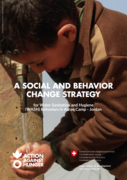
Azraq refugee camp located in Zarqa governorate was established in April 2014. As of June 2023, the camp continues to hosts 40,600 Syrian refugees, with 61% of the population children, and 25% of all households female-headed (UNHCR, 2023).
The water supply system in Azraq has been operational sin
...
ce 2017 across the four villages of the camp and consists of 300 tap stands, two boreholes and two storage locations (each with 16 T-95 steel tanks).
Based on data from UNICEF (2022), the community is provided on average 2100 cubic meters of safe, treated water a day, which is distributed across the camp via a gravity flow system. A distribution schedule is in place, with water pumped during two shift times each day in the morning and evening. Monthly data reported through ActivityInfo (2023) shows a range 53.5-76.3 million liters per month provided through the network in 2022 for an average of 57 liters/person/day – well above the locally agreed minimum standard of 35 liters/person/day and the SPHERE standard of 15 liters/person/day.
Latrine and shower facilities in the camp are organized through communal WASH blocks shared typically between three households and connected to water and greywater networks. However, based on an ACF and World Vision assessment (2022), 60% of the surveyed households are using private latrines (50% self-constructed latrines, and 10% constructed by WASH actors), 24% of households used communal latrines as private latrines not shared with other families, and 16% reported the use of communal latrines shared with other families.
more

The Disaster Recovery Framework (DRF) Guide for the Health Sector provides guidance on how to implement a comprehensive, integrated, and structured approach to disaster recovery. Its overarching goal is to minimize the impact of the disaster on communities and help countries to recover quickly and e
...
ffectively from disasters, in coordination with key stakeholders.
The DRF Guide for the Health Sector is adapted from the generic DRF Guide, and draws on the Implementation Guide For Health Systems Recovery in Emergencies, the Health Emergency and Disaster Risk Management Framework as well as the Disaster Recovery Guidance Series. The guide also makes links with multi-sectoral, government-led recovery planning processes such as the Post-Disaster Needs Assessment (PDNA), and it supports the implementation of the HDPN.
more

This document lays out economic arguments for investing in the Access to COVID-19 Tools Accelerator (ACT-Accelerator). Framed within an overall context that recognizes the broader human health and societal impacts of the COVID-19 crisis, ACT-Accelerator's Economic Investment Case argues that investm
...
ent in ACT-Accelerator is the world’s best bet and most viable solution for restarting the global economy. It is intended for governments, multilaterals, civil society, businesses and foundations and all those interested in the work required to change the course of the pandemic. The global deployment of ACT-Accelerator’s comprehensive package of tools will reduce the severity of COVID-19 disease, enabling countries to transition out of the crisis thereby restarting domestic and international economic engines driving our global economy.
more

Vaccines are powerful weapons in the fight against pandemic viruses as shown by responses to both the 2009 H1N1 influenza and the COVID-19 pandemics. However, planning for accessing, allocating and deploying vaccines in a pandemic situation is a complex endeavour, beset with multiple challenges at a
...
ll levels – local, regional and global. The World Health Organization (WHO) and its partners have prepared this revised guidance document to assist countries update their national deployment and vaccination plans (NDVPs) by leveraging global learnings from past pandemic responses, including the recent COVID-19 vaccination effort. The development and testing of a NDVP would not only advance pandemic preparedness efforts but would also have benefits in terms of increasing national capabilities to manage other health emergencies which require emergency vaccination campaigns.
more

Introduction Community health workers (CHWs) are increasingly being tasked to prevent and manage cardiovascular disease (CVD) and its risk factors in underserved populations in low-income and middle-income countries (LMICs); however, little is known about the required training necessary for them to
...
accomplish their role. This review aimed to evaluate the training of CHWs for the prevention and management of CVD and its risk factors in LMICs.
Methods A search strategy was developed in line with Preferred Reporting Items for Systematic Reviews and Meta-Analyses guidelines, and five electronic databases (Medline, Global Health, ERIC, EMBASE and CINAHL) were searched to identify peer-reviewed studies published until December 2016 on the training of CHWs for prevention or control of CVD and its risk factors in LMICs. Study characteristics were extracted using a Microsoft Excel spreadsheet and quality assessed using Effective Public Health Practice Project’s Quality Assessment Tool. The search, data extraction and quality assessment were performed independently by two researchers.
Results The search generated 928 articles of which 8 were included in the review. One study was a randomised controlled trial, while the remaining were before–after intervention studies. The training methods included classroom lectures, interactive lessons, e-learning and online support and group discussions or a mix of two or more. All the studies showed improved knowledge level post-training, and two studies demonstrated knowledge retention 6 months after the intervention.
Conclusion The results of the eight included studies suggest that CHWs can be trained effectively for CVD prevention and management. However, the effectiveness of CHW trainings would likely vary depending on context given the differences between studies (eg, CHW demographics, settings and training programmes) and the weak quality of six of the eight studies. Well-conducted mixed-methods studies are needed to provide reliable evidence about the effectiveness and cost-effectiveness of training programmes for CHWs.
more

The World Food Programme (WFP) has taken important steps to progress disability inclusion across its programming and operations. In late 2022, WFP commissioned the Nossal Institute, University of Melbourne in partnership with the Faculty of Psychology, Universitas Gadjah Mada, Indonesia to identify
...
pathways for increasing disability inclusion in WFP’s emergency preparedness and response (EPR) programming.
The study explored WFP’s programming in Indonesia and the Philippines, including WFP’s advisory, technical assistance and service provision roles to government and partners and informed the development of this guide (see appendix 2). As general guidance on disability inclusion is increasingly available, the purpose of this guide is to contextualize disability inclusion in WFP’s emergency preparedness and response programming. The guide builds on core reference materials, such as the Inter-Agency Standing Committee (IASC) Guidelines on Inclusion of Persons with Disabilities in Humanitarian Action, 2019. While of wider relevance, this guide is directed at WFP’s EPR programming in Asia and the Pacific.
more
Ethiopia has been repeatedly affected by conflict, flooding, drought, and disease outbreaks in the past years. As of January 2024, the country is actively responding to the longest recorded cholera outbreak which started in August 2022, recurrent measles outbreaks which started in August 2021, and t
...
he highest number of malaria cases reported since 2017. The El Niño phenomenon is expected to cause further havoc up to July 2024, by causing drought in some parts of the country, and flooding in others. Food insecurity due to lost harvest and livestock is aggravating already high malnutrition rates, negatively impacting morbidity and mortality.
The Health Cluster is closely collaborating with the Ministry of Health (MOH) to prepare for, prevent, and respond to public health emergencies by mobilizing resources to enable health partners to provide life-saving health services to vulnerable populations.
In an environment with ever-increasing needs and decreased funding, the below priorities for 2024 and 2025 have been identified: 1 Strengthen advocacy for longer-term, development funding to address root causes of recurrent disease outbreaks, including through the Humanitarian-Development-Peace Nexus 2 Advocate for increased access to quality health services, with a strong focus on:
sexual and reproductive health services (including for survivors of sexual and gender-based violence)
inclusion of people with disabilities, older people, and people living with HIV
remote populations through inclusion of Mobile Health Teams (MHT) as part of the health system 3 Standardize health services provided by Health Cluster partners through the implementation of Essential Health Care packages, aligned with existing MOH guidance, aimed at ensuring quality service delivery for affected populations, especially at community level 4 Strengthen quality of, and access to data for needs analysis and informed decision-making 5 Strengthen subnational coordination, with increased focus on zones and local health partners
more

This Guidance was developed in response to the increase in HIV-related human rights crises and the shrinking civic space for rights-related responses to HIV in recent years across the world. This document builds upon existing guidance documents, offering updated guidance for country-based United Nat
...
ions staff (United Nations Country Teams) and partners to use their respective mandates to coordinate effective responses to human rights-related crises within the framework of the Resident Coordinator system, the 2030 Agenda for Sustainable Development, global HIV and human rights strategies and frameworks.
more
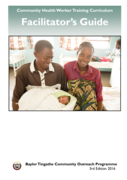
Community Health Worker Training Curriculum - Facilitator's Guide
Baylor Tingathe Community Outreach Programme
Baylor College of Medicine Children’s Foundation Malawi
(2016)
CC
This curriculum was designed to train newly recruited health care workers (HCW) in the basic knowledge and skills needed to improve different HIV services within the health facility including identification, linkage, retention and support. In addition to HIV basics, the training has supplementary un
...
its focused on PMTCT, psychosocial support, opportunistic infections, tuberculosis and HIV, nutrition and family planning in order to give a more well-rounded and comprehensive training of related topics.
more

Diabetes mellitus is a major cause of morbidity and mortality in Scotland and worldwide, with an increasing prevalence. In 2009 there were around 228,000 people registered as having diabetes in Scotland, an increase of 3.6% from the preceding year. This increase relates, in part, to the increasing a
...
ge of the population, an increase in obesity and also perhaps to increasing survival of those with diabetes.
more

Air pollution is a major environmental risk factor and contributor to chronic, noncommunicable diseases (NCDs). However, most public health approaches to NCD prevention focus on behavioural and biomedical risk factors, rather than environmental risk factors such as air pollution. This article discus
...
ses the implications of such a focus. It then outlines the opportunities for those in public health and environmental science to work together across three key areas to address air pollution, NCDs and climate change: (a) acknowledging the shared drivers, including corporate determinants; (b) taking a ‘co-benefits’ approach to NCD prevention; and (c) expanding prevention research and evaluation methods through investing in systems thinking and intersectoral, cross-disciplinary collaborations.
more

Alcohol use is deeply embedded in the social landscape of many societies, and some 2300 million people drink alcoholic beverages in most parts of the world. At the same time, more than half of the global population aged 15 years and older reported having abstained from drinking alcohol during the pr
...
evious 12 months. Several major factors have an impact on levels and patterns of alcohol consumption in populations – such as historical trends in alcohol consumption, the availability of alcohol, culture, economic status and implemented alcohol control measures. At the individual level the patterns and levels of alcohol consumption are determined by multiple factors that include gender, age and individual biological and socioeconomic vulnerability factors as well as the policy environment. Prevailing social norms that support drinking behaviour and mixed messages about the harms and benefits of drinking may encourage alcohol consumption, delay appropriate health-seeking behaviour and weaken community action.
more

Alcohol consumption is deeply embedded in the social landscape of many societies. Several major factors have an impact on levels and patterns of alcohol consumption in populations – such as historical trends in alcohol consumption, the availability of alcohol, culture, economic status and trends i
...
n the marketing of alcoholic beverages, as well as implemented alcohol control measures. At the individual level, the patterns and levels of alcohol consumption are determined by many different factors, including gender, age and individual biological and socioeconomic vulnerability factors, as well as the policy environment. Prevailing social norms that support drinking behaviour and mixed messages about the harms and benefits of drinking encourage alcohol consumption delay appropriate health-seeking behaviour and weaken community action
more

The Global Action Plan for the Prevention and Control of Noncommunicable Diseases 2013-2020 by the World Health Organization (WHO) outlines a comprehensive strategy to address the global rise in noncommunicable diseases (NCDs), including cardiovascular diseases, cancer, chronic respiratory diseases,
...
and diabetes.
more

Noncommunicable diseases (NCDs) – chief among them, cardiovascular diseases (heart disease and stroke), cancer, diabetes and chronic respiratory diseases – along with mental health, cause nearly three quarters of deaths in the world. Their drivers are social, environmental, commercial and geneti
...
c, and their presence is global. Every year 17 million people under the age of 70 die of NCDs, and 86% of them live in low- and middle-income countries (LMICs).
more

WHO’s Country Cooperation Strategy (CCS) defines the Organization’s medium-term vision for working in and with a particular country. The CCS, developed in the context of global and national health priorities, examines the overall health situation in a country, including the state of the health s
...
ector, socioeconomic status and the major health determinants.
This CCS sets out WHO’s strategic framework for collaboration with the Syrian Arab Republic, from June 2022 until June 2025, in light of the 12 years of crisis that have had a devastating impact on the health sector and infrastructure of basic services. It carefully considers the current and projected issues during its transition from continued humanitarian assistance to recovery, resilience and development. The consolidation of health policies and strategies and health system strengthening, based on the strengthening of primary health care (PHC), aims to contribute to the achievement of national and global development and health goals and the targets of the SDGs.
more

Noncommunicable diseases (NCDs) – chief among them, cardiovascular diseases (heart disease and stroke), cancer, diabetes and chronic respiratory diseases – along with mental health, cause nearly three quarters of deaths in the world. Their drivers are social, environmental, commercial and geneti
...
c, and their presence is global. Every year 17 million people under the age of 70 die of NCDs, and 86% of them live in low- and middle-income countries (LMICs).
more

The document, "Progress on the Prevention and Control of Non-Communicable Diseases," reports on global efforts to reduce the impact of NCDs, such as heart disease, cancer, diabetes, and chronic respiratory diseases, following the commitments made at high-level United Nations meetings. It highlights
...
the inadequate progress in meeting the targets set under the Sustainable Development Goal 3.4 to reduce premature NCD mortality by one-third by 2030. Key challenges include insufficient funding, limited implementation of effective interventions, and political and economic barriers, especially in low-income countries. The report calls for strengthened international cooperation, policy reform, and innovative approaches to meet global health targets.
more
