
Filter
6024
Text search:
Safe
the
children
Featured
612
1740
Language
5858
139
120
88
74
42
33
26
14
13
11
10
10
10
10
8
8
7
6
6
6
5
5
5
5
5
5
5
5
5
4
4
4
4
4
4
4
4
4
4
4
4
4
3
3
3
3
3
3
3
3
3
2
2
2
2
2
2
2
2
2
2
1
1
1
1
1
1
1
Document type
3308
890
752
375
257
170
125
70
28
21
20
3
3
1
Countries / Regions
283
262
179
149
139
138
134
131
127
126
123
117
116
102
100
93
87
68
59
58
55
53
52
49
47
43
43
42
42
36
32
32
31
30
30
29
28
27
26
23
22
22
21
21
20
19
19
18
17
17
17
17
16
16
15
15
13
13
12
12
11
10
10
9
9
8
8
8
8
7
7
6
6
6
6
5
5
5
5
4
4
4
4
4
4
3
3
3
3
3
3
3
3
3
3
3
3
2
2
2
2
2
2
2
2
2
2
2
2
2
2
2
2
2
2
1
1
1
1
1
1
1
1
1
1
1
1
1
1
1
1
1
1
1
1
1
1
Authors & Publishers
665
238
206
206
149
126
119
105
103
78
49
44
36
36
35
33
32
32
31
31
29
28
28
26
25
24
23
23
23
23
21
21
20
20
20
20
19
19
19
19
19
18
17
17
17
17
17
16
16
16
16
16
15
15
14
14
14
14
14
13
13
13
13
13
12
12
12
11
11
11
11
11
11
11
11
11
11
10
10
10
10
10
10
10
10
10
10
9
9
9
9
9
9
9
9
9
9
9
8
8
8
8
8
8
8
8
8
8
8
8
8
7
7
7
7
7
7
7
7
7
7
7
7
7
7
6
6
6
6
6
6
6
6
6
6
6
6
6
6
6
6
6
6
6
6
6
6
6
6
6
6
5
5
5
5
5
5
5
5
5
5
5
5
5
5
5
5
5
5
5
5
5
5
5
5
5
5
5
5
5
5
5
5
5
5
5
5
5
5
4
4
4
4
4
4
4
4
4
4
4
4
4
4
4
4
4
4
4
4
4
4
4
4
4
4
4
4
4
4
4
4
4
4
4
4
4
4
4
4
4
4
4
4
4
4
4
4
4
4
4
4
4
4
4
4
4
4
4
4
4
4
4
4
4
4
4
4
4
4
4
4
4
4
4
4
4
4
4
4
4
3
3
3
3
3
3
3
3
3
3
3
3
3
3
3
3
3
3
3
3
3
3
3
3
3
3
3
3
3
3
3
3
3
3
3
3
3
3
3
3
3
3
3
3
3
3
3
3
3
3
3
3
3
3
3
3
3
3
3
3
3
3
3
3
3
3
3
3
3
3
3
3
3
3
3
3
3
3
3
3
3
3
3
3
3
3
3
3
3
3
3
3
3
3
3
3
3
3
3
3
3
3
3
3
3
3
3
3
3
3
3
3
3
3
3
3
3
3
3
3
2
2
2
2
2
2
2
2
2
2
2
2
2
2
2
2
2
2
2
2
2
2
2
2
2
2
2
2
2
2
2
2
2
2
2
2
2
2
2
2
2
2
2
2
2
2
2
2
2
2
2
2
2
2
2
2
2
2
2
2
2
2
2
2
2
2
2
2
2
2
2
2
2
2
2
2
2
2
2
2
2
2
2
2
2
2
2
2
2
2
2
2
2
2
2
2
2
2
2
2
2
2
2
2
2
2
2
2
2
2
2
2
2
2
2
2
2
2
2
2
2
2
2
2
2
2
2
2
2
2
2
2
2
2
2
2
2
2
2
2
2
2
2
2
2
2
2
2
2
2
2
2
2
2
2
2
2
2
2
2
2
2
2
2
2
2
2
2
2
2
2
2
2
2
2
2
2
2
2
2
2
2
2
2
2
2
2
2
2
2
2
2
2
2
2
2
2
2
2
2
2
2
2
2
2
2
2
2
2
2
2
2
2
2
2
2
2
2
2
2
2
2
2
2
2
2
2
2
2
2
2
2
2
2
2
2
2
2
2
2
2
2
2
2
2
2
2
2
2
2
2
2
2
2
2
2
2
2
2
2
2
2
2
2
2
2
2
2
2
2
2
2
2
2
2
2
2
2
2
2
2
2
2
2
2
2
2
2
2
2
2
2
2
2
2
2
2
2
2
2
2
2
2
2
2
2
2
2
2
2
2
2
2
2
2
2
2
2
2
2
2
2
2
2
2
2
2
2
2
2
2
2
2
2
2
2
2
2
2
2
2
2
2
2
2
2
2
1
1
1
1
1
1
1
1
1
1
1
1
1
1
1
1
1
1
1
1
1
1
1
1
1
1
1
1
1
1
1
1
1
1
1
1
1
1
1
1
1
1
1
1
1
1
1
1
1
1
1
1
1
1
1
1
1
1
1
1
1
1
1
1
1
1
1
1
1
1
1
1
1
1
1
1
1
1
1
1
1
1
1
1
1
1
1
1
1
1
1
1
1
1
1
1
1
1
1
1
1
1
1
1
1
1
1
1
1
1
1
1
1
1
1
1
1
1
1
1
1
1
1
1
1
1
1
1
1
1
1
1
1
1
1
1
1
1
1
1
1
1
1
1
1
1
1
1
1
1
1
1
1
1
1
1
1
1
1
1
1
1
1
1
1
1
1
1
1
1
1
1
1
1
1
1
1
1
1
1
1
1
1
1
1
1
1
1
1
1
1
1
1
1
1
1
1
1
1
1
1
1
1
1
1
1
1
1
1
1
1
1
1
1
1
1
1
1
1
1
1
1
1
1
1
1
1
1
1
1
1
1
1
1
1
1
1
1
1
1
1
1
1
1
1
1
1
1
1
1
1
1
1
1
1
1
1
1
1
1
1
1
1
1
1
1
1
1
1
1
1
1
1
1
1
1
1
1
1
1
1
1
1
1
1
1
1
1
1
1
1
1
1
1
1
1
1
1
1
1
1
1
1
1
1
1
1
1
1
1
1
1
1
1
1
1
1
1
1
1
1
1
1
1
1
1
1
1
1
1
1
1
1
1
1
1
1
1
1
1
1
1
1
1
1
1
1
1
1
1
1
1
1
1
1
1
1
1
1
1
1
1
1
1
1
1
1
1
1
1
1
1
1
1
1
1
1
1
1
1
1
1
1
1
1
1
1
1
1
1
1
1
1
1
1
1
1
1
1
1
1
1
1
1
1
1
1
1
1
1
1
1
1
1
1
1
1
1
1
1
1
1
1
1
1
1
1
1
1
1
1
1
1
1
1
1
1
1
1
1
1
1
1
1
1
1
1
1
1
1
1
1
1
1
1
1
1
1
1
1
1
1
1
1
1
1
1
1
1
1
1
1
1
1
1
1
1
1
1
1
1
1
1
1
1
1
1
1
1
1
1
1
1
1
1
1
1
1
1
1
1
1
1
1
1
1
1
1
1
1
1
1
1
1
1
1
1
1
1
1
1
1
1
1
1
1
1
1
1
1
1
1
1
1
1
1
1
1
1
1
1
1
1
1
1
1
1
1
1
1
1
1
1
1
1
1
1
1
1
1
1
1
1
1
1
1
1
1
1
1
1
1
1
1
1
1
1
1
1
1
1
1
1
1
1
1
1
1
1
1
1
1
1
1
1
1
1
1
1
1
1
1
1
1
1
1
1
1
1
1
1
1
1
1
1
1
1
1
1
1
1
1
1
1
1
1
1
1
1
1
1
1
1
1
1
1
1
1
1
1
1
1
1
1
1
1
1
1
1
1
1
1
1
1
1
1
1
1
1
1
1
1
1
1
1
1
1
1
1
1
1
1
1
1
1
1
1
1
1
1
1
1
1
1
1
1
1
1
1
1
1
1
1
1
1
1
1
1
1
1
1
1
1
1
1
1
1
1
1
1
1
1
1
1
1
1
1
1
1
1
1
1
1
1
1
1
1
1
1
1
1
1
1
1
1
1
1
1
1
1
1
1
1
1
1
1
1
1
1
1
1
1
1
1
1
1
1
1
1
1
1
1
1
1
1
1
1
1
1
1
1
1
1
1
1
1
1
1
1
1
1
1
1
1
1
1
1
1
1
1
1
1
1
1
1
1
1
1
1
1
1
1
1
1
1
1
1
1
1
1
1
1
1
1
1
1
1
1
1
1
1
1
1
1
1
1
1
1
1
1
1
1
1
1
1
1
1
1
1
1
1
1
1
1
1
1
1
1
1
1
1
1
1
1
1
1
1
1
1
1
1
1
1
1
1
1
1
1
1
1
1
1
1
1
1
1
1
1
1
1
1
1
1
1
1
1
1
1
1
1
1
1
1
1
1
1
1
1
1
1
1
1
1
1
1
1
1
1
1
1
1
1
1
1
1
1
1
1
1
1
1
1
1
1
1
1
1
1
1
1
1
1
1
1
1
1
1
1
1
1
1
1
1
1
1
1
1
1
1
1
1
1
1
1
1
1
1
1
1
1
1
1
1
1
1
1
1
1
1
1
1
1
1
1
1
1
1
1
1
1
1
1
1
1
1
1
1
1
1
1
1
1
1
1
1
1
1
1
1
1
1
1
1
1
1
1
1
1
1
1
1
1
1
1
1
1
1
1
1
1
1
1
1
1
1
1
1
1
1
1
1
1
1
1
1
1
1
1
1
1
1
1
1
1
1
1
1
1
1
1
1
1
1
1
1
1
1
1
1
1
1
1
1
1
1
1
1
1
1
1
1
1
1
1
1
1
1
1
1
1
1
1
1
1
1
1
1
1
1
1
1
1
1
1
1
1
1
1
1
1
1
1
1
1
1
1
1
1
1
1
1
1
1
1
1
1
1
1
1
1
1
1
1
1
1
1
1
1
1
1
1
1
1
1
1
1
1
1
1
1
1
1
1
1
1
1
1
1
1
1
1
1
1
1
1
1
1
1
1
1
1
1
1
1
1
1
1
1
1
1
1
1
1
1
1
1
1
1
1
1
1
1
1
1
1
1
1
1
1
1
1
1
1
1
1
1
1
1
1
1
1
1
1
1
1
1
1
1
1
1
1
1
1
1
1
1
1
1
1
1
1
1
1
1
1
1
1
1
1
1
1
1
1
1
1
1
1
1
1
1
1
1
1
1
1
1
1
1
1
1
1
1
1
1
1
1
1
1
1
1
1
1
1
1
1
1
1
1
1
1
1
1
1
1
1
1
1
1
1
1
1
1
1
1
1
1
1
1
1
1
1
1
1
1
1
1
1
1
1
1
1
1
1
1
1
1
1
1
1
1
1
1
1
1
1
1
1
1
1
1
1
1
1
1
1
1
1
1
1
1
1
1
1
1
1
1
1
1
1
1
1
1
1
1
1
1
1
1
1
1
1
1
1
1
1
1
1
1
1
1
1
1
1
1
1
1
1
1
1
1
1
1
1
1
1
1
1
1
1
1
1
1
1
1
1
1
1
1
1
1
1
1
1
1
1
1
1
1
1
1
1
1
1
1
1
1
1
1
1
1
1
1
1
1
1
1
1
1
1
1
1
1
1
1
1
1
1
1
1
1
1
1
1
1
1
1
1
1
1
1
1
1
1
1
1
1
1
1
1
1
1
1
1
1
1
1
1
1
1
1
1
1
1
1
1
1
1
1
1
1
1
1
1
1
1
1
1
1
1
1
1
1
1
1
1
1
1
1
1
1
1
1
1
1
1
1
1
1
1
1
1
1
1
1
1
1
1
1
1
1
1
1
1
1
1
1
1
1
1
1
1
1
1
1
1
1
1
1
1
1
1
1
1
1
1
1
1
1
1
1
1
1
1
1
1
1
1
1
1
1
1
1
1
1
1
1
1
1
1
1
1
1
1
1
1
1
1
1
1
1
1
1
1
1
1
1
1
1
1
1
1
1
1
1
1
1
1
1
1
1
1
1
1
1
1
1
1
1
1
1
1
1
1
1
1
1
1
1
1
1
1
1
1
1
1
1
1
1
1
1
1
1
1
1
1
1
1
1
1
1
1
1
1
1
1
1
1
1
1
1
1
1
1
1
1
1
1
1
1
1
1
1
1
1
1
1
1
1
1
1
1
1
1
1
1
1
1
1
1
1
1
1
1
1
1
1
1
1
1
1
1
1
1
1
1
1
1
1
1
1
1
1
1
1
1
1
1
1
1
1
1
1
1
1
1
1
1
1
1
1
1
1
1
1
1
1
1
1
1
1
1
1
1
1
1
1
1
1
1
1
1
1
1
1
1
1
1
1
1
1
1
1
1
1
1
1
1
1
1
1
1
1
1
1
1
1
1
1
1
1
1
1
1
1
1
1
1
1
1
1
1
1
1
1
1
1
1
1
1
1
1
1
1
1
1
1
1
1
1
1
1
1
1
1
1
1
1
1
1
1
1
1
1
1
1
1
1
1
1
1
1
1
1
1
1
1
1
1
1
1
1
1
1
1
1
1
1
1
1
1
1
1
1
1
1
1
1
1
1
1
1
1
1
1
1
1
1
1
1
1
1
1
1
1
1
1
1
1
1
1
1
1
1
1
1
1
1
1
1
1
1
1
1
1
1
1
1
1
1
1
1
1
1
1
1
1
1
1
1
1
1
1
1
1
1
1
1
1
1
1
1
1
1
1
1
1
1
1
1
1
1
1
1
1
1
1
1
1
1
1
1
1
1
1
1
1
1
1
1
1
1
1
1
1
1
1
1
1
1
1
1
1
1
1
1
1
1
1
1
1
1
1
1
1
1
1
1
1
1
1
1
1
1
1
1
1
1
1
1
1
1
1
1
1
1
1
1
1
1
1
1
1
1
1
1
1
1
1
1
1
1
1
1
1
1
1
1
1
1
1
1
1
1
1
1
1
1
1
1
1
1
1
1
1
1
1
1
1
1
1
1
1
1
1
1
1
1
1
1
1
1
1
1
1
1
1
1
1
1
1
1
1
1
1
1
1
1
1
1
1
1
1
1
1
1
1
1
1
1
1
1
1
1
1
1
1
1
1
1
1
1
1
1
1
1
1
1
1
1
1
1
1
1
1
1
1
1
1
1
1
1
1
1
1
1
1
1
1
1
1
1
1
1
1
1
1
1
1
1
1
1
1
1
1
1
1
1
1
1
1
1
1
1
1
1
1
1
1
1
1
1
1
1
1
1
1
1
1
1
1
1
1
1
1
1
1
1
1
1
1
1
1
1
1
1
1
1
1
1
1
1
1
1
1
1
1
1
1
1
1
1
1
1
1
1
1
1
1
1
1
1
1
1
1
1
1
1
1
1
1
1
1
1
1
1
1
1
1
1
1
1
1
1
1
1
1
1
1
1
1
1
1
1
1
1
1
1
1
1
1
1
1
1
1
1
1
1
1
1
1
1
1
1
1
1
1
1
1
1
1
1
1
1
1
1
1
1
1
1
1
1
1
1
1
1
1
1
1
1
1
1
1
1
1
1
1
1
1
1
1
1
1
1
1
1
1
1
1
1
1
1
1
1
1
1
1
1
1
1
1
1
1
1
1
1
1
1
1
1
1
1
1
1
1
1
1
1
1
1
1
1
1
1
1
1
1
1
1
1
1
1
1
1
1
1
1
1
1
1
1
1
1
1
1
1
1
1
1
1
1
1
1
1
1
1
1
1
1
1
1
1
1
1
1
1
1
1
1
1
1
1
1
1
1
1
1
1
1
1
1
1
1
1
1
1
1
1
1
1
1
1
1
1
1
1
1
1
1
1
1
1
1
1
1
1
1
1
1
1
1
1
1
1
1
1
1
1
1
1
1
1
1
1
1
1
1
1
1
1
1
1
1
1
1
1
1
1
1
1
1
1
1
1
1
1
1
1
1
1
1
1
1
1
1
1
1
1
1
1
1
1
1
1
1
1
1
1
1
1
1
1
1
1
1
1
1
1
1
1
1
1
1
1
1
1
1
1
1
1
1
1
1
1
1
1
1
1
1
1
1
1
1
1
1
1
1
1
1
1
1
1
1
1
1
1
1
1
1
1
1
1
1
1
1
1
1
1
1
1
1
1
1
1
1
1
1
1
1
1
1
1
1
1
1
1
1
1
1
1
1
1
1
1
1
1
1
1
1
1
1
1
1
1
1
1
1
1
1
1
1
1
1
1
1
1
1
1
1
1
1
1
1
1
1
1
1
1
1
1
1
1
1
1
1
1
1
1
1
1
1
1
1
1
1
1
1
1
1
1
1
1
1
1
1
1
1
1
1
1
1
1
1
1
1
1
1
1
1
1
1
1
1
1
1
1
1
1
1
1
1
1
1
1
1
1
1
1
1
1
1
1
1
1
1
1
1
1
1
1
1
1
1
1
1
1
1
1
1
1
1
1
1
1
1
1
1
1
1
1
1
1
1
1
1
1
1
1
1
1
1
1
1
1
1
1
1
1
1
1
1
1
1
1
1
1
1
1
1
1
1
1
1
1
1
1
1
1
1
1
1
1
1
1
1
1
1
1
1
1
1
1
1
1
1
1
1
1
1
1
1
1
1
1
1
1
1
1
1
1
1
1
1
1
1
1
1
1
1
1
1
1
1
1
1
1
1
1
1
1
1
1
1
1
1
1
1
1
1
1
1
1
1
1
1
1
1
1
1
1
1
1
1
1
1
1
1
1
1
1
1
1
1
1
1
1
1
1
1
1
1
1
1
1
1
1
1
1
1
1
1
1
1
1
1
1
1
1
1
1
1
1
1
1
1
1
1
1
1
1
1
1
1
1
1
1
1
1
1
1
1
1
1
1
1
1
1
1
1
1
1
1
1
1
1
1
1
1
1
1
1
1
1
1
1
1
1
1
1
1
1
1
1
1
1
1
1
1
1
1
1
1
1
1
1
1
1
1
1
1
1
1
1
1
1
1
1
1
1
1
1
1
1
1
1
1
1
1
1
1
1
1
1
1
1
1
1
1
1
1
1
1
1
1
1
1
1
1
1
1
1
1
1
1
1
1
1
1
1
1
1
1
1
1
1
1
1
1
1
1
1
1
1
1
1
1
1
1
1
1
1
1
1
1
1
1
1
1
1
1
1
1
1
1
1
1
1
1
1
1
1
1
1
1
1
1
1
1
1
1
1
1
1
1
1
1
1
1
1
1
1
1
1
1
1
1
1
1
1
1
1
1
1
1
1
1
1
1
1
1
1
1
1
1
1
1
1
1
1
1
1
1
1
1
1
1
1
1
1
1
1
1
1
1
1
1
1
1
1
1
1
1
1
1
1
1
1
1
1
1
1
1
1
1
1
1
1
1
1
1
1
1
1
1
1
1
1
1
1
1
1
1
1
1
1
1
1
1
1
1
1
1
1
1
1
1
1
1
1
1
1
1
1
1
1
1
1
1
1
1
1
1
1
1
1
1
1
1
1
1
1
1
1
1
1
1
1
1
1
1
1
1
1
1
1
1
1
1
1
1
1
1
1
1
1
1
1
1
1
1
1
1
1
1
1
1
1
1
1
1
1
1
1
1
1
1
1
1
1
1
1
1
1
1
1
1
1
1
1
1
1
1
1
1
1
1
1
1
1
1
1
1
1
1
1
1
1
1
1
1
1
1
1
1
1
1
1
1
1
1
1
1
1
1
1
1
1
1
1
1
1
1
1
1
1
1
1
1
1
1
1
1
1
1
1
1
1
1
1
1
1
1
1
1
1
1
1
1
1
1
1
1
1
1
1
1
1
1
1
1
1
1
1
1
1
1
1
1
1
1
1
1
1
1
1
1
1
1
1
1
1
1
1
1
1
1
1
1
1
1
1
1
1
1
1
1
1
1
1
1
1
1
1
1
1
1
1
1
1
1
1
1
1
1
1
1
1
1
1
1
1
1
1
1
1
1
1
1
1
1
1
1
1
1
1
1
1
1
1
1
1
1
1
1
1
1
1
1
1
1
1
1
1
1
1
1
1
1
1
1
1
1
1
1
1
1
1
1
1
1
1
1
1
1
1
1
1
1
1
1
1
1
1
1
1
1
1
1
1
1
1
1
1
1
1
1
1
1
1
1
1
1
1
1
1
1
1
1
1
1
1
1
1
1
1
1
1
1
1
1
1
1
1
1
1
1
1
1
1
1
1
1
1
1
1
1
1
1
1
1
1
1
1
1
1
1
1
1
1
1
1
1
1
1
1
1
1
1
1
1
1
1
1
1
1
1
1
1
1
1
1
1
1
1
1
1
1
1
1
1
1
1
1
1
1
1
1
1
1
1
1
1
1
1
1
1
1
1
1
1
1
1
1
1
1
1
1
1
1
1
1
1
1
1
1
1
1
1
1
1
1
1
1
1
1
1
1
1
1
1
1
1
1
1
1
1
1
1
1
1
1
1
1
1
1
1
1
1
1
1
1
1
1
1
1
1
1
1
1
1
1
1
1
1
1
1
1
1
1
1
1
1
1
1
1
1
1
1
1
1
1
1
1
1
1
1
1
1
1
1
1
1
1
1
1
1
1
1
1
1
1
1
1
1
1
1
1
1
1
1
1
1
1
1
1
1
1
Publication Years
1
1737
3684
570
31
1
Category
2371
440
437
402
290
166
28
2
Toolboxes
527
432
313
283
276
216
209
194
165
160
156
127
104
92
81
73
68
66
64
50
35
33
32
27
22
6
2

The extensive use of natural resources threatens to exceed the carrying capacity of the Earth. The
...
concept of a
circular economy offers an avenue to sustainable growth, good health and decent jobs, while saving the environment
and its natural resources. Further, the change from a linear economy (take, make, dispose) to a circular economy (renew, remake, share) is expected to support significantly the attainment of the Sustainable Development Goals
(SDGs), particularly SDG 12 on responsible consumption and production.
more

In 2013 the World Health Organization (WHO) published the report Protecting health from climate change:vulnerability and adaptation assessment. The
...
aim was to provide basic and flexible guidance on conducting national or subnational assessments of current and future vulnerability (the susceptibility of a population or region to harm) to the health risks of climate change, and of policies and programmes that could increase resilience, taking into account the multiple determinants of climate-sensitive health outcomes.
That guidance has been a very useful tool, applied to more than 50 countries and settings, and has helped countries to prepare their health contributions to United Nations Framework Convention on Climate Change national adaptation plans.
Since the launch of the guidance, WHO, technical partners such as Health Canada, and countries have learned much in terms of its applicability in different countries, at national and local levels.
At the same time, knowledge on climate change and health has increased.
WHO, the Pan American Health Organization and Health Canada have produced this updated version, which aims to better support countries in their assessments by proposing a simpler tool that incorporates
all lessons learned.
more
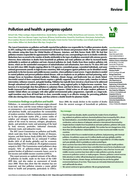
Pollution and health: a progress update
recommended
The Lancet Planetary Health Published:May 17, 2022DOI:https://doi.org/10.1016/S2542-5196(22)00090-0
Every year pollution causes 9 million deaths—1 in every 6 deaths worldwide, according to a Lancet Commission on pollution and health.
While
...
the number of deaths caused by household air pollution and water pollution decreased from 2015 to 2019, overall deaths remain roughly the same because of a 7% increase in deaths caused by air pollution and toxic chemical pollution.
more

Cancer in sub-Saharan Africa
recommended
Lancet Oncol 2022; 23: e251–312Published OnlineMay 9, 2022 https://doi.org/10.1016/S1470-2045(21)00720-8
In sub-Saharan Africa (SSA), urgent action is needed to curb a growing crisis in cancer incidence and mortality.
Without rapid interventions, data estimates show a major increase in cancer mo
...
rtality from 520 348 in 2020 to about
1 million deaths per year by 2030. Here, we detail the state of cancer in SSA, recommend key actions on the basis of
analysis, and highlight case studies and successful models that can be emulated, adapted, or improved across the
region to reduce the growing cancer crises. Recommended actions begin with the need to develop or update national
cancer control plans in each country. Plans must include childhood cancer plans, managing comorbidities such as
HIV and malnutrition, a reliable and predictable supply of medication, and the provision of psychosocial, supportive,
and palliative care. Plans should also engage traditional, complementary, and alternative medical practices employed
by more than 80% of SSA populations and pathways to reduce missed diagnoses and late referrals. More substantial
investment is needed in developing cancer registries and cancer diagnostics for core cancer tests.
more
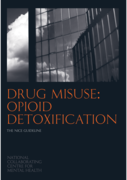
The guideline on Drug misuse: opioid detoxification, commissioned by NICE and developed by the National Collaborating Centre for Mental Health, sets out clear, evidence-based recommendations for hea
...
lthcare staff on how to work with people who misuse opioids to significantly improve their treatment and care, and to deliver detoxification safely and effectively. Of the estimated 4 million people in the UK who use illicit drugs each year, approximately 50,000 misuse opioids (such as heroin, opium, morphine, codeine and methadone). Opioid misuse presents a considerable health risk and can lead to significant social problems. This NICE guideline is an important tool in helping people to overcome their drug problem.
more

Tis first edition describes the standard operating procedures for health products for NTDs amenable to preventive chemotherapy and the medicines donated to treat them. These include albendazole for
...
lymphatic filariasis and soil-transmitted helminthiases; azithromycin for trachoma and yaws; diethylcarbamazine citrate for lymphatic filariasis; ivermectin for onchocerciasis and lymphatic filariasis; mebendazole for soil-transmitted helminthiases; praziquantel for schistosomiasis; and triclabendazole for foodborne trematodiases. Standard operating procedures for diseases amenable to case management will be covered in subsequent editions, including the application process for requesting medicines (Chapter 1). In the meantime, the procedures described in the rest of the document apply for both case management and preventive chemotherapy NTD health products.
more

The harmful use of alcohol causes approximately 3 million deaths every year and the overall burden of disease and injuries attributable to alcohol consumption remains unacceptably high.
...
The pace of development and implementation of alcohol policies has been uneven in WHO regions, and resources and capacities for implementation of the WHO Global strategy to reduce the harmful use of alcohol 10 years after its endorsement do not correspond to the magnitude of the problems. On this basis, the WHO Executive Board in its decision EB146 (14) called for accelerated action to reduce the harmful use of alcohol.
more
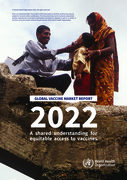
The report aims to capture lessons from the COVID-19 pandemic and to highlight the opportunity for more ambitious global action: expanding sustaina
...
ble access to vaccines for all towards
the Immunization Agenda 2030 and pandemic prevention, preparedness and response efforts. The report is organized in two sections: the first section provides WHO insights on global vaccine market dynamics, drawing from data provided by Member States, which are, in turn, analysed and displayed in the second section.
more

This study emphasizes the contribution that women can play in the prevention of violent extremism within the family and society and analyzes
...
the drivers and roles of women taking part in violent extremism and supporting violent and extremist groups.
UNDP Iraq is pleased to make this study and its recommendations available to national and international partners and to all interested experts and researchers working in the field of preventing violent extremism to contribute to enriching the discussion and strengthening programmes to prevent violent extremism in the Arab region.
more

In collaboration with partners, the government of Ethiopia has successfully developed 10 years Hand Hygiene for All (HH4A) costed national roadmap- a country-wide approach to achieving sustainable and universal hand hygiene. On
...
the occasion of the 2022 Global Hand Washing Day event ( Ethiopia is celebrating the event for one month with different sessions), the national HH4A road map launched on the 4th of Nov 2022 in a high-level advocacy event in the presence of higher officials and partners. Action is set mainly on the need for a joint effort to mobilize resources for implementation, monitoring and documenting of lessons and best practices.
more

This brief advocacy document highlights the burden, risks and prevention of injuries and violence, which took the lives of 4.4 million people in 2019 and constitute 8% of all deaths. Among
...
the injury-related causes of death include road traffic crashes, drowning, falls, burns, poisoning and violence against oneself or others. For people age 5-29 years, three of the top five causes of death are injury-related, including road traffic injuries, homicide, and suicide. Injuries and violence are not evenly distributed across or within countries – some people are more vulnerable than others depending on the conditions in which they are born, grow, work, live and age; in general, being young, male and of low socioeconomic status all increase the risk of injury. This document, aimed at public health professionals; injury prevention researchers, practitioners and advocates; and donors, draws attention to specific strategies based on sound scientific evidence that are effective and cost-effective at preventing injuries and violence; it is critical that these strategies are more widely implemented.
more

Uganda hosts approximately 1.1 million refugees making it Africa’s largest refugee hosting country and one of the five largest refugee hosting countries in the world. Most recently, throughout 201
...
6- 2018, Uganda was impacted by three parallel emergencies from South Sudan, the Democratic Republic of the Congo (DRC), and Burundi. In view of the on-going conflicts and famine
vulnerabilities in the Great Lakes Region, more refugee influxes and protracted refugee situations are anticipated in the foreseeable future. The unprecedented mass influx of refugees into Uganda in 2016-2018 has put enormous pressure on
the country’s basic service provision, in particular health and education services. Refugees share all social services with the local host communities. The refugee hosting districts are among the least developed districts in the country, and thus the additional refugee population is putting a high strain on already limited resources.
more
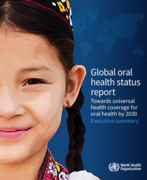
The executive summary of the WHO Global oral health status report presents a snapshot of the most recent data on major oral diseases, risk factors,
...
health system challenges and opportunities for reform. The report’s clear conclusion is that the status of global oral health is alarming and requires urgent action. The report will serve as a reference for policy-makers and an orientation for a wide range of stakeholders across different sectors to guide advocacy towards better prioritization of oral health in global, regional and national contexts. In addition, the report provides, as a separate online resource, the first-ever country oral health profiles for all 194 WHO Member States, giving unique insights into key areas and markers of oral health that are relevant for decision-makers.
more

The Practical manual on laboratory strengthening, 2022 update provides practical guidance on implementation of WHO recommendations and best practices for TB laboratory strengthening. It is an updated version of
...
the GLI Practical Guide to Laboratory Strengthening published in 2017 and provides the latest practical guidance on use of newly recommended diagnostics as well as guidance in key technical areas, including quality assurance and quality management systems, specimen collection and registration, procurement and supply-chain management, diagnostic connectivity, biosafety, data management, human resources, strategic planning, and model algorithms. The key changes are:
inclusion of recent or updated WHO recommendations for tests to diagnose TB and detect drug resistance;
alignment with the latest WHO critical concentrations for phenotypic drug-susceptibility testing (DST) and the new definitions of pre-XDR-TB and XDR-TB;
updated information on building quality-assured TB testing and management capacity using the Stepwise Laboratory Quality Improvement Process Towards Accreditation (SLIPTA) approach (Score-TB package1);
updated information on assessing, analysing and optimising TB diagnostic networks; and
updated information on the use of next-generation sequencing (NGS) to detect mutations associated with drug resistance for surveillance purposes.
The document also provides references to resources and tools relevant for work on laboratory strengthening.
more

Report of the WHO/Bill & Melinda Gates Foundation Consultation. The Consultation was organized back-to-back with the first annual meeting of
...
the International Coordinating Group of the BMGF-funded project for human and dog rabies elimination in developing countries, held at WHO headquarters, Geneva, Switzerland, from 5 to 7 October 2009. This allowed the Consultation to benefit from the participation of the national coordinators and advisers of the BMGF-funded projects in the Philippines, South Africa (KwaZulu-Natal) and the United Republic of Tanzania
more
Schistosomiasis is an acute and chronic parasitic disease caused by blood flukes (trematode
worms) of the genus Schistosoma. At least 249 million people required preventive treatment in
2012. Preventive treatment, which should be repeated over a n
...
umber of years, will reduce and
prevent morbidity.
more

The document “Guidance on Law and Public Health Emergency Preparedness and Response” provides recommendations for governments on how laws and policies can support effective preparation for and response to public health emergencies such as epidem
...
ics or pandemics. It explains the role of legal frameworks in enabling governments and institutions to prevent, detect and manage health crises while protecting human rights and supporting coordinated action across sectors. The guidance highlights lessons learned from the COVID-19 pandemic and examines how national laws, policies and emergency powers were used in many countries. It also identifies common gaps in legal preparedness and proposes key elements that should be included in national legislation, such as clear roles and responsibilities, early warning systems, protection of vulnerable groups and cooperation with humanitarian actors. Overall, the document serves as a practical tool to help countries review and strengthen their legal and policy frameworks for managing public health emergencies.
more
TUATION UPDATE
In the early morning of 6 February 2023, a magnitude 7.8 earthquake occurred in southern Türkiye near the
northern border of Syria. The
...
earthquake was followed 11 minutes later by a magnitude 6.7 aftershock. Many
aftershocks are still being felt across the region. Whilst the impact is still being assessed, initial reports evidence
significant damage in the areas of southern Türkiye and northern Syria.
In response, the Syria Ministry of Health (MoH) activated its emergency operations centre (EOC) on 6 Feb 2023
under the chairmanship of the Deputy Minister. In all affected governorates, public and private health facilities
and medical convoys have been repurposed to support the response and are being managed by the National
Ministry of Health (MoH) and Directorate of Health (DoH) at governorate level. Support has been directed to
affected areas, with medical convoys including 28 ambulances and 7 mobile clinics, deployed from the health
directorates of Damascus, Rural Damascus, Quneitra, Homs, Tartous, Aleppo and Latakia. At the same time, 4
more
The annual Joint Meeting of the Food and Agriculture Organization of the United Nations (FAO) Panel of Experts on Pesticide Residues in Food and
...
the Environment and the World Health Organization (WHO) Core Assessment Group on Pesticide Residues (JMPR) was held in Rome, Italy, from 13 to 22 September. The FAO panel of experts had met in preparatory sessions from 8 to 12 September. The Meeting was held in pursuance of recommendations made by previous Meetings and accepted by the governing bodies of FAO and WHO that studies should be undertaken jointly by experts to evaluate possible hazards to humans arising from the occurrence of pesticide residues in foods. During the meeting the FAO Panel of Experts was responsible for reviewing pesticide use patterns (use of good agricultural practices), data on the chemistry and composition of the pesticides and methods of analysis for pesticide residues and for estimating the maximum residue levels that might occur as a result of the use of the pesticides according to good agricultural use practices. The WHO Core Assessment Group was responsible for reviewing toxicological and related data and for estimating, where possible and appropriate, acceptable daily intakes (ADIs) and acute reference doses (ARfDs) of the pesticides for humans. This report contains information on ADIs, ARfDs, maximum residue levels, and general principles for the evaluation of pesticides. The recommendations of the Joint Meeting, including further research and information, are proposed for use by Member governments of the respective agencies and other interested parties.
more

The PS Centre has released three publications addressing the need for MHPSS tools and guidance in Ukraine and surrounding countries.
The Introdu
...
ction to Psychological First Aid, presents a training module on basic psychological first aid skills for people affected by the international armed conflict in Ukraine which can be delivered in four hours. It is an adaption of another PS Centre publication, Training in Psychological First Aid for Red Cross and Red Crescent Societies. Module 1. An introduction to PFA.
more
