
Filter
1660
Text search:
data
sheet
Featured
145
482
Language
Document type
893
249
204
140
63
47
39
11
6
4
1
1
Countries
101
64
60
42
40
37
35
31
31
30
28
25
23
23
22
22
21
20
20
18
17
16
16
16
15
13
12
11
11
11
8
7
7
7
6
6
6
6
6
6
5
5
5
4
4
4
4
4
4
4
4
4
3
3
3
3
3
3
3
2
2
2
2
2
2
2
2
2
2
2
2
2
1
1
1
1
1
1
1
1
1
1
1
1
1
1
1
1
1
1
1
1
1
1
1
Authors & Publishers
Publication Years
Category
670
134
115
110
84
74
21
Toolboxes
96
82
76
63
63
62
51
50
48
41
40
37
33
33
32
28
27
26
19
18
18
17
16
12
3

Global Campaign Against Epilepsy

People with disabilities are among the most marginalized groups in the world. People with disabilities have poorer health outcomes, lower education achievements, less economic participation and higher rates of poverty than people without disabilities.

The new WHODAS 2.0 supersedes WHODAS II and shows the following advantages:
- A generic assessment instrument for health and disability
- Used across all diseases, including mental, neurological and addictive disorders
- Short, simple and easy to administer (5 to 20 minutes)
- Applicable in both
...
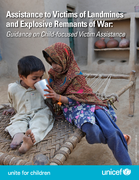
This document is one of eight PDF documents that comprise the Guidance on Child-focused Victim
Assistance. All are available in PDF at
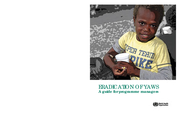
This document provides guidance for countries on how to implement activities to achieve the interruption of yaws transmission. It is intended for use by national yaws eradication programmes, partners involved in the implementation of yaws eradication activities and WHO technical staff who provide te
...
This document sets out Rwanda's Maternal, Neonatal Child Health (MNCH) national strategy (July 2013- June 2018). The MNCH strategy provides a framework for addressing maternal, neonatal and child health challenges currently facing Rwanda. It is an overarching strategy for scale up of the national re
...
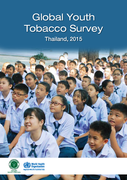

This article reexamines a set of study findings that directly relate to the influence of gender on workplace violence, synthesizes these findings with other research from Rwanda, and examines the subsequent impact of the study on Rwanda’s policy environment.
This is the Technical Annex for the BRACED report: Measuring changes in household resilience as a result of BRACED activities in Myanmar.

Guidelines on sanitation and health
recommended
The new WHO Guidelines on Sanitation and Health summarize the evidence on the effectiveness of a range of sanitation interventions and provide a comprehensive framework for health-protecting sanitation, covering policy and governance measures, implementation of sanitation technologies, systems and b
...

This study attempts a comprehensive qualitative and quantitative analysis of un-annotated bibliographic listing of books and citations compiled on specific learning disability published by researchers in India.
COVID-19: Tools for Social and Behavior Change
Page en français Social and behavior change (SBC) professionals are well positioned to address COVID-19 interventions. We offer two Trending Topics – This one, with Tools for SBC Professionals and another with Materials and Resources for the Publi
...

Accessed: 29.02.2020
The toolkit offers advice on how national public health authorities could engage with primary care prescribers so as to promote appropriate and responsible use of antibiotics. The toolkit contains template materials and some suggested key messages for health professionals, idea
...

First published in 2020, this toolkit is intended for clinicians working in acute care, managing adult and paediatric patients with acute respiratory infection, including severe pneumonia, acute respiratory distress syndrome, sepsis and septic shock. The main objective is to provide key tools for us
...
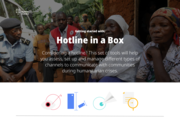
Accessed on 21.05.2020
Considering a hotline? This set of tools will help you assess, set up and manage different types of channels to communicate with communities during humanitarian crises.
