
Filter
4275
Text search:
use
of
medicines
Featured
490
1142
Language
4123
111
100
81
57
33
30
28
13
10
8
8
7
6
6
6
5
4
4
4
4
3
3
3
3
3
3
3
2
2
2
2
2
2
2
2
2
2
2
2
2
2
1
1
1
1
1
1
1
1
1
1
1
1
1
1
1
1
1
1
1
Document type
1989
778
679
290
216
114
96
46
25
19
11
9
2
Countries
227
203
136
106
106
95
86
85
84
80
78
76
69
67
67
67
65
59
57
52
43
42
42
39
34
34
34
31
24
23
21
21
20
20
20
20
20
19
19
19
18
18
18
16
15
14
14
13
12
11
11
11
9
9
9
9
9
9
8
8
7
7
7
7
6
6
6
6
6
5
5
5
5
5
5
4
4
4
4
4
4
4
4
4
4
3
3
3
3
3
3
3
3
3
3
3
3
3
3
3
3
3
2
2
2
2
2
2
2
2
2
2
2
2
2
2
2
2
2
1
1
1
1
1
1
1
1
1
1
1
1
1
1
1
1
1
1
1
1
1
1
1
1
1
1
1
1
1
1
Authors & Publishers
711
204
119
115
100
78
65
59
54
51
33
30
30
30
25
24
24
23
22
21
21
18
18
17
16
16
16
16
15
15
15
15
14
13
13
13
13
12
12
12
12
11
11
11
10
10
10
10
10
10
10
10
10
9
9
9
9
9
8
8
8
8
8
8
8
8
8
8
8
8
8
8
7
7
7
7
7
7
7
7
7
7
7
7
7
6
6
6
6
6
6
6
6
6
6
6
6
6
6
6
6
6
6
6
5
5
5
5
5
5
5
5
5
5
5
5
5
5
5
5
5
5
5
5
5
5
5
5
5
5
5
5
5
5
5
4
4
4
4
4
4
4
4
4
4
4
4
4
4
4
4
4
4
4
4
4
4
4
4
4
4
4
4
4
4
4
4
4
4
4
4
4
4
4
4
4
4
4
4
4
4
4
4
4
3
3
3
3
3
3
3
3
3
3
3
3
3
3
3
3
3
3
3
3
3
3
3
3
3
3
3
3
3
3
3
3
3
3
3
3
3
3
3
3
3
3
3
3
3
3
3
3
3
3
3
3
3
3
3
3
3
3
3
3
3
3
3
3
3
3
3
3
3
3
3
3
3
3
3
3
3
3
3
3
3
3
3
3
2
2
2
2
2
2
2
2
2
2
2
2
2
2
2
2
2
2
2
2
2
2
2
2
2
2
2
2
2
2
2
2
2
2
2
2
2
2
2
2
2
2
2
2
2
2
2
2
2
2
2
2
2
2
2
2
2
2
2
2
2
2
2
2
2
2
2
2
2
2
2
2
2
2
2
2
2
2
2
2
2
2
2
2
2
2
2
2
2
2
2
2
2
2
2
2
2
2
2
2
2
2
2
2
2
2
2
2
2
2
2
2
2
2
2
2
2
2
2
2
2
2
2
2
2
2
2
2
2
2
2
2
2
2
2
2
2
2
2
2
2
2
2
2
2
2
2
2
2
2
2
2
2
2
2
2
2
2
2
2
2
2
2
2
2
2
2
2
2
2
2
2
2
2
2
2
2
2
2
2
2
2
2
2
2
2
2
2
2
2
2
2
2
2
2
2
2
2
2
2
2
2
2
2
2
2
2
2
2
2
2
2
2
2
2
2
2
2
2
2
2
2
2
2
2
2
2
2
2
2
2
1
1
1
1
1
1
1
1
1
1
1
1
1
1
1
1
1
1
1
1
1
1
1
1
1
1
1
1
1
1
1
1
1
1
1
1
1
1
1
1
1
1
1
1
1
1
1
1
1
1
1
1
1
1
1
1
1
1
1
1
1
1
1
1
1
1
1
1
1
1
1
1
1
1
1
1
1
1
1
1
1
1
1
1
1
1
1
1
1
1
1
1
1
1
1
1
1
1
1
1
1
1
1
1
1
1
1
1
1
1
1
1
1
1
1
1
1
1
1
1
1
1
1
1
1
1
1
1
1
1
1
1
1
1
1
1
1
1
1
1
1
1
1
1
1
1
1
1
1
1
1
1
1
1
1
1
1
1
1
1
1
1
1
1
1
1
1
1
1
1
1
1
1
1
1
1
1
1
1
1
1
1
1
1
1
1
1
1
1
1
1
1
1
1
1
1
1
1
1
1
1
1
1
1
1
1
1
1
1
1
1
1
1
1
1
1
1
1
1
1
1
1
1
1
1
1
1
1
1
1
1
1
1
1
1
1
1
1
1
1
1
1
1
1
1
1
1
1
1
1
1
1
1
1
1
1
1
1
1
1
1
1
1
1
1
1
1
1
1
1
1
1
1
1
1
1
1
1
1
1
1
1
1
1
1
1
1
1
1
1
1
1
1
1
1
1
1
1
1
1
1
1
1
1
1
1
1
1
1
1
1
1
1
1
1
1
1
1
1
1
1
1
1
1
1
1
1
1
1
1
1
1
1
1
1
1
1
1
1
1
1
1
1
1
1
1
1
1
1
1
1
1
1
1
1
1
1
1
1
1
1
1
1
1
1
1
1
1
1
1
1
1
1
1
1
1
1
1
1
1
1
1
1
1
1
1
1
1
1
1
1
1
1
1
1
1
1
1
1
1
1
1
1
1
1
1
1
1
1
1
1
1
1
1
1
1
1
1
1
1
1
1
1
1
1
1
1
1
1
1
1
1
1
1
1
1
1
1
1
1
1
1
1
1
1
1
1
1
1
1
1
1
1
1
1
1
1
1
1
1
1
1
1
1
1
1
1
1
1
1
1
1
1
1
1
1
1
1
1
1
1
1
1
1
1
1
1
1
1
1
1
1
1
1
1
1
1
1
1
1
1
1
1
1
1
1
1
1
1
1
1
1
1
1
1
1
1
1
1
1
1
1
1
1
1
1
1
1
1
1
1
1
1
1
1
1
1
1
1
1
1
1
1
1
1
1
1
1
1
1
1
1
1
1
1
1
1
1
1
1
1
1
1
1
1
1
1
1
1
1
1
1
1
1
1
1
1
1
1
1
1
1
1
1
1
1
1
1
1
1
1
1
1
1
1
1
1
1
1
1
1
1
1
1
1
1
1
1
1
1
1
1
1
1
1
1
1
1
1
1
1
1
1
1
1
1
1
1
1
1
1
1
1
1
1
1
1
1
1
1
1
1
1
1
1
1
1
1
1
1
1
1
1
1
1
1
1
1
1
1
1
1
1
1
1
1
1
1
1
1
1
1
1
1
1
1
1
1
1
1
1
1
1
1
1
1
1
1
1
1
1
1
1
1
1
1
1
1
1
1
1
1
1
1
1
1
1
1
1
1
1
1
1
1
1
1
1
1
1
1
1
1
1
1
1
1
1
1
1
1
1
1
1
1
1
1
1
1
1
1
1
1
1
1
1
1
1
1
1
1
1
1
1
1
1
1
1
1
1
1
1
1
1
1
1
1
1
1
1
1
1
1
1
1
1
1
1
1
1
1
1
1
1
1
1
1
1
1
1
1
1
1
1
1
1
1
1
1
1
1
1
1
1
1
1
1
1
1
1
1
1
1
1
1
1
1
1
1
1
1
1
1
1
1
1
1
1
1
1
1
1
1
1
1
1
1
1
1
1
1
1
1
1
1
1
1
1
1
1
1
1
1
1
1
1
1
1
1
1
1
1
1
1
1
1
1
1
1
1
1
1
1
1
1
1
1
1
1
1
1
1
1
1
1
1
1
1
1
1
1
1
1
1
1
1
1
1
1
1
1
1
1
1
1
1
1
1
1
1
1
1
1
1
1
1
1
1
1
1
1
1
1
1
1
1
1
1
1
1
1
1
1
1
1
1
1
1
1
1
1
1
1
1
1
1
1
1
1
1
1
1
1
1
1
1
1
1
1
1
1
1
1
1
1
1
1
1
1
1
1
1
1
1
1
1
1
1
1
1
1
1
1
1
1
1
1
1
1
1
1
1
1
1
1
1
1
1
1
1
1
1
1
1
1
1
1
1
1
1
1
1
1
1
1
1
1
1
1
1
1
1
1
1
1
1
1
1
1
1
1
1
1
1
1
1
1
1
1
1
1
1
1
1
1
1
1
1
1
1
1
1
1
1
1
1
1
1
1
1
1
1
1
1
1
1
1
1
1
1
1
1
1
1
1
1
1
1
1
1
1
1
1
1
1
1
1
1
1
1
1
1
1
1
1
1
1
1
1
1
1
1
1
1
1
1
1
1
1
1
1
1
1
1
1
1
1
1
1
1
1
1
1
1
1
1
1
1
1
1
1
1
1
1
1
1
1
1
1
1
1
1
1
1
1
1
1
1
1
1
1
1
1
1
1
1
1
1
1
1
1
1
1
1
1
1
1
1
1
1
1
1
1
1
1
1
1
1
1
1
1
1
1
1
1
1
1
1
1
1
1
1
1
1
1
1
1
1
1
1
1
1
1
1
1
1
1
1
1
1
1
1
1
1
1
1
1
1
1
1
1
1
1
1
1
1
1
1
1
1
1
1
1
1
1
1
1
1
1
1
1
1
1
1
1
1
1
1
1
1
1
1
1
1
1
1
1
1
1
1
1
1
1
1
1
1
1
1
1
1
1
1
1
1
1
1
1
1
1
1
1
1
1
1
1
1
1
1
1
1
1
1
1
1
1
1
1
1
1
1
1
1
1
1
1
1
1
1
1
1
1
1
1
1
1
1
1
1
1
1
1
1
1
1
1
1
1
1
1
1
1
1
1
1
1
1
1
1
1
1
1
1
1
1
1
1
1
1
1
1
1
1
1
1
1
1
1
1
1
1
1
1
1
1
1
1
1
1
1
1
1
1
1
1
1
1
1
1
1
1
1
1
1
1
1
1
1
1
1
1
1
1
1
1
1
1
1
1
1
1
1
1
1
1
1
1
1
1
1
1
1
1
1
1
1
1
1
1
1
1
1
1
1
1
1
1
1
1
1
1
1
1
1
1
1
1
1
1
1
1
1
1
1
1
1
1
1
1
1
1
1
1
1
1
1
1
1
1
1
1
1
1
1
1
1
1
1
1
1
1
1
1
1
1
1
1
1
1
1
1
1
1
1
1
1
1
1
1
1
1
1
1
1
1
1
1
1
1
1
1
1
1
1
1
1
1
1
1
1
1
1
1
1
1
1
1
1
1
1
1
1
1
1
1
1
1
1
1
1
1
1
1
1
1
1
1
1
1
1
1
1
1
1
1
1
1
1
1
1
1
1
1
1
1
1
1
1
1
1
1
1
1
1
1
1
1
1
1
1
1
1
1
1
1
1
1
1
1
1
1
1
1
1
1
1
1
1
1
1
1
1
1
1
1
1
1
1
1
1
1
1
1
1
1
1
1
1
1
1
1
1
1
1
1
1
1
1
1
1
1
1
1
1
1
1
1
1
1
1
1
1
1
1
1
1
1
1
1
1
1
1
1
1
1
1
1
1
1
1
1
1
1
1
1
1
1
1
1
1
1
1
1
1
1
1
1
1
1
1
1
1
1
1
1
1
1
1
1
1
1
1
1
1
1
1
1
1
1
1
1
1
1
1
1
1
1
1
1
1
1
1
1
1
1
1
1
1
1
1
1
1
1
1
1
1
1
1
1
1
1
1
1
1
1
1
1
1
1
1
1
1
1
1
1
1
1
1
1
1
1
1
1
1
1
1
1
1
1
1
1
1
1
1
1
1
1
1
1
1
1
1
1
1
1
1
1
1
1
1
1
1
1
1
1
1
1
1
1
1
1
1
1
1
1
1
1
1
1
1
1
1
1
1
1
1
1
1
1
1
1
1
1
1
1
1
1
1
1
1
1
1
1
1
1
1
1
1
1
1
1
1
1
1
1
1
1
1
1
1
1
1
1
1
1
1
1
1
1
1
1
1
1
1
1
1
1
1
1
1
1
1
1
1
1
1
1
1
1
1
1
1
1
1
1
1
1
1
1
1
1
1
1
1
1
1
1
1
1
1
1
1
1
1
1
1
1
1
1
1
1
1
1
1
1
1
1
1
1
1
1
1
1
1
1
1
1
1
1
1
1
1
1
1
1
1
1
1
1
1
1
1
1
1
1
1
1
1
1
1
1
1
1
1
1
1
1
1
1
1
1
1
1
1
1
1
1
1
1
1
1
1
1
1
1
1
1
1
1
1
1
1
1
1
1
1
1
1
1
1
1
1
1
1
1
1
1
1
1
1
1
1
1
1
1
1
1
1
1
1
1
1
1
1
1
1
1
1
1
1
1
1
1
1
1
1
1
1
1
1
1
1
1
1
1
1
1
1
1
1
1
1
1
1
1
1
1
1
1
1
1
1
1
1
1
1
1
1
1
1
1
1
1
1
1
1
1
1
1
1
1
1
1
1
1
1
1
1
1
1
1
1
1
1
1
1
1
1
1
1
1
1
1
1
1
1
1
1
1
1
1
1
1
1
1
1
1
1
1
1
1
1
1
1
1
1
1
1
1
1
1
1
1
1
1
1
1
1
1
1
1
1
1
1
1
1
1
1
1
1
1
1
1
1
1
1
1
1
1
1
1
1
1
1
1
1
1
1
1
1
1
1
1
1
1
1
1
1
1
1
1
1
1
1
1
1
1
1
1
1
1
1
1
1
1
1
1
1
1
1
1
1
1
1
1
1
1
1
1
1
1
1
1
1
1
1
1
1
1
1
1
1
1
1
1
1
1
1
1
1
1
1
1
1
1
1
1
1
1
1
1
1
1
1
1
1
1
1
1
1
1
1
1
1
1
1
1
1
1
1
1
1
1
1
1
1
1
1
1
1
1
1
1
1
1
1
1
1
1
1
1
1
1
1
1
1
1
1
1
1
1
1
1
1
1
1
1
1
1
1
1
1
1
1
1
1
1
1
1
1
1
1
1
1
1
1
1
1
1
1
1
1
1
1
1
1
1
1
1
1
1
1
1
1
1
1
1
1
1
1
1
1
1
1
1
1
1
1
1
1
1
1
1
1
1
1
1
1
1
1
1
1
1
1
1
1
1
1
1
1
1
1
1
1
1
1
1
1
1
1
1
1
1
1
1
1
1
1
1
1
1
1
1
1
1
1
1
1
1
1
1
1
1
1
1
1
1
1
1
1
1
1
1
1
1
1
1
1
1
1
1
1
1
1
1
1
1
1
1
1
1
1
1
1
1
1
1
1
1
1
1
1
1
1
1
1
1
1
1
1
1
1
1
1
1
1
1
1
1
1
1
1
1
1
1
1
1
1
1
1
1
1
1
1
1
1
1
1
1
1
1
1
1
1
1
1
1
1
1
1
1
1
1
1
1
1
1
1
1
1
1
1
1
1
1
1
1
1
1
1
1
1
1
1
1
1
1
1
1
1
1
1
1
1
1
1
1
1
1
1
1
1
1
1
1
1
1
1
1
1
1
1
1
1
1
1
1
1
1
1
1
1
1
1
1
1
1
1
1
1
1
1
1
1
Publication Years
1415
2488
345
25
2
Category
1740
389
264
201
177
90
53
2
Toolboxes
330
281
272
263
211
152
138
133
127
107
100
96
88
88
75
65
58
50
44
40
19
14
11
10
6
6 July 2021. Three new nucleic acid amplification test (NAAT) classes are endorsed by WHO and included.
The latest operational handbook includes the new classes recommended by WHO. It aims at facilitating the implementation of the WHO recommendatio
...
ns by the Member States, technical partners, and others involved in managing patients with TB and DR-TB. The operational handbook provides practical information on existing and new tests recommended by WHO, step-by-step advice on implementing and scale-up testing to achieve local and national impact and lastly, model diagnostic algorithms, which are updated to incorporate the latest recommendations. An overview of budgetary considerations and information sheets on each of the newly recommended tests is provided.
more
A new publication - Waste Management during the COVID-19 Pandemic: from response to recovery - reviews current practices for managing waste from healthcare facilities, households and quarantine locations accommodating people with confirmed or suspected cases
...
of COVID-19. Jointly produced by UNEP, the Institute for Global Environmental Strategies and the International Environmental Technology Centre, the report considers various approaches, identifies best practices and technologies, and provides recommendations for policy-makers and practitioners to improve waste management, over the long term.
more
The 2020 Report analyzes global health spending for 190 countries from 2000 to 2018 and provides insights as to the health spending trajectory from the MDG era to the SDG era prior to the crisis of 2020. The report shows that global spending on heal
...
th continually rose between 2000 and 2018 and reached US$ 8.3 trillion or 10% of global GDP. The data also show that out-of-pocket spending has remained high in low and lower-middle income countries, representing greater than 40% of total health spending in 2018. We also report and summarize the data on expenditures for PHC, as well as by disease and intervention, including for immunization. The report also analyzes the available data on budget allocation in response to the COVID-19 crisis. In addition, we combine World Bank/IMF projections of the macroeconomic and fiscal impact of the crisis with an analysis of the historical determinants of health spending patterns and UHC indicators, and based on this, we draw out the likely implications of 2020 for future health spending, highlighting key policy and monitoring concerns.
more

This brief summarizes current evidence and guidance for maintaining safe and effective care across the spectrum of maternal, newborn and infant care while protecting mother and child and health care providers during COVID-19. Furthermore, implicatio
...
ns of the principle of “do no harm” are reviewed for maternal, newborn and infant care delivery during COVID-19, so that this information is conveniently and readily available to clinical and health system policy leaders and stakeholders in countries and communities. Additionally, considerations for safe oxygen delivery as well as key Infection Prevention and Control (IPC) measures at home and in healthcare facilities for pregnant women, newborns and children are described in detail in the brief.
more

The primary audience for this guidance is persons
working directly in vector-borne disease prevention
and control, including programme managers,
researchers and field workers. A brief technical
background is provided for the benefit of persons
...
without expertise in vector-borne diseases; readers
working in the field may wish to skip the background
section and begin with the discussion of ethical
issues and values in Chapter 3. The guidance cannot
offer universally applicable answers to the complex
ethical issues raised, nor can it provide a checklist of
issues that are necessarily relevant in all situations.
Rather, its goal is to help readers recognize aspects
of their work that raise significant ethical challenges
and to respond to these challenges in accordance
with internationally accepted values and norms.
more
For the primary health worker in a low/middle-income country (LMIC) setting, delivering quality primary care is challenging. This is often complicated by clinical guidance that is out of date, inconsistent and informed by evidence from high-income c
...
ountries that ignores LMIC resource constraints and burden of disease. The Knowledge Translation Unit (KTU) of the University of Cape Town Lung Institute has developed, implemented and evaluated a health systems intervention in South Africa, and localised it to Botswana, Nigeria, Ethiopia and Brazil, that simplifies and standardises the care delivered by primary health workers while strengthening the system in which they work. At the core of this intervention, called Practical Approach to Care Kit (PACK), is a clinical decision support tool, the PACK guide. This paper describes the development of the guide over an 18-year period and explains the design features that have addressed what the patient, the clinician and the health system need from clinical guidance, and have made it, in the words of a South African primary care nurse, ‘A tool for every day for every patient’. It describes the lessons learnt during the development process that the KTU now applies to further development, maintenance and in-country localisation of the guide: develop clinical decision support in context first, involve local stakeholders in all stages, leverage others’ evidence databases to remain up to date and ensure content development, updating and localisation articulate with implementation.
more
This article looks at the Baseline Standards developed by the International Society for Paediatric
Oncology (SIOP) for paediatric oncology nursing care in low- and middle-income countries. The
Baseline Standards lay the foundation for effective care and address barriers such as inadequate
staffin
...
g levels, lack of support, limited access to nurse education and unsafe nursing environments.
more
Palliative Care Toolkits and Training Manual
recommended
This toolkit has been written to empower health workers in resource-poor settings to integrate palliative care into the work they are doing by grafting the missing elements of care onto what is already in place. The WHPCA, Hospice UK and Palliative
...
Care Works have led this updating of the Palliative Care Toolkit published in 2008 to reflect new knowledge and practice
The Manual is available in various languages: English, Swahili, Bengali, French, Georgian, Portuguese, Spanish, Vietnamese, Russian,
more
PHARMA’S RESPONSE TO THE COVID-19 VACCINES CRISIS. Update Feb., 14, 2022. In September 2021, Amnesty International published A Double Dose of Inequality, which assessed the extent to which the pharmaceutical industry was restricting access to Covi
...
d-19 vaccines. This report updates that assessment of five leading vaccine manufacturers, AstraZeneca plc, BioNTech SE, Johnson & Johnson, Moderna Inc., and Pfizer Inc. It also includes for the first time an assessment of the two largest Chinese vaccine producers, China National Pharmaceutical Group Co., Ltd. (Sinopharm) and Sinovac Biotech Ltd. (Sinovac).
more

This booklet presents key messages for action, summarized from a set of
chapters on different environmental health issues.
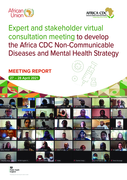
Executive summary On 27th and 28th April 2021, the division of Disease Control and Prevention in collaboration with Public Health England, organized a virtual consultative meeting as part of the con
...
sultations with Member States and partners for the development of the Africa CDC five years strategic plan for the prevention and control of Non-communicable Diseases … Report: Expert and stakeholder virtual consultation meeting to develop the Africa CDC Non-Communicable Diseases and Mental Health Strategy
more
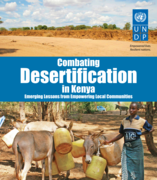
The Arid and Semi-Arid lands (ASAL) constitute about 80% (467,200 sq. km) of Kenya’s total land mass and is grouped into geographical zones including the Savannah covering most of the North- easte
...
rn and South-eastern parts, the Coastal region, the North Rift Valley, the Highlands and the Lake Victoria Basin. The ASAL host about 35% of Kenyas population (13 million people) and over 60% of its inhabitants live below the poverty line, subsisting on less than one US dollar per day.
more

Health care-associated infections (HAIs) affect patients and health systems every day, causing immense suffering, driving higher health-care costs and hampering efforts to achieve high-quality care for all. HAIs are often difficult to treat, are the major driver
...
of antimicrobial resistance (AMR) and cause premature deaths and disability. The COVID-19 pandemic, as well as outbreaks of Ebola, Marburg and mpox are the most dramatic demonstrations of how pathogens can spread rapidly and be amplified in health care settings. But HAIs are a daily threat in every hospital and clinic, not only during epidemics and pandemics. Lack of water, sanitation and hygiene (WASH) in health care settings not only affects the application of infection prevention and control (IPC) best practices but also equity and dignity among both those providing and receiving care.
more

Mental health is critically important to everyone, everywhere. All over the world, mental health needs are high but responses are insufficient and inadequate. The World mental health report: transforming mental health for all is designed to inspire and inform better mental health for everyone everyw
...
here. Drawing on the latest evidence available, showcasing examples of good practice from around the world, and voicing people’s lived experience, it highlights why and where change is most needed and how it can best be achieved. It calls on all stakeholders to work together to deepen the value and commitment given to mental health, reshape the environments that influence mental health, and strengthen the systems that care for mental health.
more
Cholera English Information
recommended
MEDBOX Issue Brief 26. Cholera is an acute diarrhoeal infection caused by eating or drinking food or water that is contaminated with the
bacterium Vibrio cholerae. Cholera remains a global threat to public health and is an indicator of inequity and
...
lack of
social development. Researchers have estimated that every year, there are 1.3 to 4.0 million cases of cholera, and 21
000 to 143 000 deaths worldwide due to the infection.
However, cholera remains a neglected and underreported disease. Many cases are not recorded due to limitations in
surveillance systems and fears of potential impact on trade or tourism.
Today cholera affects 47 countries across the globe. Almost every developing country faces cholera outbreaks or
the threat of cholera. Major ongoing outbreaks are being reported from Afghanistan, Bangladesh, Democratic
Republic of Congo, Ethiopia and Nigeria. Major outbreaks are currently in Syria and Haiti.
Therefore, MEDBOX decided to produce issue briefs on cholera and available resources in Arabic, English and
French.
more
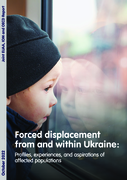
Joint EUAA, IOM and OECD report provides new insights on displacement from and within Ukraine
The European Union Agency for Asylum (EUAA), the International Organization for Migration (IOM) and the Organisation for Economic Co-operation and Development (OECD) have published a Joint Report on profil
...
es, experiences, and aspirations of forcibly displaced people by the Russian invasion of Ukraine.
The Joint Report provides an in-depth study of the scale of displacement to EU countries and people seeking protection there, by building on initial findings derived from a June EUAA-OECD Survey.
more
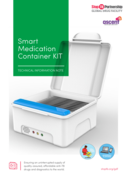
Technical information note. Digital Adherence Technologies (DATs) such as the smart medication container
kit can help to support people affected by TB with their treatment in a modern
and ef-fective way. These technologies are able to deliver reminders and may
help em-power TB affected individual
...
s and their families to take their daily
medication at a time and place that suits them best. They also generate a
digital record of medication intake.
more
The Strategy to respond to antimalarial drug resistance in Africa is a technical and advocacy document, grounded in the best available evidence to date and aimed at minimizing the threat and impact of antimalarial drug resistance
...
of Plasmodium falciparum parasites in Africa. Its objectives are to: i) improve the detection of resistance to ensure a timely response; ii) delay the emergence of resistance to artemisinin and artemisinin-based combination therapy (ACT) partner drugs; and iii) limit the selection and spread of resistant parasites where resistance has been confirmed.
WHO Team
Global Malaria Programme
Editors
World Health Organization
Number of pages
87
Reference numbers
ISBN: 978 92 4 006026 5
Copyright
more

This document, Programme and curriculum development guide, presents a systematic approach to developing programmes and curricula for implementation of the family planning (FP) and comprehensive abortion care (CAC) competencies,and the theory behind
...
the approach. Specifically, the aim is for effective implementation of these competencies in the context of pre-service education and training, post-graduate studies and continuing professional development (CPD). This guide is designed for programme and curriculum developers who are preparing or revising formal education and training programmes and curricula for the FP and CAC workforce.
This guide proposes a new FP and CAC Educational Design Model for programme and curriculum development. This model can support competency-based education (CBE) for current and future FP and CAC services, with a pre-service training pathway of at least 12 months, and can also support in-service training. CBE provides the most effective means to orient educational programmes and curricula towards effective health services that meet population health needs, and this Educational Design Model provides a guide for linking the competencies required to provide a range of health services
more
This Mpox SPRP Global Monitoring & Evaluation (M&E) Framework, also referred to as the Framework, aims to monitor and report on global progress towards these objectives, including information about country-level response efforts and WHO support to Member States. Regular collection and analysis
...
of data on these objectives, alongside the ongoing tracking of the epidemiological situation, are key to informing decision-making, operational adjustments, as well as ensuring transparency and accountability for achieving the goal to stop the Mpox outbreak. This document suggests reporting indicators for monitoring of the global response to the Mpox PHEIC as articulated in the Mpox SPRP and Operational Planning Guidelines for countries.
more
