
Filter
3154
Text search:
storage
Featured
344
986
Language
3066
72
50
42
36
26
15
6
5
5
3
2
2
2
2
2
2
2
1
1
1
1
1
1
1
1
1
1
1
1
1
1
1
1
1
Document type
1619
547
401
252
137
73
66
33
8
7
6
5
Countries / Regions
157
114
112
88
75
73
71
69
62
57
55
50
48
45
42
40
37
36
36
35
32
31
27
25
25
25
24
23
21
19
17
16
15
15
15
14
14
14
11
10
10
10
9
9
9
9
8
8
7
7
7
7
6
6
5
5
5
4
4
4
4
4
4
4
4
4
4
3
3
3
3
3
3
3
3
3
3
3
3
3
3
3
3
2
2
2
2
2
2
2
2
2
2
2
2
1
1
1
1
1
1
1
1
1
1
1
1
1
1
1
1
1
1
1
1
1
1
1
1
1
Authors & Publishers
466
158
78
77
63
56
52
47
37
31
22
21
20
18
16
16
16
15
15
15
14
14
13
13
13
13
12
12
12
11
11
11
11
11
11
11
11
11
10
10
10
10
10
9
9
9
9
9
8
8
8
7
7
7
7
7
7
7
7
7
6
6
6
6
6
6
6
6
6
6
6
6
6
6
5
5
5
5
5
5
5
5
5
5
5
5
5
5
5
5
5
5
5
5
5
5
5
4
4
4
4
4
4
4
4
4
4
4
4
4
4
4
4
4
4
4
4
4
4
4
4
4
4
4
4
4
4
4
4
4
4
4
4
4
4
4
4
4
4
4
4
4
4
4
4
4
4
4
3
3
3
3
3
3
3
3
3
3
3
3
3
3
3
3
3
3
3
3
3
3
3
3
3
3
3
3
3
3
3
3
3
3
3
3
3
3
3
3
3
3
3
3
3
3
3
3
3
3
3
3
3
3
3
3
3
3
3
3
3
3
3
3
3
3
3
3
3
2
2
2
2
2
2
2
2
2
2
2
2
2
2
2
2
2
2
2
2
2
2
2
2
2
2
2
2
2
2
2
2
2
2
2
2
2
2
2
2
2
2
2
2
2
2
2
2
2
2
2
2
2
2
2
2
2
2
2
2
2
2
2
2
2
2
2
2
2
2
2
2
2
2
2
2
2
2
2
2
2
2
2
2
2
2
2
2
2
2
2
2
2
2
2
2
2
2
2
2
2
2
2
2
2
2
2
2
2
2
2
2
2
2
2
2
2
2
2
2
2
2
2
2
2
2
2
2
2
2
2
2
2
2
2
2
2
2
2
2
2
2
2
2
2
2
2
2
2
2
2
2
2
2
2
2
2
2
2
2
2
2
2
2
2
2
2
2
2
2
2
2
2
2
2
2
2
2
1
1
1
1
1
1
1
1
1
1
1
1
1
1
1
1
1
1
1
1
1
1
1
1
1
1
1
1
1
1
1
1
1
1
1
1
1
1
1
1
1
1
1
1
1
1
1
1
1
1
1
1
1
1
1
1
1
1
1
1
1
1
1
1
1
1
1
1
1
1
1
1
1
1
1
1
1
1
1
1
1
1
1
1
1
1
1
1
1
1
1
1
1
1
1
1
1
1
1
1
1
1
1
1
1
1
1
1
1
1
1
1
1
1
1
1
1
1
1
1
1
1
1
1
1
1
1
1
1
1
1
1
1
1
1
1
1
1
1
1
1
1
1
1
1
1
1
1
1
1
1
1
1
1
1
1
1
1
1
1
1
1
1
1
1
1
1
1
1
1
1
1
1
1
1
1
1
1
1
1
1
1
1
1
1
1
1
1
1
1
1
1
1
1
1
1
1
1
1
1
1
1
1
1
1
1
1
1
1
1
1
1
1
1
1
1
1
1
1
1
1
1
1
1
1
1
1
1
1
1
1
1
1
1
1
1
1
1
1
1
1
1
1
1
1
1
1
1
1
1
1
1
1
1
1
1
1
1
1
1
1
1
1
1
1
1
1
1
1
1
1
1
1
1
1
1
1
1
1
1
1
1
1
1
1
1
1
1
1
1
1
1
1
1
1
1
1
1
1
1
1
1
1
1
1
1
1
1
1
1
1
1
1
1
1
1
1
1
1
1
1
1
1
1
1
1
1
1
1
1
1
1
1
1
1
1
1
1
1
1
1
1
1
1
1
1
1
1
1
1
1
1
1
1
1
1
1
1
1
1
1
1
1
1
1
1
1
1
1
1
1
1
1
1
1
1
1
1
1
1
1
1
1
1
1
1
1
1
1
1
1
1
1
1
1
1
1
1
1
1
1
1
1
1
1
1
1
1
1
1
1
1
1
1
1
1
1
1
1
1
1
1
1
1
1
1
1
1
1
1
1
1
1
1
1
1
1
1
1
1
1
1
1
1
1
1
1
1
1
1
1
1
1
1
1
1
1
1
1
1
1
1
1
1
1
1
1
1
1
1
1
1
1
1
1
1
1
1
1
1
1
1
1
1
1
1
1
1
1
1
1
1
1
1
1
1
1
1
1
1
1
1
1
1
1
1
1
1
1
1
1
1
1
1
1
1
1
1
1
1
1
1
1
1
1
1
1
1
1
1
1
1
1
1
1
1
1
1
1
1
1
1
1
1
1
1
1
1
1
1
1
1
1
1
1
1
1
1
1
1
1
1
1
1
1
1
1
1
1
1
1
1
1
1
1
1
1
1
1
1
1
1
1
1
1
1
1
1
1
1
1
1
1
1
1
1
1
1
1
1
1
1
1
1
1
1
1
1
1
1
1
1
1
1
1
1
1
1
1
1
1
1
1
1
1
1
1
1
1
1
1
1
1
1
1
1
1
1
1
1
1
1
1
1
1
1
1
1
1
1
1
1
1
1
1
1
1
1
1
1
1
1
1
1
1
1
1
1
1
1
1
1
1
1
1
1
1
1
1
1
1
1
1
1
1
1
1
1
1
1
1
1
1
1
1
1
1
1
1
1
1
1
1
1
1
1
1
1
1
1
1
1
1
1
1
1
1
1
1
1
1
1
1
1
1
1
1
1
1
1
1
1
1
1
1
1
1
1
1
1
1
1
1
1
1
1
1
1
1
1
1
1
1
1
1
1
1
1
1
1
1
1
1
1
1
1
1
1
1
1
1
1
1
1
1
1
1
1
1
1
1
1
1
1
1
1
1
1
1
1
1
1
1
1
1
1
1
1
1
1
1
1
1
1
1
1
1
1
1
1
1
1
1
1
1
1
1
1
1
1
1
1
1
1
1
1
1
1
1
1
1
1
1
1
1
1
1
1
1
1
1
1
1
1
1
1
1
1
1
1
1
1
1
1
1
1
1
1
1
1
1
1
1
1
1
1
1
1
1
1
1
1
1
1
1
1
1
1
1
1
1
1
1
1
1
1
1
1
1
1
1
1
1
1
1
1
1
1
1
1
1
1
1
1
1
1
1
1
1
1
1
1
1
1
1
1
1
1
1
1
1
1
1
1
1
1
1
1
1
1
1
1
1
1
1
1
1
1
1
1
1
1
1
1
1
1
1
1
1
1
1
1
1
1
1
1
1
1
1
1
1
1
1
1
1
1
1
1
1
1
1
1
1
1
1
1
1
1
1
1
1
1
1
1
1
1
1
1
1
1
1
1
1
1
1
1
1
1
1
1
1
1
1
1
1
1
1
1
1
1
1
1
1
1
1
1
1
1
1
1
1
1
1
1
1
1
1
1
1
1
1
1
1
1
1
1
1
1
1
1
1
1
1
1
1
1
1
1
1
1
1
1
1
1
1
1
1
1
1
1
1
1
1
1
1
1
1
1
1
1
1
1
1
1
1
1
1
1
1
1
1
1
1
1
1
1
1
1
1
1
1
1
1
1
1
1
1
1
1
1
1
1
1
1
1
1
1
1
1
1
1
1
1
1
1
1
1
1
1
1
1
1
1
1
1
1
1
1
1
1
1
1
1
1
1
1
1
1
1
1
1
1
1
1
1
1
1
1
1
1
1
1
1
1
1
1
1
1
1
1
1
1
1
1
1
1
1
1
1
1
1
1
1
1
1
1
1
1
1
1
1
1
1
1
1
1
1
1
1
1
1
1
1
1
1
1
1
1
1
1
1
1
1
1
1
1
1
1
1
1
1
1
1
1
1
1
1
1
1
1
1
1
1
1
1
1
1
1
1
1
1
1
1
1
1
1
1
1
1
1
1
1
1
1
1
1
1
1
1
1
1
1
1
1
1
1
1
1
1
1
1
1
1
1
1
1
1
1
1
1
1
1
1
1
1
1
1
1
1
1
1
1
1
1
1
1
1
1
1
1
1
1
1
1
1
1
1
1
1
1
1
1
1
1
1
1
1
1
1
1
1
1
1
1
1
1
1
1
1
1
1
1
1
1
1
1
1
1
1
1
1
1
1
1
1
1
1
1
1
1
1
1
1
1
1
1
1
1
1
1
1
1
1
1
1
1
1
1
1
1
1
1
1
1
1
1
1
1
1
1
1
1
1
1
1
1
1
1
1
1
1
1
1
1
1
1
1
1
1
1
1
1
1
1
1
1
1
1
1
1
1
1
1
1
1
1
1
1
1
1
1
1
1
1
1
1
1
1
1
1
1
1
1
1
1
1
1
1
1
1
1
1
1
1
1
1
1
1
1
1
1
1
1
1
1
1
1
1
1
1
1
1
1
1
1
1
1
1
1
1
1
1
1
1
1
1
1
1
1
1
1
1
1
1
1
1
1
1
1
1
1
1
1
1
1
1
1
1
1
1
1
1
1
1
1
1
1
1
1
1
1
1
1
1
1
1
1
1
1
1
1
1
1
1
1
1
1
1
1
1
1
1
1
1
1
1
1
1
1
1
1
1
1
1
1
1
1
1
1
1
1
1
1
1
1
1
1
1
1
1
1
1
1
1
1
1
1
1
1
1
1
1
1
1
1
1
1
1
1
1
1
1
1
1
1
1
1
1
1
1
1
1
1
1
1
1
1
1
1
1
1
1
1
1
1
1
1
1
1
1
1
1
1
1
1
1
1
1
1
1
1
1
1
1
1
1
1
1
1
1
1
1
1
1
1
1
1
1
1
1
1
1
1
1
1
1
1
1
1
1
1
1
1
1
1
1
1
1
1
1
1
1
1
1
1
1
1
1
1
1
1
1
1
1
1
1
1
1
1
1
1
1
1
1
1
1
1
1
1
1
1
1
1
1
1
1
1
1
1
1
1
1
1
1
1
1
1
1
1
1
1
1
1
1
1
1
1
1
1
1
1
1
1
1
1
1
1
1
1
1
1
1
1
1
1
1
1
1
1
1
1
1
1
1
1
1
1
1
1
1
1
1
1
1
1
1
1
1
1
1
1
1
1
1
1
1
1
1
1
1
1
1
1
1
1
1
1
1
1
1
1
1
1
1
1
1
1
1
1
1
1
1
1
1
1
1
1
1
1
1
1
1
1
1
1
1
1
1
1
1
1
1
1
1
1
1
1
1
1
1
1
1
1
1
1
1
1
1
1
1
1
1
1
1
1
1
1
1
1
1
1
1
1
1
1
1
1
1
1
1
1
1
1
1
1
1
1
1
1
1
1
1
1
1
1
1
1
Publication Years
873
1888
355
36
2
Category
1286
350
254
150
144
93
74
Toolboxes
259
179
146
114
113
109
104
98
85
84
84
77
73
72
63
49
35
33
33
29
28
27
17
7
6
4
1

a comprehensive guide
for the HCPs who work in counselling and psychological care of children and adoles-
cents. The Handbook includes information on HIV clinical care; growth and development;
mental health; child protection; counselling and communication; disclosure; loss, grief,
and bereavemen
...
t; adherence; sexual and reproductive health; transition of care; support
systems; and monitoring and evaluation of psychosocial services. The material provided
in the Handbook aims to equip HCPs with important information that will help them to
maximise resiliency, minimise risk factors, and promote positive personal growth among
the children and adolescents they care for who are living with or affected by HIV.
more

The Guide on HIV Services for Adolescents Living with HIV (ALHIV) describes
organization of adolescent-friendly services to guide heath management teams and health
care workers (HCWs) on their roles. It also outlines important aspects to consider when
offering comprehensive care to adolescents an
...
d their parents/caregivers at health facilities
and in the community. Comprehensive care should include the provision of quality clinical
and psychosocial support (PSS) services with clear linkages to the community. These
services need to be adolescent-friendly at any health facility with clear prescription of
minimal standards, and has to be integrated into existing services at the health facility
more

Currently, there are only two manufacturers with HIV POC diagnostic products prequalified by the World Health
Organization (WHO) and eligible for procurement through the United Nations. UNICEF concluded its last tender for
HIV EID and VL POC diagnostic technologies in 2018 and awarded two manufact
...
urers long-term arrangements
(LTAs) to supply WHO prequalified product
more

A Training Manual for Community Service Providers
A job aid for cadres supporting caregivers of children and adolescents living with HIV (ages 0-14) in Orphans and Vulnerable Children (OVC) Programs

A service guide for site operations

Final Policy

The Global Aids Strategy 2026-2031
recommended
United- Towards Ending AIDS. The Global AIDS Strategy 2026-2031 focuses global efforts for the future of the AIDS response to end AIDS as a public health threat by 2030 and sustain the HIV response after 2030. This is a strategy uniting the world.
The Strategy will shape the June 2026 United Natio
...
ns General Assembly High-Level Meeting on Ending AIDS and its political declaration. It provides all actors in the field with guidance to overcome the challenges and to ensure effective country-led AIDS responses. The Global AIDS Strategy 2026-2031 includes new global targets for 2030 and resource needs estimates.
more

The document “Public Health Surveillance for Cholera – Guidance Document (2024)” provides practical recommendations for countries on how to design, implement, and strengthen cholera surveillance systems. Developed by the Global Task Force on Cholera Control (GTFCC), it outlines the minimum req
...
uirements for detecting, confirming, reporting, and monitoring cholera cases and outbreaks.
The guidance explains the core functions of cholera surveillance, including case detection, laboratory testing (such as RDTs, culture, and PCR), routine data collection, outbreak notification, case and field investigation, data analysis, and performance monitoring. It also describes how surveillance strategies should be adapted depending on whether a country is experiencing no outbreak, clustered transmission, or community transmission.
Overall, the document aims to help countries establish adaptive, fit-for-purpose surveillance systems that enable early outbreak detection, guide timely response measures, and support long-term cholera control and elimination efforts.
more

The document “Strategic Framework for Strengthening Cross-Border Surveillance and Information Sharing in Africa” outlines a coordinated strategy developed by Africa CDC to improve public health surveillance and collaboration across national borders in Africa. It addresses the challenge that infe
...
ctious diseases often spread across borders due to population movement, trade, and migration, while surveillance systems and data-sharing mechanisms frequently remain nationally focused and fragmented.
The framework proposes strengthening regional coordination, harmonizing surveillance systems, enhancing information sharing between countries, and building laboratory and workforce capacity. It also emphasizes timely detection of cross-border health threats, joint outbreak investigations, and improved communication among Member States. Overall, the document aims to enhance preparedness, early warning systems, and collective response to public health threats across the African continent.
more

Populations affected by emergencies are continually at risk of outbreaks of epidemic-prone diseases and other public health hazards. This operational guidance aims to guide decision-making on when and how to implement and strengthen Early Warning Alert and Response (EWAR) in preparation for and resp
...
onse to emergencies. Each module aims to provide updated operational guidance for EWAR practices, which may be more easily understood and applied during emergencies. Through its application, this operational guidance aims to contribute to:
- earlier detection of acute public health events
- earlier and more effective response
- reduced impact of emergencies on health
- increased trust of the population in the (public) health system
- fulfilling our collective commitments to the International Health Regulations (IHR,
2005).
This guidance was developed jointly by 69 experts from more than 20 organizations from global level to country level.
more

This report examines how clinical trials contribute to environmental impacts and outlines key considerations for integrating environmental sustainability into trial design, conduct and oversight. It explores the carbon footprint and resource use associated with clinical research activities – inclu
...
ding site operations, participant travel, supply chains, data management and waste – and highlights how these impacts intersect with climate change risks to health systems and research infrastructure.
more
This Mobile user guidance is aimed at supporting implementation of EWARS in a box, WHO’s electronic early warning, alert and response system in emergencies. This guidance fulfills a long felt need to have an easy to use resource with step-by-step instructions in establishing EWARS in a box, facili
...
tating field epidemiologists, surveillance officers and emergency responders.
more

The document “Guidelines for Writing Outbreak Investigation Reports” by the European Centre for Disease Prevention and Control provides practical guidance on how to prepare clear, structured, and scientifically sound reports after investigating a disease outbreak. It is mainly intended for epide
...
miologists and public health professionals, particularly participants in the ECDC Fellowship Programme. The guide explains the purpose of outbreak investigation reports and describes the recommended structure and content of such reports, including sections such as background, objectives, methods, results, and conclusions. It also outlines how to present epidemiological, laboratory, and environmental findings, interpret the results, and formulate public health recommendations. Overall, the document aims to standardize outbreak reporting, improve the quality and clarity of reports, and ensure that investigation findings can effectively support public health decision-making and future outbreak prevention.
more

Guide to revision of national pandemic influenza preparedness plans - Lessons learned from the 2009 A(H1N1) pandemic
Brown C., Ciotti M., Hegermann-Lindencrone M., et al
European Centre for Disease Prevention and Control (ECDC), WHO Regional Office for Europe
(2017)
C_WHO
The document “Guide to revision of national pandemic influenza preparedness plans – Lessons learned from the 2009 A(H1N1) pandemic” provides guidance for countries on how to improve and update their national pandemic preparedness plans. It is based on lessons learned from the 2009 influenza pa
...
ndemic and aims to help governments strengthen their readiness for future pandemics. The report outlines key components of effective pandemic planning, including risk assessment, coordination between sectors, communication strategies, healthcare system preparedness, vaccination and antiviral strategies, and business continuity planning. It also emphasizes the importance of international cooperation and flexible planning that can adapt to different pandemic scenarios. Overall, the guide serves as a framework to support countries in developing stronger, more coordinated responses to future influenza pandemics.
more

The document “Mpox Continental Response Plan 2.0” outlines the strategy developed by the Africa Centres for Disease Control and Prevention (Africa CDC) in collaboration with the World Health Organization (WHO) to respond to the ongoing mpox outbreak across Africa. The plan describes coordinated
...
actions to strengthen surveillance, laboratory capacity, case detection and contact tracing in affected countries. It also focuses on improving access to vaccines, diagnostics and treatment, supporting healthcare systems, and enhancing risk communication and community engagement. In addition, the document highlights the importance of regional and international cooperation, resource mobilization and technical support to help African countries control the outbreak and prevent further spread. Overall, the plan serves as a continental framework to guide a coordinated public health response to mpox in Africa.
more
Program implementation orientation and training Day 1
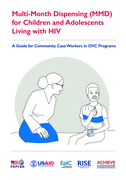
A Guide for Community Case Workers in OVC Programs. This guide is meant to help you, a community case worker or
facility case manager working on an orphans and vulnerable children (OVC) program, to understand your role in supporting
multi-month dispensing (MMD) of anti-retroviral (ARV) medicines f
...
or children and adolescents living with HIV (CLHIV/ALHIV).
more

The International Federation of Red Cross and Red Crescent Societies (IFRC) is the world’s largest volunteer-based humanitarian network. With our 190 member National Red Cross and Red Crescent Societies worldwide, we are in every community reaching 160.7 million people annually through long-term s
...
ervices and development programmes, as well as 110 million people through disaster response and early recovery programmes. We act before, during and after disasters and health emergencies to meet the needs and improve the lives of vulnerable people. We do so with impartiality as to nationality, race, gender, religious beliefs, class and political opinions.
more
