
Filter
3271
Text search:
humanitarian
response
Featured
349
902
Language
2976
133
89
82
70
46
30
15
11
7
5
5
3
3
3
3
3
3
3
2
2
2
2
1
1
1
1
1
1
1
1
1
1
1
1
1
1
1
1
1
1
1
Document type
1533
620
368
226
216
126
86
46
27
10
6
3
1
1
Countries
191
172
121
92
84
82
80
79
79
66
64
62
54
52
49
47
43
43
42
39
39
36
35
34
30
25
24
24
21
21
20
20
19
19
18
18
17
17
17
16
16
15
15
15
14
14
14
14
13
11
11
11
11
9
9
8
8
8
8
7
7
7
7
7
7
7
6
6
5
5
5
5
4
4
4
4
4
4
4
4
4
3
3
3
3
3
3
3
3
3
3
3
2
2
2
2
2
2
2
2
2
2
2
2
1
1
1
1
1
1
1
1
1
1
1
1
1
1
1
1
1
1
1
1
1
1
1
1
1
1
1
1
1
Authors & Publishers
377
89
82
77
71
62
57
55
49
45
45
42
39
39
39
34
34
33
30
29
27
27
23
22
20
17
17
17
16
15
15
15
14
14
13
13
13
13
13
12
12
11
10
10
10
10
10
9
9
9
9
8
8
8
8
8
8
8
8
7
7
7
7
7
7
7
7
7
7
7
7
7
7
7
6
6
6
6
6
6
6
6
6
6
6
6
6
6
6
6
6
6
6
6
6
6
6
6
5
5
5
5
5
5
5
5
5
5
5
5
5
5
5
5
5
4
4
4
4
4
4
4
4
4
4
4
4
4
4
4
4
4
4
4
4
4
4
4
4
4
4
4
4
4
4
4
3
3
3
3
3
3
3
3
3
3
3
3
3
3
3
3
3
3
3
3
3
3
3
3
3
3
3
3
3
3
3
3
3
3
3
3
3
3
3
3
3
3
3
3
3
3
3
3
3
3
3
3
3
3
3
3
3
3
3
3
3
3
3
3
3
3
2
2
2
2
2
2
2
2
2
2
2
2
2
2
2
2
2
2
2
2
2
2
2
2
2
2
2
2
2
2
2
2
2
2
2
2
2
2
2
2
2
2
2
2
2
2
2
2
2
2
2
2
2
2
2
2
2
2
2
2
2
2
2
2
2
2
2
2
2
2
2
2
2
2
2
2
2
2
2
2
2
2
2
2
2
2
2
2
2
2
2
2
2
2
2
2
2
2
2
2
2
2
2
2
2
2
2
2
2
2
2
2
2
2
2
2
2
2
2
2
2
2
2
2
2
2
2
2
2
2
2
2
2
2
2
2
2
2
2
2
2
2
2
2
2
2
2
2
2
2
2
2
2
2
2
2
2
2
2
2
2
2
2
2
2
2
2
2
2
2
2
2
2
2
1
1
1
1
1
1
1
1
1
1
1
1
1
1
1
1
1
1
1
1
1
1
1
1
1
1
1
1
1
1
1
1
1
1
1
1
1
1
1
1
1
1
1
1
1
1
1
1
1
1
1
1
1
1
1
1
1
1
1
1
1
1
1
1
1
1
1
1
1
1
1
1
1
1
1
1
1
1
1
1
1
1
1
1
1
1
1
1
1
1
1
1
1
1
1
1
1
1
1
1
1
1
1
1
1
1
1
1
1
1
1
1
1
1
1
1
1
1
1
1
1
1
1
1
1
1
1
1
1
1
1
1
1
1
1
1
1
1
1
1
1
1
1
1
1
1
1
1
1
1
1
1
1
1
1
1
1
1
1
1
1
1
1
1
1
1
1
1
1
1
1
1
1
1
1
1
1
1
1
1
1
1
1
1
1
1
1
1
1
1
1
1
1
1
1
1
1
1
1
1
1
1
1
1
1
1
1
1
1
1
1
1
1
1
1
1
1
1
1
1
1
1
1
1
1
1
1
1
1
1
1
1
1
1
1
1
1
1
1
1
1
1
1
1
1
1
1
1
1
1
1
1
1
1
1
1
1
1
1
1
1
1
1
1
1
1
1
1
1
1
1
1
1
1
1
1
1
1
1
1
1
1
1
1
1
1
1
1
1
1
1
1
1
1
1
1
1
1
1
1
1
1
1
1
1
1
1
1
1
1
1
1
1
1
1
1
1
1
1
1
1
1
1
1
1
1
1
1
1
1
1
1
1
1
1
1
1
1
1
1
1
1
1
1
1
1
1
1
1
1
1
1
1
1
1
1
1
1
1
1
1
1
1
1
1
1
1
1
1
1
1
1
1
1
1
1
1
1
1
1
1
1
1
1
1
1
1
1
1
1
1
1
1
1
1
1
1
1
1
1
1
1
1
1
1
1
1
1
1
1
1
1
1
1
1
1
1
1
1
1
1
1
1
1
1
1
1
1
1
1
1
1
1
1
1
1
1
1
1
1
1
1
1
1
1
1
1
1
1
1
1
1
1
1
1
1
1
1
1
1
1
1
1
1
1
1
1
1
1
1
1
1
1
1
1
1
1
1
1
1
1
1
1
1
1
1
1
1
1
1
1
1
1
1
1
1
1
1
1
1
1
1
1
1
1
1
1
1
1
1
1
1
1
1
1
1
1
1
1
1
1
1
1
1
1
1
1
1
1
1
1
1
1
1
1
1
1
1
1
1
1
1
1
1
1
1
1
1
1
1
1
1
1
1
1
1
1
1
1
1
1
1
1
1
1
1
1
1
1
1
1
1
1
1
1
1
1
1
1
1
1
1
1
1
1
1
1
1
1
1
1
1
1
1
1
1
1
1
1
1
1
1
1
1
1
1
1
1
1
1
1
1
1
1
1
1
1
1
1
1
1
1
1
1
1
1
1
1
1
1
1
1
1
1
1
1
1
1
1
1
1
1
1
1
1
1
1
1
1
1
1
1
1
1
1
1
1
1
1
1
1
1
1
1
1
1
1
1
1
1
1
1
1
1
1
1
1
1
1
1
1
1
1
1
1
1
1
1
1
1
1
1
1
1
1
1
1
1
1
1
1
1
1
1
1
1
1
1
1
1
1
1
1
1
1
1
1
1
1
1
1
1
1
1
1
1
1
1
1
1
1
1
1
1
1
1
1
1
1
1
1
1
1
1
1
1
1
1
1
1
1
1
1
1
1
1
1
1
1
1
1
1
1
1
1
1
1
1
1
1
1
1
1
1
1
1
1
1
1
1
1
1
1
1
1
1
1
1
1
1
1
1
1
1
1
1
1
1
1
1
1
1
1
1
1
1
1
1
1
1
1
1
1
1
1
1
1
1
1
1
1
1
1
1
1
1
1
1
1
1
1
1
1
1
1
1
1
1
1
1
1
1
1
1
1
1
1
1
1
1
1
1
1
1
1
1
1
1
1
1
1
1
1
1
1
1
1
1
1
1
1
1
1
1
1
1
1
1
1
1
1
1
1
1
1
1
1
1
1
1
1
1
1
1
1
1
1
1
1
1
1
1
1
1
1
1
1
1
1
1
1
1
1
1
1
1
1
1
1
1
1
1
1
1
1
1
1
1
1
1
1
1
1
1
1
1
1
1
1
1
1
1
1
1
1
1
1
1
1
1
1
1
1
1
1
1
1
1
1
1
1
1
1
1
1
1
1
1
1
1
1
1
1
1
1
1
1
1
1
1
1
1
1
1
1
1
1
1
1
1
1
1
1
1
1
1
1
1
1
1
1
1
1
1
1
1
1
1
1
1
1
1
1
1
1
1
1
1
1
1
1
1
1
1
1
1
1
1
1
1
1
1
1
1
1
1
1
1
1
1
1
1
1
1
1
1
1
1
1
1
1
1
1
1
1
1
1
1
1
1
1
1
1
1
1
1
1
1
1
1
1
1
1
1
1
1
1
1
1
1
1
1
1
1
1
1
1
1
1
1
1
1
1
1
1
1
1
1
1
1
1
1
1
1
1
1
1
1
1
1
1
1
1
1
1
1
1
1
1
1
1
1
1
1
1
1
1
1
1
1
1
1
1
1
1
1
1
1
1
1
1
1
1
1
1
1
1
1
1
1
1
1
1
1
1
1
1
1
1
1
1
1
1
1
1
1
1
1
1
1
1
1
1
1
1
1
1
1
1
1
1
1
1
1
1
1
1
1
1
1
1
1
1
1
1
1
1
1
1
1
1
1
1
1
1
1
1
1
1
1
1
1
1
1
1
1
1
1
1
1
1
1
1
1
1
1
1
1
1
1
1
1
1
1
1
1
1
1
1
1
1
1
1
1
1
1
1
1
1
1
1
1
1
1
1
1
1
1
1
1
1
1
1
1
1
1
1
1
1
1
1
1
1
1
1
1
1
1
1
1
1
1
1
1
1
1
1
1
1
1
1
1
1
1
1
1
1
1
1
1
1
1
1
1
1
1
1
1
1
1
1
1
1
1
1
1
1
1
1
1
1
1
1
1
1
1
1
1
1
1
1
1
1
1
1
1
1
1
1
1
1
1
1
1
1
1
1
1
1
1
1
1
1
1
1
1
1
1
1
1
1
1
1
1
1
1
1
1
1
1
1
1
1
1
1
1
1
1
1
1
1
1
1
1
1
1
1
1
1
1
1
1
1
1
1
1
1
1
1
1
1
1
1
1
1
1
1
1
1
1
1
1
1
1
1
1
1
1
1
1
1
1
1
1
1
1
1
1
1
1
1
1
1
1
1
1
1
1
1
1
1
1
1
1
1
1
1
1
1
1
1
1
1
1
1
1
1
1
1
1
1
1
1
1
1
1
1
1
1
1
1
1
1
1
1
1
1
1
1
1
1
1
1
1
1
1
1
1
1
1
1
1
1
1
1
1
1
1
1
1
1
1
1
1
1
1
1
1
1
1
1
1
1
1
1
1
1
1
1
1
1
1
1
1
1
1
1
1
1
1
1
1
1
1
1
1
1
1
1
1
1
1
1
1
1
1
1
1
1
1
1
1
1
1
1
1
1
1
1
1
1
1
1
1
1
1
1
1
1
1
1
1
1
1
1
1
1
1
1
1
1
1
1
1
1
1
1
1
1
1
1
1
1
1
1
1
1
1
1
1
1
1
1
1
1
1
1
1
1
1
1
1
1
1
1
1
1
1
1
1
1
1
1
1
1
1
1
1
1
1
1
1
1
1
1
1
1
1
1
1
1
1
1
1
1
1
1
1
1
1
1
1
1
1
1
1
1
1
1
1
1
1
1
1
1
1
1
1
1
1
1
1
1
1
1
1
1
1
1
1
1
1
1
1
1
1
1
1
1
1
1
1
1
1
1
1
1
1
1
1
1
1
1
1
1
1
1
1
1
1
1
1
1
1
1
1
Publication Years
1
1366
1709
185
10
Category
1109
476
207
123
116
60
7
3
Toolboxes
492
381
212
182
177
155
135
117
91
61
57
55
48
44
34
30
30
28
24
24
18
15
11
10
8
8
2
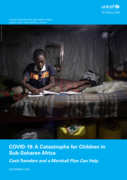
The well-being of children in sub-Saharan Africa is under siege from all directions since the advent of the COVID-19 pandemic. The region is now suffering its first-ever economic recession, pushing about 50 million people into extreme poverty, a majority of whom are children.
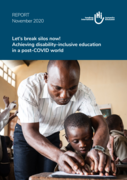
Humanity & Inclusion has published a report on November 20, on the difficulties children with disabilities face in accessing education in the world’s poorest countries.
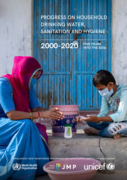
The Joint Monitoring Programme (JMP) report – Progress on household drinking water, sanitation and hygiene 2000 - 2020 – presents estimates on household access to safely managed drinking water, sanitation and hygiene services over the past five years, and assesses progress toward achieving the s
...
ixth sustainable development goal (SDG) to ‘Ensure availability and sustainable management of water and sanitation for all by 2030’.
more
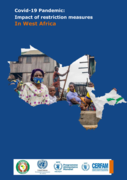

WHO technical advisory group on behavioural insights and sciences for health, meeting report, 15 October 2020
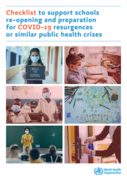
The checklist is aligned with, and builds upon, existing COVID-19-related WHO guidelines and is structured around protective measures related to: 1) hand hygiene and respiratory etiquette; 2) physical distancing; 3) use of masks in schools; 4) environmental cleaning and ventilation; and 5) respectin
...
g procedures for isolation of all people with symptoms. The checklist is designed to support policy-makers, staff and officials from the education and health sectors, local authorities, school principals/leaders and administrators, teachers’ unions, community leaders, school staff, teachers, parents and caregivers.
more
Operational Framework for Primary Health Care
recommended
Guidelines on the management of chronic pain in children, developing and implementing national and local policies for pain management and protocols in children, implementing national and local regulations for pain management in children, pain management and protocols

14 January 2021
This practical guide can be used to help countries monitor and analyse the impact of COVID-19 on essential health services to inform planning and decision-making. It provides practical recommendations on how to use key performance indicators to analyse changes in access to and deliv
...
ery of essential health services within the context of the COVID-19 pandemic; how to visualize and interpret these data; and how to use the findings to guide modifications for safe delivery of services and transitioning towards restoration and recovery. The guide focuses on existing indicators and data that are captured in routine reporting systems and how they can be used by national and subnational authorities to understand specific contexts, challenges and bottlenecks. This guide supports Maintaining essential health services: operational guidance for the COVID-19 context, which provides an integrated framework to guide countries in their efforts to reorganize, adapt and maintain safe delivery of high-priority essential health services within the context of the pandemic.
more

Working Document Nov. 2020
The COVAX Supply and Logistics workstream lead by UNICEF, Gavi and WHO have released a working copy of the COVID-19 Vaccination, Country Readiness & Delivery: Supply and Logistics Guidance. Countries might find this Guide useful when developing and strengthening their sup
...
ply chain strategies to receive, store, distribute and manage the COVID-19 vaccines and their ancillary products, in line with their national deployment and vaccination plan (NDVP). The document also provides links to the different tools and resources to aid countries in performing assessment, planning and capacity-building activities.
more

22 December 2020
The COVID-19 vaccine safety guidance manual has been developed upon recommendation and guidance of GACVS members, as well as by experts incorporating current and available information critical to all stakeholders when COVID-19 vaccines will be introduced.
For ease of use, the man
...
ual is available in a compiled form and in several separate modules that can be consulted individually. For each module, specific training material is also available to facilitate implementation.
more
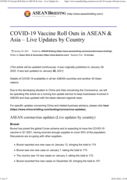
It will be updated continuously.
Details of COVID-19 availability in all ten ASEAN countries and another 30 Asian nations.
Due to the developing situation in China and Asia concerning the Coronavirus, we will be operating this article as a running live update service to keep businesses involved in
...
ASEAN and Asia updated with the latest relevant regional news.
more
This Guidance Document provides practical assistance to Country Offices scaling up programmes to manage SAM in young children. It outlines a step-by-step process through which countries can analyse their current situation, identify barriers and bottlenecks through the MoRES approach, and plan action
...
to scale-up treatment. In particular it addresses the challenge of supporting governments to accelerate and sustain scale-up, build national capacities and source reliable and sustained supplies and financing for managing SAM. This document also provides complementary background information, references to international technical recommendations, resources and tools.
more
The Tripartite AMR Country Self-Assessment Survey (TrACSS) helps to monitor country progress on the implementation of AMR national actions plans and has been administered on an annual basis by the Tripartite organizations (Food and Agriculture Organization of the United Nations (FAO), World Organisa
...
tion for Animal Health (OIE) and World Health Organization (WHO)) since 2016.
This report analyzes the global responses on the fourth round of TrACSS (2019-2020) and examines the global trends and actions towards addressing AMR in all sectors.
Complete country and global responses to all rounds of the survey can be accessed through the TrACSS database: https://amrcountryprogress.org/.
more

Since the release of the first volume in May 2020, the COVID-19 pandemic has continued to rage around the world. By mid-March, 2021, countries around the globe had reported over 123 million cases—a nearly five-fold increase since this report’s previous volume—and over 2.7 million deaths attrib
...
uted to the disease. And while new case loads are currently on the rise again, the global health community has already administered almost 400 million doses of vaccines, at last offering some signs of hope and progress.
Economic impacts threaten to undo decades of recent progress in poverty reduction, child nutrition and gender equality, and exacerbate efforts to support refugees, migrants, and other vulnerable communities. National and local governments—together with international and private-sector partners—must deploy vaccines as efficiently, safely and equitably as possible while still monitoring for new outbreaks and continuing policies to protect those who do not yet have immunity.
More than ever, the world needs reliable and trustworthy data and statistics to inform these important decisions. The United Nations and all member organizations of the Committee for the Coordination of Statistical Activities (CCSA) collect and make available a wealth of information for assessing the multifaceted impacts of the pandemic. This report updates some of the global and regional trends presented in Volume I and offers a snapshot of how COVID-19 continues to affect the world today across multiple domains.
more
29 Dec 2021. Comprehensive slideset updated regularly to include the latest data and guidance on best practices for COVID-19 diagnosis and prevention of COVID-19 transmission.

Available in Chinese, English, French, Russian and Spanish; WHO and UNICEF policy brief, 19 April 2021
Persons with disabilities are disproportionately impacted by COVID-19, both directly because of infection, and indirectly because of restrictions to reduce the spread of the virus. Persons with di
...
sabilities are a diverse group, and the risks, barriers and impacts faced by them will vary in different contexts according to, among other factors, their age, gender identity, type of disability, ethnicity, sexual orientation, and migration status.
This document presents considerations and actions for the following stakeholders to ensure equity in access to vaccination against COVID‑19 for persons with disabilities
more

Countries around the world are facing the challenge of increased demand for care of people with COVID-19, compounded by fear, misinformation and limitations on movement that disrupt the delivery of health care for all conditions. Maintaining essential health services: operational guidance for the CO
...
VID-19 context recommends practical actions that countries can take at national, subregional and local levels to reorganize and safely maintain access to high-quality, essential health services in the pandemic context. It also outlines sample indicators for monitoring essential health services, and describes considerations on when to stop and restart services as COVID-19 transmission recedes and surges.
more
