
Filter
398
Text search:
airborne
infections
Featured
77
83
Language
Document type
161
112
48
33
15
12
11
3
1
1
1
Countries
27
23
19
15
12
12
11
10
8
7
6
6
6
5
4
4
4
4
3
3
3
2
2
2
2
2
2
2
2
2
2
2
2
2
2
2
1
1
1
1
1
1
1
1
1
1
1
1
1
1
1
1
1
Authors & Publishers
Publication Years
Category
140
39
34
23
7
5
3
Toolboxes
99
68
26
21
21
19
18
14
10
9
8
6
6
4
4
3
2
2
1
1
1
1
1
1

Scientific advice
Prevention and control of communicable diseases in prison settings.

Copenhagen, Denmark, 24–25 August 2017
11-17 April 2012

8–18 December 2015
10–21 March 2014

Updated to Reflect the 2009 Medical Eligibility Criteria of the World Health Organization

Humanitarian emergencies, regardless of type and cause, have a number of common risk factors for communicable diseases inextricably linked to excess risk of morbidity and mortality which can come from vaccine–preventable diseases (VPDs). The reduction of VPDs is a significant aim of public-health
...
This pocket guide offers basic information needed for the medical management of victims of radiation incidents in an easy-to-understand manner.
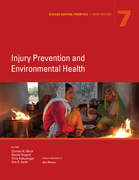
The substantial burden of death and disability that results from interpersonal violence, road traffic injuries, unintentional injuries, occupational health risks, air pollution, climate change, and inadequate water and sanitation falls disproportionally on low- and middle-income countries. Injury Pr
...

The potential for terrorist use of chemical agents is a noted concern highlighted by the Tokyo sarin gas attacks of 1995. The events of September 11, 2001, increased congressional attention towards reducing the vulnerability of the United States to such unconventional attacks. The
possibility that
...
Specific Objectives
• To increase the knowledge and awareness of personnel on chemical management.
• To educate the personnel on the potential adverse health effects of chemical exposure.
• To educate the personnel on the existing laws pertaining to handling of hazardous
chemicals.
• To
...

