
Filter
5171
Text search:
rights
of
workers
Featured
598
1238
Language
4999
159
122
82
74
47
38
15
11
8
8
7
6
6
6
6
5
5
5
4
4
4
4
4
4
3
3
3
3
3
3
3
3
3
3
3
3
3
3
3
3
3
3
2
2
2
2
2
2
1
1
1
1
1
1
1
1
1
1
1
1
1
Document type
2512
864
818
370
249
129
126
52
15
13
12
4
1
1
Countries
260
139
130
108
107
99
89
89
89
89
88
88
87
84
76
71
64
62
55
52
52
48
43
41
41
40
39
35
34
33
33
32
29
28
28
27
27
26
22
22
22
21
20
20
20
19
19
17
16
16
14
14
13
12
11
11
11
11
10
10
10
9
8
8
8
8
8
7
7
7
6
6
6
6
6
6
5
5
5
4
4
4
4
4
4
4
4
3
3
3
3
3
3
3
3
3
2
2
2
2
2
2
2
2
2
2
2
2
2
2
2
2
2
2
2
2
2
2
1
1
1
1
1
1
1
1
1
1
1
1
1
1
1
1
1
1
1
1
1
1
1
1
Authors & Publishers
1034
273
188
150
135
114
109
82
61
55
52
40
37
35
32
31
29
26
25
22
19
19
19
19
18
18
17
16
16
16
16
15
15
14
14
13
13
13
13
12
12
12
12
12
12
12
11
11
11
11
11
11
11
11
11
11
11
10
10
10
10
10
10
10
9
9
9
9
9
9
9
9
9
9
9
8
8
8
8
8
8
8
8
8
8
8
8
7
7
7
7
7
7
7
7
7
7
6
6
6
6
6
6
6
6
6
6
6
6
6
6
6
6
6
5
5
5
5
5
5
5
5
5
5
5
5
5
5
5
5
5
5
5
5
5
5
5
5
5
5
5
5
5
5
5
5
5
5
5
5
5
4
4
4
4
4
4
4
4
4
4
4
4
4
4
4
4
4
4
4
4
4
4
4
4
4
4
4
4
4
4
4
4
4
4
4
4
4
4
4
4
4
4
4
4
4
4
4
4
4
4
4
4
4
4
3
3
3
3
3
3
3
3
3
3
3
3
3
3
3
3
3
3
3
3
3
3
3
3
3
3
3
3
3
3
3
3
3
3
3
3
3
3
3
3
3
3
3
3
3
3
3
3
3
3
3
3
3
3
3
3
3
3
3
3
3
3
3
3
3
3
3
3
3
3
3
3
3
3
3
3
3
3
3
3
3
3
3
3
2
2
2
2
2
2
2
2
2
2
2
2
2
2
2
2
2
2
2
2
2
2
2
2
2
2
2
2
2
2
2
2
2
2
2
2
2
2
2
2
2
2
2
2
2
2
2
2
2
2
2
2
2
2
2
2
2
2
2
2
2
2
2
2
2
2
2
2
2
2
2
2
2
2
2
2
2
2
2
2
2
2
2
2
2
2
2
2
2
2
2
2
2
2
2
2
2
2
2
2
2
2
2
2
2
2
2
2
2
2
2
2
2
2
2
2
2
2
2
2
2
2
2
2
2
2
2
2
2
2
2
2
2
2
2
2
2
2
2
2
2
2
2
2
2
2
2
2
2
2
2
2
2
2
2
2
2
2
2
2
2
2
2
2
2
2
2
2
2
2
2
2
2
2
2
2
2
2
2
2
2
2
2
2
2
2
2
2
2
2
2
2
2
2
2
2
2
2
2
2
2
2
2
2
2
2
2
2
2
2
2
2
2
2
2
2
2
2
2
2
2
2
2
2
2
2
2
2
2
2
2
2
2
2
2
2
2
1
1
1
1
1
1
1
1
1
1
1
1
1
1
1
1
1
1
1
1
1
1
1
1
1
1
1
1
1
1
1
1
1
1
1
1
1
1
1
1
1
1
1
1
1
1
1
1
1
1
1
1
1
1
1
1
1
1
1
1
1
1
1
1
1
1
1
1
1
1
1
1
1
1
1
1
1
1
1
1
1
1
1
1
1
1
1
1
1
1
1
1
1
1
1
1
1
1
1
1
1
1
1
1
1
1
1
1
1
1
1
1
1
1
1
1
1
1
1
1
1
1
1
1
1
1
1
1
1
1
1
1
1
1
1
1
1
1
1
1
1
1
1
1
1
1
1
1
1
1
1
1
1
1
1
1
1
1
1
1
1
1
1
1
1
1
1
1
1
1
1
1
1
1
1
1
1
1
1
1
1
1
1
1
1
1
1
1
1
1
1
1
1
1
1
1
1
1
1
1
1
1
1
1
1
1
1
1
1
1
1
1
1
1
1
1
1
1
1
1
1
1
1
1
1
1
1
1
1
1
1
1
1
1
1
1
1
1
1
1
1
1
1
1
1
1
1
1
1
1
1
1
1
1
1
1
1
1
1
1
1
1
1
1
1
1
1
1
1
1
1
1
1
1
1
1
1
1
1
1
1
1
1
1
1
1
1
1
1
1
1
1
1
1
1
1
1
1
1
1
1
1
1
1
1
1
1
1
1
1
1
1
1
1
1
1
1
1
1
1
1
1
1
1
1
1
1
1
1
1
1
1
1
1
1
1
1
1
1
1
1
1
1
1
1
1
1
1
1
1
1
1
1
1
1
1
1
1
1
1
1
1
1
1
1
1
1
1
1
1
1
1
1
1
1
1
1
1
1
1
1
1
1
1
1
1
1
1
1
1
1
1
1
1
1
1
1
1
1
1
1
1
1
1
1
1
1
1
1
1
1
1
1
1
1
1
1
1
1
1
1
1
1
1
1
1
1
1
1
1
1
1
1
1
1
1
1
1
1
1
1
1
1
1
1
1
1
1
1
1
1
1
1
1
1
1
1
1
1
1
1
1
1
1
1
1
1
1
1
1
1
1
1
1
1
1
1
1
1
1
1
1
1
1
1
1
1
1
1
1
1
1
1
1
1
1
1
1
1
1
1
1
1
1
1
1
1
1
1
1
1
1
1
1
1
1
1
1
1
1
1
1
1
1
1
1
1
1
1
1
1
1
1
1
1
1
1
1
1
1
1
1
1
1
1
1
1
1
1
1
1
1
1
1
1
1
1
1
1
1
1
1
1
1
1
1
1
1
1
1
1
1
1
1
1
1
1
1
1
1
1
1
1
1
1
1
1
1
1
1
1
1
1
1
1
1
1
1
1
1
1
1
1
1
1
1
1
1
1
1
1
1
1
1
1
1
1
1
1
1
1
1
1
1
1
1
1
1
1
1
1
1
1
1
1
1
1
1
1
1
1
1
1
1
1
1
1
1
1
1
1
1
1
1
1
1
1
1
1
1
1
1
1
1
1
1
1
1
1
1
1
1
1
1
1
1
1
1
1
1
1
1
1
1
1
1
1
1
1
1
1
1
1
1
1
1
1
1
1
1
1
1
1
1
1
1
1
1
1
1
1
1
1
1
1
1
1
1
1
1
1
1
1
1
1
1
1
1
1
1
1
1
1
1
1
1
1
1
1
1
1
1
1
1
1
1
1
1
1
1
1
1
1
1
1
1
1
1
1
1
1
1
1
1
1
1
1
1
1
1
1
1
1
1
1
1
1
1
1
1
1
1
1
1
1
1
1
1
1
1
1
1
1
1
1
1
1
1
1
1
1
1
1
1
1
1
1
1
1
1
1
1
1
1
1
1
1
1
1
1
1
1
1
1
1
1
1
1
1
1
1
1
1
1
1
1
1
1
1
1
1
1
1
1
1
1
1
1
1
1
1
1
1
1
1
1
1
1
1
1
1
1
1
1
1
1
1
1
1
1
1
1
1
1
1
1
1
1
1
1
1
1
1
1
1
1
1
1
1
1
1
1
1
1
1
1
1
1
1
1
1
1
1
1
1
1
1
1
1
1
1
1
1
1
1
1
1
1
1
1
1
1
1
1
1
1
1
1
1
1
1
1
1
1
1
1
1
1
1
1
1
1
1
1
1
1
1
1
1
1
1
1
1
1
1
1
1
1
1
1
1
1
1
1
1
1
1
1
1
1
1
1
1
1
1
1
1
1
1
1
1
1
1
1
1
1
1
1
1
1
1
1
1
1
1
1
1
1
1
1
1
1
1
1
1
1
1
1
1
1
1
1
1
1
1
1
1
1
1
1
1
1
1
1
1
1
1
1
1
1
1
1
1
1
1
1
1
1
1
1
1
1
1
1
1
1
1
1
1
1
1
1
1
1
1
1
1
1
1
1
1
1
1
1
1
1
1
1
1
1
1
1
1
1
1
1
1
1
1
1
1
1
1
1
1
1
1
1
1
1
1
1
1
1
1
1
1
1
1
1
1
1
1
1
1
1
1
1
1
1
1
1
1
1
1
1
1
1
1
1
1
1
1
1
1
1
1
1
1
1
1
1
1
1
1
1
1
1
1
1
1
1
1
1
1
1
1
1
1
1
1
1
1
1
1
1
1
1
1
1
1
1
1
1
1
1
1
1
1
1
1
1
1
1
1
1
1
1
1
1
1
1
1
1
1
1
1
1
1
1
1
1
1
1
1
1
1
1
1
1
1
1
1
1
1
1
1
1
1
1
1
1
1
1
1
1
1
1
1
1
1
1
1
1
1
1
1
1
1
1
1
1
1
1
1
1
1
1
1
1
1
1
1
1
1
1
1
1
1
1
1
1
1
1
1
1
1
1
1
1
1
1
1
1
1
1
1
1
1
1
1
1
1
1
1
1
1
1
1
1
1
1
1
1
1
1
1
1
1
1
1
1
1
1
1
1
1
1
1
1
1
1
1
1
1
1
1
1
1
1
1
1
1
1
1
1
1
1
1
1
1
1
1
1
1
1
1
1
1
1
1
1
1
1
1
1
1
1
1
1
1
1
1
1
1
1
1
1
1
1
1
1
1
1
1
1
1
1
1
1
1
1
1
1
1
1
1
1
1
1
1
1
1
1
1
1
1
1
1
1
1
1
1
1
1
1
1
1
1
1
1
1
1
1
1
1
1
1
1
1
1
1
1
1
1
1
1
1
1
1
1
1
1
1
1
1
1
1
1
1
1
1
1
1
1
1
1
1
1
1
1
1
1
1
1
1
1
1
1
1
1
1
1
1
1
1
1
1
1
1
1
1
1
1
1
1
1
1
1
1
1
1
1
1
1
1
1
1
1
1
1
1
1
1
1
1
1
1
1
1
1
1
1
1
1
1
1
1
1
1
1
1
1
1
1
1
1
1
1
1
1
1
1
1
1
1
1
1
1
1
1
1
1
1
1
1
1
1
1
1
1
1
1
1
1
1
1
1
1
1
1
1
1
1
1
1
1
1
1
1
1
1
1
1
1
1
1
1
1
1
1
1
1
1
1
1
1
1
1
1
1
1
1
1
1
1
1
1
1
1
1
1
1
1
1
1
1
1
1
1
1
1
1
1
1
1
1
1
1
1
1
1
1
1
1
1
1
1
1
1
1
1
1
1
1
1
1
1
1
1
1
1
1
1
1
1
1
1
1
1
1
1
1
1
1
1
1
1
1
1
1
1
1
1
1
1
1
1
1
1
1
1
1
1
1
1
1
1
1
1
1
1
1
1
1
1
1
1
1
1
1
1
1
1
1
1
1
1
1
1
1
1
1
1
1
1
1
1
1
1
1
1
1
1
1
1
1
1
1
1
1
1
1
1
1
1
1
1
1
1
1
1
1
1
1
1
1
1
1
1
1
1
1
1
1
1
1
1
1
1
1
1
1
1
1
1
1
1
1
1
1
1
1
1
1
1
1
1
1
1
1
1
1
1
1
1
1
1
1
1
1
1
1
1
1
1
1
1
1
1
1
1
1
1
1
1
1
1
1
1
1
1
1
1
1
1
1
1
1
1
1
1
1
1
1
1
1
1
1
1
1
1
1
1
1
1
1
1
1
1
1
1
1
1
1
1
1
1
1
1
1
1
1
1
1
1
1
1
1
1
1
1
1
1
1
1
1
1
1
1
1
1
1
1
1
1
1
1
1
1
1
1
1
1
1
1
1
1
1
1
1
1
1
1
1
1
1
1
1
1
1
1
1
1
1
1
1
1
1
1
1
1
1
1
1
1
1
1
1
1
1
1
1
1
1
1
1
1
1
1
1
1
1
1
1
1
1
1
1
1
1
1
1
1
1
1
1
1
1
1
1
1
1
1
1
1
1
1
1
1
1
1
1
1
1
1
1
1
1
1
1
1
1
1
1
1
1
1
1
1
1
1
1
1
1
1
1
1
1
1
1
1
1
1
1
1
1
1
1
1
1
1
1
1
1
1
1
1
1
1
1
1
1
1
1
1
1
1
1
1
1
1
1
1
1
1
1
1
1
1
1
1
1
1
1
1
1
1
1
1
1
1
1
1
1
1
1
1
1
1
1
1
1
1
1
1
1
1
1
1
1
1
1
1
1
1
1
1
1
1
1
1
1
1
1
1
1
1
1
1
1
1
1
1
1
1
1
1
1
1
1
1
1
1
1
1
1
1
1
1
1
1
1
1
1
1
1
1
1
1
1
1
1
1
1
1
1
1
1
1
1
1
1
1
1
1
1
1
1
1
1
1
1
1
1
1
1
1
1
1
1
1
1
1
1
1
1
1
1
1
1
1
1
1
1
1
1
1
1
1
1
1
1
1
1
1
1
1
1
1
1
1
1
1
1
1
1
1
1
1
1
1
1
1
1
1
1
1
1
1
1
1
1
1
1
1
1
1
1
1
1
1
1
1
1
1
1
1
1
1
1
1
1
1
1
1
1
1
1
1
1
1
1
1
1
1
1
1
1
1
1
1
1
1
1
1
1
1
1
1
1
1
1
1
1
1
1
1
1
1
1
1
1
1
1
1
1
1
1
1
1
1
1
1
1
1
1
1
1
1
1
1
1
1
1
1
1
1
1
1
1
1
1
1
1
1
1
1
1
1
1
1
1
1
1
1
1
1
1
1
1
1
1
1
1
1
1
1
1
1
1
1
1
1
1
1
1
1
1
1
1
1
1
1
1
1
1
1
1
1
1
1
1
1
1
1
1
1
1
1
1
1
1
1
1
1
1
1
1
1
1
1
1
1
1
1
1
1
1
1
1
1
1
1
1
1
1
1
1
1
1
1
1
1
1
1
1
1
1
1
1
1
1
1
1
1
1
1
1
1
1
1
1
1
1
1
1
1
1
1
1
1
1
1
1
1
1
1
1
1
1
1
1
1
1
1
1
1
1
1
1
1
1
1
1
1
1
1
1
1
1
1
1
1
1
1
1
1
1
1
1
1
1
1
1
1
1
1
1
1
1
1
1
1
1
1
1
1
1
1
1
1
1
1
1
1
1
1
1
1
1
1
1
1
1
1
1
1
1
1
1
1
1
1
1
1
1
1
1
1
1
1
1
1
1
1
1
1
1
1
1
1
1
1
1
1
1
1
1
1
1
1
1
1
1
1
1
1
1
1
1
1
1
1
1
1
1
1
1
1
1
1
1
1
1
1
1
1
1
1
1
1
1
1
1
1
1
1
1
1
1
1
1
1
1
1
1
1
1
1
1
1
1
1
1
1
1
1
1
1
1
1
1
1
1
1
1
1
1
1
1
1
1
1
1
1
1
1
1
1
1
1
1
1
1
1
1
1
1
1
1
1
1
1
1
1
1
1
1
1
1
1
1
1
1
1
1
1
1
1
1
1
1
1
1
1
1
1
1
1
1
1
1
1
1
1
1
1
1
1
1
1
1
1
1
1
1
1
1
1
1
1
1
1
1
1
1
1
1
1
1
1
1
1
1
1
1
1
1
1
1
1
1
1
1
1
1
1
1
1
1
1
1
1
1
1
1
1
1
1
1
1
1
1
1
1
1
1
1
1
1
1
1
1
1
1
1
1
1
1
1
1
1
1
1
1
1
1
1
1
1
1
1
1
1
1
1
1
1
1
1
1
1
1
1
1
1
1
1
1
1
1
1
1
1
1
1
1
1
1
1
1
1
1
1
1
1
1
1
1
1
1
1
1
1
1
1
1
1
1
1
1
1
1
1
1
1
1
1
1
1
1
1
1
1
1
1
1
1
1
1
1
1
1
Publication Years
1
1840
2827
471
30
1
1
Category
1684
414
400
397
301
137
51
3
Toolboxes
584
449
287
244
235
225
197
150
150
143
122
103
96
80
78
69
68
67
60
54
47
31
25
24
23
2
1

Work can be beneficial or harmful to mental health depending on
the circumstances. If a person has a mental health problem, being
at work in a supportive workplace can assist in their recovery. The
level of support needed will fluctuate, as the s
...
ymptoms of most
mental health problems come and go over time.
Providing mental health first aid when a worker is showing the
early signs and symptoms of a mental health problem is important,
as it can assist the person to return to their usual performance
quickly. Failing to provide mental health first
more
Stronger collaboration, better health: global action plan for healthy lives and well-being for all
recommended
The overall objective of the Global Action Plan is to enhance collaboration among 12 global organizations engaged in health, development and humanitarian responses to accelerate country progress on the health-related SDG targets. The Plan presents a
...
new approach to strengthening collaboration among and joint action by the organizations, building on an initial joint commitment made in October 2018. The Plan is primarily intended to be strategic but provides some operational detail to guide implementation while also allowing flexibility for adjustment based on regular reviews of progress and learning from experience. Although the purpose of the Global Action Plan is not to provide or seek additional resources, the Plan will enable better use of existing resources as a result of improved collaboration, recognizing that each agency has its own unique mandate and area of expertise.
more
Severe cases of COVID-19 are associated with rehabilitation needs related to the consequences of ventilatory support, and prolonged immobilization and bed rest. These may include: − Impaired lung
...
function; − Physical deconditioning and muscle weakness; − Delirium and other cognitive impairments; − Impaired swallow and communication; and − Mental health disorders and psychosocial support needs. − Rehabilitation needs may be amplified by underlying health conditions and decrements in health associated with ageing, − Rehabilitation professionals play an important role in facilitating early discharge, which is especially critical in the context of hospital bed shortages. − Rehabilitation needs of people with severe COVID-19 exist during the acute, sub-acute and long-term phases of care; rehabilitation professionals should be positioned in ICUs, hospital wards, stepdown facilities and in the community. − Particularly in the acute phase, rehabilitation interventions for patients with severe COVID-19 requiring ventilatory support generally require a particular skill-set acquired through specialist training.
more
In March 2020 the World Health Organization (WHO) declared the outbreak of a novel coronavirus disease, COVID-19, to be a pandemic, due to the speed and scale of transmission.
WHO and public health
...
authorities around the world are taking action to contain the COVID-19 outbreak. Certain populations, such as those with disability, may be impacted more significantly by COVID-19. This impact can be mitigated if simple actions and protective measures are taken by key stakeholders.
more

The document provides a detailed overview of cholera, including its clinical features, diagnosis, treatment, and prevention. It explains the causes of cholera, its symptoms such as severe diarrhea a
...
nd dehydration, and the importance of rehydration therapy (oral or intravenous) to reduce mortality. The document also emphasizes public health measures, including access to clean water, proper sanitation, and vaccination, as essential strategies to control and prevent cholera outbreaks. It serves as a comprehensive resource for healthcare professionals managing cholera cases and outbreaks.
more
This new edition highlights once again the importance of collecting disaggregated data to conduct gender-based analysis in order to determine, address, reduce, and eliminate the causes of gender-rel
...
ated inequalities.
more
A module from the suite of health service capacity assessments in the context of the COVID-19 pandemic, Interim Guidance 20 October 2020.
This self-assessment tool is designed for acute health-care
...
facilities (i.e. tertiary and secondary) but can be modified for the use in long-term care facilities, to help identify, prioritize and address the gaps in infection prevention and control (IPC) capacity in managing their response to COVID-19. The tool should be used by IPC professionals and/or those responsible for disaster planning or outbreak management in the facility (such as the response to the COVID-19 outbreak) at the start of the improvement process. A sample workplan template is provided to address gaps identified and record required actions.
more
This paper provides case studies of several food product improvement policies from across the WHO European Region. The aim is to share country experience, assess the various merits of the different
...
approaches, discuss lessons learned, and provide guidance for best practice that may be more widely applicable across the European Region.
more
The second edition of the “A Region on the Move” report provides an overview of population movement trends in West and Central Africa in 2021. It aims to provide a comprehensive overview
...
of mobility in the region and showcase the versatility, multidimensionality and nuances of regional mobility in West and Central Africa.
more

National emergency medical teams are the best option for providing immediate and appropriate surge response for emergencies directly affecting populations, while international teams may help relieve overwhelmed health systems. The efficiency and effectiveness
...
of countries and local authorities in mobilizing existing resources is only as good as the quality of care they are able to provide. This publication serves as a practical guide for teams and aims to compliment emergency response systems, fostering seamless collaboration with all emergency response actors and networks
more

N Engl J Med 2022; 386:911-922, DOI: 10.1056/NEJMoa2104535
Four months of antituberculosis treatment was noninferior to 6 months of treatment in children with drug-susceptible, nonsevere, smear-neg
...
ative tuberculosis (SHINE Study)
more
This catalogue serves the purpose of connecting stakeholders from the
energy and health sectors with solutions providers, to help meet the
energy needs of healthcare facilities in response to COVI
...
D-19 and
beyond. The solutions provided herein represent a sample of a larger
group of solution providers who can contribute to addressing this
challenge
more
The goal of the global outbreak response for monkeypox is to stop human-to-human transmission of monkeypox, with a priority focus on communities at high risk
...
of exposure which may differ according to context, and to effectively use strong public health measures to prevent onward spread of the disease. Judicious use of vaccines can support this response. This interim guidance, developed with the advice and support of the Strategic Advisory Group of Experts (SAGE) Working Group on smallpox and monkeypox vaccines, provides the first WHO recommendations on vaccines and immunization for monkeypox. Key points follow.
more
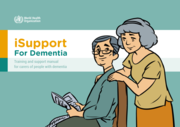
iSupport
recommended
iSupport is a self-help skills and training programme for carers of people with dementia. Worldwide, around 55 million people have dementia. Dementia causes significant psychological and emotional impact on families and carers. iSupport aims to prev
...
ent and/or decrease mental and physical health problems associated with caregiving and to improve the quality of life of those caring for people with dementia.
iSupport was conceptualized and developed as an online training programme. However, in areas of the world with limited internet bandwidth or low digital literacy, the iSupport hardcopy manual can be printed and used offline.
In five modules, iSupport teaches carers what dementia is and how to respond to common challenges of caregiving. The five modules are (i) introduction to dementia; (ii) being a caregiver; (iii) caring for me; (iv) providing everyday care; and (v) dealing with behaviour changes.
more
This profile is part of a series of Climate Risk Country Profiles developed by the World Bank Group (WBG). The country profile synthesizes most relevant data and information on climate change, disas
...
ter risk reduction, and adaptation actions and policies at the country level. The country profile series are designed as a quick reference source for development practitioners to better integrate climate resilience in development planning and policy making. This effort is managed and led by Veronique Morin (Senior Climate Change Specialist, WBG) and Ana E. Bucher (Senior Climate Change Specialist, WBG)
more
This document provides an overview of WHO's Refugee and migrant health toolkit, a web-based one-stop comprehensive platform of tools and resources to support the global, regional, and country effort
...
s in implementing health and migration-related activities.
more
“All sectors of humanitarian response are critical to providing an adequate and holistic response for children who have survived different types of violence, exploitation, abuse and neglect. Follo
...
wing the immediate humanitarian response, all humanitarian sectors have an important contribution to make to the effective rehabilitation and reintegration of child survivors. ‘Mainstreaming’ child protection, or ensuring that child protection considerations inform all aspects of humanitarian action, helps to maximize the child protection impacts of the work that all humanitarians do. ”
How to Use This briefing paper: This briefing paper is a quick reference for Plan International Child Protection in Emergencies (CPiE) staff on how to engage with other sectors operating in the emergency to ensure that child protection principles and considerations inform all aspects of humanitarian programming in other sectors. While there is child protection mainstreaming guidance for how to work with specific sectors (e.g. WASH, nutrition, distribution) this “All Sectors” briefing note can give CPiE staff the big picture of shared child protection mainstreaming messages that should be conveyed to all sectors. This briefing is aligned with the Minimum Standards for Child Protection in Humanitarian Action and the Sphere Standards, as well as Plan International staff feedback on what actions are the most vital for child protection mainstreaming in other sectors.
more

Significant progress has been made in the eradication of three priority diseases in the African Region, as a result of extensive collaboration between the Regional Office, WHO country offices and co
...
untries. For example, in August 2020, the region was certified free of wild poliovirus. In the area of neglected tropical diseases, Guinea worm disease is on the verge of eradication, and 12 member states are within reach of being certified as having eradicated yaws by the end of this year.
more

Terminology used to describe the transmission of pathogens through the air varies across scientific disciplines, organizations and the general public. While this has been the case for decades, during the coronavirus disease (COVID-19) pandemic, the
...
terms ‘airborne’, ‘airborne transmission’ and ‘aerosol transmission’ were used in different ways by stakeholders in different scientific disciplines, which may have contributed to misleading information and confusion about how pathogens are transmitted in human populations.
This global technical consultation report brings together viewpoints from experts spanning a range of disciplines with the key objective of seeking consensus regarding the terminology used to describe the transmission of pathogens through the air that can potentially cause infection in humans.
This consultation aimed to identify terminology that could be understood and accepted by different technical disciplines. The agreed process was to develop a consensus document that could be endorsed by global agencies and entities. Despite the complex discussions and challenges, significant progress was made during the consultation process, particularly the consensus on a set of descriptors to describe how pathogens are transmitted through the air and the related modes of transmission. WHO recognizes the important areas where consensus was not achieved and will continue to address these areas in follow-up consultations.
more
The aim of the Technical Brief is to offer guidance to education professionals on how to integrate Mental Health and Psychosocial Support into Education in Emergencies programming. An overview of Me
...
ntal Health and Psychosocial Support activities that can be implemented in Education in Emergencies contexts is detailed, in line with the MHPSS Minimum Service Package. Country examples and case studies are featured.
more
