
Filter
5171
Text search:
rights
of
workers
Featured
598
1238
Language
4999
159
122
82
74
47
38
15
11
8
8
7
6
6
6
6
5
5
5
4
4
4
4
4
4
3
3
3
3
3
3
3
3
3
3
3
3
3
3
3
3
3
3
2
2
2
2
2
2
1
1
1
1
1
1
1
1
1
1
1
1
1
Document type
2512
864
818
370
249
129
126
52
15
13
12
4
1
1
Countries
260
139
130
108
107
99
89
89
89
89
88
88
87
84
76
71
64
62
55
52
52
48
43
41
41
40
39
35
34
33
33
32
29
28
28
27
27
26
22
22
22
21
20
20
20
19
19
17
16
16
14
14
13
12
11
11
11
11
10
10
10
9
8
8
8
8
8
7
7
7
6
6
6
6
6
6
5
5
5
4
4
4
4
4
4
4
4
3
3
3
3
3
3
3
3
3
2
2
2
2
2
2
2
2
2
2
2
2
2
2
2
2
2
2
2
2
2
2
1
1
1
1
1
1
1
1
1
1
1
1
1
1
1
1
1
1
1
1
1
1
1
1
Authors & Publishers
1034
273
188
150
135
114
109
82
61
55
52
40
37
35
32
31
29
26
25
22
19
19
19
19
18
18
17
16
16
16
16
15
15
14
14
13
13
13
13
12
12
12
12
12
12
12
11
11
11
11
11
11
11
11
11
11
11
10
10
10
10
10
10
10
9
9
9
9
9
9
9
9
9
9
9
8
8
8
8
8
8
8
8
8
8
8
8
7
7
7
7
7
7
7
7
7
7
6
6
6
6
6
6
6
6
6
6
6
6
6
6
6
6
6
5
5
5
5
5
5
5
5
5
5
5
5
5
5
5
5
5
5
5
5
5
5
5
5
5
5
5
5
5
5
5
5
5
5
5
5
5
4
4
4
4
4
4
4
4
4
4
4
4
4
4
4
4
4
4
4
4
4
4
4
4
4
4
4
4
4
4
4
4
4
4
4
4
4
4
4
4
4
4
4
4
4
4
4
4
4
4
4
4
4
4
3
3
3
3
3
3
3
3
3
3
3
3
3
3
3
3
3
3
3
3
3
3
3
3
3
3
3
3
3
3
3
3
3
3
3
3
3
3
3
3
3
3
3
3
3
3
3
3
3
3
3
3
3
3
3
3
3
3
3
3
3
3
3
3
3
3
3
3
3
3
3
3
3
3
3
3
3
3
3
3
3
3
3
3
2
2
2
2
2
2
2
2
2
2
2
2
2
2
2
2
2
2
2
2
2
2
2
2
2
2
2
2
2
2
2
2
2
2
2
2
2
2
2
2
2
2
2
2
2
2
2
2
2
2
2
2
2
2
2
2
2
2
2
2
2
2
2
2
2
2
2
2
2
2
2
2
2
2
2
2
2
2
2
2
2
2
2
2
2
2
2
2
2
2
2
2
2
2
2
2
2
2
2
2
2
2
2
2
2
2
2
2
2
2
2
2
2
2
2
2
2
2
2
2
2
2
2
2
2
2
2
2
2
2
2
2
2
2
2
2
2
2
2
2
2
2
2
2
2
2
2
2
2
2
2
2
2
2
2
2
2
2
2
2
2
2
2
2
2
2
2
2
2
2
2
2
2
2
2
2
2
2
2
2
2
2
2
2
2
2
2
2
2
2
2
2
2
2
2
2
2
2
2
2
2
2
2
2
2
2
2
2
2
2
2
2
2
2
2
2
2
2
2
2
2
2
2
2
2
2
2
2
2
2
2
2
2
2
2
2
2
1
1
1
1
1
1
1
1
1
1
1
1
1
1
1
1
1
1
1
1
1
1
1
1
1
1
1
1
1
1
1
1
1
1
1
1
1
1
1
1
1
1
1
1
1
1
1
1
1
1
1
1
1
1
1
1
1
1
1
1
1
1
1
1
1
1
1
1
1
1
1
1
1
1
1
1
1
1
1
1
1
1
1
1
1
1
1
1
1
1
1
1
1
1
1
1
1
1
1
1
1
1
1
1
1
1
1
1
1
1
1
1
1
1
1
1
1
1
1
1
1
1
1
1
1
1
1
1
1
1
1
1
1
1
1
1
1
1
1
1
1
1
1
1
1
1
1
1
1
1
1
1
1
1
1
1
1
1
1
1
1
1
1
1
1
1
1
1
1
1
1
1
1
1
1
1
1
1
1
1
1
1
1
1
1
1
1
1
1
1
1
1
1
1
1
1
1
1
1
1
1
1
1
1
1
1
1
1
1
1
1
1
1
1
1
1
1
1
1
1
1
1
1
1
1
1
1
1
1
1
1
1
1
1
1
1
1
1
1
1
1
1
1
1
1
1
1
1
1
1
1
1
1
1
1
1
1
1
1
1
1
1
1
1
1
1
1
1
1
1
1
1
1
1
1
1
1
1
1
1
1
1
1
1
1
1
1
1
1
1
1
1
1
1
1
1
1
1
1
1
1
1
1
1
1
1
1
1
1
1
1
1
1
1
1
1
1
1
1
1
1
1
1
1
1
1
1
1
1
1
1
1
1
1
1
1
1
1
1
1
1
1
1
1
1
1
1
1
1
1
1
1
1
1
1
1
1
1
1
1
1
1
1
1
1
1
1
1
1
1
1
1
1
1
1
1
1
1
1
1
1
1
1
1
1
1
1
1
1
1
1
1
1
1
1
1
1
1
1
1
1
1
1
1
1
1
1
1
1
1
1
1
1
1
1
1
1
1
1
1
1
1
1
1
1
1
1
1
1
1
1
1
1
1
1
1
1
1
1
1
1
1
1
1
1
1
1
1
1
1
1
1
1
1
1
1
1
1
1
1
1
1
1
1
1
1
1
1
1
1
1
1
1
1
1
1
1
1
1
1
1
1
1
1
1
1
1
1
1
1
1
1
1
1
1
1
1
1
1
1
1
1
1
1
1
1
1
1
1
1
1
1
1
1
1
1
1
1
1
1
1
1
1
1
1
1
1
1
1
1
1
1
1
1
1
1
1
1
1
1
1
1
1
1
1
1
1
1
1
1
1
1
1
1
1
1
1
1
1
1
1
1
1
1
1
1
1
1
1
1
1
1
1
1
1
1
1
1
1
1
1
1
1
1
1
1
1
1
1
1
1
1
1
1
1
1
1
1
1
1
1
1
1
1
1
1
1
1
1
1
1
1
1
1
1
1
1
1
1
1
1
1
1
1
1
1
1
1
1
1
1
1
1
1
1
1
1
1
1
1
1
1
1
1
1
1
1
1
1
1
1
1
1
1
1
1
1
1
1
1
1
1
1
1
1
1
1
1
1
1
1
1
1
1
1
1
1
1
1
1
1
1
1
1
1
1
1
1
1
1
1
1
1
1
1
1
1
1
1
1
1
1
1
1
1
1
1
1
1
1
1
1
1
1
1
1
1
1
1
1
1
1
1
1
1
1
1
1
1
1
1
1
1
1
1
1
1
1
1
1
1
1
1
1
1
1
1
1
1
1
1
1
1
1
1
1
1
1
1
1
1
1
1
1
1
1
1
1
1
1
1
1
1
1
1
1
1
1
1
1
1
1
1
1
1
1
1
1
1
1
1
1
1
1
1
1
1
1
1
1
1
1
1
1
1
1
1
1
1
1
1
1
1
1
1
1
1
1
1
1
1
1
1
1
1
1
1
1
1
1
1
1
1
1
1
1
1
1
1
1
1
1
1
1
1
1
1
1
1
1
1
1
1
1
1
1
1
1
1
1
1
1
1
1
1
1
1
1
1
1
1
1
1
1
1
1
1
1
1
1
1
1
1
1
1
1
1
1
1
1
1
1
1
1
1
1
1
1
1
1
1
1
1
1
1
1
1
1
1
1
1
1
1
1
1
1
1
1
1
1
1
1
1
1
1
1
1
1
1
1
1
1
1
1
1
1
1
1
1
1
1
1
1
1
1
1
1
1
1
1
1
1
1
1
1
1
1
1
1
1
1
1
1
1
1
1
1
1
1
1
1
1
1
1
1
1
1
1
1
1
1
1
1
1
1
1
1
1
1
1
1
1
1
1
1
1
1
1
1
1
1
1
1
1
1
1
1
1
1
1
1
1
1
1
1
1
1
1
1
1
1
1
1
1
1
1
1
1
1
1
1
1
1
1
1
1
1
1
1
1
1
1
1
1
1
1
1
1
1
1
1
1
1
1
1
1
1
1
1
1
1
1
1
1
1
1
1
1
1
1
1
1
1
1
1
1
1
1
1
1
1
1
1
1
1
1
1
1
1
1
1
1
1
1
1
1
1
1
1
1
1
1
1
1
1
1
1
1
1
1
1
1
1
1
1
1
1
1
1
1
1
1
1
1
1
1
1
1
1
1
1
1
1
1
1
1
1
1
1
1
1
1
1
1
1
1
1
1
1
1
1
1
1
1
1
1
1
1
1
1
1
1
1
1
1
1
1
1
1
1
1
1
1
1
1
1
1
1
1
1
1
1
1
1
1
1
1
1
1
1
1
1
1
1
1
1
1
1
1
1
1
1
1
1
1
1
1
1
1
1
1
1
1
1
1
1
1
1
1
1
1
1
1
1
1
1
1
1
1
1
1
1
1
1
1
1
1
1
1
1
1
1
1
1
1
1
1
1
1
1
1
1
1
1
1
1
1
1
1
1
1
1
1
1
1
1
1
1
1
1
1
1
1
1
1
1
1
1
1
1
1
1
1
1
1
1
1
1
1
1
1
1
1
1
1
1
1
1
1
1
1
1
1
1
1
1
1
1
1
1
1
1
1
1
1
1
1
1
1
1
1
1
1
1
1
1
1
1
1
1
1
1
1
1
1
1
1
1
1
1
1
1
1
1
1
1
1
1
1
1
1
1
1
1
1
1
1
1
1
1
1
1
1
1
1
1
1
1
1
1
1
1
1
1
1
1
1
1
1
1
1
1
1
1
1
1
1
1
1
1
1
1
1
1
1
1
1
1
1
1
1
1
1
1
1
1
1
1
1
1
1
1
1
1
1
1
1
1
1
1
1
1
1
1
1
1
1
1
1
1
1
1
1
1
1
1
1
1
1
1
1
1
1
1
1
1
1
1
1
1
1
1
1
1
1
1
1
1
1
1
1
1
1
1
1
1
1
1
1
1
1
1
1
1
1
1
1
1
1
1
1
1
1
1
1
1
1
1
1
1
1
1
1
1
1
1
1
1
1
1
1
1
1
1
1
1
1
1
1
1
1
1
1
1
1
1
1
1
1
1
1
1
1
1
1
1
1
1
1
1
1
1
1
1
1
1
1
1
1
1
1
1
1
1
1
1
1
1
1
1
1
1
1
1
1
1
1
1
1
1
1
1
1
1
1
1
1
1
1
1
1
1
1
1
1
1
1
1
1
1
1
1
1
1
1
1
1
1
1
1
1
1
1
1
1
1
1
1
1
1
1
1
1
1
1
1
1
1
1
1
1
1
1
1
1
1
1
1
1
1
1
1
1
1
1
1
1
1
1
1
1
1
1
1
1
1
1
1
1
1
1
1
1
1
1
1
1
1
1
1
1
1
1
1
1
1
1
1
1
1
1
1
1
1
1
1
1
1
1
1
1
1
1
1
1
1
1
1
1
1
1
1
1
1
1
1
1
1
1
1
1
1
1
1
1
1
1
1
1
1
1
1
1
1
1
1
1
1
1
1
1
1
1
1
1
1
1
1
1
1
1
1
1
1
1
1
1
1
1
1
1
1
1
1
1
1
1
1
1
1
1
1
1
1
1
1
1
1
1
1
1
1
1
1
1
1
1
1
1
1
1
1
1
1
1
1
1
1
1
1
1
1
1
1
1
1
1
1
1
1
1
1
1
1
1
1
1
1
1
1
1
1
1
1
1
1
1
1
1
1
1
1
1
1
1
1
1
1
1
1
1
1
1
1
1
1
1
1
1
1
1
1
1
1
1
1
1
1
1
1
1
1
1
1
1
1
1
1
1
1
1
1
1
1
1
1
1
1
1
1
1
1
1
1
1
1
1
1
1
1
1
1
1
1
1
1
1
1
1
1
1
1
1
1
1
1
1
1
1
1
1
1
1
1
1
1
1
1
1
1
1
1
1
1
1
1
1
1
1
1
1
1
1
1
1
1
1
1
1
1
1
1
1
1
1
1
1
1
1
1
1
1
1
1
1
1
1
1
1
1
1
1
1
1
1
1
1
1
1
1
1
1
1
1
1
1
1
1
1
1
1
1
1
1
1
1
1
1
1
1
1
1
1
1
1
1
1
1
1
1
1
1
1
1
1
1
1
1
1
1
1
1
1
1
1
1
1
1
1
1
1
1
1
1
1
1
1
1
1
1
1
1
1
1
1
1
1
1
1
1
1
1
1
1
1
1
1
1
1
1
1
1
1
1
1
1
1
1
1
1
1
1
1
1
1
1
1
1
1
1
1
1
1
1
1
1
1
1
1
1
1
1
1
1
1
1
1
1
1
1
1
1
1
1
1
1
1
1
1
1
1
1
1
1
1
1
1
1
1
1
1
1
1
1
1
1
1
1
1
1
1
1
1
1
1
1
1
1
1
1
1
1
1
1
1
1
1
1
1
1
1
1
1
1
1
1
1
1
1
1
1
1
1
1
1
1
1
1
1
1
1
1
1
1
1
1
1
1
1
1
1
1
1
1
1
1
1
1
1
1
1
1
1
1
1
1
1
1
1
1
1
1
1
1
1
1
1
1
1
1
1
1
1
1
1
1
1
1
1
1
1
1
1
1
1
1
1
1
1
1
1
1
1
1
1
1
1
1
1
1
1
1
1
1
1
1
1
1
1
1
1
1
1
1
1
1
1
1
1
1
1
1
1
1
1
1
1
1
1
1
1
1
1
1
1
1
1
1
1
1
1
1
1
1
1
1
1
1
1
1
1
1
1
1
1
1
1
1
1
1
1
1
1
1
1
1
1
1
1
1
1
1
1
1
1
1
1
1
1
1
1
1
1
1
1
1
1
1
1
1
1
1
1
1
1
1
1
1
1
1
1
1
1
1
1
1
1
1
1
1
1
1
1
1
1
1
1
1
1
1
1
1
1
1
1
1
1
1
1
1
1
1
1
1
1
1
1
1
1
1
1
1
1
1
1
1
1
1
1
1
1
1
1
1
1
1
1
1
1
1
1
1
1
1
1
1
1
1
1
1
1
1
1
1
1
1
1
1
1
1
1
1
1
1
1
1
1
1
1
1
1
1
1
1
1
1
1
1
1
1
1
1
1
1
1
1
1
1
1
1
1
1
1
1
1
1
1
1
1
1
1
1
1
1
1
1
1
1
1
1
1
1
1
1
1
1
1
1
1
1
1
1
1
1
1
1
1
1
1
1
1
1
1
1
1
1
1
1
1
1
1
1
1
1
1
1
1
1
1
1
1
1
1
1
1
1
1
1
1
1
1
1
1
1
1
1
1
1
1
1
1
1
1
1
1
1
1
1
1
1
1
1
1
1
1
1
1
1
1
1
1
1
1
1
1
1
1
1
1
1
1
1
1
1
1
1
1
1
1
1
1
1
1
1
1
1
1
1
1
1
1
1
1
1
1
1
1
1
1
1
1
1
1
1
1
1
1
1
1
1
1
1
1
1
1
1
1
1
1
1
1
1
1
1
1
1
1
1
1
1
1
1
1
1
1
1
1
1
1
1
1
1
1
1
1
1
1
1
1
1
1
1
1
1
1
1
1
1
1
1
1
1
1
1
1
1
1
1
1
1
1
1
1
1
1
1
1
1
1
1
1
1
1
1
1
1
1
1
1
1
1
1
1
1
1
1
1
1
1
1
1
1
1
1
1
1
1
1
1
1
1
1
1
1
1
1
1
1
1
1
1
1
1
1
1
1
1
1
1
1
1
1
1
1
1
1
1
1
1
1
1
1
1
1
1
1
1
1
1
1
1
1
1
1
1
1
1
1
1
1
1
1
1
1
1
1
1
1
1
1
1
1
1
1
1
1
1
1
1
1
1
1
1
1
1
1
1
1
1
1
1
1
1
1
1
1
1
1
1
1
1
1
1
1
Publication Years
1
1840
2827
471
30
1
1
Category
1684
414
400
397
301
137
51
3
Toolboxes
584
449
287
244
235
225
197
150
150
143
122
103
96
80
78
69
68
67
60
54
47
31
25
24
23
2
1

1 June 2020
Countries around the world are facing the challenge of increased demand for care of people with COVID-19, compounded by fear, misinformation and limitations on movement that disrupt the
...
delivery of health care for all conditions. Maintaining essential health services: operational guidance for the COVID-19 context recommends practical actions that countries can take at national, subregional and local levels to reorganize and safely maintain access to high-quality, essential health services in the pandemic context. It also outlines sample indicators for monitoring essential health services, and describes considerations on when to stop and restart services as COVID-19 transmission recedes and surges. This document expands on the content of pillar 9 of the COVID-19 strategic preparedness and response plan, supersedes the earlier Operational guidance for maintaining essential health services during an outbreak, and complements the recently-released Community-based health care, including outreach and campaigns, in the context of the COVID-19 pandemic. It is intended for decision-makers and managers at the national and subnational levels.
This is an update to COVID-19: Operational guidance for maintaining essential health services during an outbreak: Interim guidance, 25 March 2020
more
A module from the suite of health service capacity assessments in the context of the COVID-19 pandemicINTERIM GUIDANCE5 February2021
The Community needs, perceptions and demand: community assessmen
...
t toolcan be used by countries to conduct a rapid pulse survey of community health needs and perceptions around effective use of essential health services during the COVID-19 outbreak. The assessment helps to establish an early warning system on the need to implement coping strategies to continue to respond to communities’ health needs throughout the course of the pandemic. This assessment tool is informed by WHO and partner tools and guidance on community health needs, continuity of essential health services and readiness planning for COVID-19
more

WHO consolidated guidelines on tuberculosis: module 1: prevention: tuberculosis preventive treatment
The 2020 recommendations for the programmatic management of TB preventive treatment are the first to be released under the rubric of WHO consolidated TB guidelines (Module 1 – Prevention). The WHO
...
consolidated TB guidelines will gradually group all TB recommendations and will be complemented by matching modules of a consolidated operational handbook. [1] The handbook will provide practical advice on how to put in place the recommendations at the scale needed to achieve national and global impact. The first handbook module in the series will be on the programmatic management of TB preventive treatment and will accompany the 2020 guidelines.
more
Many critical questions remain about the effectiveness of COVID-19 vaccines in real-world settings. These questions can only be answered in post-introduction vaccine effectiveness studies.This guidance document outlines an approach to leverage exist
...
ing surveillance systems for Severe Acute Respiratory Infection (SARI) to estimate COVID-19 vaccine effectiveness (VE) in preventing SARI associated with laboratory-confirmed SARS-CoV-2 using existing SARI surveillance systems. The approach uses the test-negative design to evaluate VE; cases are SARI patients who tested positive for SARS-CoV-2, and controls are SARI patients who tested negative for SARS-CoV-2.
more
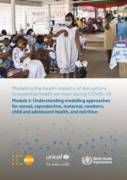
Modelling the health impacts of disruptions to essential health services during COVID-19 Module 1
Several epidemiological models have been created to assess the potential impact of disruptions to e
...
ssential health services caused by COVID-19 on morbidity and mortality from conditions other than COVID-19 illness. This guide presents models that have been used to assess these indirect impacts. The effects have been studied in various settings, using a variety of models.
The guide is intended for people who need to understand what the models say, their construction and their underlying assumptions, or need to use models and their outcomes for planning and programme development and to support policy decisions for a country or region.
more
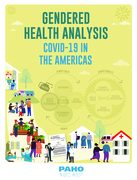
This document focus on the direct consequences of the virus (morbidity and mortality) in specific populations and on the results of measures aimed at mitigating the spread
...
of the virus, with indirect impacts on socio-economic conditions. In this complex scenario, the gender approach has not received due attention during the pandemic. Gender is one of the structural determinants of health, but it does not appear in analyses of the direct and indirect effects of the pandemic, despite being essential in the recognition and analysis of the differential impacts on men and women and their interaction with the different determinants of health.
more

Transforming Health Systems: Achieving Universal Health Coverage by 2022. The development of the Kenya Health Sector Strategic Plan 2018–2023 is guided by the Constitution of 2010, the Kenya Visio
...
n 2030 and the Kenya Health Policy 2014–2030.
more

Essential health care service disruption due to COVID-19: lessons for sustainability in Nigeria
AHOP National Centre based in Nigeria
World Health Organization WHO, Regional Office Africa
(2022)
C_WHO
The brief concludes that sustaining the continuity of EHS requires policies that ensure a whole-society and systems strengthening approach. This involves increased health care investment, community engagement, disease control regulations, and multis
...
ector approaches to improve resilience, EHS quality, and equity.
more

The World Health Organization (WHO) convened a meeting of the Technical Advisory Group on Buruli ulcer at its headquarters in Geneva, Switzerland on 25 to 27 March 2019
The World health statistics report is the annual compilation of health and health-related indicators, which has been published by the World Health Organization since 2005.
The 2025 edition consolidates data for health-related indicators from the
...
Sustainable Development Goals. It assesses progress towards the globally agreed targets, describes key challenges for the years ahead and includes reviews on global health topics such as healthy life expectancy and premature mortality, the Triple Billion targets, and inequalities in immunization.
more

The Leprosy Programme and Transmission Assessment (LPTA) is an activity that is carried out by internal teams towards the end of Phase 1 (see Leprosy Elimination Framework in the Annex) when a subnational jurisdiction (typically second-tier) reaches
...
the milestone for interruption of transmission, i.e., zero autochthonous child cases for a consecutive period of five years. It also needs to be done at the end of Phase 2, when the second milestone of elimination of leprosy disease has been reached. An LPTA will be carried out to document that all relevant programme criteria have been met and examine trends of epidemiological indicators in such jurisdiction to confirm that the milestone has been achieved. The LPTA includes assessment of health facilities that provide leprosy services. LPTA comprises of review of epidemiological data, health facility assessment and data validation and verification of the programme criteria through observation during a field visit. The evidence collected in this way in subnational health administrative units is compiled in a Leprosy Elimination Dossier to be submitted to WHO when the country reaches the milestone for elimination of disease in the country as whole. Countries that have not detected any new leprosy cases in the past three years or more can use the LPTA at national level prior to or as part of the verification process. Countries likely to be among the first to apply for verification may have had no new cases detected for more than 10 years.
more
Advances in the treatment of pediatric cancer have made it possible to expand initiatives beyond cure and cover aspects such as early detection, continuity of treatment and reduction in toxicity. Al
...
l this has paved the way for a more comprehensive vision of patient care, which means better chances of healing and a fuller life - objectives of the World Initiative against Childhood Cancer. Within this comprehensive care, psychosocial care includes the social, psychological, spiritual and functional dimensions of the disease process of patients. This series includes guidelines and standards based on evidence that guarantee the quality of said care. The standards are the result of discussion and review by different professionals from Latin America and the Caribbean. Module 1 focuses on psychosocial evaluation as a strategy to support the objectives of the World Initiative against Childhood Cancer, and as a tool for health professionals to gather the necessary information to offer these patients a comprehensive approach focused on well-being, adaptation to the disease process, and adherence to treatment.
more

The Disaster Recovery Framework (DRF) Guide for the Health Sector provides guidance on how to implement a comprehensive, integrated, and structured approach to disaster recovery. Its overarching goal is to minimize the impact of the disaster on comm
...
unities and help countries to recover quickly and effectively from disasters, in coordination with key stakeholders.
The DRF Guide for the Health Sector is adapted from the generic DRF Guide, and draws on the Implementation Guide For Health Systems Recovery in Emergencies, the Health Emergency and Disaster Risk Management Framework as well as the Disaster Recovery Guidance Series. The guide also makes links with multi-sectoral, government-led recovery planning processes such as the Post-Disaster Needs Assessment (PDNA), and it supports the implementation of the HDPN.
more

Health system resilience is not an inevitable byproduct of any investment in health but must be intentionally programmed and developed with necessary input, investment and contextualization. This technical product aims to guide national, subnational
...
, and global health actors to operationalize the concept of health system resilience for advancement of universal health coverage, health security and ultimately better health for all. It supports the translation of relevant conceptual guidance and high-level recommendations into practical actions.
The specific objectives are to:
present a concise overview of the concept of health system resilience;
provide a roadmap outlining practical and foundational steps for building health system resilience to be adapted to different contexts;
share examples of actions and tools, including stakeholder roles, to support country application of the roadmap.
The target audience for this work is the various stakeholders involved in strengthening health systems and public health including management of emergencies (from prevention and preparedness to response and recovery) and other public health challenges in countries. This ranges from the donors, policy-makers and decision-makers at global, national and subnational levels to the implementing institutions and line managers of health system functions and services across the health system building blocks.
more

The key to a lasting world free of all forms of poliovirus lies in rapidly interrupting all remaining endemic transmission of WPV in the endemic ar
...
eas of Pakistan and Afghanistan. This is the only way to ensure that such strains do not re-emerge globally through international spread. It lays the cornerstone for the eventual cessation of all oral polio vaccine use, in order to eliminate the long-term risks associated with variant poliovirus strains, which is the GPEI’s top operational priority. The target for certifying the
world free of all WPV remains end-2026.
more

This integrated operational framework provides an overview of the connections between mental health, neurological and substance use (MNS) conditions, and their links to health, well-being and the broader public health and sustainable development age
...
nda. The need for integrated approaches is increasingly recognized as critical to address the complex interactions between mental health, brain health, substance use, and physical health, particularly in light of global threats such as the COVID-19 pandemic. The framework also provides a series of actions for governments and health service planners and advisors to achieve integration across four domains: leadership and governance; care services; promotion and prevention; and health information systems, evidence generation and research.
more

This toolkit is a comprehensive set of practical tools and resources designed to support country-level risk communication and community engagement (RCCE) practitioners, decision-makers and partners to plan and implement readiness and response activi
...
ties for Ebola disease outbreaks. The toolkit contains: information about Ebola disease; RCCE considerations on how to approach key issues during Ebola disease outbreaks; tools for understanding the context in which Ebola disease outbreaks occur; methods for collecting data to inform strategy development and bring evidence into the planning and implementation of activities; guidance to support prevention and response interventions; and links to existing RCCE tools and training. It is one of a suite of toolkits on RCCE readiness and response to a range of disease and response areas.
more

Consolidated guidelines on person-centred HIV strategic information: strengthening routine data for impact
recommended
These guidelines focus on the collection and use of person-centred data across the HIV cascade – from prevention, testing and treatment to longer-term health care – building upon 2017 and 2020 strategic information guidelines. The updated guidel
...
ines present a standard minimum dataset, priority indicators and recommendations to strengthen data use across HIV prevention, testing and treatment, and linkages to services for sexually transmitted infections, viral hepatitis, tuberculosis and cervical cancer. The guidelines also cover the use of routinely collected data for HIV surveillance (including measurement of HIV prevalence and incidence) and emphasize the use of data from different sources to gain a better picture of epidemiologic trends.
more
By 2030, without accelerated scale-up of prevention and treatment coverage there may be an estimated 320 000 new HIV infections and 7.6 million people living with HIV
WHO Model Formulary for Children
recommended
WHO Model Formulary for children based on the Second Model List of Essential Medicines for Children 2009.
In 2007, the World Health Assembly passed a Resolution titled ‘Better Medicines for Children’. This resolution recognized the need for re
...
search and development into medicines for children, including better dosage forms, better evidence and better information about how to ensure that medicines for treating the common childhood diseases are given at the right dose for children of all ages.
more
