
Filter
1802
Text search:
urine
Featured
285
510
Language
Document type
968
348
188
126
56
47
33
14
12
6
2
2
Countries
181
60
58
51
50
48
43
41
36
34
33
33
32
29
25
22
20
19
19
19
18
17
15
13
13
12
12
12
12
12
11
11
10
8
7
6
6
6
6
5
5
4
4
4
4
4
4
4
3
3
3
3
3
3
3
3
2
2
2
2
2
2
2
2
2
2
2
2
2
2
2
2
1
1
1
1
1
1
1
1
1
1
1
1
1
1
1
1
1
1
1
1
1
1
1
1
1
Authors & Publishers
Publication Years
Category
696
252
114
92
82
56
38
Toolboxes
164
125
104
80
79
73
68
57
51
49
44
42
25
25
25
22
20
18
17
14
12
8
4
1
1
WHO Package of Essential NCD Interventions (PEN)
Accessed March 18,2019

This block contains a wide variety of disorders that differ in severity (from uncomplicated intoxication and harmful use to obvious psychotic disorders and dementia), but that are all attributable to the use of one or more psychoactive substances (which may or may not have been medically prescribed)
...
Q3: Are pharmacotherapies safe and effective for the treatment of psychostimulant dependence (maintenance or relapse prevention) in non-specialized settings?

Substance use disorders
Chapter G.3

Ces formulaires sont destinés uniquement aux cliniciens et infirmiers s’occupant de patients atteints de la maladie à virus Ebola. Ils fournissent des informations standardisées qui doivent être collectées par les cliniciens au moment de l’admission, tous les jours, et lors de la sortie du
...

These forms are intended only for clinicians and nurses taking care of patients with Ebola virus disease. They provide standardized information that needs to be collected by the clinicians at admission time, every day and at time of discharge.
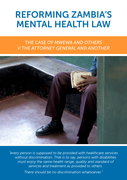
every person is supposed to be provided with healthcare services without discrimination. That is to say, persons with disabilities must enjoy the same health range, quality and standard of services and treatment as provided to others
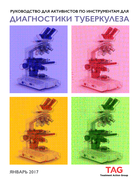
Проект ВИЧ/ТБ инициативной группы TAG призван способствовать повышению качества исследований, программ и рекомендаций для людей, живущих с ВИЧ и туберкулезом (ТБ).
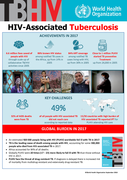
Accessed:10.03.2020
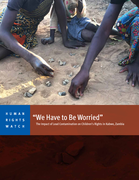
Children in Kabwe are especially at risk because they are more likely to ingest lead dust when playing in the soil, their brains and bodies are still developing, and they absorb four to five times as much lead as adults. The consequences for children who are exposed to high levels of lead and are no
...

Accessed: 20.11.2019

Accessed Febr. 6 ,2020

Accessed Febr. 6, 2020
The purpose of this document is to provide interim guidance to laboratories and stakeholders involved in laboratory testing of patients who meet the definition of suspected case of pneumonia associated with a novel coronavirus identified in Wuhan, China.
19 March 2020

Accessed: 29.02.2020
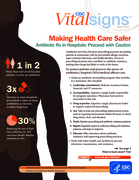
Antibiotics save lives, but poor prescribing practices are putting patients at unnecessary risk for preventable allergic reactions,
super-resistant infections, and deadly diarrhea. Errors in prescribing decisions also contribute to antibiotic resistance, making these drugs less likely to work in th
...

Water, sanitation, hygiene, and waste management for SARS-CoV-2, the virus that causes COVID-19
recommended
Updated Interim guidance 29 July 2020
The provision of safe water, sanitation and waste management and hygienic conditions is essential for preventing and for protecting human health during all infectious disease outbreaks, including of coronavirus disease 2019 (COVID-19). Ensuring evidenced-based
...

The international community sits at the tipping pointof a post-‐antibiotic era, where common bacterial infections are no longer treatable with the antibiotic armamentarium that exists. In South Africa, t
...
An essential participant in antimicrobial stewardship who has been unrecognized and underutilized is the“staff nurse.”Although the role of staff nurses has not formally been recognized in guidelines for implementing and operating antimicrobial stewardship programs (ASPs) or defined in the medica
...
