
Filter
3080
Text search:
Gesundheit
Featured
213
810
Language
2051
506
355
276
156
131
72
69
49
39
35
32
30
29
29
29
27
23
23
22
21
21
21
20
18
16
14
14
13
13
12
11
10
10
10
9
8
8
7
7
6
6
6
5
5
4
4
4
4
4
4
3
3
3
3
3
3
2
2
2
2
1
1
1
1
1
1
1
1
1
1
1
1
1
1
Document type
1408
511
315
146
145
113
90
89
81
69
57
26
22
3
3
Countries
313
213
182
112
80
78
76
67
66
60
60
58
57
57
48
47
43
43
43
42
40
38
37
35
34
33
32
31
31
30
29
27
26
26
24
22
21
20
20
20
19
18
15
15
14
12
12
11
11
11
10
9
9
9
9
9
8
8
7
6
6
6
6
6
6
6
5
5
5
4
4
4
4
4
4
4
3
3
3
3
3
3
3
3
3
3
2
2
2
2
2
2
2
2
2
2
2
2
2
1
1
1
1
1
1
1
1
1
1
1
1
1
1
1
1
1
1
1
1
1
1
Authors & Publishers
209
115
90
71
67
57
51
50
49
46
35
29
29
27
26
26
24
23
22
20
19
19
18
16
16
16
15
14
13
13
12
12
11
11
10
10
9
9
9
9
9
9
9
9
9
8
8
8
8
8
8
8
8
7
7
7
7
7
7
7
7
7
6
6
6
6
6
6
6
6
6
6
6
6
6
6
6
6
6
6
5
5
5
5
5
5
5
5
5
5
5
5
5
5
5
5
5
5
5
5
5
5
5
5
5
4
4
4
4
4
4
4
4
4
4
4
4
4
4
4
4
4
4
4
4
4
4
4
4
4
4
4
4
4
4
4
4
4
4
4
4
4
4
4
4
4
4
4
4
4
4
3
3
3
3
3
3
3
3
3
3
3
3
3
3
3
3
3
3
3
3
3
3
3
3
3
3
3
3
3
3
3
3
3
3
3
3
3
3
3
3
3
3
3
3
3
3
3
3
3
3
3
3
3
3
3
3
3
3
3
3
3
3
3
3
3
3
3
3
3
3
3
3
3
3
3
3
3
3
3
2
2
2
2
2
2
2
2
2
2
2
2
2
2
2
2
2
2
2
2
2
2
2
2
2
2
2
2
2
2
2
2
2
2
2
2
2
2
2
2
2
2
2
2
2
2
2
2
2
2
2
2
2
2
2
2
2
2
2
2
2
2
2
2
2
2
2
2
2
2
2
2
2
2
2
2
2
2
2
2
2
2
2
2
2
2
2
2
2
2
2
2
2
2
2
2
2
2
2
2
2
2
2
2
2
2
2
2
2
2
2
2
2
2
2
2
2
2
2
2
2
2
2
2
2
2
2
2
2
2
2
2
2
2
2
2
2
2
2
2
2
2
2
2
2
2
2
2
2
2
2
2
2
2
2
2
2
2
2
2
2
2
2
2
2
2
2
2
2
2
2
2
2
2
2
2
2
2
2
2
2
2
2
2
2
2
2
2
2
2
2
2
2
2
2
2
2
2
2
2
2
2
2
2
2
2
2
2
2
2
2
2
2
2
2
2
2
2
2
2
2
2
1
1
1
1
1
1
1
1
1
1
1
1
1
1
1
1
1
1
1
1
1
1
1
1
1
1
1
1
1
1
1
1
1
1
1
1
1
1
1
1
1
1
1
1
1
1
1
1
1
1
1
1
1
1
1
1
1
1
1
1
1
1
1
1
1
1
1
1
1
1
1
1
1
1
1
1
1
1
1
1
1
1
1
1
1
1
1
1
1
1
1
1
1
1
1
1
1
1
1
1
1
1
1
1
1
1
1
1
1
1
1
1
1
1
1
1
1
1
1
1
1
1
1
1
1
1
1
1
1
1
1
1
1
1
1
1
1
1
1
1
1
1
1
1
1
1
1
1
1
1
1
1
1
1
1
1
1
1
1
1
1
1
1
1
1
1
1
1
1
1
1
1
1
1
1
1
1
1
1
1
1
1
1
1
1
1
1
1
1
1
1
1
1
1
1
1
1
1
1
1
1
1
1
1
1
1
1
1
1
1
1
1
1
1
1
1
1
1
1
1
1
1
1
1
1
1
1
1
1
1
1
1
1
1
1
1
1
1
1
1
1
1
1
1
1
1
1
1
1
1
1
1
1
1
1
1
1
1
1
1
1
1
1
1
1
1
1
1
1
1
1
1
1
1
1
1
1
1
1
1
1
1
1
1
1
1
1
1
1
1
1
1
1
1
1
1
1
1
1
1
1
1
1
1
1
1
1
1
1
1
1
1
1
1
1
1
1
1
1
1
1
1
1
1
1
1
1
1
1
1
1
1
1
1
1
1
1
1
1
1
1
1
1
1
1
1
1
1
1
1
1
1
1
1
1
1
1
1
1
1
1
1
1
1
1
1
1
1
1
1
1
1
1
1
1
1
1
1
1
1
1
1
1
1
1
1
1
1
1
1
1
1
1
1
1
1
1
1
1
1
1
1
1
1
1
1
1
1
1
1
1
1
1
1
1
1
1
1
1
1
1
1
1
1
1
1
1
1
1
1
1
1
1
1
1
1
1
1
1
1
1
1
1
1
1
1
1
1
1
1
1
1
1
1
1
1
1
1
1
1
1
1
1
1
1
1
1
1
1
1
1
1
1
1
1
1
1
1
1
1
1
1
1
1
1
1
1
1
1
1
1
1
1
1
1
1
1
1
1
1
1
1
1
1
1
1
1
1
1
1
1
1
1
1
1
1
1
1
1
1
1
1
1
1
1
1
1
1
1
1
1
1
1
1
1
1
1
1
1
1
1
1
1
1
1
1
1
1
1
1
1
1
1
1
1
1
1
1
1
1
1
1
1
1
1
1
1
1
1
1
1
1
1
1
1
1
1
1
1
1
1
1
1
1
1
1
1
1
1
1
1
1
1
1
1
1
1
1
1
1
1
1
1
1
1
1
1
1
1
1
1
1
1
1
1
1
1
1
1
1
1
1
1
1
1
1
1
1
1
1
1
1
1
1
1
1
1
1
1
1
1
1
1
1
1
1
1
1
1
1
1
1
1
1
1
1
1
1
1
1
1
1
1
1
1
1
1
1
1
1
1
1
1
1
1
1
1
1
1
1
1
1
1
1
1
1
1
1
1
1
1
1
1
1
1
1
1
1
1
1
1
1
1
1
1
1
1
1
1
1
1
1
1
1
1
1
1
1
1
1
1
1
1
1
1
1
1
1
1
1
1
1
1
1
1
1
1
1
1
1
1
1
1
1
1
1
1
1
1
1
1
1
1
1
1
1
1
1
1
1
1
1
1
1
1
1
1
1
1
1
1
1
1
1
1
1
1
1
1
1
1
1
1
1
1
1
1
1
1
1
1
1
1
1
1
1
1
1
1
1
1
1
1
1
1
1
1
1
1
1
1
1
1
1
1
1
1
1
1
1
1
1
1
1
1
1
1
1
1
1
1
1
1
1
1
1
1
1
1
1
1
1
1
1
1
1
1
1
1
1
1
1
1
1
1
1
1
1
1
1
1
1
1
1
1
1
1
1
1
1
1
1
1
1
1
1
1
1
1
1
1
1
1
1
1
1
1
1
1
1
1
1
1
1
1
1
1
1
1
1
1
1
1
1
1
1
1
1
1
1
1
1
1
1
1
1
1
1
1
1
1
1
1
1
1
1
1
1
1
1
1
1
1
1
1
1
1
1
1
1
1
1
1
1
1
1
1
1
1
1
1
1
1
1
1
1
1
1
1
1
1
1
1
1
1
1
1
1
1
1
1
1
1
1
1
1
1
1
1
1
1
1
1
1
1
1
1
1
1
1
1
1
1
1
1
1
1
1
1
1
1
1
1
1
1
1
1
1
1
1
1
1
1
1
1
1
1
1
1
1
1
1
1
1
1
1
1
1
1
1
1
1
1
1
1
1
1
1
1
1
1
1
1
1
1
1
1
1
1
1
1
1
1
1
1
1
1
1
1
1
1
1
1
1
1
1
1
1
1
1
1
1
1
1
1
1
1
1
1
1
1
1
1
1
1
1
1
1
1
1
1
1
1
1
1
1
1
1
1
1
1
1
1
1
1
1
1
1
1
1
1
1
1
1
1
1
1
1
1
1
1
1
1
1
1
1
1
1
1
1
1
1
1
1
1
1
1
1
1
1
1
1
1
1
1
1
1
1
1
1
1
1
1
1
1
1
1
1
1
1
1
1
1
1
1
1
1
1
1
1
1
1
1
1
1
1
1
1
1
1
1
1
1
1
1
1
1
1
1
1
1
1
1
1
1
1
1
1
1
1
1
1
1
1
1
1
1
1
1
1
1
1
1
1
1
1
1
1
1
1
1
1
1
1
1
1
1
1
1
1
1
1
1
1
1
1
1
1
1
1
1
1
1
1
1
1
1
1
1
1
1
1
1
1
1
1
1
1
1
1
1
1
1
1
1
1
1
1
1
1
1
1
1
1
1
1
1
1
1
1
1
1
1
1
1
1
1
1
1
1
1
1
1
1
1
1
1
1
1
1
1
1
1
1
1
1
1
1
1
1
1
1
1
1
1
1
1
1
1
1
1
1
1
1
1
1
1
1
1
1
1
1
1
1
1
1
1
1
1
1
1
1
1
1
1
1
1
1
1
1
1
1
1
1
1
1
1
1
1
1
1
1
1
1
1
1
1
1
1
1
1
1
1
1
1
1
1
1
1
1
1
1
1
1
1
1
1
1
1
1
1
1
1
1
1
1
1
1
1
1
1
1
1
1
1
1
1
1
1
1
1
1
1
1
1
1
1
1
1
1
1
1
1
1
1
1
1
1
1
1
1
1
1
1
1
1
1
1
1
1
1
1
1
1
1
1
1
1
1
1
1
1
1
1
1
1
1
1
1
1
1
1
1
1
1
1
1
1
1
1
1
1
1
1
1
1
1
1
1
1
1
1
1
1
1
1
1
1
1
1
1
1
1
1
1
1
1
1
1
1
1
1
1
1
1
1
1
1
1
1
1
1
1
1
1
1
1
1
1
1
1
1
1
1
1
1
1
1
1
1
1
1
1
1
1
1
1
1
1
1
1
1
1
1
1
1
1
1
1
1
1
1
1
1
1
1
1
1
1
1
1
1
1
1
1
1
1
1
1
1
1
1
1
1
1
1
1
1
1
1
1
1
1
1
1
1
1
1
1
1
1
1
1
1
1
1
1
1
1
1
1
1
1
1
1
1
1
1
1
1
1
1
1
1
1
1
1
1
1
1
1
1
1
1
1
1
1
1
1
1
1
1
1
1
1
1
1
1
1
1
1
1
1
1
1
1
1
1
1
1
1
1
1
1
1
1
1
1
1
1
1
1
1
1
1
1
1
1
1
1
1
1
1
1
1
1
1
1
1
1
1
1
1
1
1
1
1
1
1
1
1
1
1
1
1
1
1
1
1
1
1
1
1
1
1
1
1
1
1
1
1
1
1
1
1
1
1
1
1
1
1
1
1
1
1
1
1
1
1
1
1
1
1
1
1
1
1
1
1
1
1
1
1
1
1
1
1
1
1
1
1
1
1
1
1
1
1
1
1
1
1
1
1
1
1
1
1
1
1
1
1
1
1
1
1
1
1
1
1
1
1
1
1
1
1
1
1
1
1
1
1
1
1
1
1
1
1
1
1
1
1
1
1
1
1
1
1
1
1
1
1
1
1
1
1
1
1
1
1
1
1
1
1
1
1
1
1
1
1
1
1
1
1
1
1
1
1
1
1
1
1
1
1
1
1
1
1
1
1
1
1
1
1
1
1
1
1
1
1
1
1
1
1
1
1
1
1
1
1
1
1
1
1
1
1
1
1
1
1
1
1
1
1
1
1
1
1
1
1
1
1
1
1
1
1
1
1
1
1
1
1
1
1
1
1
1
1
1
1
1
1
1
1
1
1
1
1
1
1
1
1
1
1
1
1
1
1
1
1
1
1
1
1
1
1
1
1
1
1
1
1
1
1
1
1
1
1
1
1
1
1
1
1
1
1
1
1
1
1
1
1
1
1
1
1
1
1
1
1
1
1
1
1
1
1
1
1
1
1
1
1
1
1
1
1
1
1
1
1
1
1
1
1
1
1
1
1
1
1
1
1
1
1
1
1
1
1
1
1
1
1
1
1
1
1
1
1
1
1
1
1
1
1
1
1
1
1
1
1
1
1
1
1
1
1
1
1
1
1
1
1
1
1
1
1
1
1
Publication Years
1100
1759
216
5
Category
1637
383
285
262
100
70
4
2
Toolboxes
340
227
153
141
125
118
88
81
75
65
41
33
29
27
23
22
18
15
14
9
8
7
4
3
2
Infographic: Preventing and controlling neglected parasitic zoonoses: a key role for the animal health sector
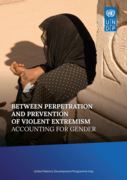
This study emphasizes the contribution that women can play in the prevention of violent extremism within the family and society and analyzes the drivers and roles of women taking part in violent extremism and supporting violent and extremist groups.
UNDP Iraq is pleased to make this study and its r
...
ecommendations available to national and international partners and to all interested experts and researchers working in the field of preventing violent extremism to contribute to enriching the discussion and strengthening programmes to prevent violent extremism in the Arab region.
more
The aim of this course is to improve the prevention, detection, treatment and cure of sexually transmitted infections (STIs) and other reproductive tract infections (RTIs) in settings serving pregnant women and their families.

This document focus on the direct consequences of the virus (morbidity and mortality) in specific populations and on the results of measures aimed at mitigating the spread of the virus, with indirect impacts on socio-economic conditions. In this complex scenario, the gender approach has not received
...
due attention during the pandemic. Gender is one of the structural determinants of health, but it does not appear in analyses of the direct and indirect effects of the pandemic, despite being essential in the recognition and analysis of the differential impacts on men and women and their interaction with the different determinants of health.
more

World Health Organization. (2021). Minimum technical standards and recommendations for reproductive, maternal, newborn and child health care for emergency medical teams. World Health Organization.
Organisation mondiale de la Santé. (2022). Normes et recommandations techniques minimales pour les soins de santé reproductive et de santé de la mère, du nouveau-né et de l’enfant pour les équipes médicales d’urgence. Organisation mondiale de la Santé.
The revision of the SRHR Policy is based on the results of the analysis of the implementation process of the past policy, which has provided evidence to
ensure that the revised policy is relevant and effective. The revision has also been done with the participation of all national stakeholders who
...
have
also international experience on SRHR issues. The Ministry urges all public and private institutions to use this policy as a guide in the implementation of
SRHR services in the country.
more
The purpose of the programme is to build capacity within the public health sector in the field of reproductive, maternal and newborn health. The programme is an on-line training programme including modules on Quality Improvement, Leadership and Management and a Practical project module when the part
...
icipants conduct a project in their own country.
more
Self-care interventions are evidence-based, quality drugs, devices, diagnostics and/or digital products which can be provided fully or partially outside of formal health services and can be used with or without the direct supervision of health care personnel.
Where HPV tests are available as part o
...
f the national programme, HPV self-sampling offers an additional option to improve cervical cancer screening coverage.
Self-sampling can help reach a global target of 70% coverage of screening by 2030. Women may feel more comfortable taking their own samples, rather than going to see a health worker for cervical cancer screening.
more
his publication provides an overview of social inequalities in several indicators related to the health of women, children, and adolescents in a region deemed as one with high levels of inequality: Latin America and the Caribbean (LAC). In order for it to serve as a baseline for the 2030 Agenda, emp
...
hasis is placed on examining these inequalities around the year 2014. The analysis suggests that reducing within-country disparities is a priority, as widespread social inequalities in health are identified among LAC countries.
more

The World Health Organization (WHO) is releasing the second edition of its Global Accelerated Action for the Health of Adolescents (AA-HA!) guidance. The document aims to equip governments to respond to the health and well-being challenges, opportunities and needs of adolescents.
The guidance pro
...
vides the latest available data on adolescent health and well-being. It also outlines an updated list of core indicators that data should be collected on. Globally, road injury was the top cause of death for adolescent males in 2019. Among female adolescents, the leading causes of death were diarrhoeal diseases among the younger group (10-14 years) and tuberculosis (TB) in the older group (15-19 years).
Over the last 20 years, mortality rates have declined among adolescents globally, with the largest decline in older (15–19 years) adolescent girls. For non-fatal diseases, the burden has not improved over the past two decades, with the main causes of ill health in this category being: mental health conditions (depressive and anxiety disorders, childhood behavioural disorders), iron deficiency anaemia, skin diseases and migraine.
Adolescent well-being depends on a range of factors, including healthy food, education, life skills and employability, connectedness, feeling valued by society, safe and supportive environments, resilience, and the freedom to make choices. To take an appropriately holistic approach, the guidance outlines how to take crosscutting action to support adolescent health and well-being, with mutually reinforcing interventions across sectors, such as health, education, social protection, and telecommunications. Targeted efforts are also required to engage adolescents, as they trust health systems less than adults do and are especially vulnerable to modern-day trends, like online bullying and gaming.
more

This toolkit was developed to provide detailed information and resources to support implementation of the WHO intrapartum and immediate postnatal care recommendations at the health-care facility level. The careful design of this toolkit is based on a rigorous evidence-based approach that includes im
...
plementation strategies of proven effectiveness to help close the gap between WHO’s care recommendations and current policies and practices.
The primary target audience for the toolkit includes policy-makers, health-care facility managers, implementers and managers of maternal and child health programmes, nongovernmental organizations (NGOs) and professional societies involved in the planning and management of maternal and child health services.
more
According to the latest available data, over half of the world’s population lack access to essential health services, and health worker shortages are estimated to reach 10 million by 2030. These contextual factors point to an urgent need to explore innovative strategies – that go beyond a conven
...
tional health-sector response – for reaching people with the health services they need.
more
Les interventions d’autosoins offrent un énorme potentiel pour renforcer l’action individuelle et réduire les inégalités
en matière de santé en augmentant la disponibilité d’options de soins de santé accessibles, acceptables et abordables qui s’ajoutent aux services et soins reçus
...
dans un établissement de soins de santé et peuvent les compléter. Alors que nous arrivons à mi-parcours de la période de 15 ans des objectifs de développement durable (ODD) et que nous examinons les défis auxquels
le monde est confronté, nous devons adopter des solutions potentiellement transformatrices
more
Las intervenciones de autocuidado ofrecen un enorme potencial para mejorar la autonomía individual y reducir
las desigualdades sanitarias al aumentar la disponibilidad de opciones de atención sanitaria accesibles, aceptables
y asequibles que se suman a los servicios y la atención recibidos en u
...
n centro sanitario y los complementan
more

Benchmarking is a strategic process often used by businesses and institutes to standardize performance in relation to the best practices of their sector. The World Health Organization (WHO) and partners have developed a tool with a list of benchmarks and corresponding suggested actions that can be a
...
pplied to implement the International Health Regulations 2005 (IHR) and strengthen health emergency prevention, preparedness, response and resilience capacities.
The first edition of the benchmarks was published in 2019 to support countries in developing, implementing and documenting progress of national IHR or health security plans (e.g. national action plan for health security (NAPHS), national action plan for emerging infectious diseases, public health emergencies and health security and other country level plans for health emergencies). The tool has been updated to incorporate lessons from COVID-19 and other health emergencies, to align with the updated IHR monitoring & evaluation framework (IHR MEF) tools and the health systems for health security framework, and to support strengthening health emergency prevention, preparedness, response and resilience (HEPR) capacities and the Preparedness and Resilience for Emerging Threats (PRET) initiative.
more

Neonatal tetanus (NT), a severe newborn illness from the toxigenic strains of Clostridium tetani, persists in middle- and low-income countries due to non-sterile childbirth practices. Unlike smallpox and polio, tetanus cannot be eradicated: Clostridium tetani spores exist in the environment, and ani
...
mal reservoirs. However, elimination as a public health issue is achievable through widespread tetanus vaccination, clean deliveries, and proper umbilical cord care. The goal of eliminating maternal and neonatal tetanus (MNT) as a public health problem is considered met when all municipalities in a country have an annual incidence rate of NT of less than 1 case per 1000 live births. The Region of the Americas achieved the maternal and neonatal tetanus elimination (MNTE) target in 2017 when elimination was validated in the Republic of Haiti. Yet maintaining this progress requires continued efforts. High vaccination coverage, booster doses in countries lacking them, hygienic practices, and strong maternal and child health services are key. The Pan American Health Organization’s (PAHO) integrated maternal and neonatal immunization platform further strengthens this fight against early childhood diseases.
more
Imagine a child- friendly and resilient community in Malawi. A happy child, healthy parents, a latrine behind the house, livestock somewhere in the backyard, no-one panics when clouds come because people are prepared for the rain.
At UNICEF, we are working with the Government and civil society of M
...
alawi to create child-friendly, resilient communities where
children and adolescents can grow, go to school and play- free from violence, abuse, exploitation and neglect.
more

The RTA covered UNICEF’s response to COVID-19 from March 2020 – when WHO declared the disease a pandemic – until January 2021. Further, the RTA applied a broad and cross-cutting lens to all 21 UNICEF county offices across the region, focusing on six case study countries: Kenya, Madagascar, Nam
...
ibia, Somalia, South Africa and Uganda.
In addition to a Regional Analysis Report, the RTA produced six deep-dive reports with findings and lessons specific to the six case study countries mentioned above – all of which can be accessed through the drop-down listing on this page.
more

In 2022, Namibia had an estimated population of 2.6 million people, where 51 per cent per cent are females and 52.5 per cent of households in urban areas, with fast-growing urban informal settlements which lack access to basic services. Namibia has a young population; 42 per cent are children (0-17
...
years), 13 per cent are under-five, per cent and 19 per cent are aged 15 to 24 years. With the right investment on children and youth, this represents an opportunity for a demographic dividend.
more
