
Filter
3157
Text search:
Child
Poverty
Featured
196
984
Language
3054
75
69
39
37
22
16
12
5
4
4
4
3
2
2
2
2
2
2
2
2
2
2
2
2
1
1
1
1
1
1
1
1
1
1
1
1
1
1
1
1
1
1
1
1
Document type
1999
613
194
131
109
37
37
18
7
5
4
2
Countries
158
143
116
92
92
83
83
79
75
69
69
66
64
60
55
52
48
47
43
39
37
36
35
33
31
30
29
26
23
22
21
20
19
18
17
16
14
14
14
14
14
14
13
13
13
12
12
11
10
10
10
10
9
8
8
8
7
7
7
6
6
6
5
5
5
5
4
4
4
4
4
4
4
3
3
3
3
3
3
3
2
2
2
2
2
2
2
2
2
2
1
1
1
1
1
1
1
1
1
1
1
1
1
1
1
1
1
1
1
1
1
1
1
1
1
1
Authors & Publishers
228
104
95
84
69
62
58
37
37
35
33
32
23
20
19
16
16
16
15
15
14
14
14
14
14
13
12
12
12
12
12
11
11
11
11
10
10
10
10
10
10
9
9
9
9
9
9
9
9
9
9
9
9
9
9
9
8
8
8
8
7
7
7
7
7
7
6
6
6
6
6
6
6
6
6
6
6
6
6
6
6
6
5
5
5
5
5
5
5
5
5
5
5
5
5
5
5
5
5
5
5
4
4
4
4
4
4
4
4
4
4
4
4
4
4
4
4
4
4
4
4
4
4
4
4
4
4
4
4
4
4
4
4
4
4
3
3
3
3
3
3
3
3
3
3
3
3
3
3
3
3
3
3
3
3
3
3
3
3
3
3
3
3
3
3
3
3
3
3
3
3
3
3
3
3
3
3
3
3
3
3
3
3
3
3
3
3
3
3
3
3
3
3
3
3
3
3
3
3
3
3
2
2
2
2
2
2
2
2
2
2
2
2
2
2
2
2
2
2
2
2
2
2
2
2
2
2
2
2
2
2
2
2
2
2
2
2
2
2
2
2
2
2
2
2
2
2
2
2
2
2
2
2
2
2
2
2
2
2
2
2
2
2
2
2
2
2
2
2
2
2
2
2
2
2
2
2
2
2
2
2
2
2
2
2
2
2
2
2
2
2
2
2
2
2
2
2
2
2
2
2
2
2
2
2
2
2
2
2
2
2
2
2
2
2
2
2
2
2
2
2
2
2
2
2
2
2
2
2
2
2
2
2
2
2
2
2
2
2
2
2
2
2
2
2
2
2
2
2
2
2
2
2
2
2
2
2
2
2
2
2
2
2
2
2
2
2
2
2
2
2
2
2
2
2
2
2
2
2
2
2
2
2
2
2
2
2
2
2
2
2
2
2
2
2
2
2
2
2
2
2
2
2
2
2
2
2
2
2
2
2
2
2
2
2
2
2
2
2
2
1
1
1
1
1
1
1
1
1
1
1
1
1
1
1
1
1
1
1
1
1
1
1
1
1
1
1
1
1
1
1
1
1
1
1
1
1
1
1
1
1
1
1
1
1
1
1
1
1
1
1
1
1
1
1
1
1
1
1
1
1
1
1
1
1
1
1
1
1
1
1
1
1
1
1
1
1
1
1
1
1
1
1
1
1
1
1
1
1
1
1
1
1
1
1
1
1
1
1
1
1
1
1
1
1
1
1
1
1
1
1
1
1
1
1
1
1
1
1
1
1
1
1
1
1
1
1
1
1
1
1
1
1
1
1
1
1
1
1
1
1
1
1
1
1
1
1
1
1
1
1
1
1
1
1
1
1
1
1
1
1
1
1
1
1
1
1
1
1
1
1
1
1
1
1
1
1
1
1
1
1
1
1
1
1
1
1
1
1
1
1
1
1
1
1
1
1
1
1
1
1
1
1
1
1
1
1
1
1
1
1
1
1
1
1
1
1
1
1
1
1
1
1
1
1
1
1
1
1
1
1
1
1
1
1
1
1
1
1
1
1
1
1
1
1
1
1
1
1
1
1
1
1
1
1
1
1
1
1
1
1
1
1
1
1
1
1
1
1
1
1
1
1
1
1
1
1
1
1
1
1
1
1
1
1
1
1
1
1
1
1
1
1
1
1
1
1
1
1
1
1
1
1
1
1
1
1
1
1
1
1
1
1
1
1
1
1
1
1
1
1
1
1
1
1
1
1
1
1
1
1
1
1
1
1
1
1
1
1
1
1
1
1
1
1
1
1
1
1
1
1
1
1
1
1
1
1
1
1
1
1
1
1
1
1
1
1
1
1
1
1
1
1
1
1
1
1
1
1
1
1
1
1
1
1
1
1
1
1
1
1
1
1
1
1
1
1
1
1
1
1
1
1
1
1
1
1
1
1
1
1
1
1
1
1
1
1
1
1
1
1
1
1
1
1
1
1
1
1
1
1
1
1
1
1
1
1
1
1
1
1
1
1
1
1
1
1
1
1
1
1
1
1
1
1
1
1
1
1
1
1
1
1
1
1
1
1
1
1
1
1
1
1
1
1
1
1
1
1
1
1
1
1
1
1
1
1
1
1
1
1
1
1
1
1
1
1
1
1
1
1
1
1
1
1
1
1
1
1
1
1
1
1
1
1
1
1
1
1
1
1
1
1
1
1
1
1
1
1
1
1
1
1
1
1
1
1
1
1
1
1
1
1
1
1
1
1
1
1
1
1
1
1
1
1
1
1
1
1
1
1
1
1
1
1
1
1
1
1
1
1
1
1
1
1
1
1
1
1
1
1
1
1
1
1
1
1
1
1
1
1
1
1
1
1
1
1
1
1
1
1
1
1
1
1
1
1
1
1
1
1
1
1
1
1
1
1
1
1
1
1
1
1
1
1
1
1
1
1
1
1
1
1
1
1
1
1
1
1
1
1
1
1
1
1
1
1
1
1
1
1
1
1
1
1
1
1
1
1
1
1
1
1
1
1
1
1
1
1
1
1
1
1
1
1
1
1
1
1
1
1
1
1
1
1
1
1
1
1
1
1
1
1
1
1
1
1
1
1
1
1
1
1
1
1
1
1
1
1
1
1
1
1
1
1
1
1
1
1
1
1
1
1
1
1
1
1
1
1
1
1
1
1
1
1
1
1
1
1
1
1
1
1
1
1
1
1
1
1
1
1
1
1
1
1
1
1
1
1
1
1
1
1
1
1
1
1
1
1
1
1
1
1
1
1
1
1
1
1
1
1
1
1
1
1
1
1
1
1
1
1
1
1
1
1
1
1
1
1
1
1
1
1
1
1
1
1
1
1
1
1
1
1
1
1
1
1
1
1
1
1
1
1
1
1
1
1
1
1
1
1
1
1
1
1
1
1
1
1
1
1
1
1
1
1
1
1
1
1
1
1
1
1
1
1
1
1
1
1
1
1
1
1
1
1
1
1
1
1
1
1
1
1
1
1
1
1
1
1
1
1
1
1
1
1
1
1
1
1
1
1
1
1
1
1
1
1
1
1
1
1
1
1
1
1
1
1
1
1
1
1
1
1
1
1
1
1
1
1
1
1
1
1
1
1
1
1
1
1
1
1
1
1
1
1
1
1
1
1
1
1
1
1
1
1
1
1
1
1
1
1
1
1
1
1
1
1
1
1
1
1
1
1
1
1
1
1
1
1
1
1
1
1
1
1
1
1
1
1
1
1
1
1
1
1
1
1
1
1
1
1
1
1
1
1
1
1
1
1
1
1
1
1
1
1
1
1
1
1
1
1
1
1
1
1
1
1
1
1
1
1
1
1
1
1
1
1
1
1
1
1
1
1
1
1
1
1
1
1
1
1
1
1
1
1
1
1
1
1
1
1
1
1
1
1
1
1
1
1
1
1
1
1
1
1
1
1
1
1
1
1
1
1
1
1
1
1
1
1
1
1
1
1
1
1
1
1
1
1
1
1
1
1
1
1
1
1
1
1
1
1
1
1
1
1
1
1
1
1
1
1
1
1
1
1
1
1
1
1
1
1
1
1
1
1
1
1
1
1
1
1
1
1
1
1
1
1
1
1
1
1
1
1
1
1
1
1
1
1
1
1
1
1
1
1
1
1
1
1
1
1
1
1
1
1
1
1
1
1
1
1
1
1
1
1
1
1
1
1
1
1
1
1
1
1
1
1
1
1
1
1
1
1
1
1
1
1
1
1
1
1
1
1
1
1
1
1
1
1
1
1
1
1
1
1
1
1
1
1
1
1
1
1
1
1
1
1
1
1
1
1
1
1
1
1
1
1
1
1
1
1
1
1
1
1
1
1
1
1
1
1
1
1
1
1
1
1
1
1
1
1
1
1
1
1
1
1
1
1
1
1
1
1
1
1
1
1
1
1
1
1
1
1
1
1
1
1
1
1
1
1
1
1
1
1
1
1
1
1
1
1
1
1
1
1
1
1
1
1
1
1
1
1
1
1
1
1
1
1
1
1
1
1
1
1
1
1
1
1
1
1
1
1
1
1
1
1
1
1
1
1
1
1
1
1
1
1
1
1
1
1
1
1
1
1
1
1
1
1
1
1
1
1
1
1
1
1
1
1
1
1
1
1
1
1
1
1
1
1
1
1
1
1
1
1
1
1
1
1
1
1
1
1
1
1
1
1
1
1
1
1
1
1
1
1
1
1
1
1
1
1
1
1
1
1
1
1
1
1
1
1
1
1
1
1
1
1
1
1
1
1
1
1
1
1
1
1
1
1
1
1
1
1
1
1
1
1
1
1
1
1
1
1
1
1
1
1
1
1
1
1
1
1
1
1
1
1
1
1
1
1
1
1
1
1
1
1
1
1
1
1
1
1
1
1
1
1
1
1
1
1
1
1
1
1
1
1
1
1
1
1
1
1
1
1
1
1
1
1
1
1
1
1
1
1
1
1
1
1
1
1
1
1
1
1
1
1
1
1
1
1
1
1
1
1
1
1
1
1
1
1
1
1
1
1
1
1
1
1
1
1
1
1
1
1
1
1
1
1
1
1
1
1
1
1
1
1
1
1
1
1
1
1
1
1
1
1
1
1
1
1
1
1
1
1
1
1
1
1
1
1
1
1
1
1
1
1
1
1
1
1
1
1
1
1
1
1
1
1
1
1
1
1
1
1
1
1
1
1
1
1
1
1
1
1
1
1
1
1
1
1
1
1
1
1
1
1
1
1
1
1
1
1
1
1
1
1
1
1
1
1
1
1
1
1
1
1
1
1
1
1
1
1
1
1
1
1
1
1
1
1
1
1
1
1
1
1
1
1
1
1
1
1
1
1
1
1
1
1
1
1
1
1
1
1
1
1
1
1
1
1
1
1
1
1
1
1
1
1
1
1
1
1
1
1
1
1
1
1
1
1
1
1
1
1
1
1
1
1
1
1
1
1
1
1
1
1
1
1
1
1
1
1
1
1
1
1
1
1
1
1
1
1
1
1
1
1
1
1
1
1
1
1
1
1
1
1
1
1
1
1
1
1
1
1
1
1
1
1
1
1
1
1
1
1
1
1
1
1
1
1
1
1
1
1
1
1
1
1
1
1
1
1
1
1
1
1
1
1
1
1
1
1
1
1
1
1
1
1
1
1
1
1
1
1
1
1
1
1
1
1
1
1
1
1
1
1
1
1
1
1
1
1
1
1
1
1
1
1
1
1
1
1
1
1
1
1
1
1
1
1
1
1
1
1
1
1
1
1
1
1
1
1
1
1
1
1
1
1
1
1
1
1
1
1
1
1
1
1
1
1
1
1
1
1
1
1
1
1
1
1
1
1
1
1
1
1
1
1
1
1
1
1
1
1
1
1
1
1
1
1
1
1
1
1
1
1
1
1
1
1
1
1
1
1
1
1
1
1
1
1
1
1
1
1
1
1
1
1
1
1
1
1
1
1
1
1
1
1
1
1
1
1
1
1
1
1
1
1
1
1
1
1
1
1
1
1
1
1
1
1
1
1
1
1
1
1
1
1
1
1
1
1
1
1
1
1
1
1
1
1
1
1
1
1
1
1
1
1
1
1
1
1
1
1
1
1
1
1
1
1
1
1
1
1
1
1
1
1
1
1
1
1
1
1
1
1
1
1
1
1
1
1
1
1
1
1
1
1
1
1
1
1
1
1
1
1
1
1
1
1
1
1
1
1
1
1
1
1
1
1
1
1
1
1
1
1
1
1
1
1
1
1
1
1
1
1
1
1
1
1
1
1
1
1
1
1
1
1
1
1
1
1
1
1
1
1
1
1
1
1
1
1
1
1
1
1
1
1
1
1
1
1
1
1
1
1
1
1
1
1
1
1
1
1
1
1
1
1
1
1
1
1
1
1
1
1
1
1
1
1
1
1
1
1
1
1
1
1
1
1
1
1
1
1
1
1
1
1
1
1
1
1
1
1
1
1
1
1
1
1
1
1
1
1
1
1
1
1
1
1
1
1
1
1
1
1
1
1
1
1
1
1
1
1
1
1
1
1
1
1
1
1
1
1
1
1
1
1
1
1
1
1
1
1
1
1
1
1
1
1
1
1
1
1
1
1
1
1
1
1
1
1
1
1
1
1
1
1
1
1
1
1
1
1
1
1
1
1
1
1
1
1
1
1
1
1
1
1
1
1
1
1
1
1
1
1
1
1
1
1
1
1
1
1
1
1
1
1
1
1
1
1
1
1
1
1
1
1
1
1
1
1
1
1
1
1
1
1
1
1
1
1
1
1
1
1
1
1
1
1
1
1
1
1
1
1
1
1
1
1
1
1
1
1
1
1
1
1
1
1
1
1
1
1
1
1
1
1
1
1
1
1
1
1
1
1
1
1
1
1
1
1
1
1
1
1
1
1
1
1
1
1
1
1
1
1
1
1
1
1
1
1
1
1
1
1
1
1
1
1
1
1
1
1
1
1
1
1
1
1
1
1
1
1
1
1
1
1
1
1
1
1
1
1
1
1
1
1
1
1
1
1
1
1
1
1
1
1
1
1
1
1
1
1
1
1
1
1
1
1
1
1
1
1
1
1
1
1
1
1
1
1
1
1
1
1
Publication Years
769
2075
308
5
Category
1500
205
156
153
90
56
5
2
Toolboxes
291
277
163
128
118
105
97
84
77
75
61
58
49
43
33
30
23
18
12
11
10
10
7
6
5
2
1
Расширение доступности психотропных средств и улучшение практики их использования
Michelle Funk, José Miguel Caldas de Almeida, Natalie Drew et al.
World Health Organization
(2007)
C_WHO
Свод методических рекомендаций состоит из нескольких тематически связанных и удобных для пользователя модулей для решения широкого спектра задач и приоритетных
...
проблем, возникающих при формировании политики и планировании услуг в области психического здоровья.
more
Свод методических рекомендаций состоит из нескольких тематически связанных и удобных для пользователя модулей для решения широкого спектра задач и приоритетных
...
проблем, возникающих при формировании политики и планировании услуг в области психического здоровья. Тематика каждого модуля представляет собой один из ключевых аспектов охраны психического здоровья.
more
For Strengthening Mental Health In Cultural-Linguistic Communities Projects

The global doctor
Willott C et al.
UCL Institute for Global Health and Development Education Research Centre, Institute of Education
(2012)
C2
This report explores the reasons why global health is critical to medicine and what this means for medical education. It argues that an understanding of global health is important for all students and practicing doctors, rather than being an ‘add-on’ or ‘option’ for specialization.

The purpose of this manual is to provide a resource for training to increase understanding of Health in All Policies (HiAP) by health and other professionals. It is anticipated that the material in this manual will form the basis of two- or three-day workshops, which will:
• Bu
...
ild capacity to promote, implement and evaluate HiAP;
• Encourage engagement and collaboration across sectors;
• Facilitate the exchange of experiences and lessons learned;
• Promote regional and global collaboration on HiAP; and
• Promote dissemination of skills to develop training courses for trainers.
more

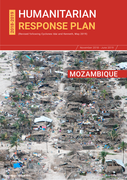
This document is produced by the Humanitarian Country Team and the United Nations Resident
Coordinator’s Office in Mozambique, with the support of the United Nations Office for the Coordination of
Humanitarian Affairs (OCHA). The projects reflected here support the national government. It covers
...
the
period from November 2018 to June 2019. The Plan has been revised in March 2019 to incorporate the
immediate response to needs arising from the impact of Cyclone Idai.
more
With eleven years left to achieve the ambitious goals of the 2030 Agenda, how close are OECD countries to reaching the SDGs? And how is our understanding constrained by targets and indicators that still cannot be measured? The OECD Measuring Distance to the SDG Targets Study aims to help member coun
...
tries assess where they stand now and to identify the areas where additional effort is required in order to achieve the goals. It also sets out the statistical agenda – showing how much we do not yet know, and how this might impact both the achievement of the SDGs, and decisions about what to prioritise across this vast agenda. The methodology underlying the Study also provides a way for OECD countries to understand their SDG achievements and challenges in a comparative context.
more
The aim of the framework is to provide guidance to Member States and partners on region-specific priority actions towards the goals, targets and milestones of the GTS. The central pillar of the framework is the adoption of programme phasing and transitioning, aimed at facilitating a tailored approac
...
h to malaria control/elimination. This is in response to the increasing heterogeneity of malaria epidemiology among and within countries of the region.
more
In Climate Change 2014: Impacts, Adaptation, and Vulnerability. Part A: Global and Sectoral Aspects. Contribution of Working Group II to the Fifth Assessment Report of the Intergovernmental Panel on Climate Change
Climate Change Toolkit for Health Professionals
recommended
This toolkit consists of eight modules which have been prepared as stand-alone documents that can be read by themselves, but they have also been prepared to complement one another. It has been designed as a tool for health professionals and students in the health care and public health sectors who
...
want to engage more directly on the issue of climate change as educators with their patients, peers and communities, and/or as advocates for the policies, programs and practices needed to mitigate climate change and/or prepare for climate change in their workplaces and communities
more
Governments have dedicated a pivotal role to the private sector in the implementation and financing of the 2030 Agenda and the SDGs. This has pushed a turn towards the private sector, the promotion of multi-stakeholder partnerships between public and private actors. However, far too often there is a
...
considerable gap between the social and environmental commitments companies make publicly in political fora like the UN and the actual effects of their production patterns and investment strategies on people and the environment. A new working paper, published by Brot für die Welt, Global Policy Forum and MISEREOR provides an overview of the ways and means by which the UN involves business actors in the debates around the implementation of the 2030 Agenda. It describes new initiatives and alliances of business actors around SDG implementation at the international level, and their main messages and policy proposals. With a few selected examples it contrasts the sustainability rhetoric of corporations with their business reality. And finally, the working paper draws conclusions and formulates recommendations for policymakers on how to increase the benefits of UN-business interactions in implementing the 2030 Agenda - and how to reduce associated risks and negative side effects.
more
Zambia Refugees Economies: Livelihoods and Challenges
M. Nyamazana, G. Koyi, P. Funjika and E. Chibwili
UNHCR; Institute of Economic and Social Research (INESOR), University of Zambia; Refugee Studies Centre, UK
(2017)
C1
The study on refugee economies shows that refugees and former refugees are contributing positively to Zambia’s economy in various ways and have the potential to contribute even further if legal and other obstacles are removed.
The study targeted mainly Congolese, Burundian, Somali, and Rwandan re
...
fugees as well as former refugees from Rwanda and Angola in urban areas and the two rural refugee settlements, Mayukwayukwa (Kaoma District/Western Province) and Meheba (Kaulumbila District/North-Western Province).
more

Shaping Health programme on Learning from international experience on approaches to community power, participation and decision-making in health,AMHF, TARSC
This report serves as a background paper to five short studies Yemeni-international researcher tandems will jointly develop in the course of 2019. It places a particular focus on ‘peace requirements’, a term that seeks to draw attention to the manifold challenges to establishing stab
...
ility and building peace in Yemen and the resulting efforts which will be required. This report analyzes the current situation in Yemen by looking at social structures, current conflict dynamics, the role and situation of state institutions and external factors, and then moves on to focus on what is required to build peace in Yemen. In laying out these peace requirements, the report focuses on the following relevant sectors: economy, politics, culture and society, as well as security and justice. In a last step, it takes a look at the challenges to and capacities of five different actor groups in Yemen to address these needs: civil society, women, youth, the media and the private sector
more
Self-care interventions are among the most promising and exciting new approaches to improve health and well-being, both from a health systems perspective and for people who use these interventions. The World Health Organization (WHO) uses the following working definition of self-care: Self-care is t
...
he ability of individuals, families and communities to promote health, prevent disease, maintain health, and cope with illness and disability with or without the support of a health- care provider
more
Clinical management standard operating procedures.
Ebola virus disease (EVD) is a life-threatening multisystem illness associated with fever and gastrointestinal (GI) symptoms that frequently leads to hypovolaemia, metabolic acidosis, hypoglycaemia, and multi-organ failure. The prolonged 2013–201
...
6 EVD outbreak in West Africa allowed for an evolution of care such that by outbreak end many patients received individualized and optimized supportive care (oSoC), including volume resuscitation, symptom control, laboratory and bedside monitoring of glucose, electrolyte levels and organ dysfunction, as well as rapid detection and treatment of co-infections, potentially contributing to the downward trend in the case fatality rate (CFR).
This guidance should serve as a foundation for oSoC that should be followed to ensure both the best possible chance for survival and allow for reliable comparison of investigational therapeutic interventions as part of a randomized controlled trial. This guideline provides recommendations for the management of adults and children.
more
This manual is a resource for Health Counselors working in Family Physician Clinics (FPC) as part of the MANAS program. This program is for common mental disorders like depression and anxiety seen in primary health care facilitieslike the FPC; since depression is the common
...
est disorder within this group of stress related mental health problems, in the manual we refer to these problems simply as ‘Depression’. The aim of the MANAS program is to integrate the recognition and treatment of Depression into routine primary health care.In the MANAS program, a range of effective treatments will be provided for patients with Depression. These treatments are matched to the individual requirements of patients to both improve the effectiveness of the treatments and to use the limited resources efficiently.
more
